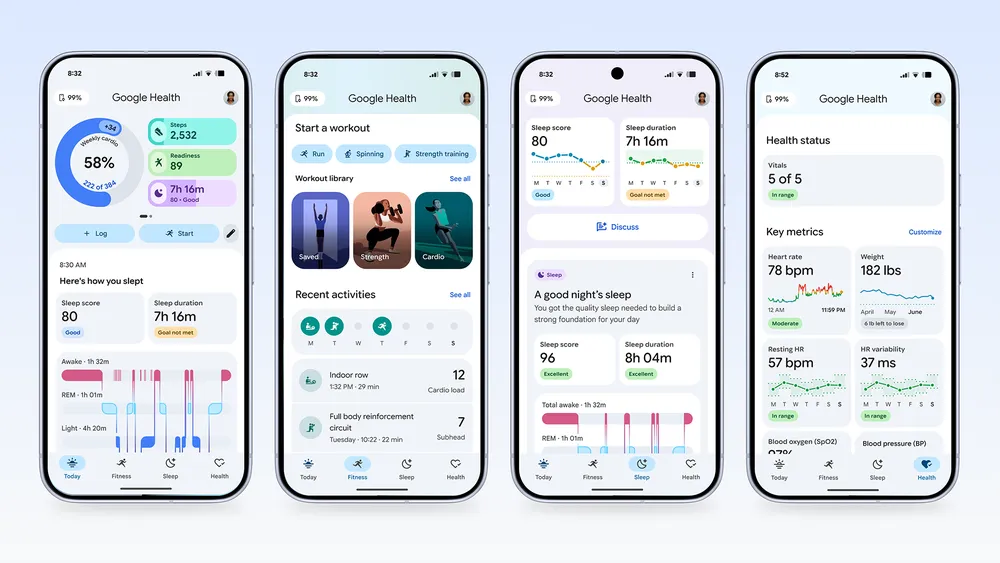
Google is renaming the Fitbit app to Google Health. This is not just a simple name change. It is a transformation that expands the service into a personalized health management service where AI advises on exercise, sleep, and health habits based on health data collected from wearable devices.
Google has unveiled the new Google Health app and the AI-powered Google Health Coach. The new app will be rolled out starting May 19. The existing Fitbit app will transition to the Google Health app, allowing users to view their workouts, sleep, health metrics, and coaching features in one place.
The core feature is the AI coach. Google Health Coach provides personalized exercise and health insights based on data such as the user's activity level, sleep, and heart rate. For example, it can recommend exercise routines or analyze sleep patterns to suggest ways to improve lifestyle habits. Google described this feature as a personalized wellness guide powered by artificial intelligence.
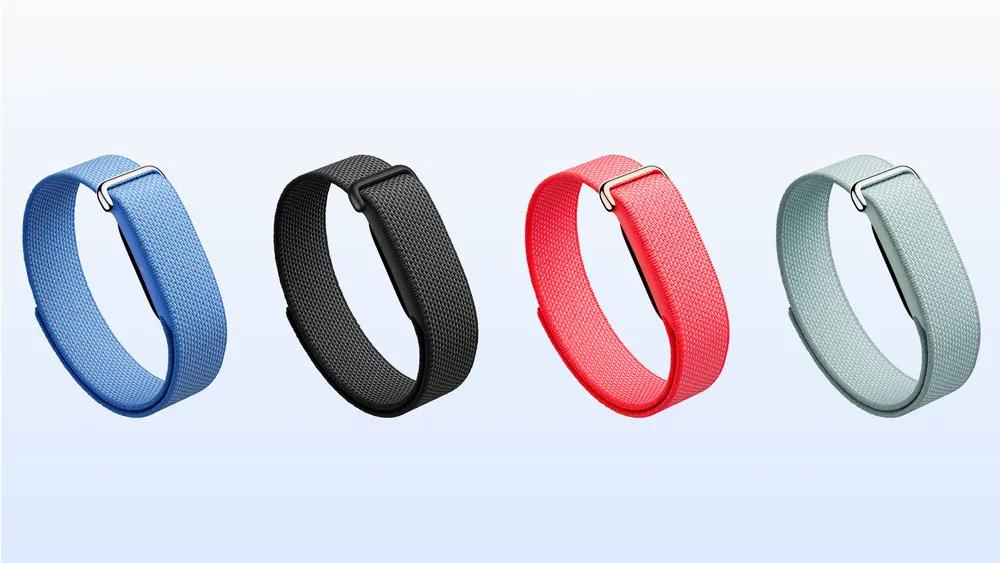
This change was unveiled alongside the new wearable device, the Google Fitbit Air. The Fitbit Air is a small, screenless tracker that measures 24-hour heart rate, atrial fibrillation alerts, blood oxygen saturation, resting heart rate, heart rate variability, sleep stages, and sleep duration. Google stated that the device's sensor data is used for personalized advice from an AI coach.
Google Health is also strengthening its subscription model. Google Health Premium starts at $9.99 per month or $99 per year. Google AI Pro and Ultra subscribers can use Google Health Premium at no extra cost.
Fitbit's role is also changing. In the past, Fitbit was closer to a fitness app that recorded steps, exercise volume, and sleep time. Now, Google is integrating Fitbit under the name Google Health and promoting AI coaching and health data analysis as its core features. The structure involves wearable devices collecting data, and AI interpreting that data to suggest actions.
This change is also linked to Google's healthcare strategy. At 'The Check Up with Google' event in March 2026, Google announced that it would leverage AI to improve medical access, clinical education, and personalized health insights. Along with medical research such as breast cancer detection, diabetes prediction, and public health analytics, consumer health management services are also being restructured around AI.
However, Google Health is closer to a wellness and health management support service than a medical diagnostic service. While it provides advice based on users' lifestyle data, disease diagnosis or treatment decisions remain the domain of medical professionals. As AI handles health data, privacy protection and the way data is utilized can also become significant issues.