
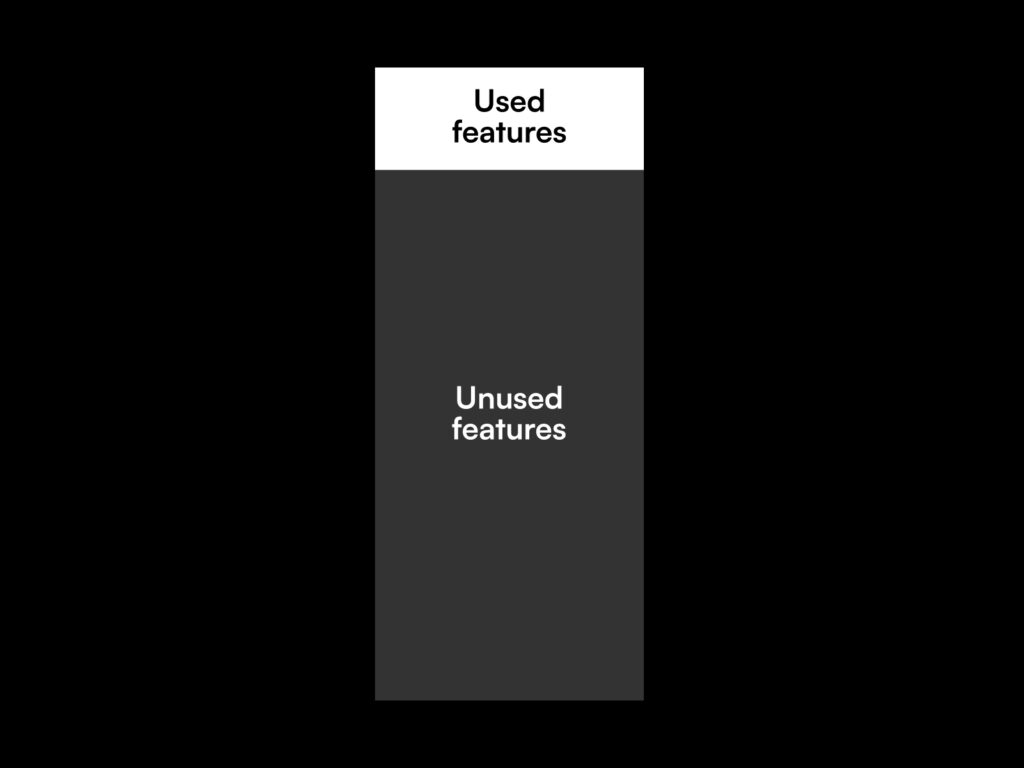
In the past, there were many cases where users had to pay SaaS costs for the essential 10%, even though the 90% was a feature they never used. Now, however, there is an option to build and use only that 10% yourself. If you do not need the entire complex product and your desired input and output values are clear, there is less reason to use general-purpose tools. The era of building and using only what is necessary has begun.
Originally, creating a single small image, a simple internal tool, or automating repetitive tasks required the time of many people. Designers would write requests, the development team would set priorities, and if the schedule fell behind, weeks would pass. Now, a significant portion of these tasks are completed within minutes.
The first area to change is low-dependency tasks. Here, low dependency means that the work process is not significantly affected by external factors. These are tasks that require little to no approval from other departments, complex data integration, exception handling based on customer behavior, or legal and security reviews. Tasks that allow one person to define rules, create things independently, and use them immediately internally are being rapidly replaced.
Marketing promotional images are a prime example. Images that must be mass-produced within established rules—such as social media images, event banners, ad creatives, and news covers—are well-suited for AI and automation. Speed increases significantly when instructions can be provided via code or prompts, such as “product image at the top, title at the bottom, white background, 4:5 aspect ratio, and brand colors used only within this range.” This is because the task involves creating many variations within set rules, rather than requiring humans to make new, creative decisions every time.
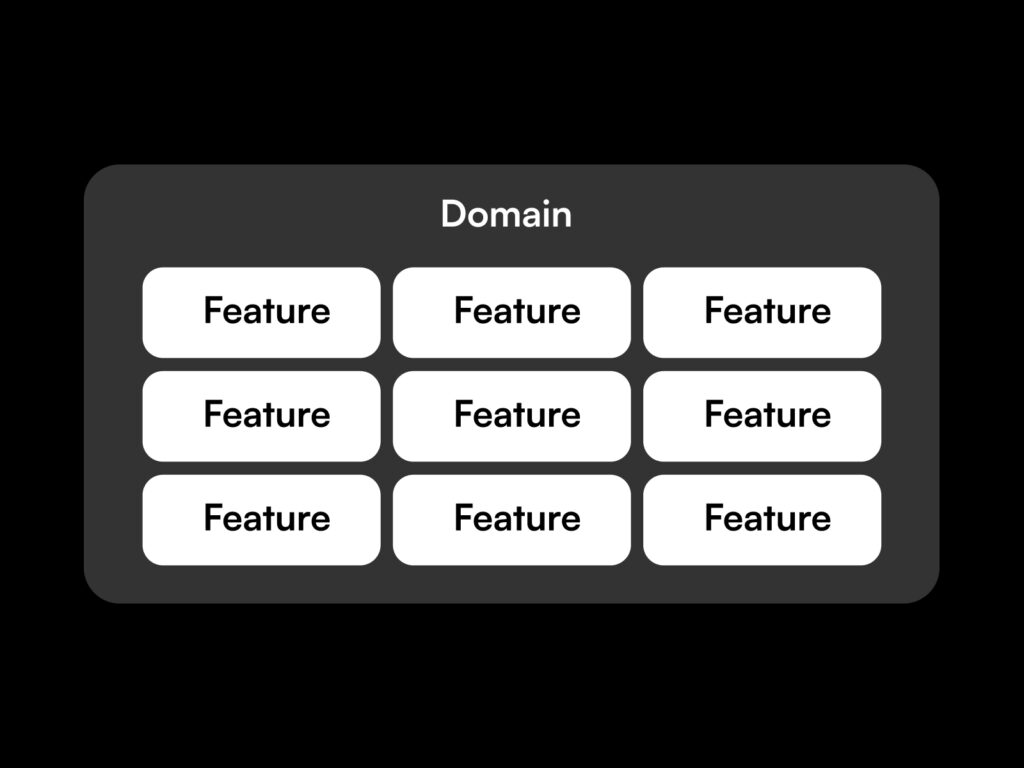
As this shift accelerates, questions naturally arise: “Won’t SaaS disappear?” “Won’t everyone just build and use their own tools now?” In some areas, this is true. SaaS services that provided only a single, simple function could take a hit. It has become increasingly likely that users will create their own tools for tasks such as regular image generation, simple data aggregation, document classification, accounting-level calculations, and organizing data into specific formats.
However, being able to create features is a different story from dominating a domain. The streamlining of a single small feature does not create a significant impact on the entire business. This is because everyone uses the same tools and automates at a similar pace. Ultimately, competitiveness stems not from "whether you can create features," but from "how deeply you have mastered a particular domain.".
For example, if you look only at the functions of writing documents or creating tables, Notion seems easy to replace. However, enterprise Notion is expanding into areas such as permission management, security, administrator control, and AI governance. In its enterprise products, Notion emphasizes policies related to AI governance, security, administrator control, and data retention and learning. Users are not simply buying a notepad; they are entrusting the way their organization's knowledge flows.
SaaS companies are moving in this direction. Rather than selling a single small feature, they are evolving into holistic solutions designed to dominate their own domains. Adobe is not just providing image creation tools; it is integrating Firefly into the Creative Cloud, Express, GenStudio, and marketing content production workflows. Canva is also expanding beyond a simple design tool into a work environment that bundles brand assets, templates, collaboration, video, presentations, and AI-generated features.

Established powerhouses are striving to dominate their domains. So, what happens to startups? The traditional formula for success was to start in a niche area. This approach involves solving small, specific problems that large companies overlook, creating strong value for specific users, and then gradually expanding the market.
This strategy remains valid. To enter a new market with limited capital, it is difficult to target a huge average market from the start. This is because you must first secure the smallest segment that is best suited for a monopoly.
However, the difficulty level has increased. This is because users can now create niche and simple solutions themselves. In the past, the complaint, "There isn't a tool to solve this small inconvenience," could serve as a startup idea. Now, the response might be, "Can't we just make that ourselves?".
Therefore, we must now look for niches that hold greater value. We need to look beyond simply small markets and focus on markets with complex chains. Wherever there is a chain, there is always a niche. There are always gaps in places where multiple stakeholders are entangled, data is scattered, approval processes are complex, and existing tools do not fit the field.
For example, fields such as hospitals, logistics, construction, education, law, finance, and manufacturing do not stop at a simple UI. Field operations, regulations, documentation, approvals, customer service, data logging, and exceptions all operate together. In these environments, simply building a single feature quickly is not enough. You must understand the domain, immerse yourself in the actual workflow, and even change the way people use things every day. This is where the opportunities for startups lie.
The basic strategy has not changed significantly. You still need to start in a niche. However, now you must find deeper niches and expand faster. In an era where people only make and use what they need, simple features are difficult to turn into products. Products that survive for a long time dominate the domain, not just the features.