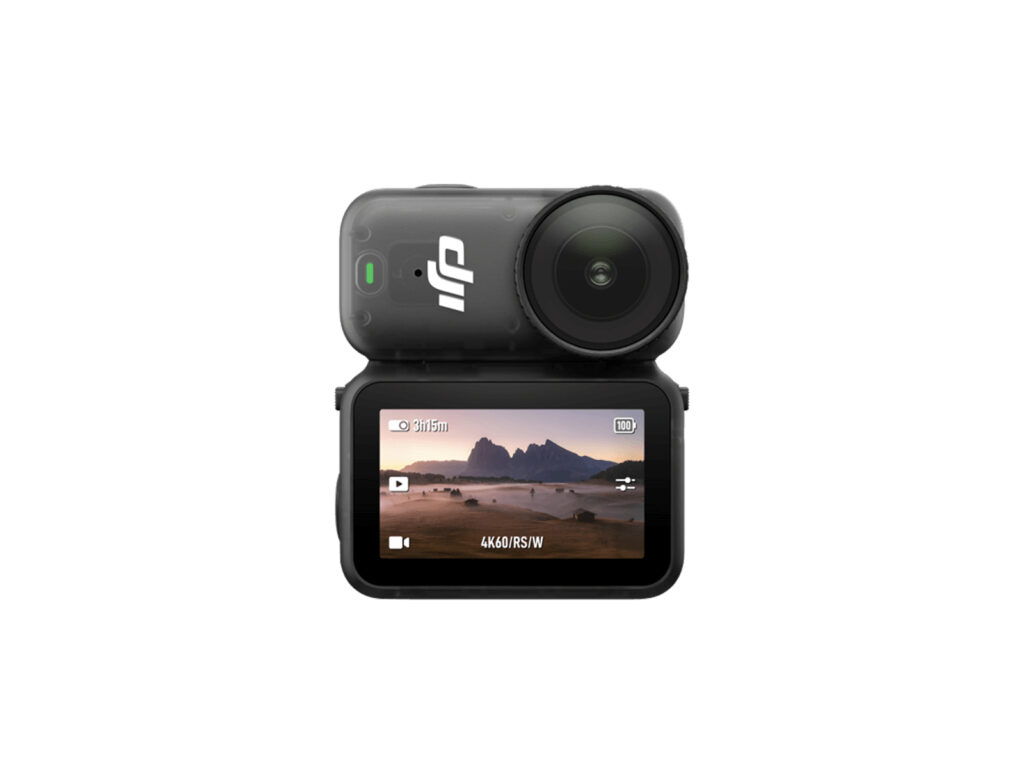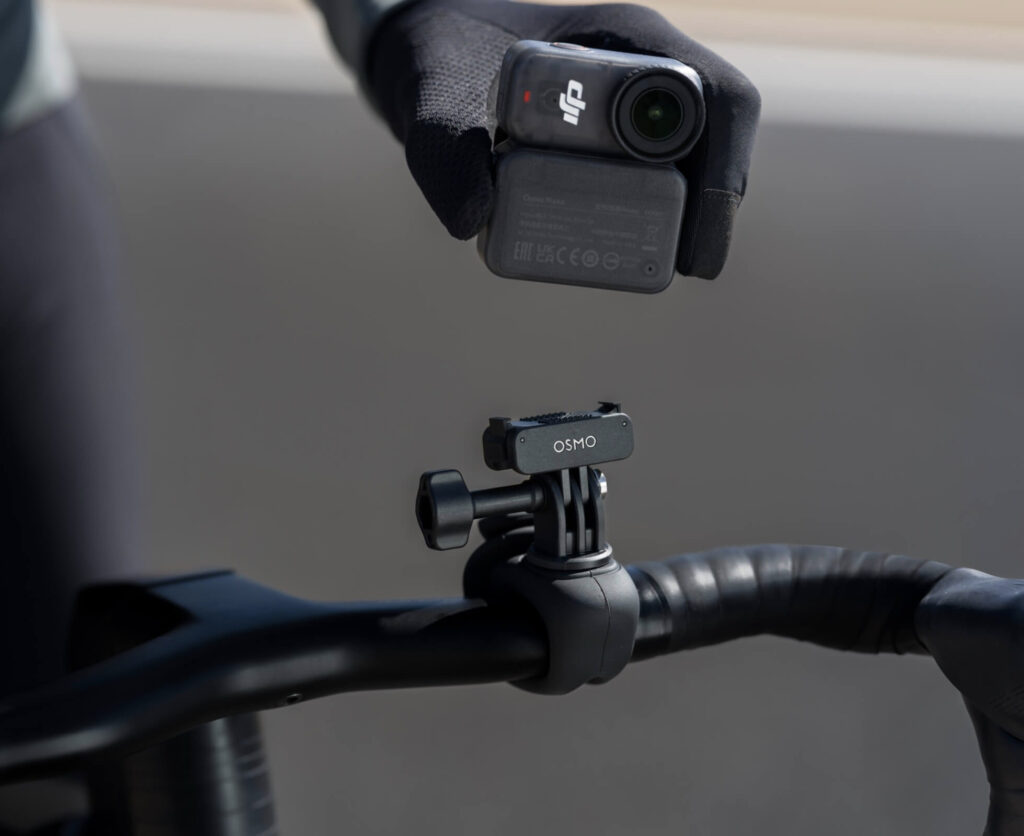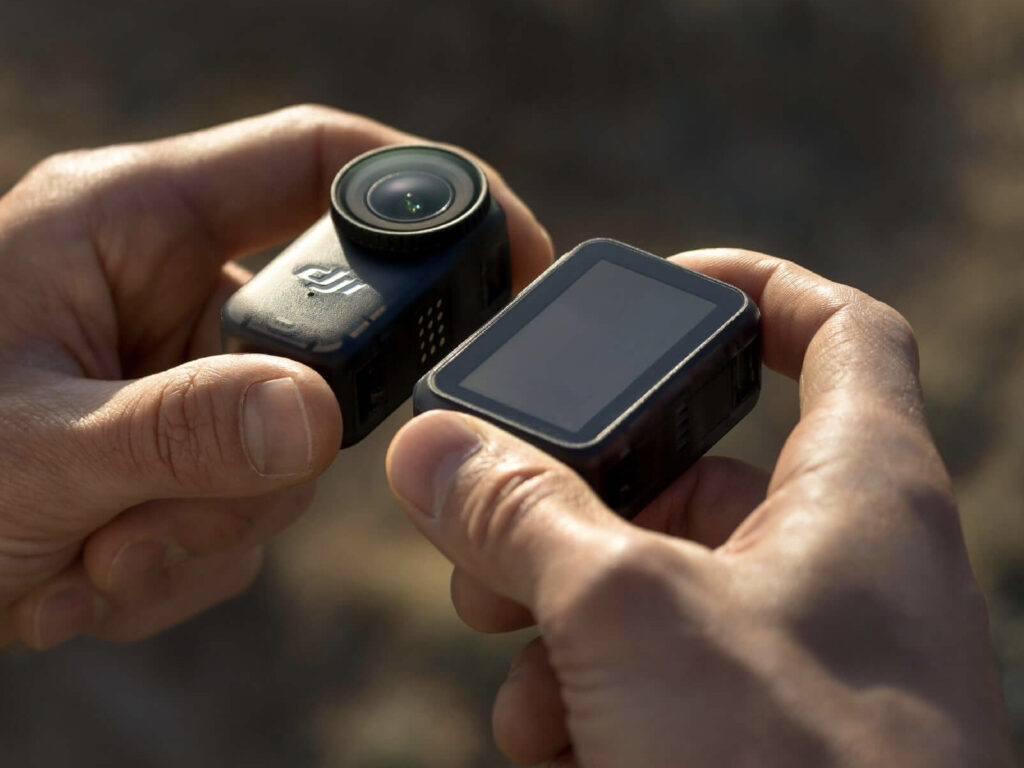
DJI, a leader in the drone and action camera markets, has unveiled its new ultra-compact camera, the Osmo Nano. Weighing just 52 grams, it's so light and compact you might almost forget it even exists. Yet, this tiny device packs the same high-performance sensors and features as DJI's flagship models.
The Osmo Nano features a 1/1.3-inch 4K image sensor, capable of recording slow-motion video at up to 4K at 120fps. It boasts 13.5 stops of dynamic range, and supports Night Mode, 10-bit color depth, and D-Log M recording, making it ideal for professional post-production. It also supports both vertical and horizontal shooting, making it suitable for a variety of platforms, from YouTube to TikTok.
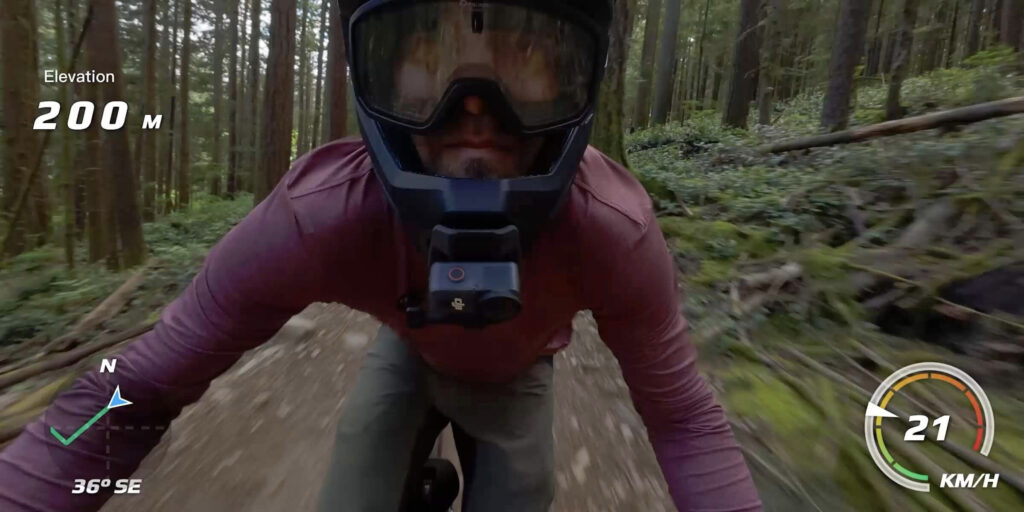
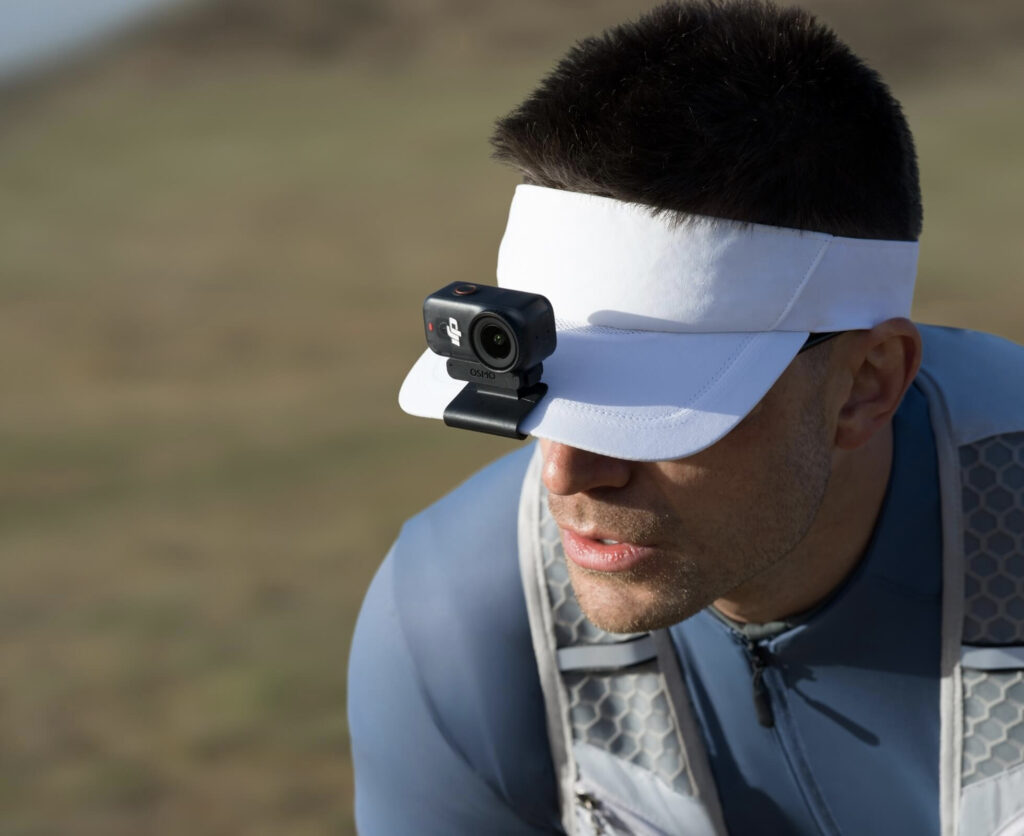
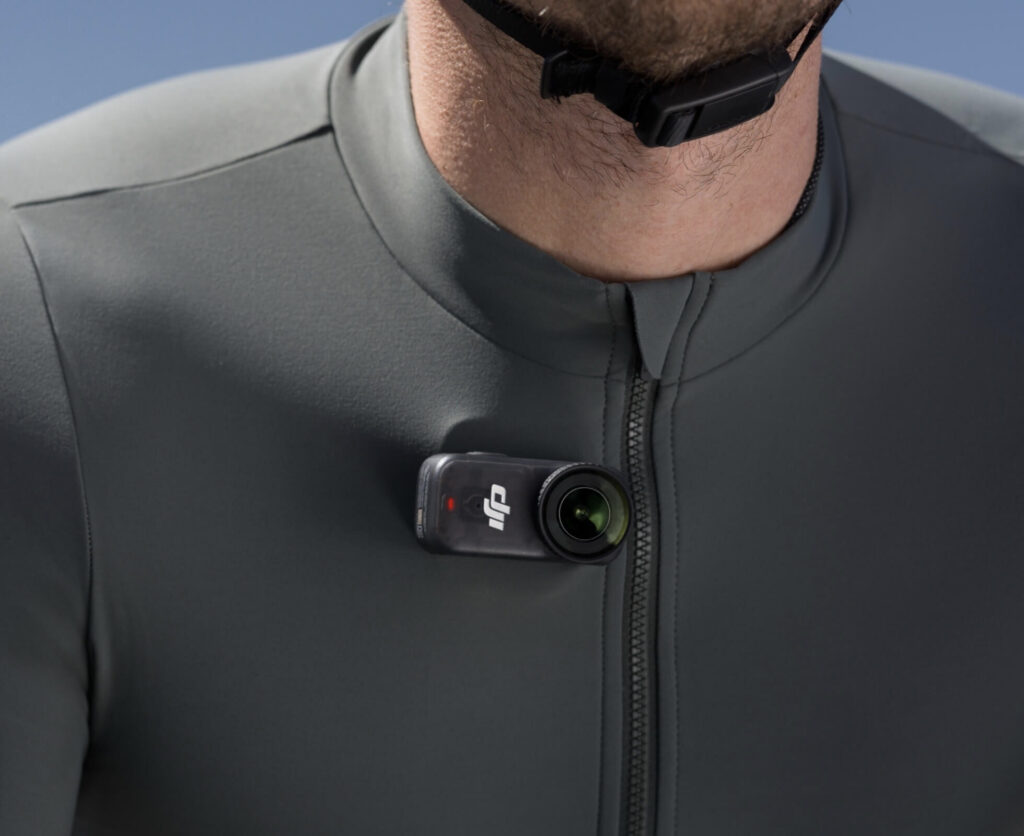
In terms of size and weight, it's considered the smallest and lightest action camera in DJI history. Measuring 57 x 29 x 28mm, the main body is designed to easily attach to a standard baseball cap brim or shirt collar. It also features gesture recognition, allowing you to automatically start recording with a simple nod while mounted on your hat. This is also useful in situations where buttons are difficult to press, such as when wearing gloves.
An optional accessory is the Multifunctional Vision Dock. This dock features an OLED touchscreen and auxiliary battery, allowing it to function as both a preview monitor and a shooting controller. The combined weight of the main unit and dock is 124g, making it lighter than the original Osmo Action 5 Pro.
The basic battery life is approximately 55-60 minutes at 4K 30fps, and up to 90 minutes at FHD 24fps. Connecting the Vision Dock extends this to up to 135 minutes at 4K 30fps, and up to 200 minutes at FHD. The main unit is waterproof to a depth of 10m, and the dock supports an IPX4 rating, which is a level of water resistance for daily life.
The device comes in two models with 64GB and 128GB of built-in memory, starting at $309 and $339, respectively. Prices in pounds and euros have also been released in Europe, but they haven't yet been released on the official US website. DJI stated that it is currently adjusting its sales strategy to reflect market conditions in the US.