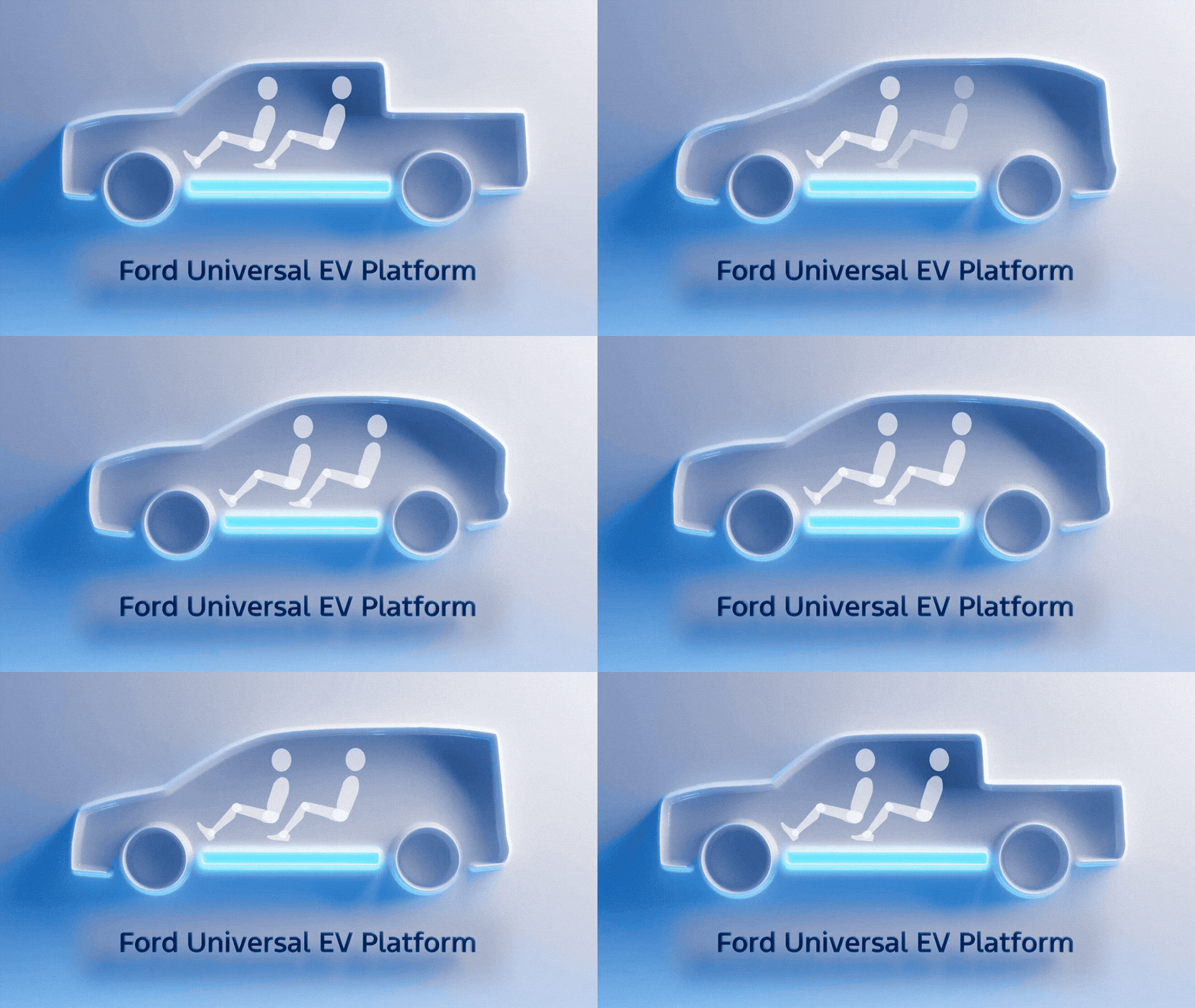
Ford has unveiled a new electric vehicle strategy, calling it its "Model T moment." This modern reinterpretation of its 120-year-old logo reflects Ford's commitment to being a "universal" company in the new era of electric vehicles, building on its heritage. The company will invest a total of $5 billion at its Louisville, Kentucky, assembly plant and the Blue Oval Battery Park in Michigan to develop the "Ford Universal EV Platform," and will launch its first affordable electric vehicle based on it in 2027. The model will be a four-door midsize electric pickup truck, targeting a price of around $30,000.
This platform can be applied to a variety of vehicle types, including trucks, vans, and SUVs, reducing the number of parts by 20% and simplifying the assembly process, shortening production time by 15%. The battery uses LFP prismatic cells that do not use cobalt or nickel, reducing costs while improving durability and charging speed. These batteries also form the vehicle's floor structure, resulting in a low center of gravity and a spacious interior. Ford claims the new midsize truck offers a more spacious interior than the Toyota RAV4.
Production methods will also change significantly. Instead of the traditional linear assembly line, the "assembly tree" concept will be adopted, with the front, rear, and battery sections assembled on separate lines before being joined together. Large aluminum unicasts will replace dozens of small parts, and ergonomic designs will reduce worker movement and strain. Ford announced that the Louisville plant will reduce its hourly workforce by 600 people during this process, but there will be no layoffs.
This project is the culmination of three years of secret work by the Silicon Valley "Skunk Works" team. The team scrapped existing manufacturing processes and redesigned them from the ground up. Ford plans to build a variety of vehicles based on this platform, covering a variety of body styles and applications, and has promised continuous feature enhancements via over-the-air updates.
Ford sees this strategy as key to its return to profitability, as it anticipates a $5.5 billion loss this year in its electric vehicle and software divisions. However, the Trump administration's repeal of the electric vehicle tax credit and increased tariffs are expected to weigh on the market.