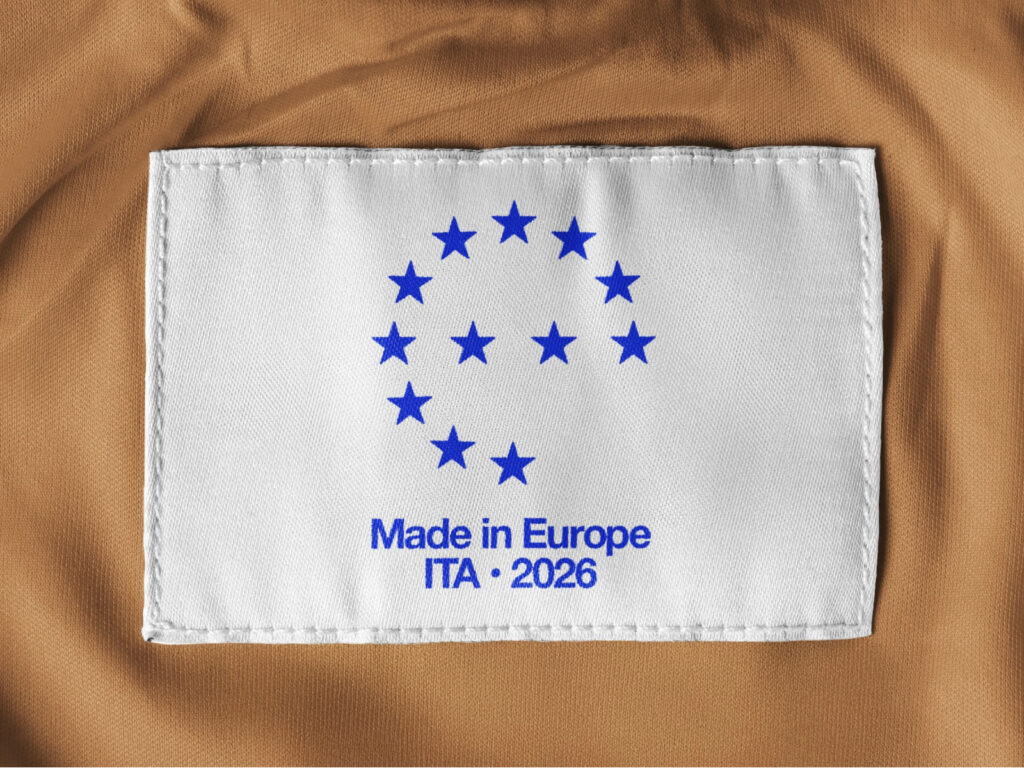
Europe is preparing a new, integrated certification system encompassing everything from manufacturing to digital services. The "Made in Europe" blueprint, released by the 21st European think tank and the Dada Project, presents a direction for the European economy amidst supply chain instability and growing dependence on digital platforms. The key is trust. The goal is a trust certification system based on a digital passport that transparently links production processes and sustainability information, moving beyond simple country of origin labeling.
Europe is the world's largest export region and boasts high industrial standards and institutions. However, overlapping national regulations are causing confusion for both businesses and consumers. While manufacturing is declining, dependence on digital technologies, particularly those centered on China and the United States, is increasing. With China accounting for over 30 percent of global industrial production, quality-focused competitiveness has become increasingly crucial for Europe. In the digital sector, the absence of European companies among the world's top ten platforms highlights Europe's vulnerability. This reliance on external sources, from data management to AI infrastructure, is a burden on both the economy and democracy.
Made in Europe is an integrated strategy to address these challenges. It aims to connect Europe's industrial base with digital regulations to ensure responsible production and trust-based competitiveness. To achieve this, it certifies products and services that meet four criteria: durability, transparency, safety, and process-based. All certifications are linked to a digital passport, providing access to production sites, supply chain information, and sustainability data. The goal is to redefine trust as a source of competitiveness, not a regulatory imperative.
Europe possesses strengths across the entire industrial chain. It employs 30 million people in the manufacturing industry, operates 2.2 million companies, and generates €9 trillion in industrial sales. Furthermore, six sectors, including sustainable design, clean energy, advanced technology, healthcare, cultural industries, and agriculture, have been designated as future strategic industries. Analysis suggests that Europe, with its strong physical industrial foundation, can create new growth models by incorporating digital technologies.
The Made in Europe system integrates existing CE markings, CSRD, and other regulatory frameworks like the GDPR to create a single, trusted system. Certification and verification will be jointly handled by the European Commission and member state authorities, and all data will be linked to the European Single Register. Funding will be provided through EU innovation funds and public-private partnerships, with public procurement policies expected to strengthen the demand base.
This blueprint is presented as a project that goes beyond economic strategy to redefine Europe's identity and values. It envisions that the resilience of regional industries centered on trust and responsible innovation will become Europe's new competitive edge in the global marketplace.