Tesla began its robotaxi pilot service in Austin, Texas on June 22 (local time). This is the first time that the self-driving taxi service that CEO Elon Musk had announced in 2019 has appeared on actual roads. This pilot service is operated in a limited manner, allowing only invited users, and safety personnel are on board.
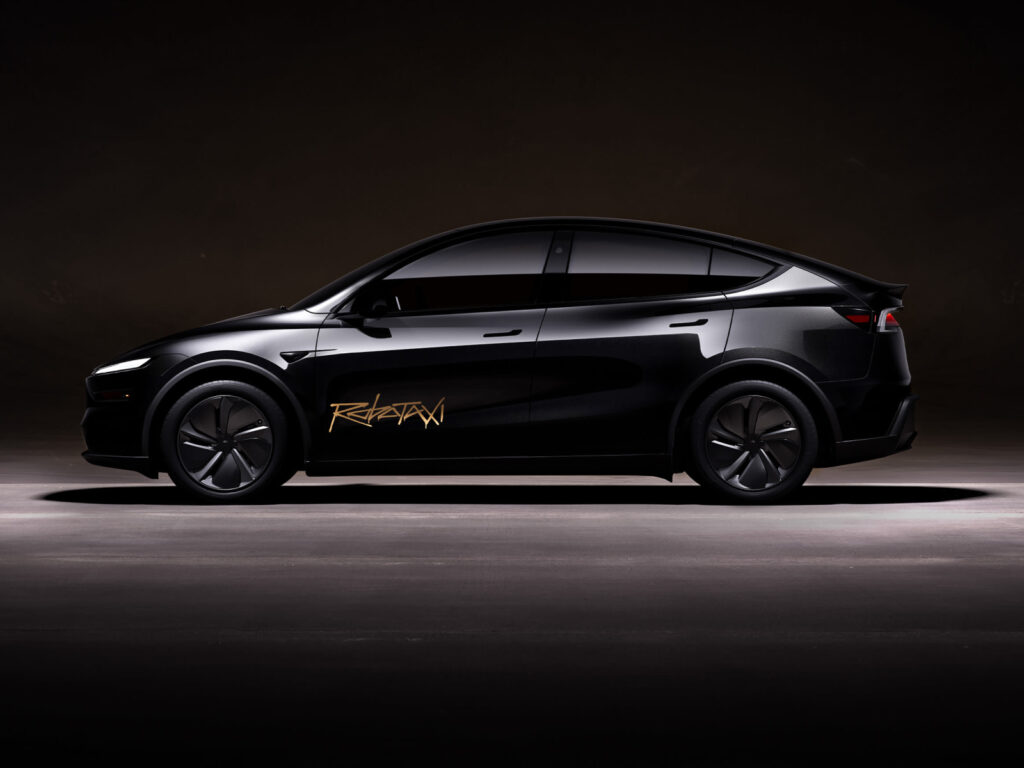
Tesla is testing its autonomous driving capabilities in a fleet of about a dozen 2025 Model Y vehicles in key areas of downtown Austin. The vehicles feature a gold “Robotaxi” logo on their doors and can be summoned via the Tesla app. The service is available from 6 a.m. to midnight and is only available in the pilot area.
The ride will cost a flat rate of $4.20, a number Musk has used as a symbol in the past. Early passengers included Tesla investor Sawyer Merritt and former U.S. Navy commander and YouTuber Chuck Cook, whose footage was shared on X.
Musk congratulated X, saying, “It’s the culmination of 10 years of hard work from our AI software and chip design teams.” At the “We, Robot” event last October, he unveiled the two-seater Cybercab, which has no steering wheel or pedals, and the 20-seater Robovan, which will become the core models of Tesla’s future robotaxis. Production is expected to begin in 2026 or later.
The robotaxi being deployed this time is a modified version of the existing Model Y, and is not fully autonomous but rather has a supervisor on board. In some videos, errors were captured, such as the vehicle attempting to make a left turn but giving up, entering the wrong lane, or passing the destination. Accordingly, it is known that the vehicle is equipped with a remote monitoring function, but the scope is still unclear.
Tesla is pursuing a lower cost structure than its competitors by applying camera-based autonomous driving technology to existing vehicles, but the US National Highway Traffic Safety Administration (NHTSA) is reviewing data on the safety of the system in bad weather. Tesla's 'Full Self-Driving (FSD)' technology has been investigated due to several accident cases and user complaints, and it seems that securing reliability in the future will determine its success or failure.