You can now download apps from sources other than the App Store. Developers do not have to use Apple's in-app payment system, which charges fees of up to 30%. Apple plans to add several devices for stability and security within the ecosystem, such as app notarization function, app installation sheet, developer authentication, and malware prevention.
This change is Apple's move to comply with the European Union's Digital Market Act (DMA) and will be available to users in 27 countries in the European Union from March 2024. EU industry chief Thierry Breto said strong action would be taken if Apple's proposed measures were not enough. Countries outside the European Union will maintain the same fees.
The App Store decided to reduce the in-app purchase fee from 30% to 17% and reduce it from 15% to 10% for developers who meet the conditions. Apple says about 3% of developers operating in the EU are paying the 30% fee, with 9% paying the reduced fee. According to what the company disclosed, the developers of the remaining 88% will not pay any fees.
For in-app payments, you can avoid paying additional fees by paying through another payment service app or website. You can also pay a fee of 3% and use the App Store payment method.
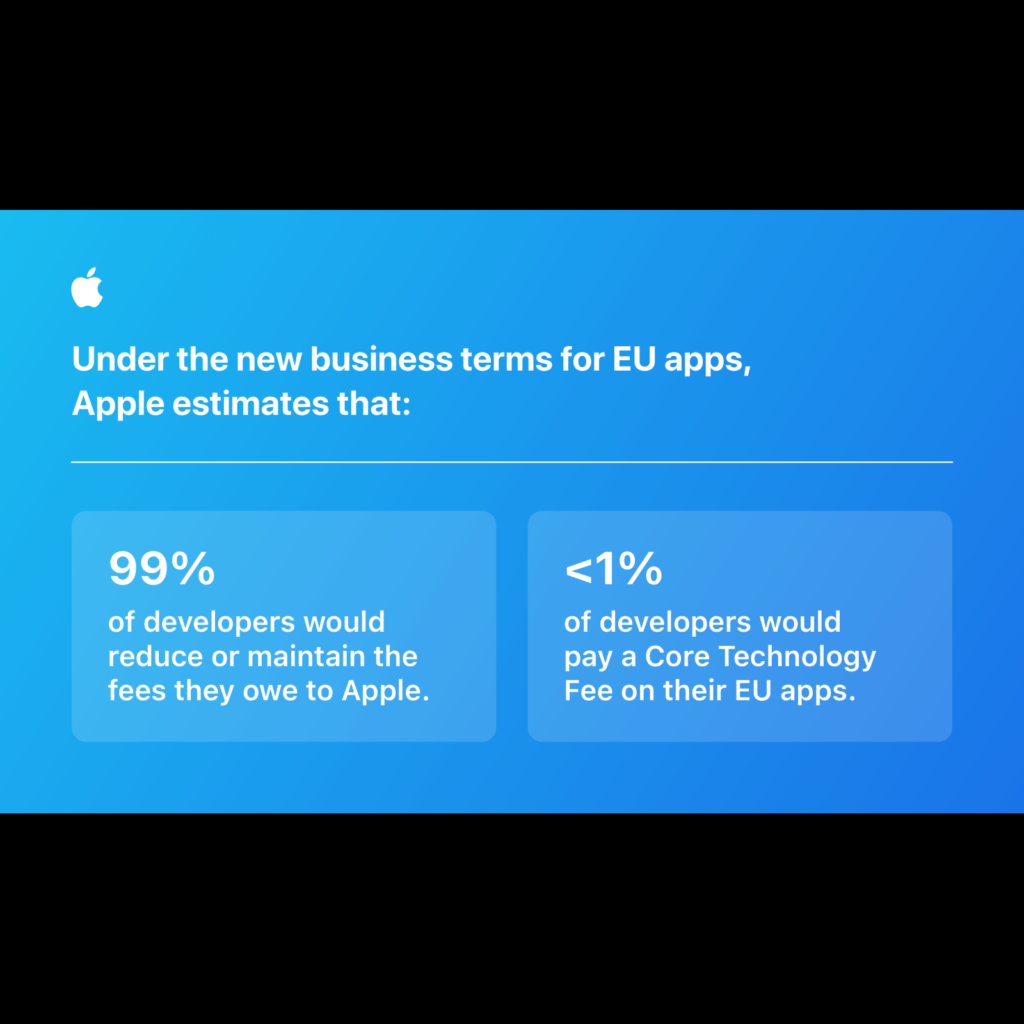
However, apps that have been installed more than 1 million times will have to pay €0.50 for each new install per year. Apple said developers in the EU with less than 1% are likely to be charged. Developers who want to use Apple's original App Store system can choose to keep their existing terms and fee structures, the company said.

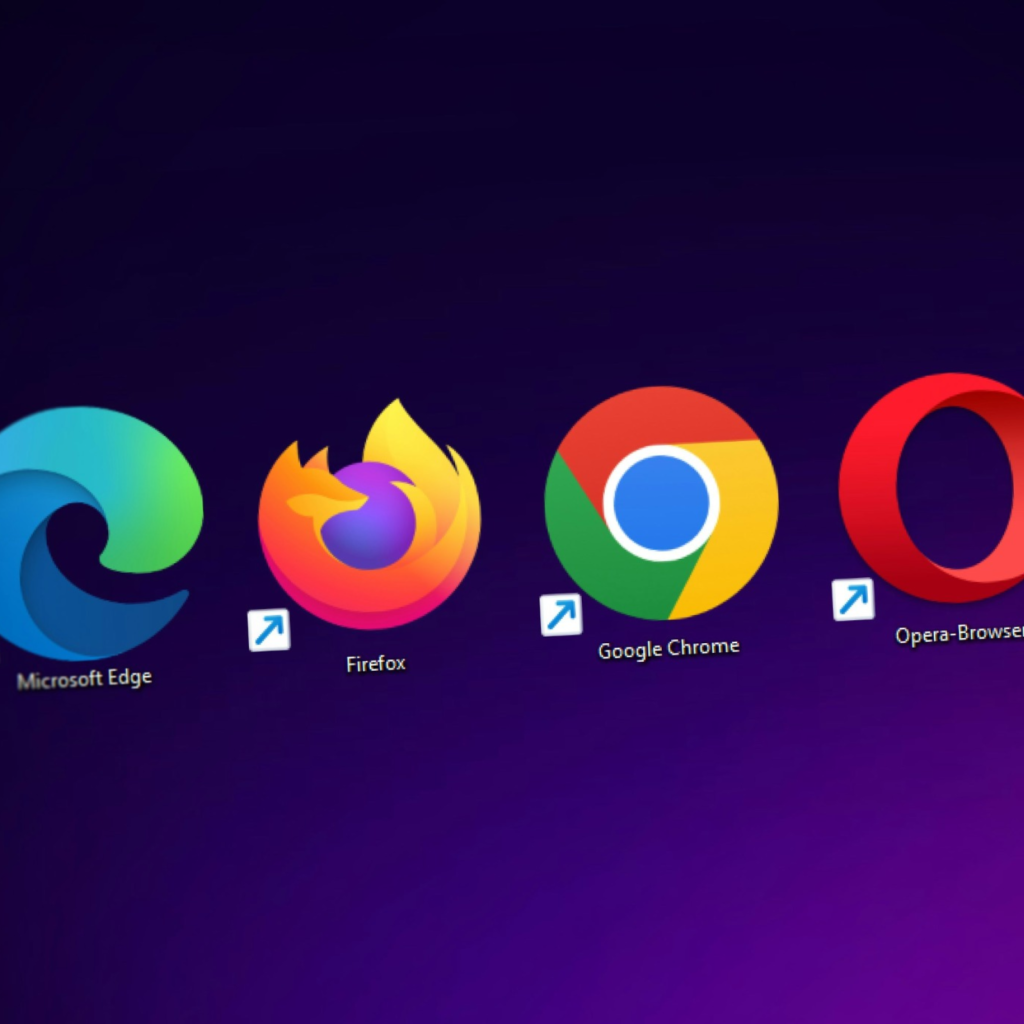
When you first use Safari, a web browser provided exclusively by Apple as well as the App Store, you will be presented with a list of other browsers such as Chrome and Firefox, and you will be able to choose which to use as your default browser.
The European Union's Digital Markets Act is a bill aimed at limiting Big Tech companies' abuse of their monopoly positions. This is a measure to stimulate market competition and limit market power. Competition law changes from a post-regulation approach to ex-ante regulation. This is an effort to maintain choice and fairness for suppliers and consumers.
Opening it to install other apps is a big change for Apple, which is famous for its closed policies. Although this change appears to be a positive change in free market competition, the response is that there is actually no significant change.
While pretending to open up the technology to small developers who would not have much impact on Apple, it was designed so that even if large companies with potential competition create new markets and exclusively provide their own apps, Apple's profits would not be affected. Will the EU accept this policy proposal?