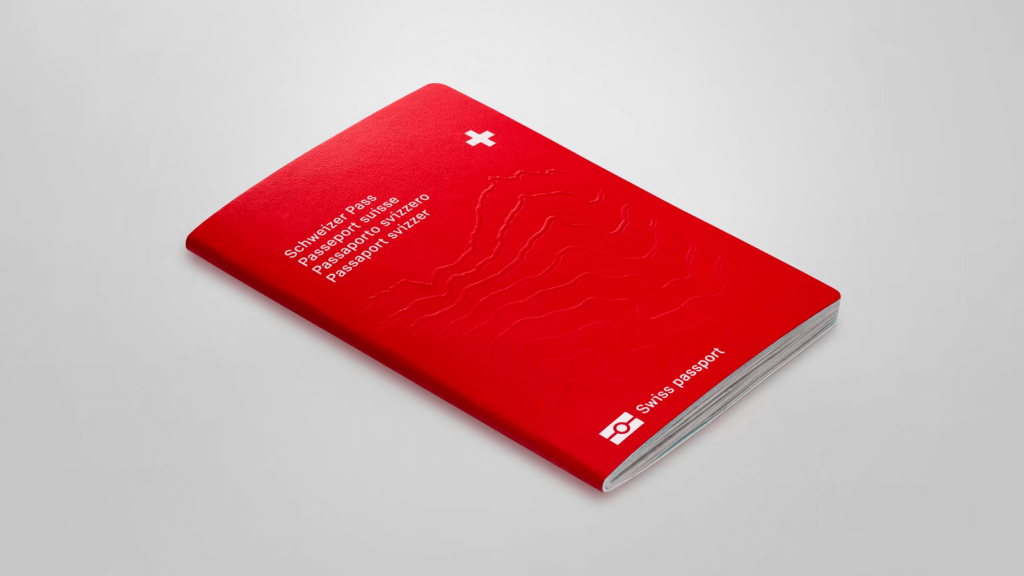
Switzerland will be issuing a new passport that combines graphic art and cutting-edge security technology starting in the fall of 2022. Designed by the Swiss Federal Police and Geneva-based design studio RETINAA, the passport reflects Switzerland’s nature and culture while also featuring a range of security features to prevent counterfeiting.
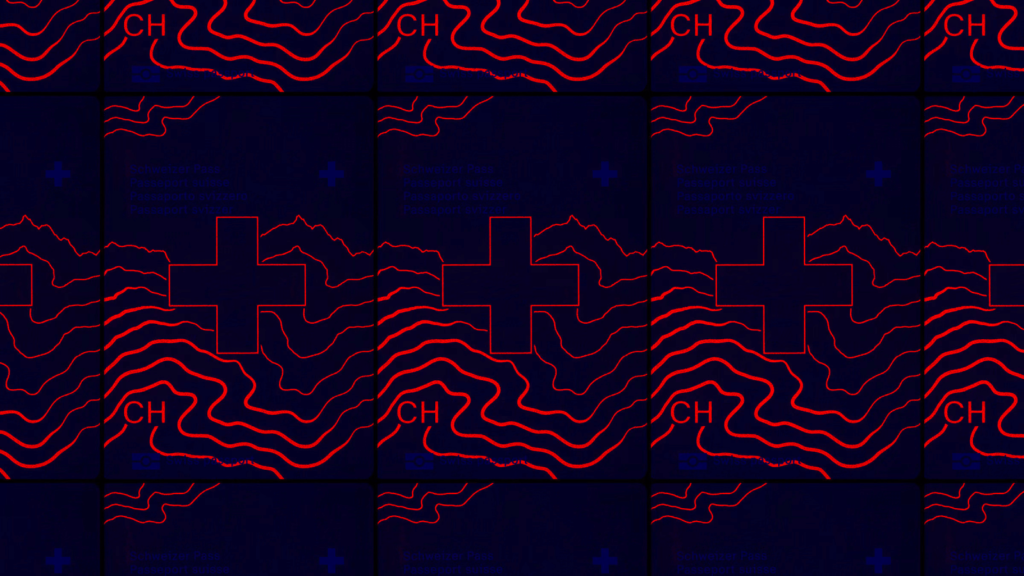
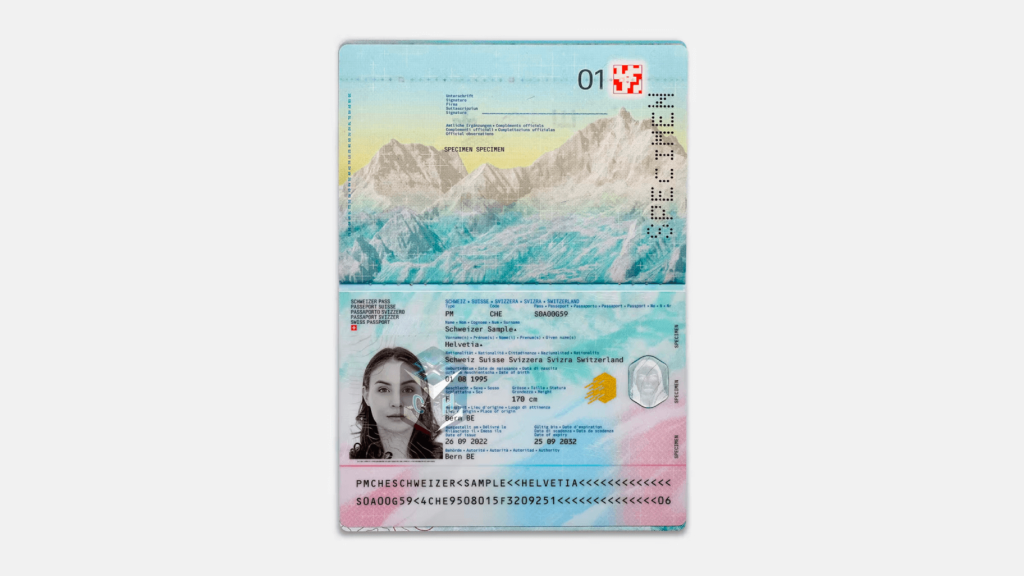
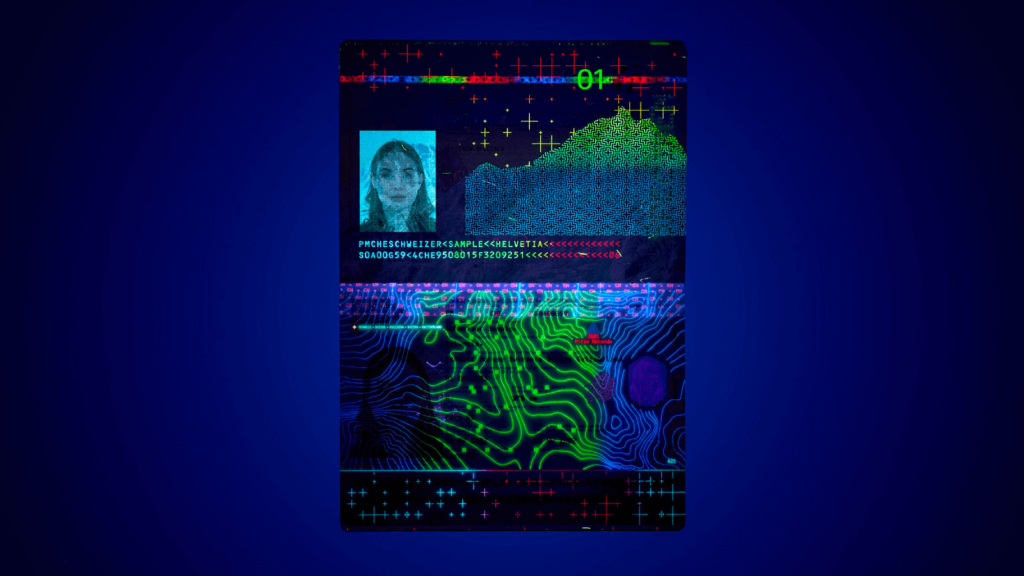
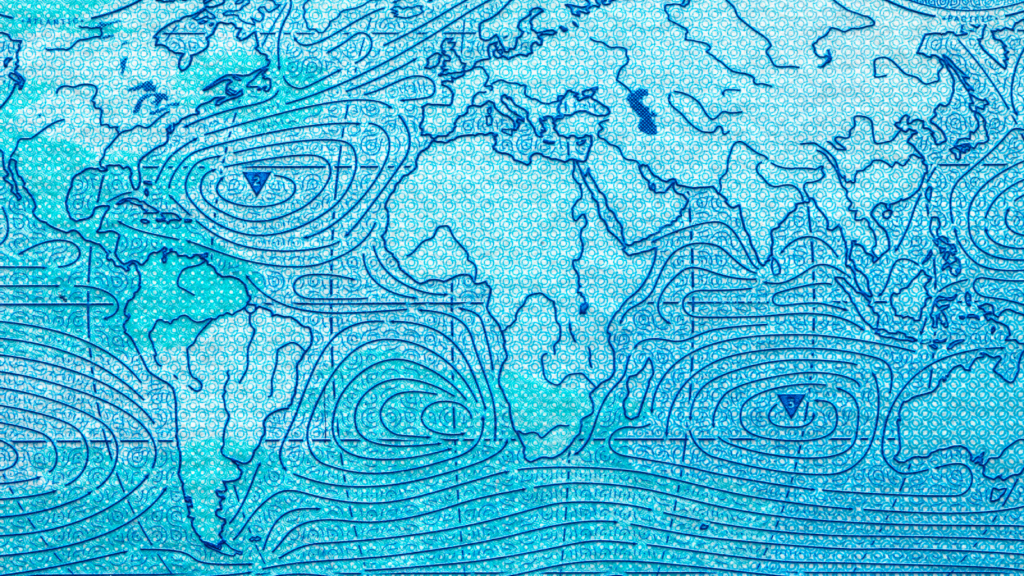
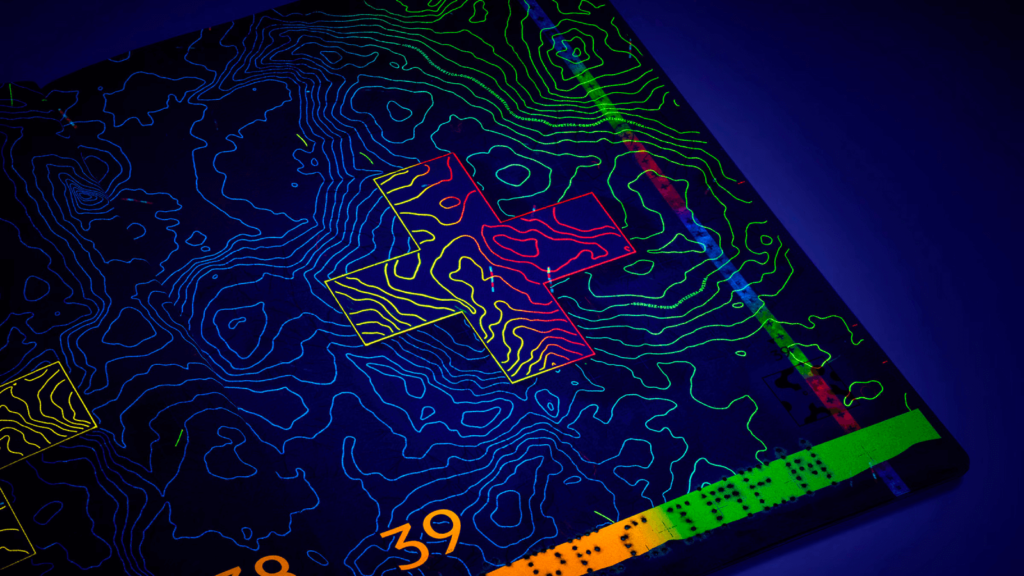
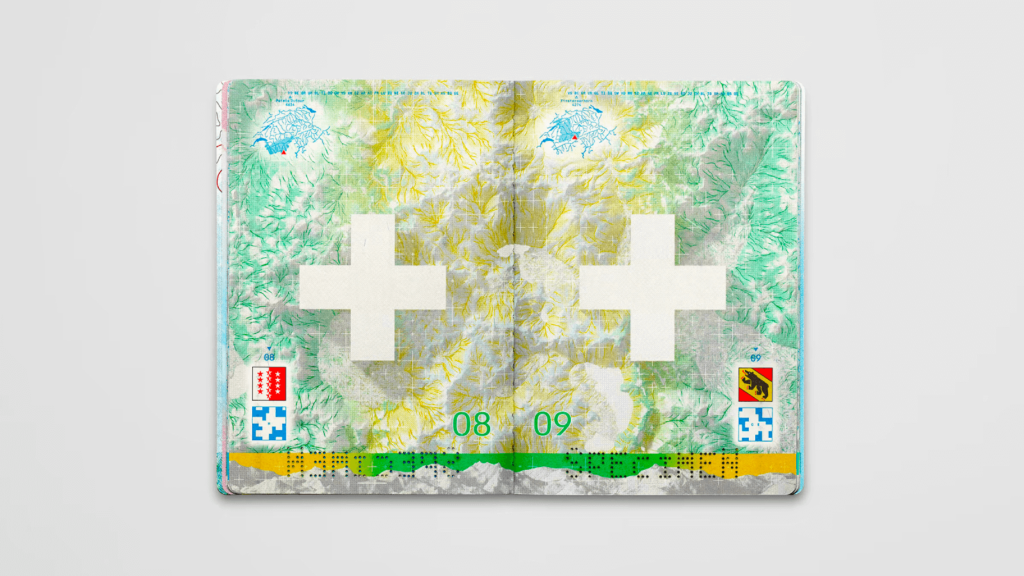
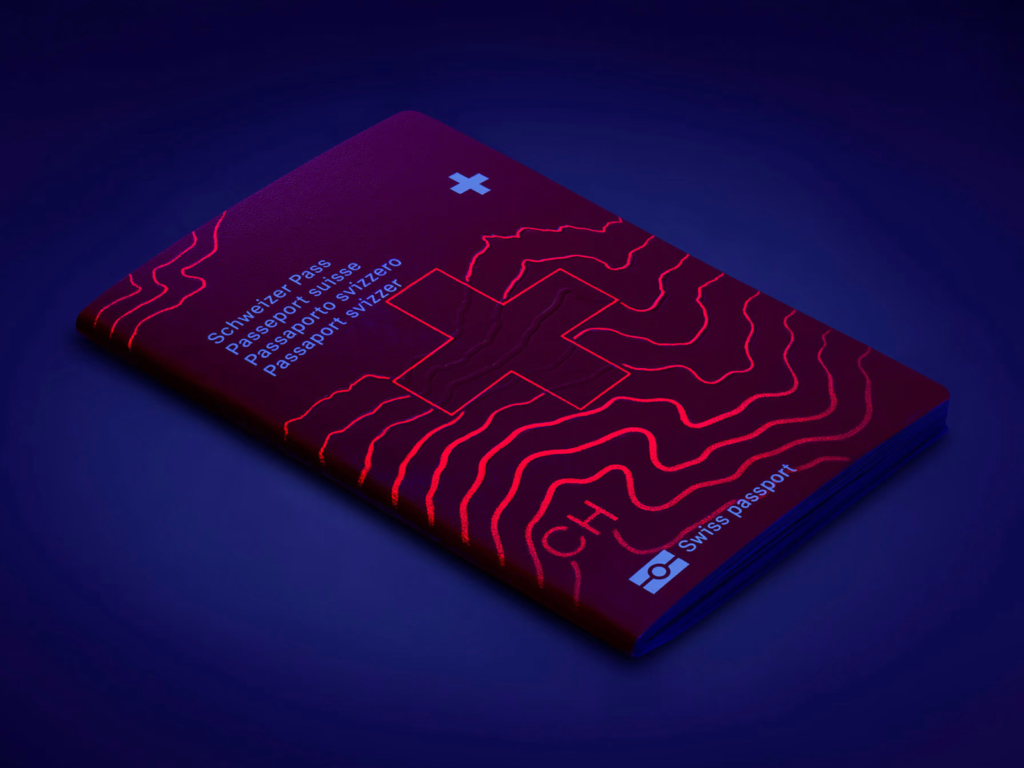
The new passport reinterprets traditional cartographic techniques to depict Switzerland’s mountains, valleys and cultural heritage in 3D modeling. Each page depicts a journey from the Alps to the valleys, through Switzerland’s 26 cantons and into the world. The first page features the Pizzo Rotondo peak in the St. Gotthard Mountains, which borders several Swiss linguistic regions, and when illuminated with ultraviolet (UV) light, contour lines appear, making the terrain more clearly visible.
Switzerland is called the 'water tower' of Europe, with over 1,500 lakes, numerous rivers and glaciers, providing 6% of Europe's drinking water resources. These water resources shape the topography of Switzerland and serve as an important source of renewable energy production. RETINAA is based on the concept of following the flow of water, and represents a symbolic journey through the passport from the Alps through 26 cantons to the world.
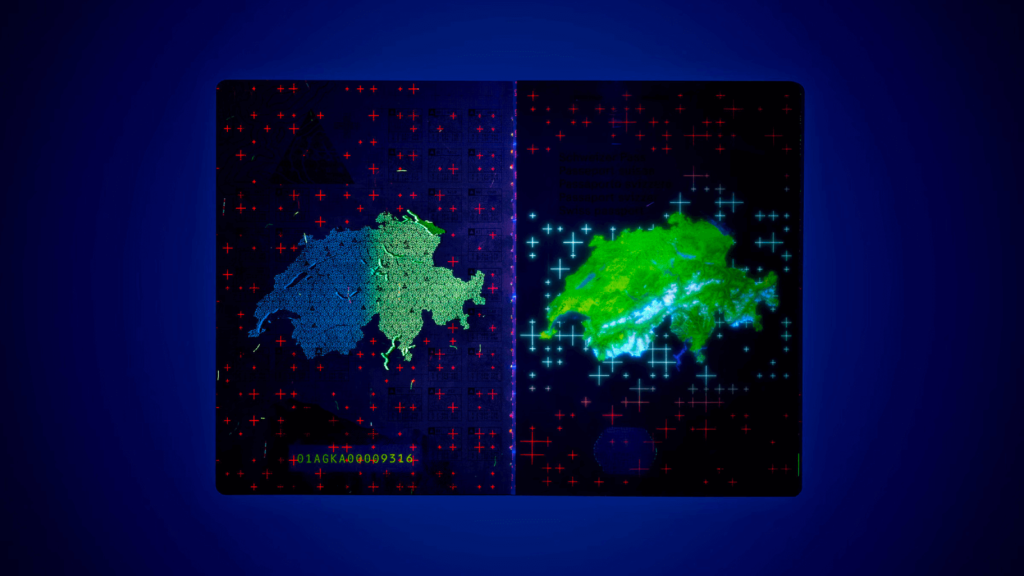
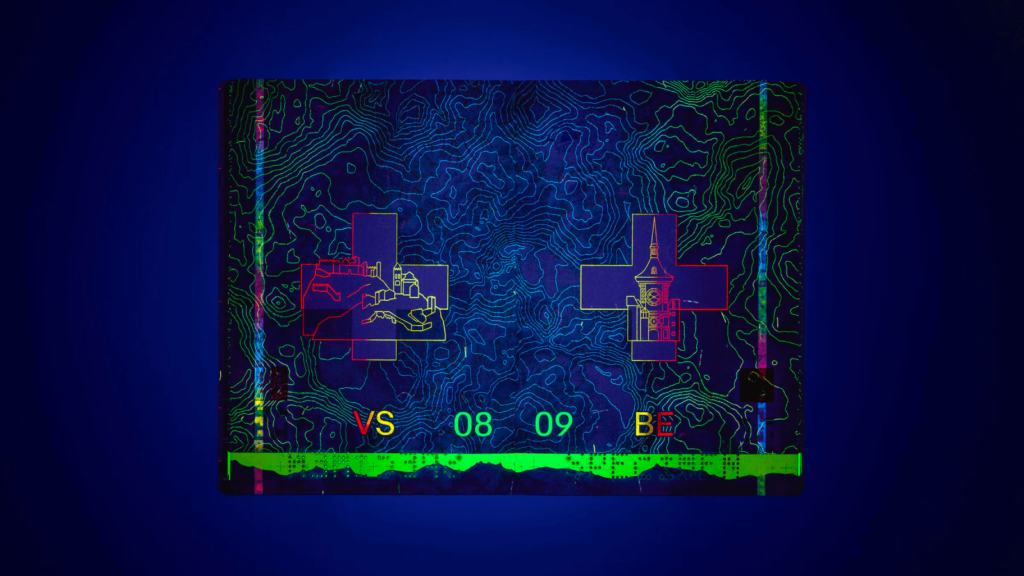
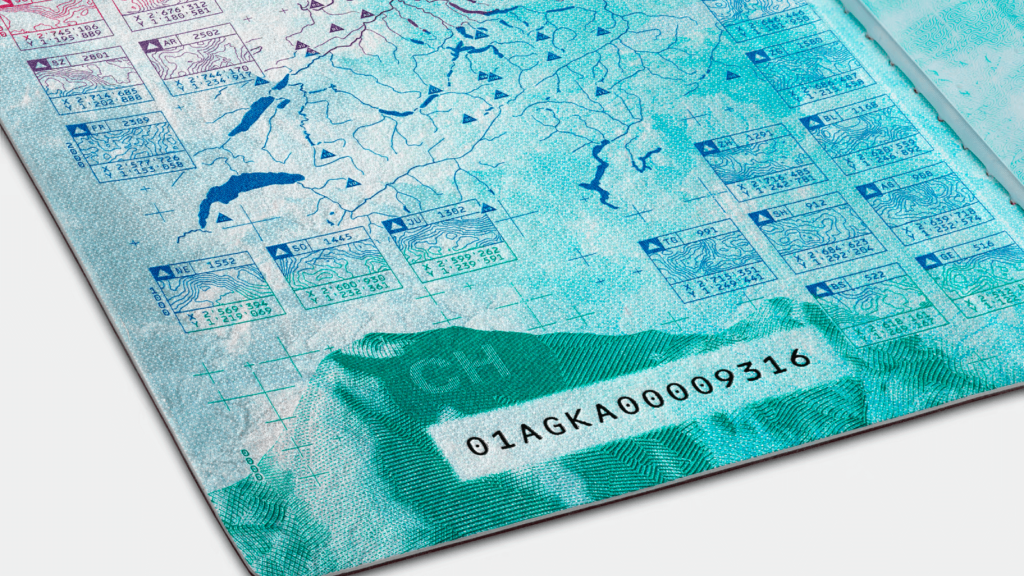
The inside cover of the passport features a map of Switzerland centered on water, and each page features contour lines and architectural landmarks that are illuminated under ultraviolet light. A watermark featuring a 3D representation of a traditional Swiss mineral, quartz, has also been added.
RETINAA explained that they wanted this design to be more than just an identity document, but a symbolic piece of Swiss identity and an element that represents Switzerland on the international stage. Co-founder Carl Gilhon said that for this project, they studied Renaissance Alpine engravings, 18th-century landscapes, mineralogical data, and collaborated with the Swiss Federal Office for Geographic Information (swissstopo) to utilize precise topographic data. They also drew inspiration from the work of renowned Swiss cartographer Eduard Imhof when completing the design.