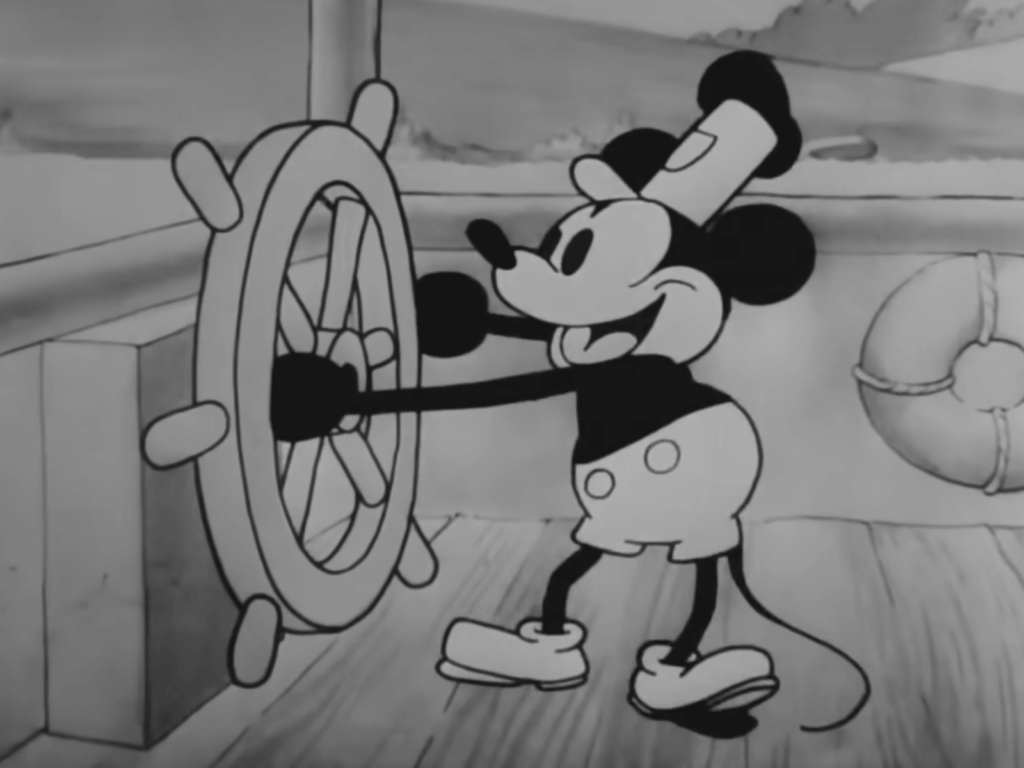
On January 1, 2024, Mickey Mouse and Minnie Mouse will now be available for free. For the first time in nearly 100 years, Mickey Mouse is a freely available public work. Public domain refers to a work for which the copyright has expired or the copyright holder has given up the copyright, and anyone can use the work without the permission of the copyright holder.
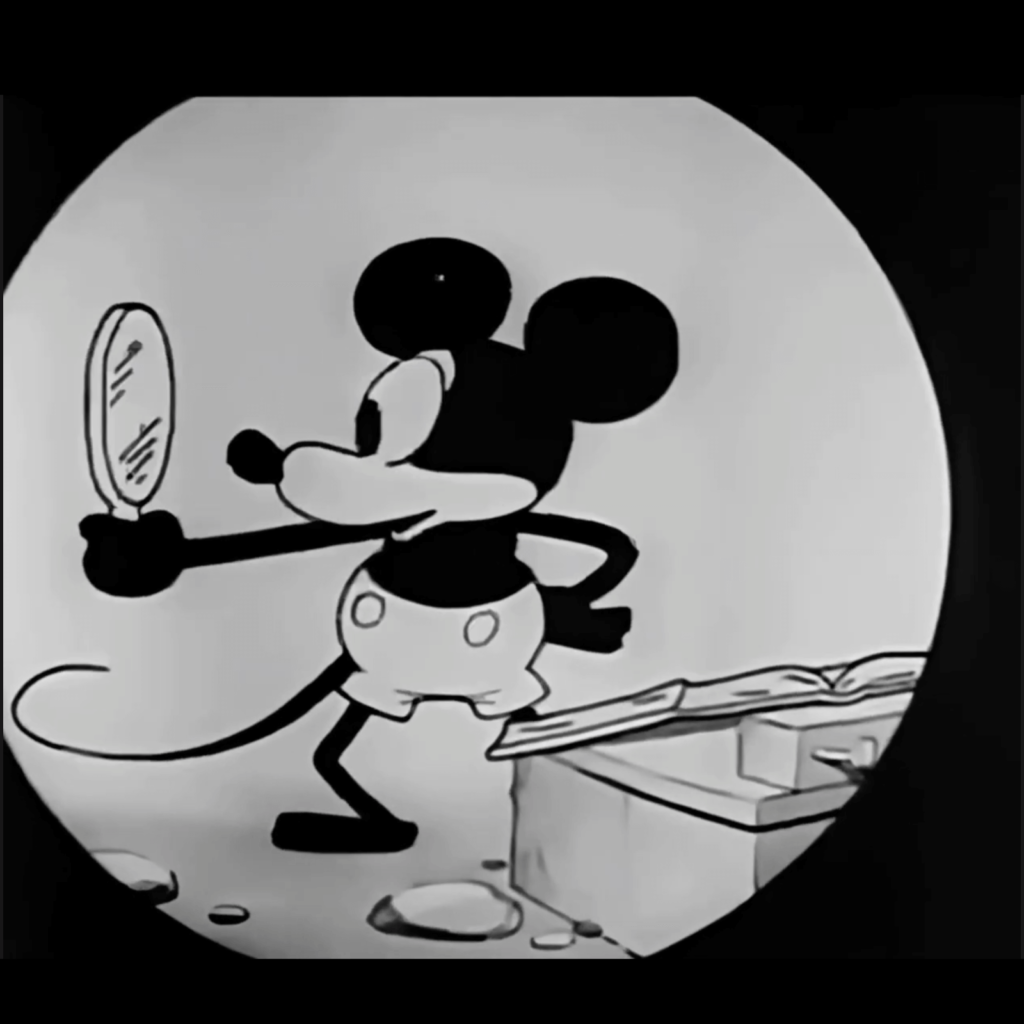
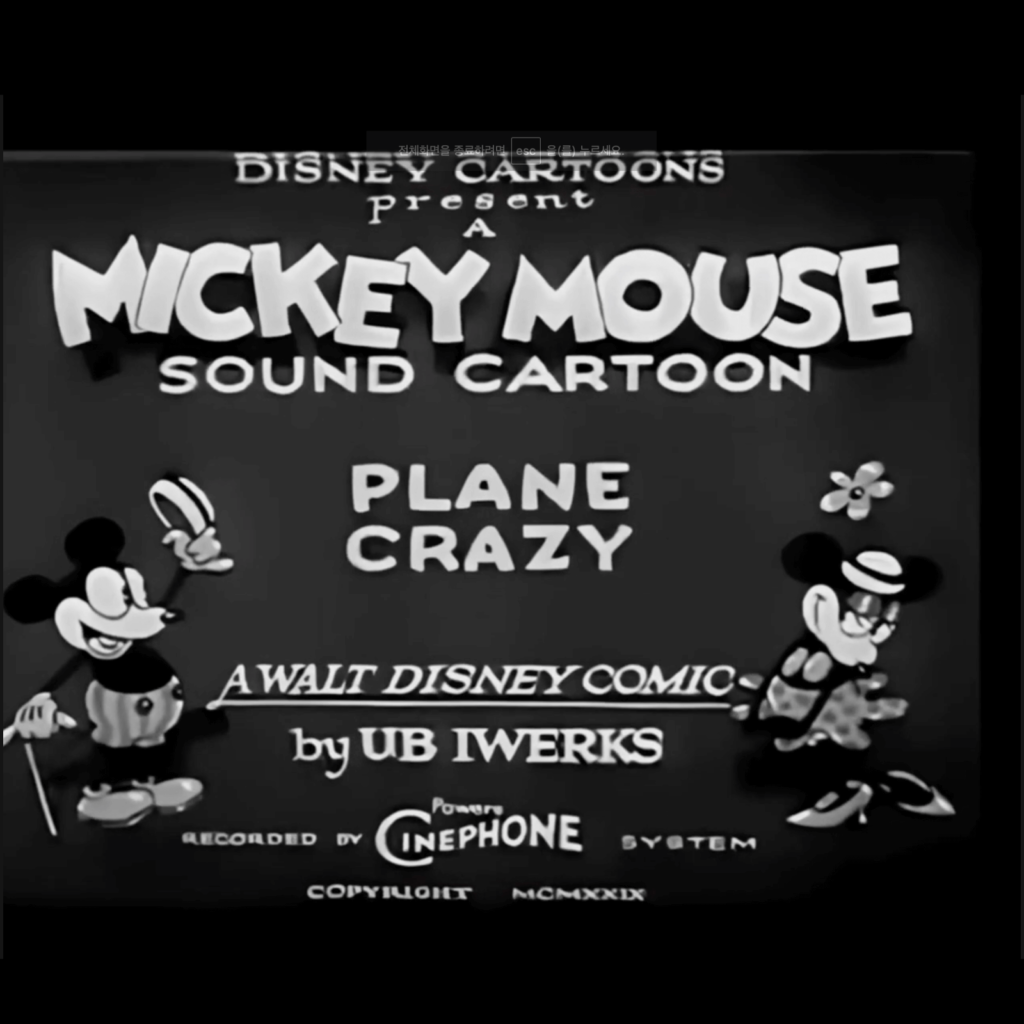
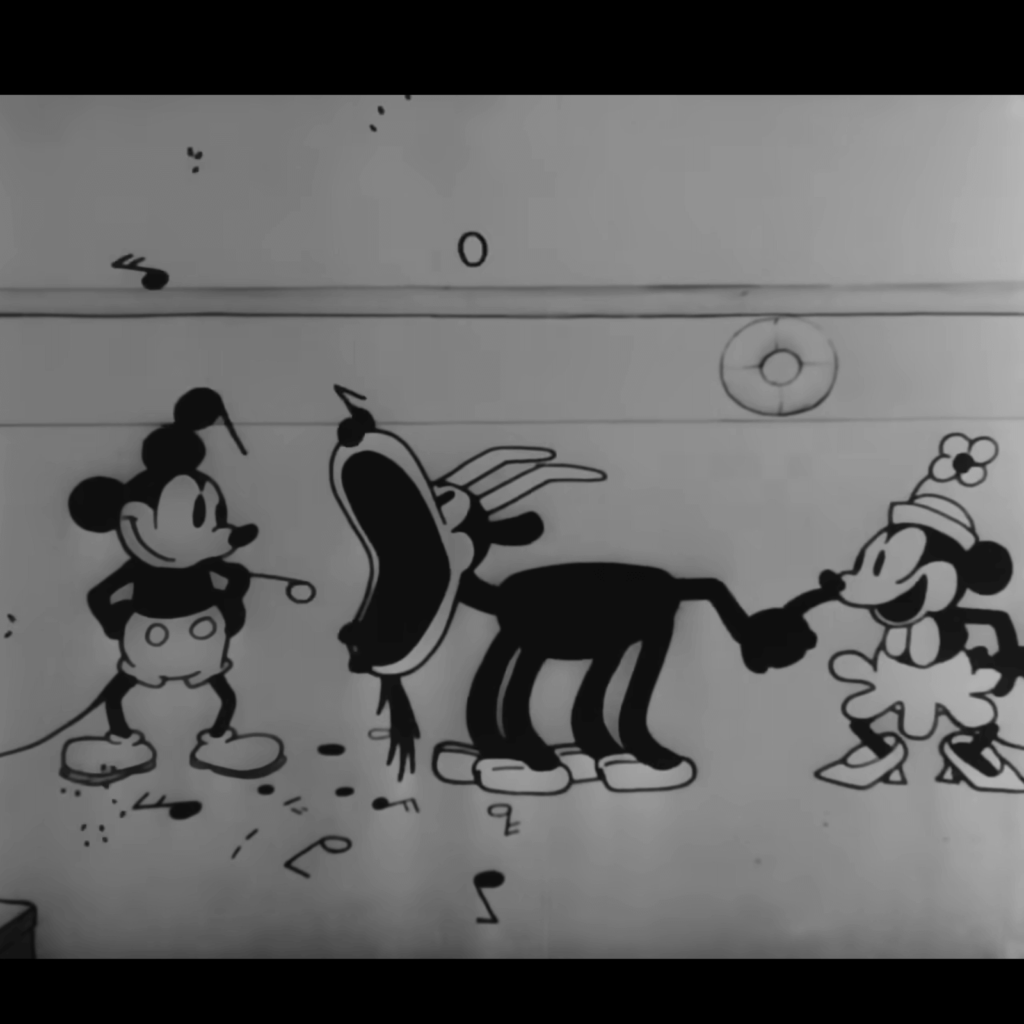
However, not all Mickey Mouse designs are available. Mickey Mouse and Minnie Mouse from 'Steamboat Willie' and 'Plane Crazy' produced in 1928 are available. Later designs, such as the 1940 Fantasia's The Sorcerer's Apprentice Mickey Mouse, cannot be used.

As Disney is famous for its copyrights, it has been extending its copyrights by lobbying Congress for decades. The copyright protection period was extended from 50 years to 70 years.
Because Mickey Mouse is associated with storytelling and is used as a mascot for the Walt Disney Company, other companies cannot use it in a way that could mislead people. Many experts predict that Disney will sue as soon as they feel it is damaging their brand.


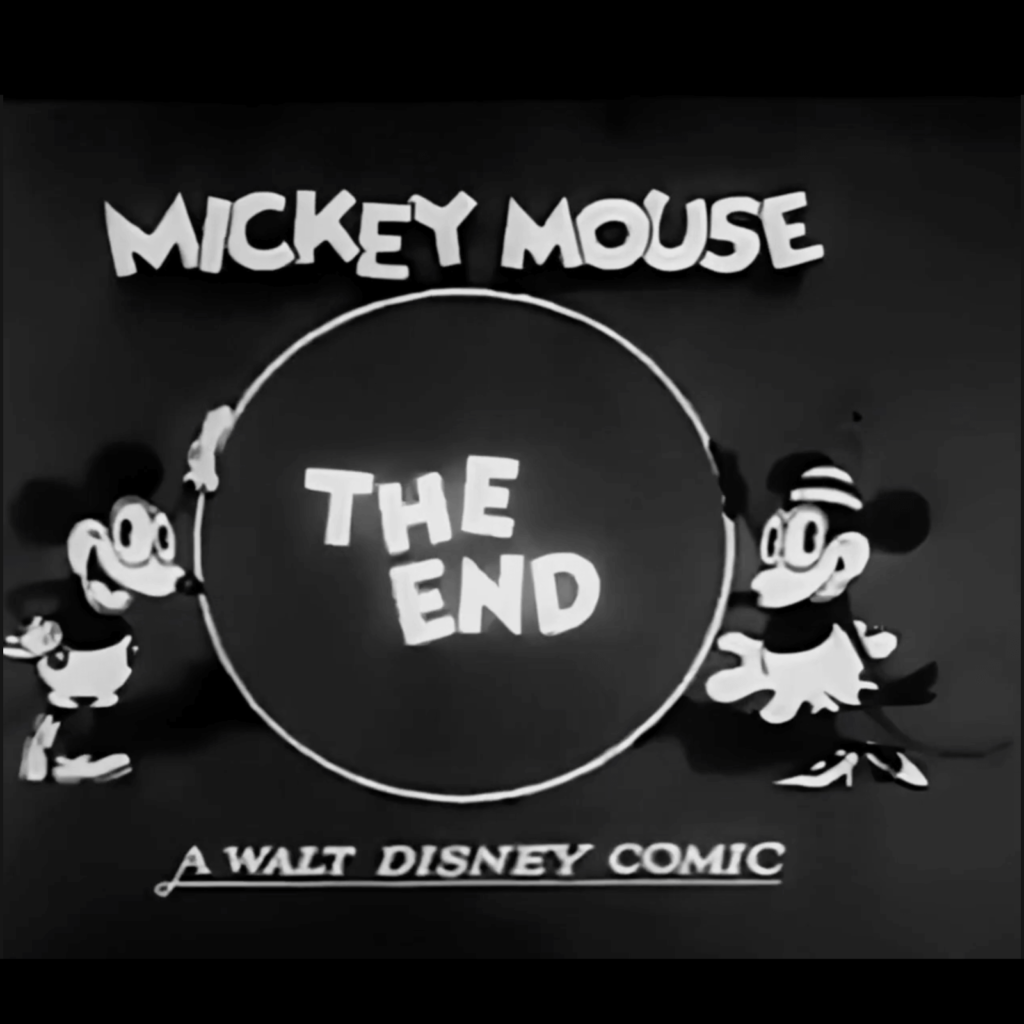
It is not easy to restrict design rights, so how far should such invisible, intangible assets be protected? That's what I thought.
A similar example to Mickey Mouse is Winnie the Pooh. As soon as Winnie the Pooh's copyright expired, it was made into a horror film. Pooh and Piglet, who lovingly talk about happiness, became a hot topic by being portrayed as evil criminals committing crimes.
Without protection for visual representations of intangible identities, such as brand design, it would be difficult for brand equity to develop. Even if I work hard to create it, if others take it and start using it, the image will start to be consumed and unwanted impressions will continue to accumulate.
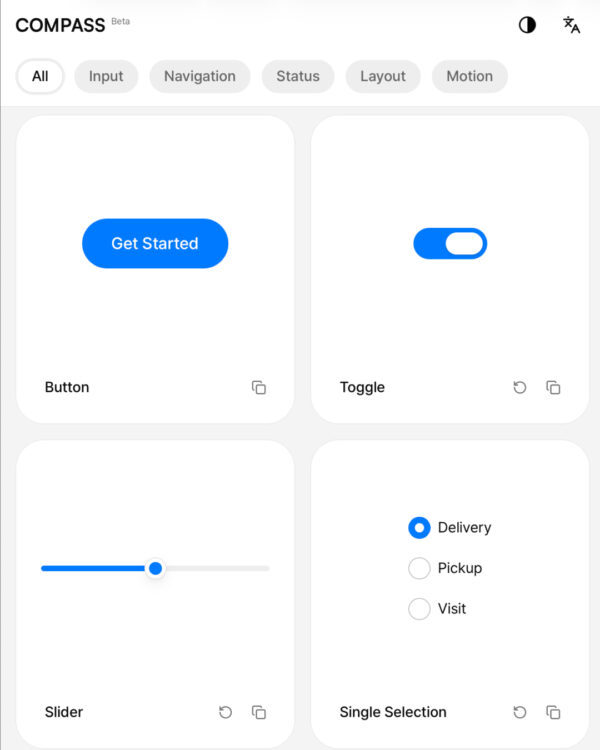
On the other hand, it seems that UI, such as how to use tools, would have been difficult to develop if patent regulations were severe. It would have been difficult for mobile interfaces to develop so easily if we had not exchanged ideas to provide people with a universally better experience. It's hard to imagine if someone had made it so that no one could use the concept of 'going back'.