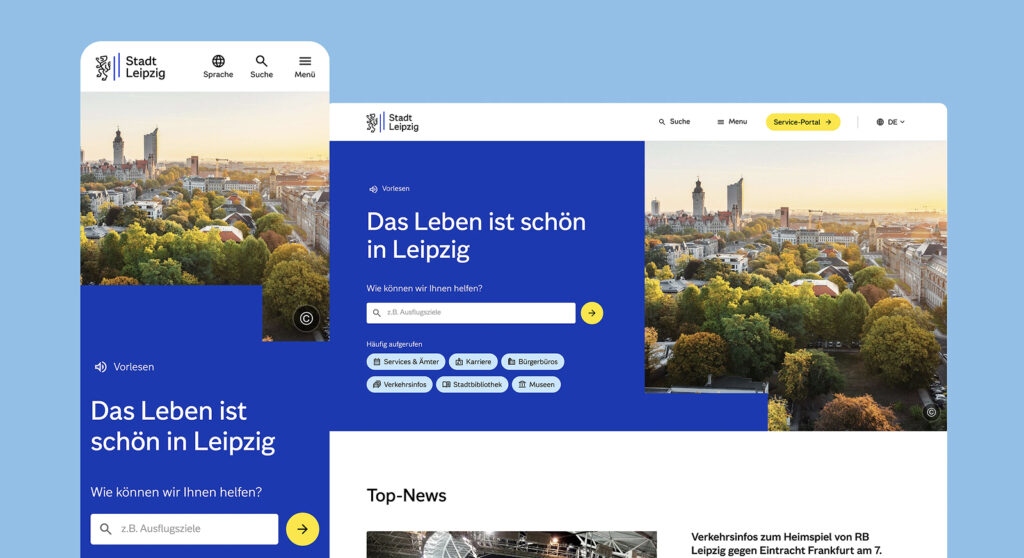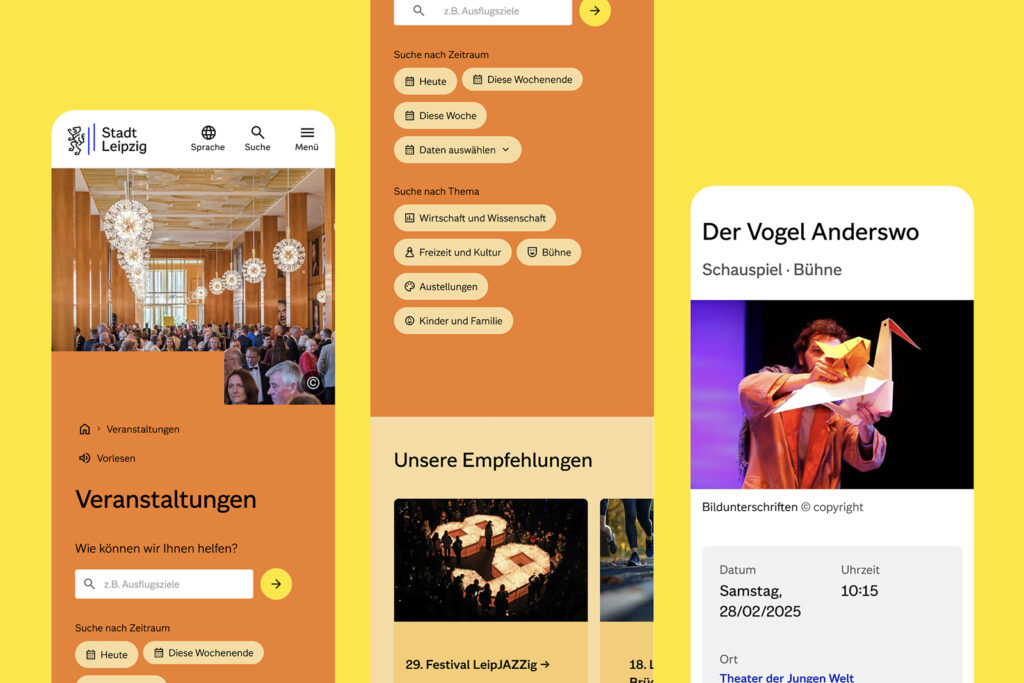
Leipzig has established a new identity to accelerate its digital transformation. The rapidly growing city has simultaneously redesigned its brand and citizen portal to better connect with citizens and navigate public services. This project translating the city's strategy into a visual language focused on accessibility, clarity, and scalability.
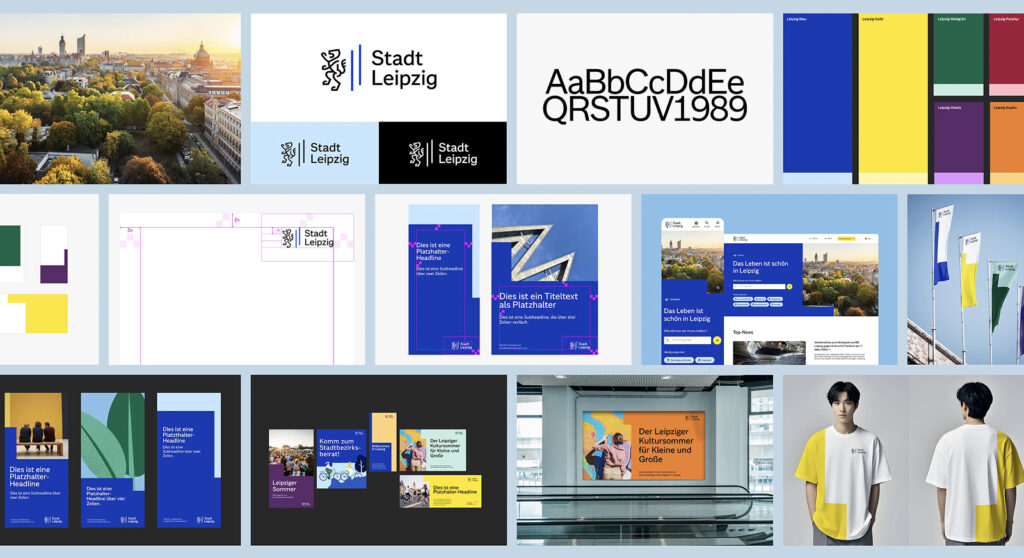
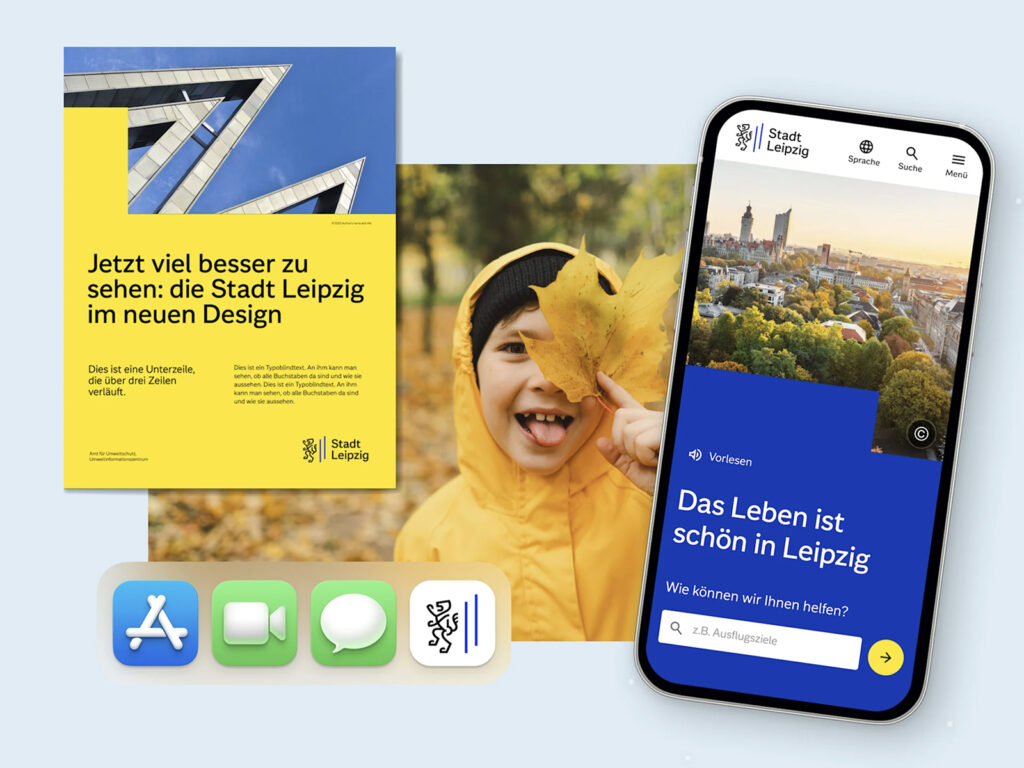
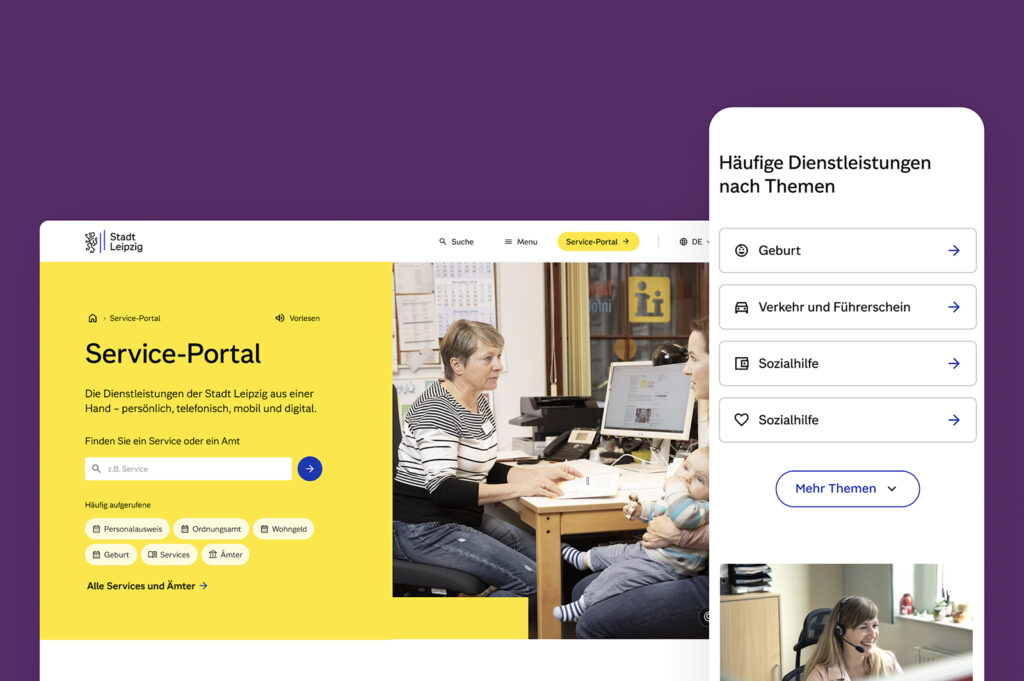
The existing Leipzig.de system, with its complex structure accumulated over many years, made it difficult for citizens to find the services they needed. To address this, Edenspeakermann redesigned the citizen portal from the ground up, creating a new digitally-based city brand. Understanding that people think in terms of topics rather than administrative structures, the information structure was reorganized to focus on topic-based navigation and a powerful search function was introduced to improve accessibility. The new portal simultaneously functions as a provider of administrative services and a platform for sharing city news and event information.
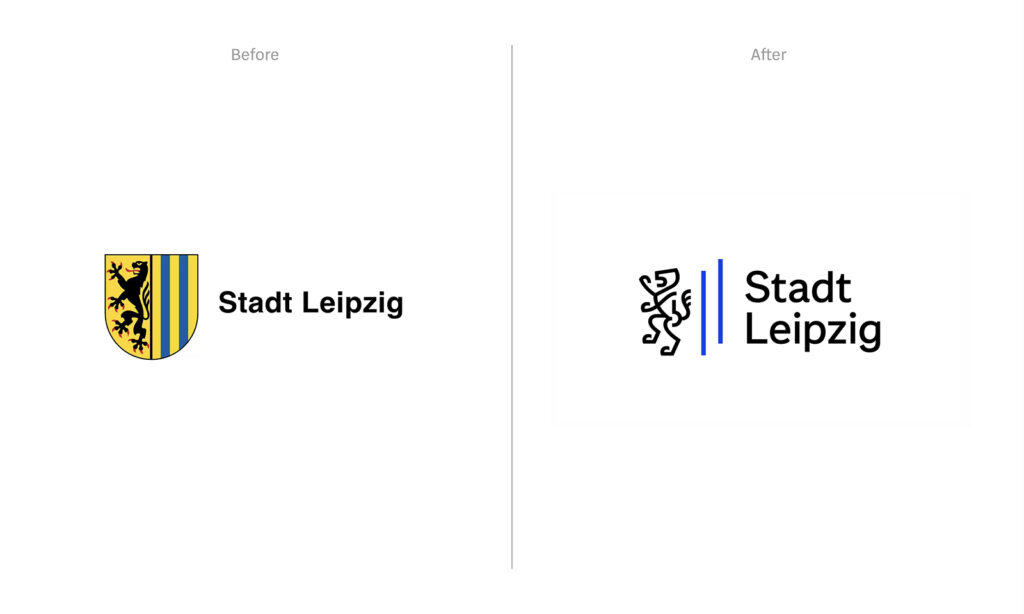
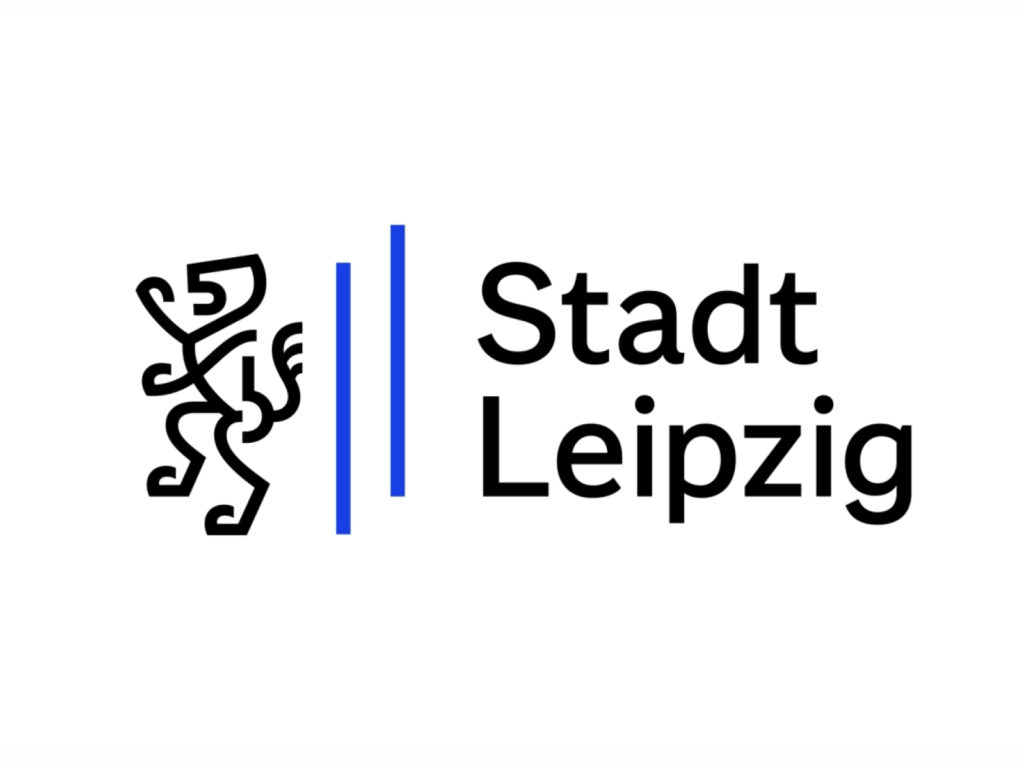
The brand design was also built on the city's future strategy. The Meissen Lion and Landsberg Column, traditional symbols of the city's coat of arms, were reinterpreted in a contemporary way to create a new brand mark.
Historical coats of arms are important symbols of a city's roots. The old Wettin coat of arms, first appearing in 1240, depicts a lion standing on a gold background. Leipzig adopted this lion as its emblem in the early 14th century, and by 1475, it had evolved into the current split shield design. On the left is the Meissen Lion, while on the right is a blue bar on a gold background, known as the Landsberg Bar, another Wettin symbol. The combination of these two family crests is the origin of the Leipzig coat of arms, which remains today. In the 17th century, a folk tale arose of the lion turning around at one point, and coins sometimes feature the lion facing the opposite direction.
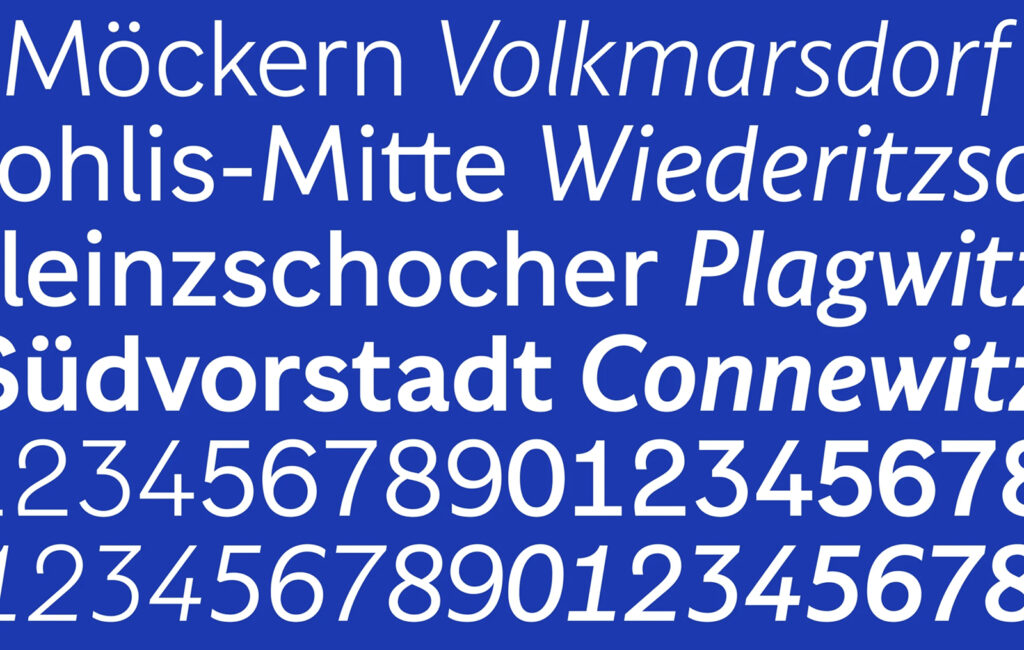
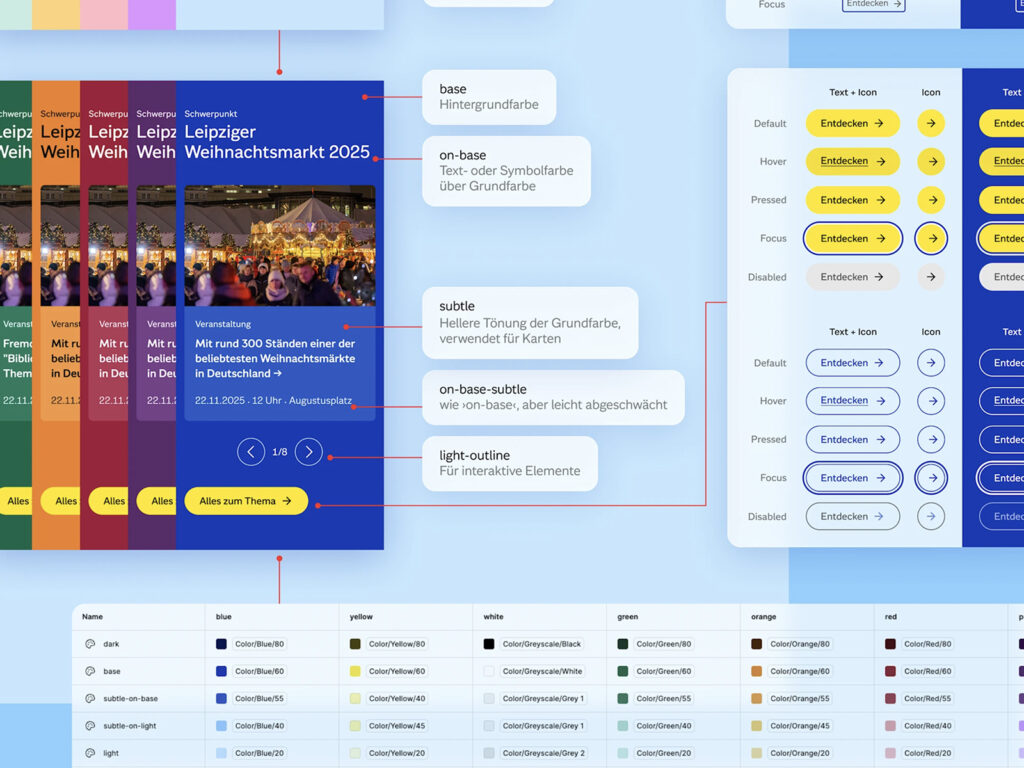
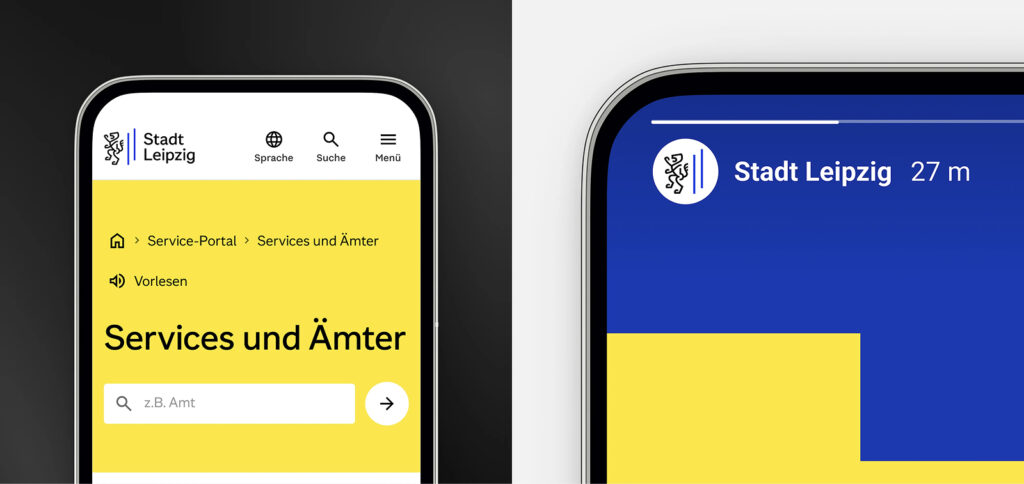
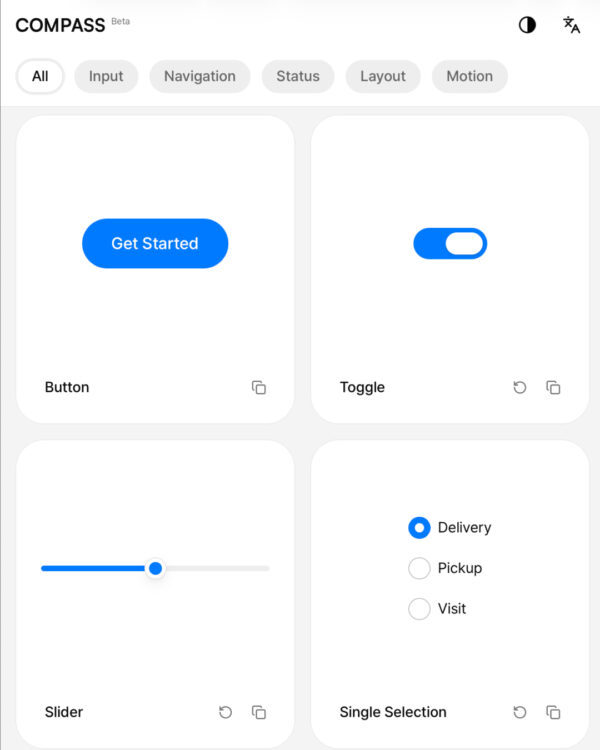
To provide a unified image across the administration and public institutions, we developed a proprietary font and produced various formats. This was also an economical choice, ensuring that approximately 9,000 employees could use a font of stable quality over the long term. By providing comprehensive tools, including templates, UI kits, and motion guides, brand consistency was established throughout the organization.