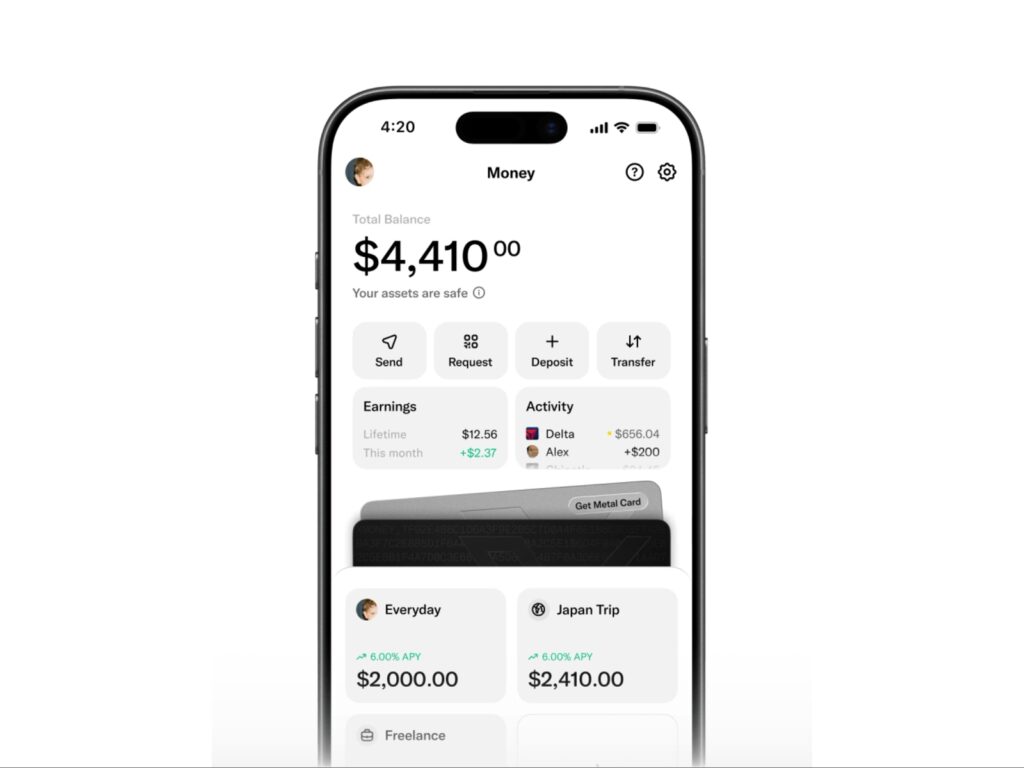
X has launched its digital financial service, 'X Money,' in the United States. The service, which was previously operated as an invitation-only beta, has been expanded to X Premium and Premium+ subscribers and is currently being rolled out sequentially to select users aged 18 and older in the U.S. The launch schedule for other countries, including Korea, has not been disclosed.
X Money is designed to handle digital wallets, person-to-person transfers, account transfers, and bill payments within the X app. It also supports automatic deposits that allow you to receive your salary up to two days early, as well as wire transfers and check issuance features. There are no fees or limits for transfers between X users, and it provides passkeys, transaction limit settings, and privacy protection features as security measures.
Users can apply for a metal Visa debit card engraved with their X username. The X card can be used at Visa merchants, has no foreign transaction fees, and refunds ATM usage fees worldwide. It offers 31 TP cashback on eligible payments and can also be added to Apple Wallet.
Deposits are eligible for a maximum annual return of 61 TP3T. Premium+ users are eligible for the 61 TP3T APY, and Premium users must meet certain conditions for automatic salary deposits to receive the same rate. Deposits are distributed across Cross River Bank and partner financial institutions, and FDIC deposit insurance of up to $10 million is available through the Cash Sweep program upon meeting conditions. X Payments itself is not a bank or an FDIC-subsidized institution.
The launch of X Money embodies X's 'Everything App' strategy, which aims to combine financial account and payment experiences within a social feed. It creates a user flow distinct from existing financial apps, as user relationships—which began with content discovery and interaction with creators—lead directly to money transfers and payments. However, given that social activities and financial information are consolidated on a single platform, privacy protection and fraud prevention systems are considered key challenges for service expansion.
More and Sources