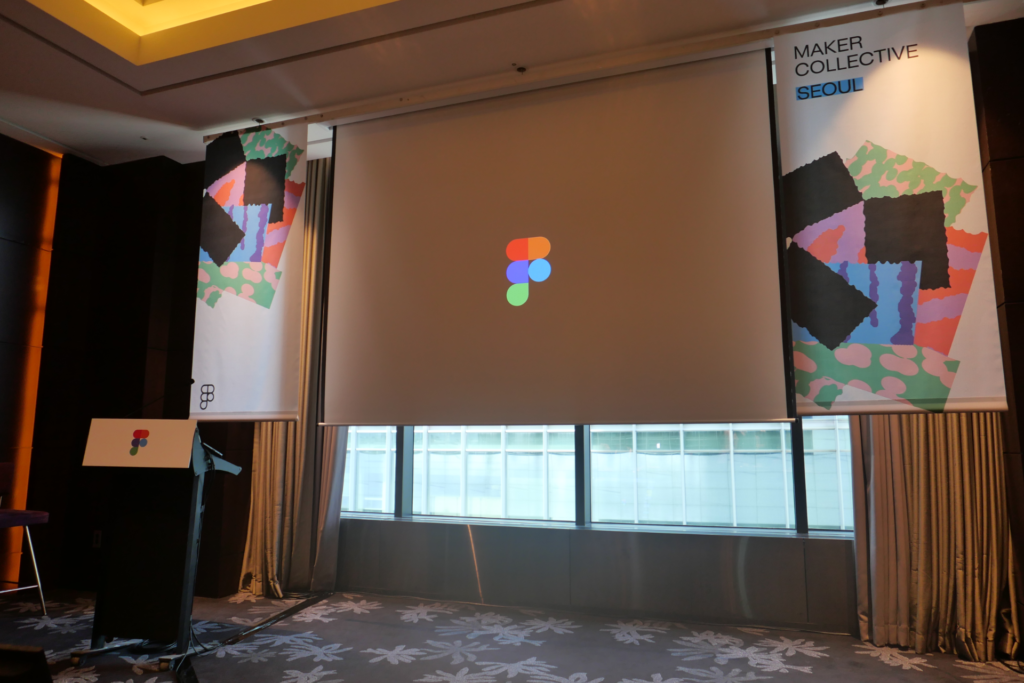
Figma has unveiled 'Intelligent Canvas,' a new workspace for digital product creation. This update focuses on expanding the existing Multiplayer Canvas into a full-stack creative space where design, code, motion, and AI agents work together.
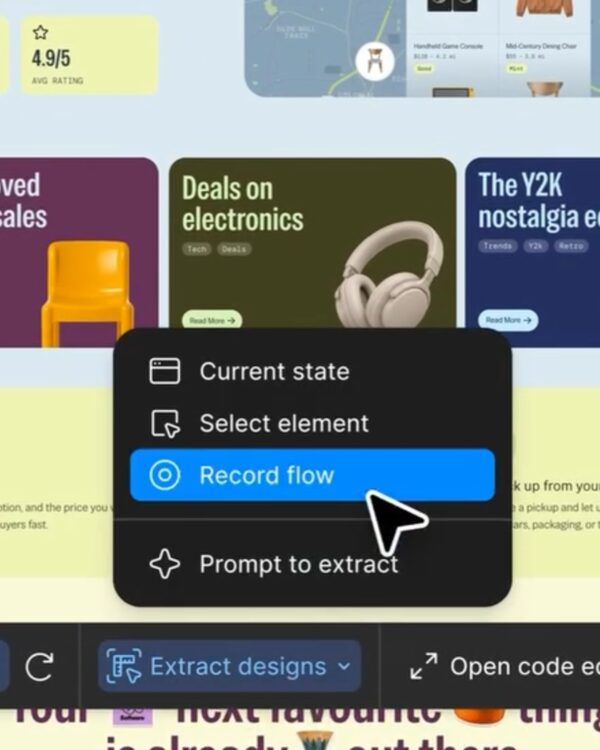
The newly added Code Layers convert code-based flows into editable design layers within the Figma canvas and support synchronizing changes back to the code. The Motion feature allows you to design animations, screen transitions, and 3D transformation effects on the canvas, while Shaders enable the creation of WebGPU-based visual effects such as dithering, pixelation, and blurring using AI prompts.
Figma Weave workflows are also integrated. It supports the creation of high-quality visuals through over 20 Weave tools, and provides the ability to convert iterative tasks into AI agent skills or create custom plugins using natural language prompts.
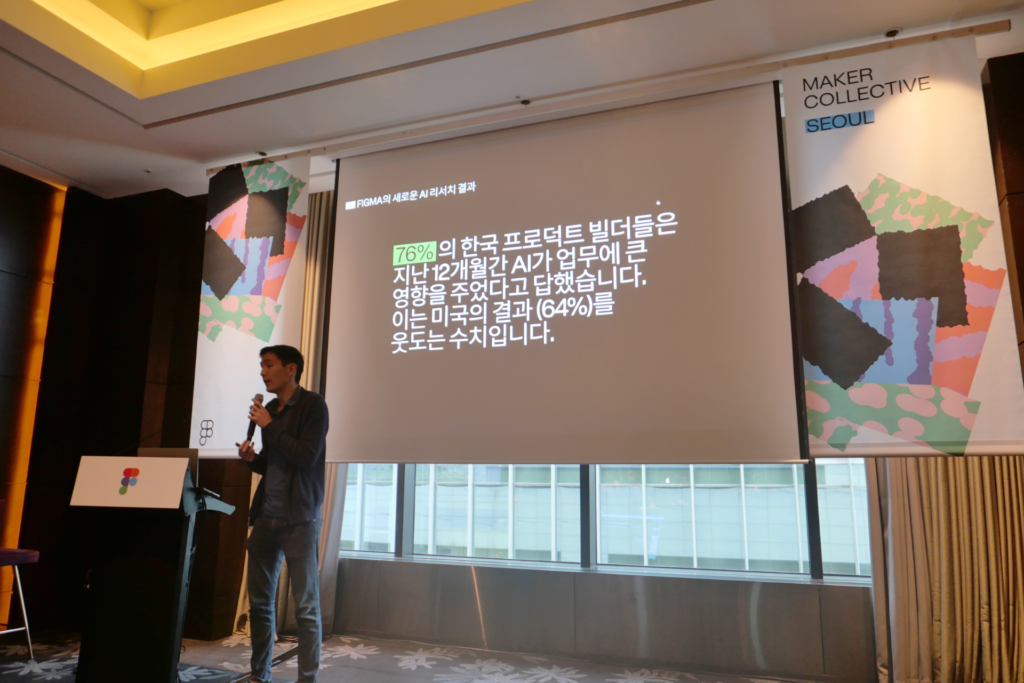
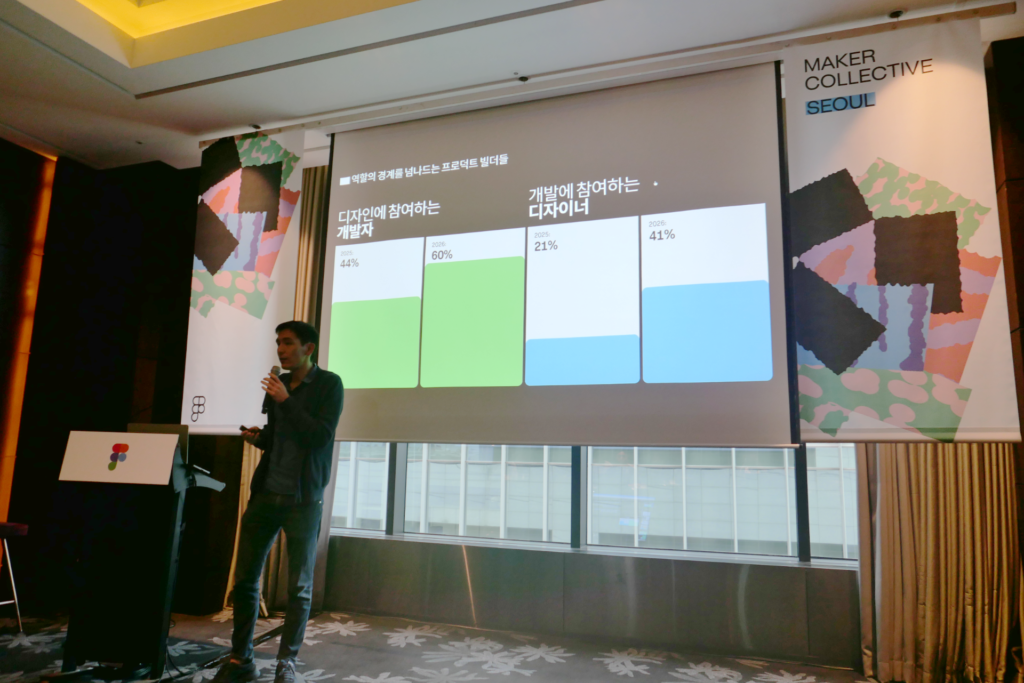
According to the 2026 AI Report released by Figma, 761 TP3T of Korean product developers responded that AI has had a significant impact on their work over the past 12 months. Additionally, 481 TP3T of Korean respondents stated that AI has brought significant or innovative changes to the way they collaborate.
This update demonstrates that product development in the AI era is moving beyond faster production to a direction where diverse roles and tools collaborate on a single canvas. The new features will be rolled out sequentially over the next few weeks.