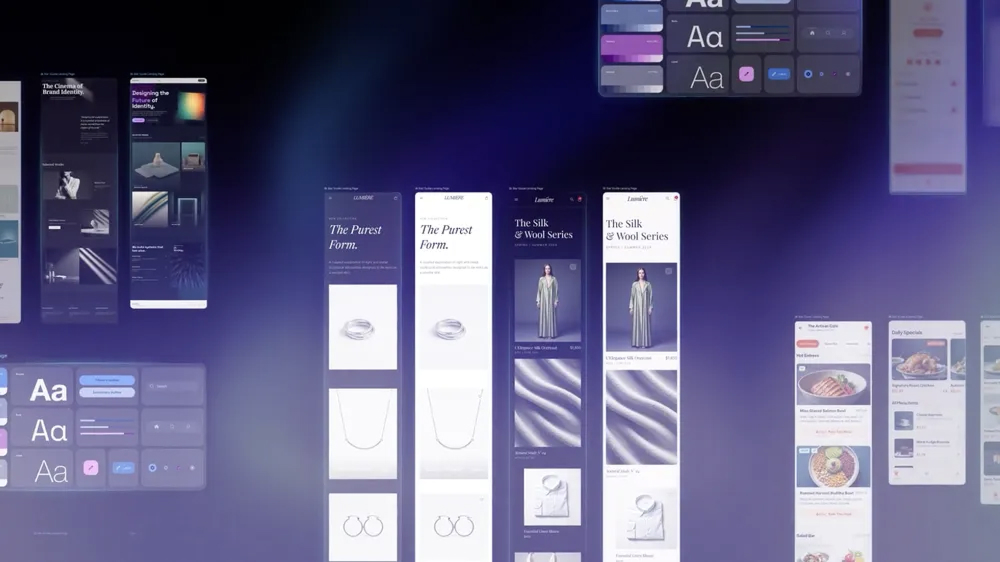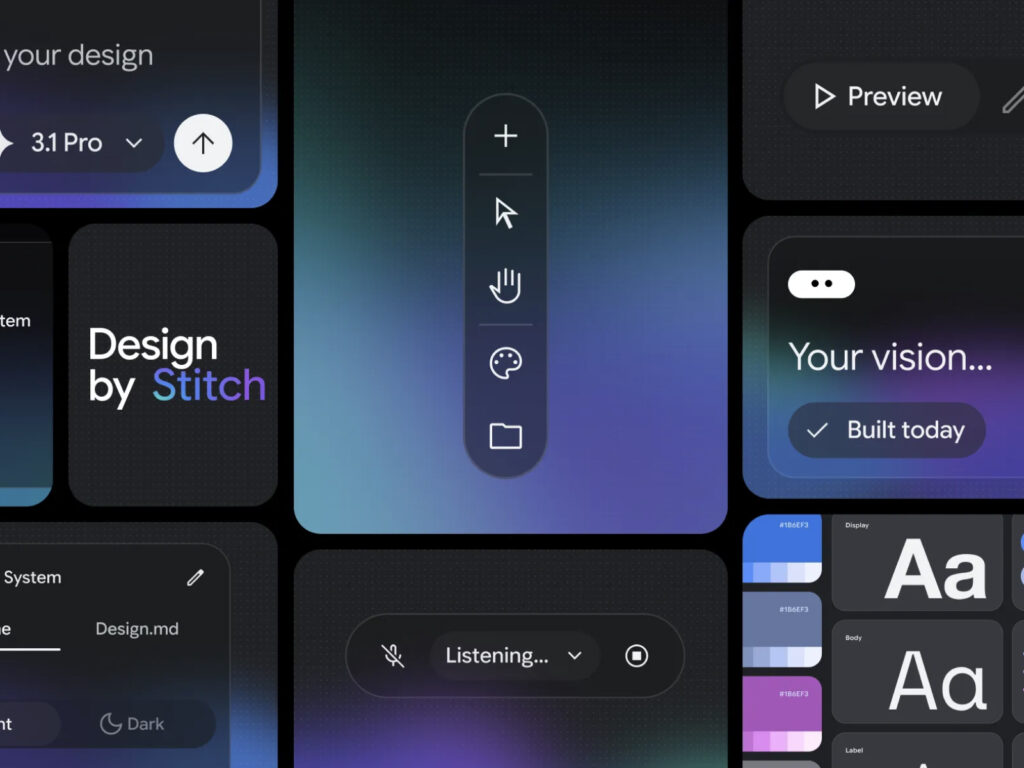
Google has expanded its experimental service Stitch into an AI-driven software design canvas. Stitch is a tool designed to enable the creation, modification, and collaboration of high-resolution UIs using only natural language. In an announcement on March 18, Google stated that it would evolve Stitch beyond a simple design generator into an integrated workspace that spans from idea generation to prototype creation.
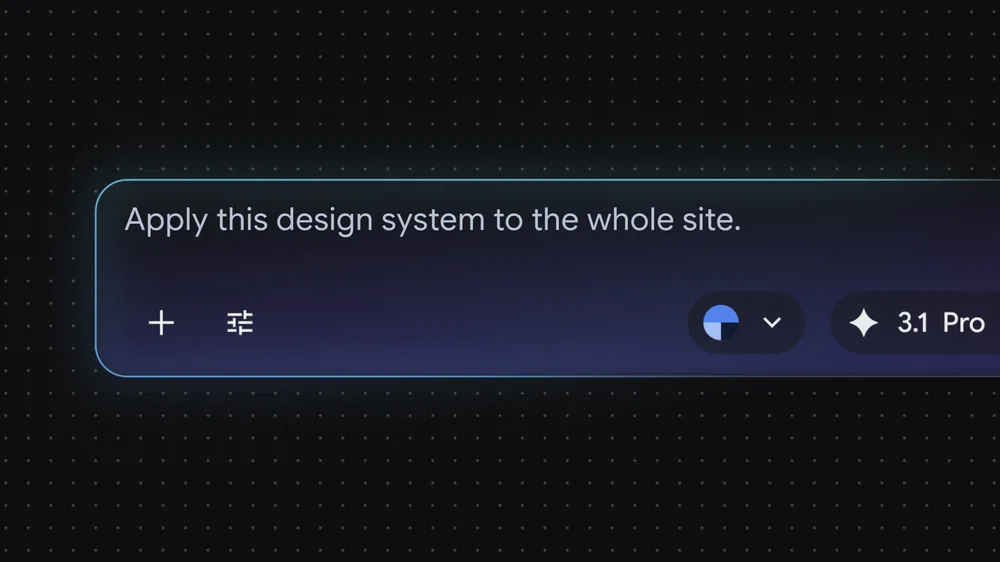
The core of this change is what Google calls "Vibe Design." Instead of drawing wireframes first, users can explain their business goals. They can describe the emotions they want to evoke in users or present reference examples. Based on this context, AI rapidly suggests various UI directions. Google explained that this allows for the exploration of more ideas in a short amount of time and improves the quality of the final product.
Stitch's interface has also been completely revamped. The new version operates based on an infinite canvas. You can work with text, images, and code all in one space, allowing for a natural flow from initial conception to actual prototypes. A new design agent has been integrated into this. This agent understands changes throughout the project and maintains the work context. An agent manager has also been introduced to help you experiment with multiple ideas simultaneously.
The design system functionality has also been enhanced. Users can extract the design system from a specific URL and export or import rules using a new Markdown file called DESIGN.md. This allows rules to be shared with other design or coding tools and reduces the need to rebuild from scratch every time a new project is started.
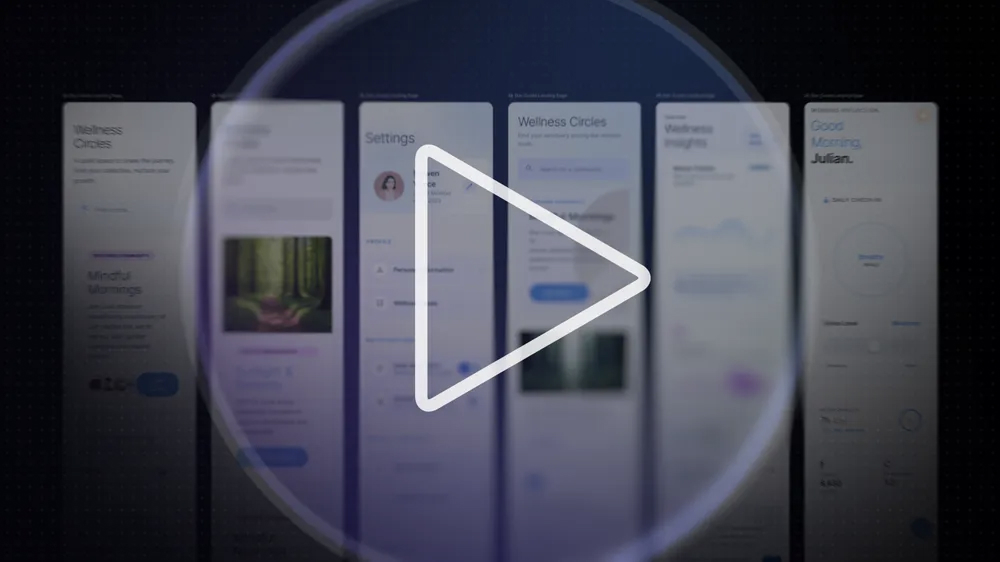
Prototyping speed was also presented as a strength of Stitch. Static screens can be instantly converted into interactive prototypes, and the flow can be checked by quickly connecting multiple screens and using a play button. It also supports a feature that automatically generates the next screen based on click actions. Users can rapidly validate the entire user journey, refine details, or modify the entire flow at once.
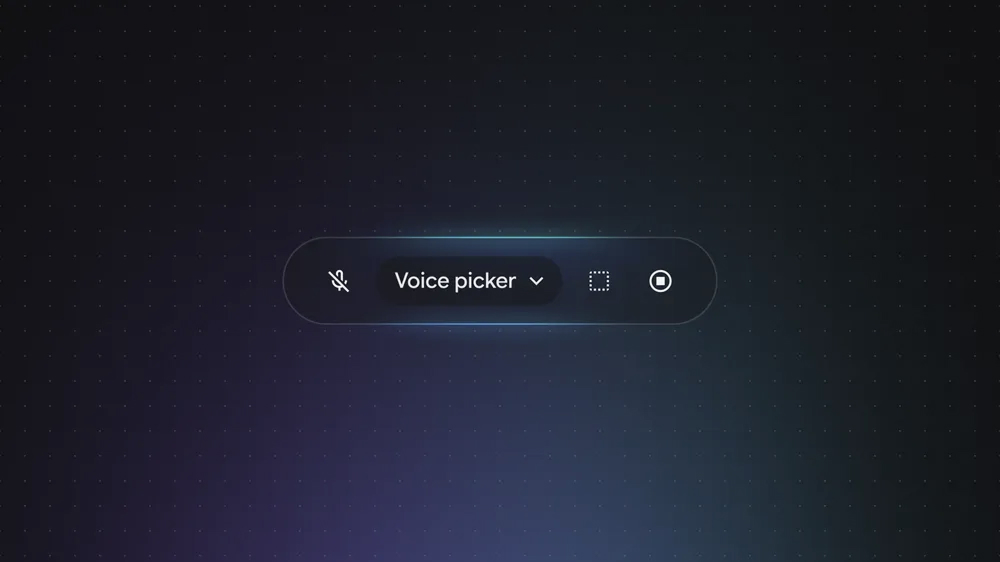
Google has also newly added voice-based collaboration. When users speak directly to the canvas, the AI provides real-time design feedback, collaborates on conceptualizing new landing pages, and instantly suggests menu options or color schemes. Furthermore, it has provided features to connect with external tools via the MCP server and SDK, as well as export to development tools like AI Studio. Stitch is now aiming to establish itself as an AI-native design platform that encompasses not only designers but also entrepreneurs and development teams.