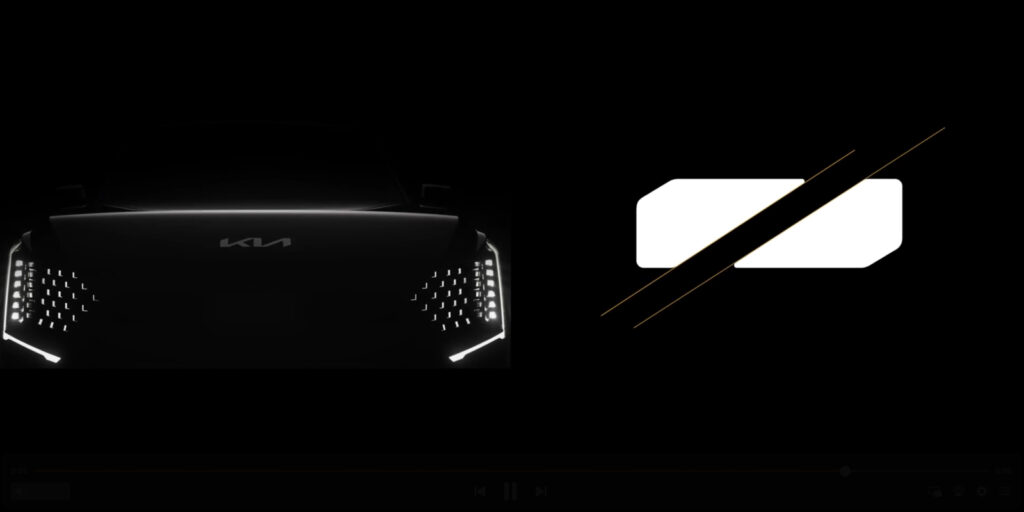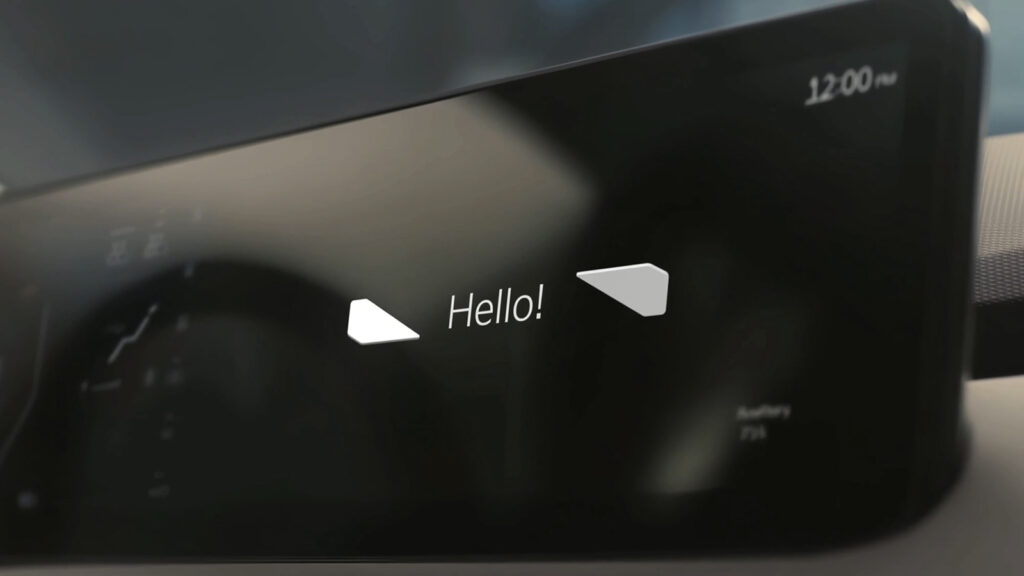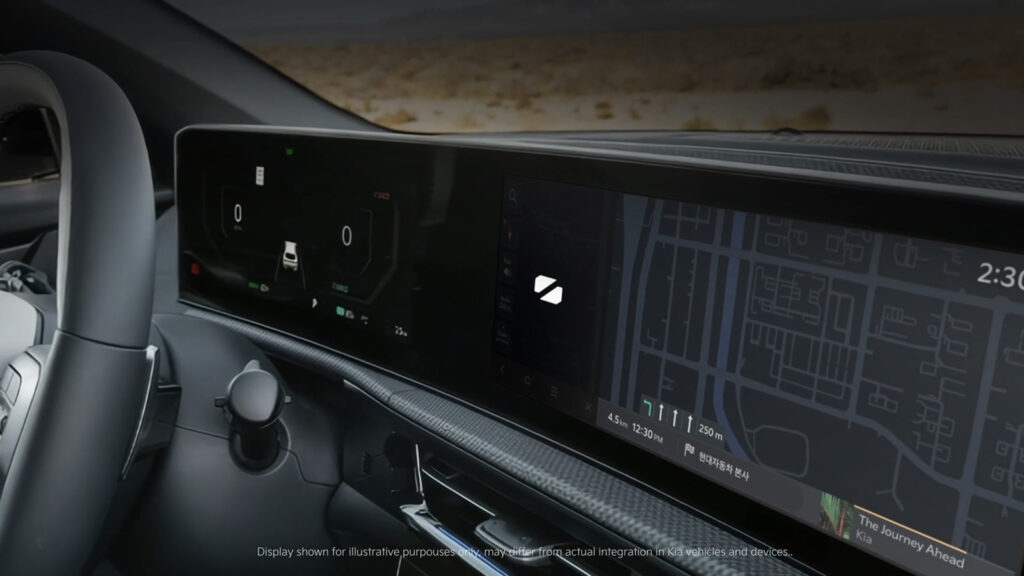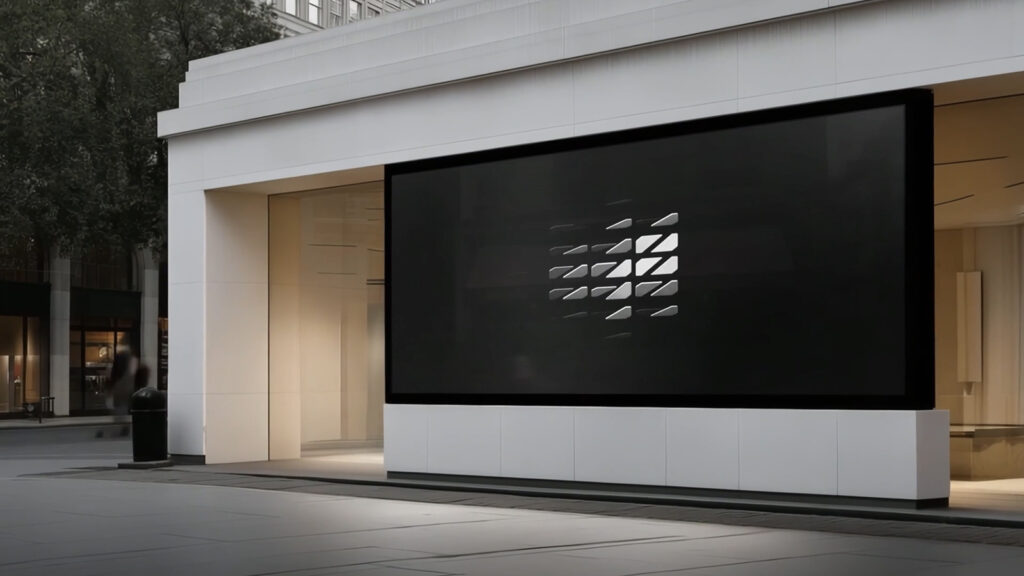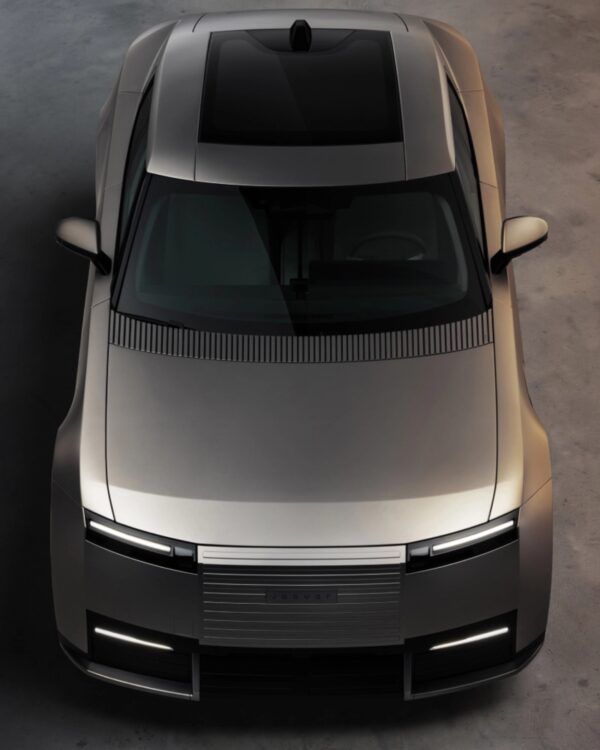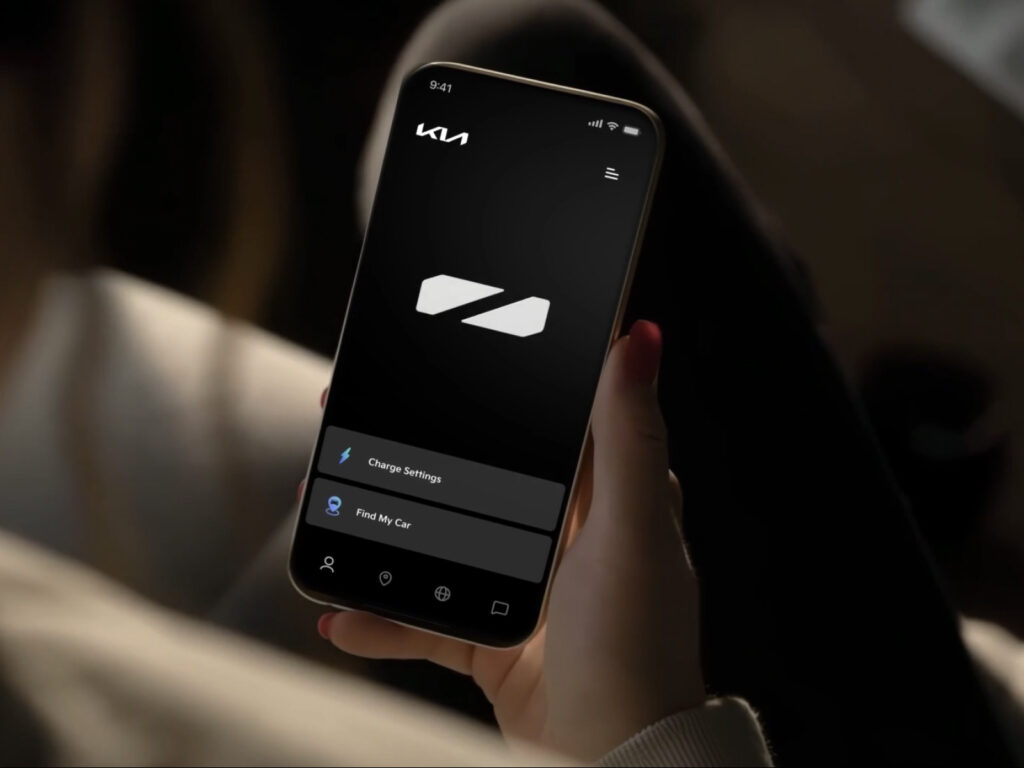
Kia has unveiled a brand identity development project for its next-generation in-vehicle AI assistant, the Kia AI Assistant, scheduled for 2025. In a world where various AI assistants are emerging, the company aims to set a new standard for vehicle experience through a distinctive design language and clear functionality. This project was conducted in collaboration between the Kia brand team and design studio BUCK.
The development of this Assistant stems from Kia's comprehensive brand overhaul in 2021. At the time, Kia was undergoing a period of transition, reorganizing its logo and overall communications. This shift also necessitated a corresponding reorientation of the interfaces users most frequently encounter within the vehicle. The Assistant's form and visual language, as well as its role and position within the Kia ecosystem, were designed as an extension of this rebranding.
The design direction is based on Kia's philosophy of "Opposites United." This approach combines engineering precision with the organic nature of nature to embody the sensibility of future mobility. Through this approach, the focus is on reducing the coldness of technology and enhancing a more immersive experience that permeates people's daily lives.
The Kia AI Assistant was conceived as a system that extends beyond a fixed logo or screen layout, extending across all touchpoints. A framework was built to maintain a consistent identity across various channels, from outdoor advertising campaigns to apps, websites, and chatbots, while also allowing for flexible adaptation to each platform environment.
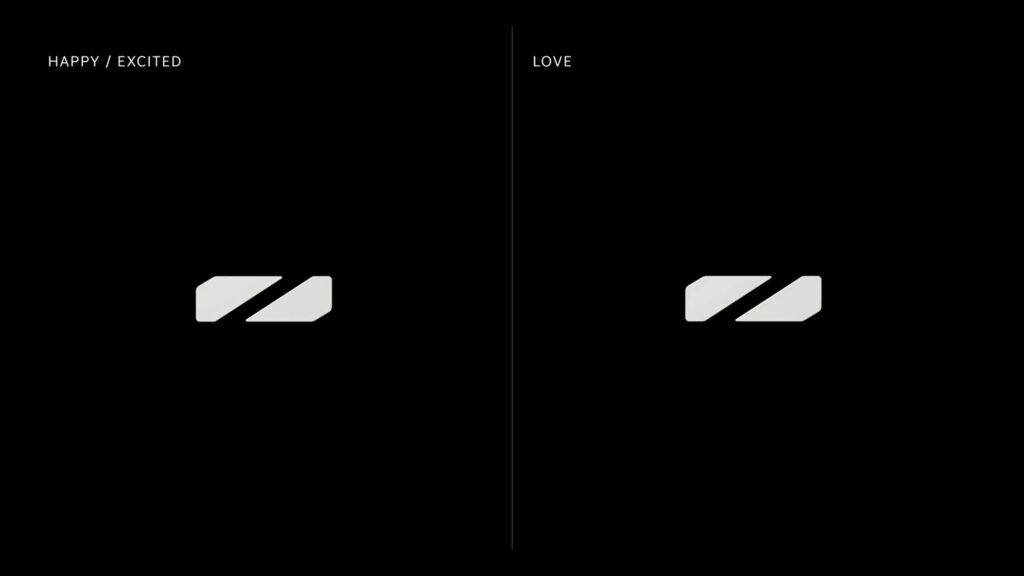
Motion design was also presented as a key element. Animation was introduced to create a natural sense of interaction through subtle gestures, responsive movements, and expressive timing. This was intended to add a layer of empathy and connection to the user's conversational experience.
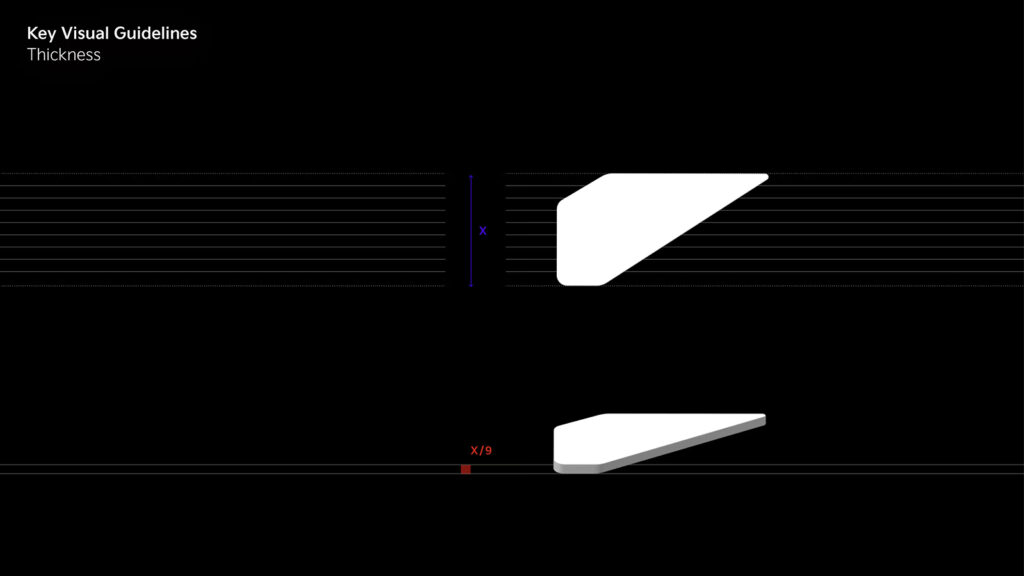
The project's outcome was a design playbook and guidelines that Kia's internal team could apply to consistent standards across global markets. The design was noted for its ability to accommodate diverse use cases and future expansion. The development process involved extensive exploration through numerous meetings and workshops, and experiments not incorporated into the final design also contributed to enhancing the quality of the results.