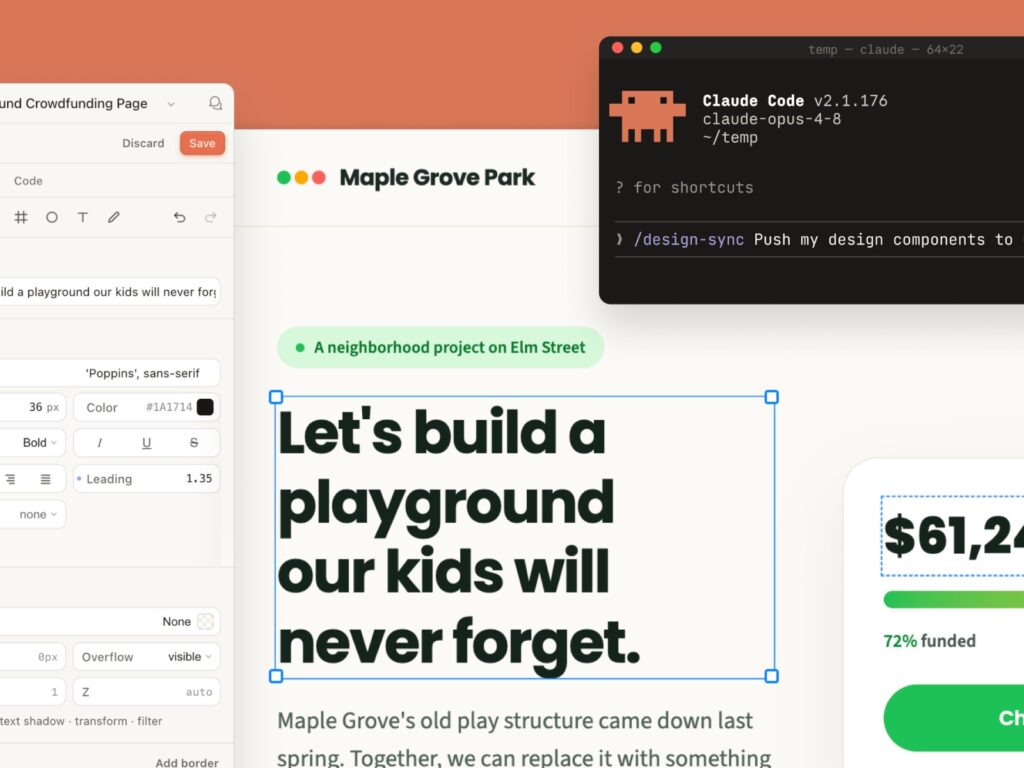
Anthropic has updated Claude Design. The key to this change is not simply creating prettier screens. It is about understanding the team's design system, connecting with actual code, and enabling designers to refine their deliverables directly on the canvas.
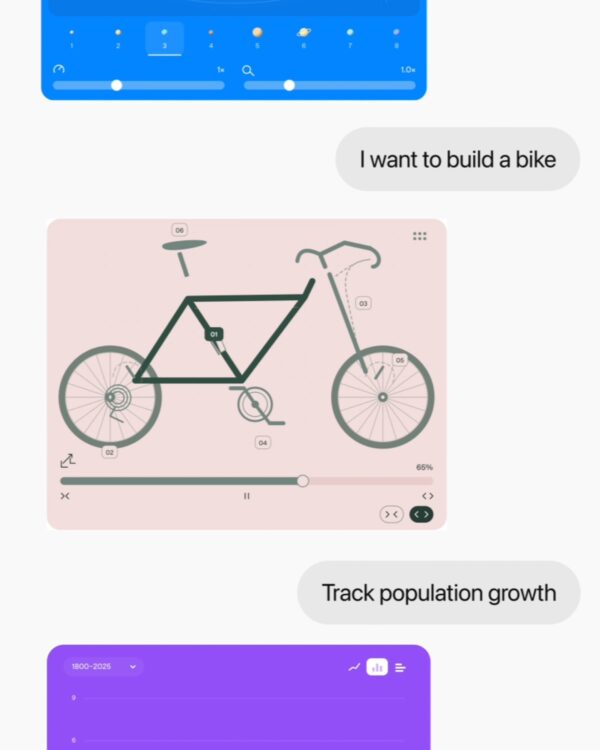
Claude Design is an experimental product from Anthropic Labs that was unveiled last April. It works by having users verbally describe the screens, prototypes, slides, marketing materials, and more they want to create, and Claude generates the visual results. While the initial version was closer to an “interactive design creation tool,” this update has become closer to a “tool that fits into a real-world design workflow.”.
The biggest change is the integration with design systems. Claude Design can now import one or more design systems from GitHub repositories, design files, and uploaded materials. Based on this, Claude creates deliverables that reflect color, typography, components, and layout rules. Rather than simply mimicking a similar atmosphere, the approach is to review and modify deliverables to align with the components and rules actually used by the team.
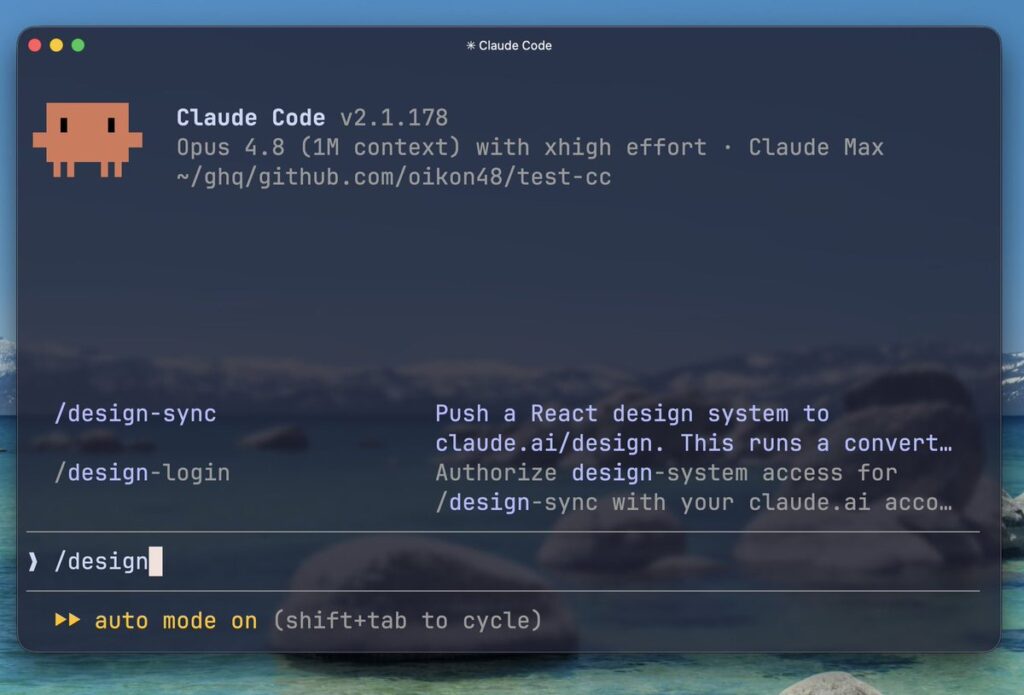
The connection with Claude Code has also been strengthened. /design-sync You can import existing design systems into Claude Design via commands and transfer completed designs to Claude Code to continue the actual implementation flow. Conversely, in Claude Code /design It is also possible to create or modify design projects using commands. This is an attempt to shift the handoff between design and development from an image capture or documentation-centric approach to a more connected workflow.
The editing experience has also been improved. The new editor allows you to directly drag, resize, and align elements on the canvas. While previous AI design tools remained at the level of “re-typing from a prompt and waiting for the result,” Claude Design is moving toward a direction that combines conversation and direct manipulation. This makes fine-tuning of spacing, alignment, and placement—important for designers—possible in a more realistic way.
Connections with external tools have also expanded. Claude Design supports PDF and PowerPoint exports and connects with various production, collaboration, and development tools such as Adobe, Canva, Gamma, Miro, Replit, Vercel, Wix, and Lovable. Rather than keeping Claude Design as a standalone design tool, Anthropic is expanding it into a hub that bridges the space between where ideas originate and where deliverables are completed.
More and Sources