
It was a time when I was itching to travel. It wasn't easy to go far, so I went on a domestic trip to Gwangju, a place I had been planning to visit for a long time.
Since we were traveling with a baby, we had a lot of luggage and things to pack. Before we left, I was worried that every moment would be difficult, but surprisingly, it was manageable. This was thanks to my child eating and sleeping well and staying quiet. Now that this trip is over, my desire to go on an overseas trip as soon as possible has grown even stronger.
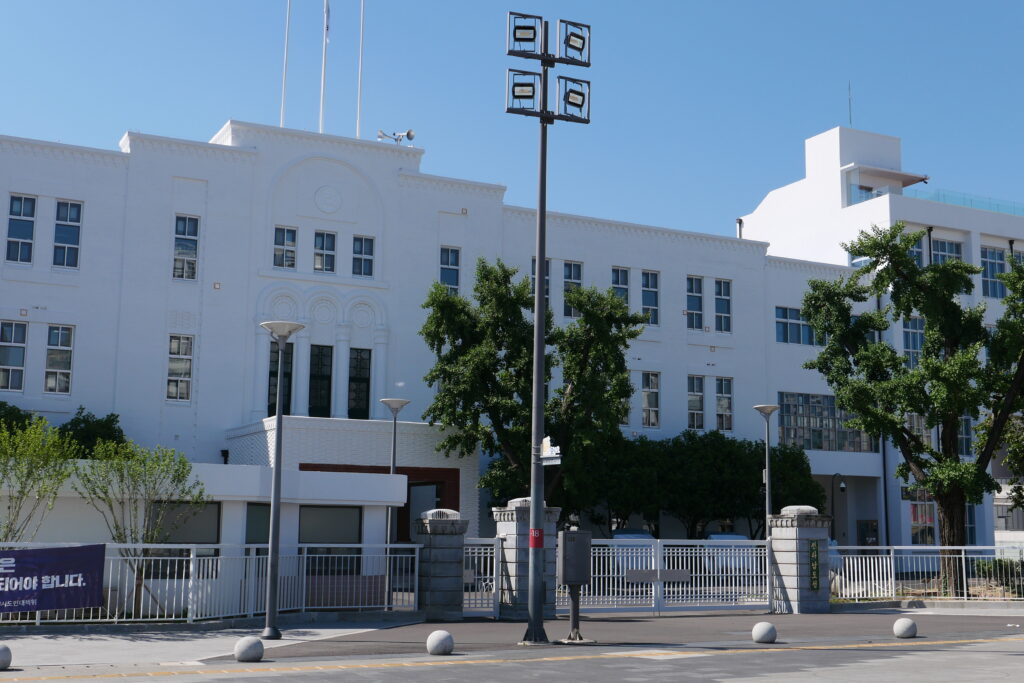
The first thing I noticed upon arriving in Gwangju was a peculiar atmosphere. It is difficult to explain in words, but there was a scent of Berlin somewhere. An extraordinary energy could be felt starting from the seemingly nonchalant black-and-white fashion.
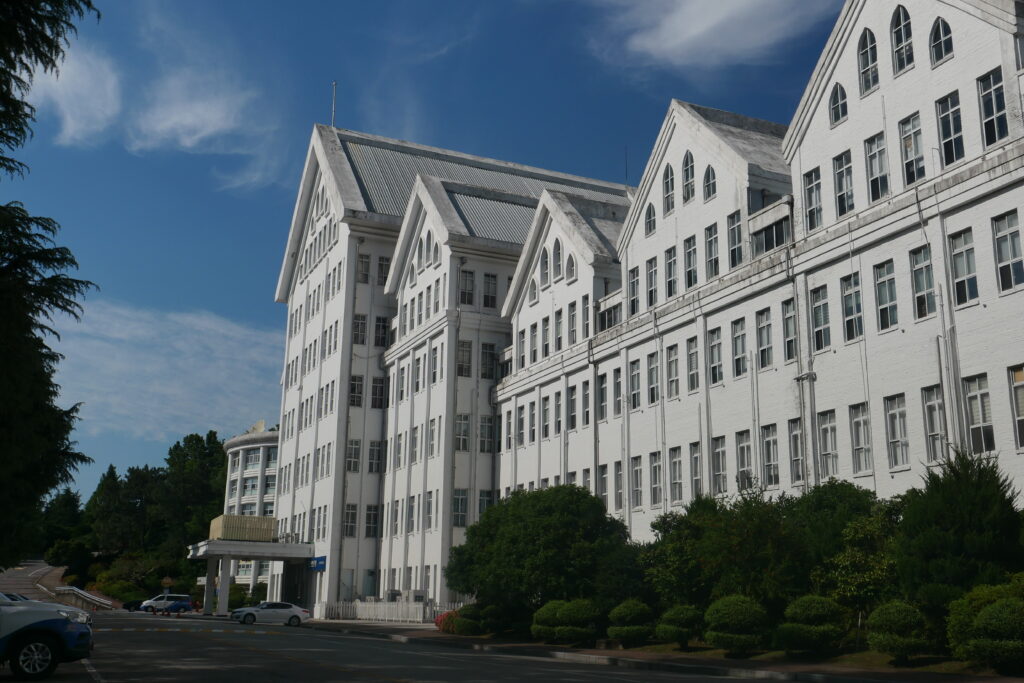
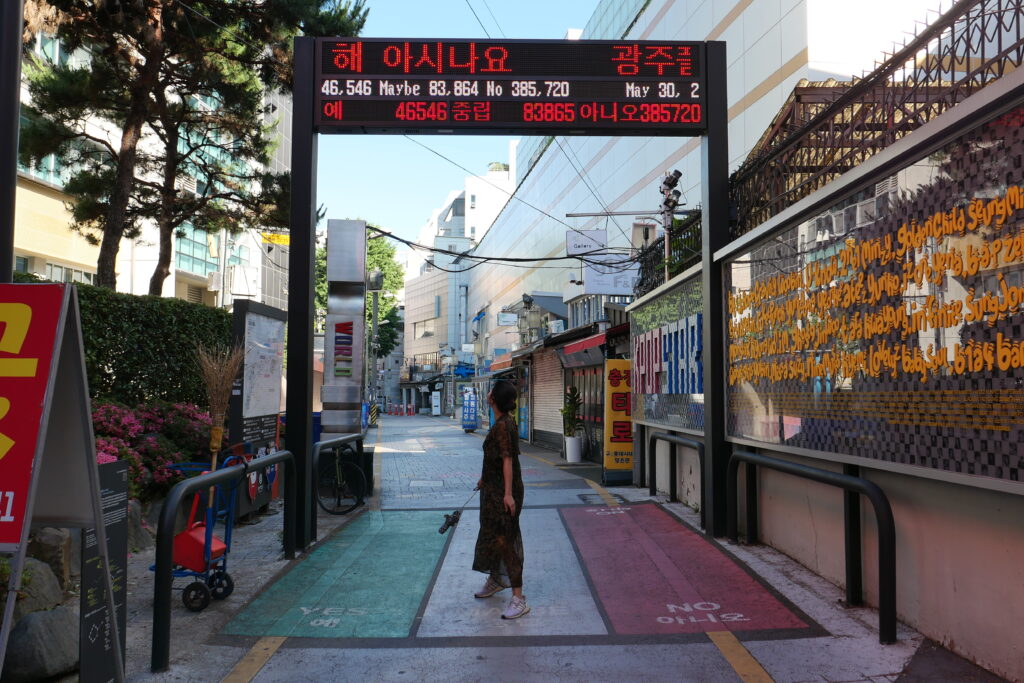
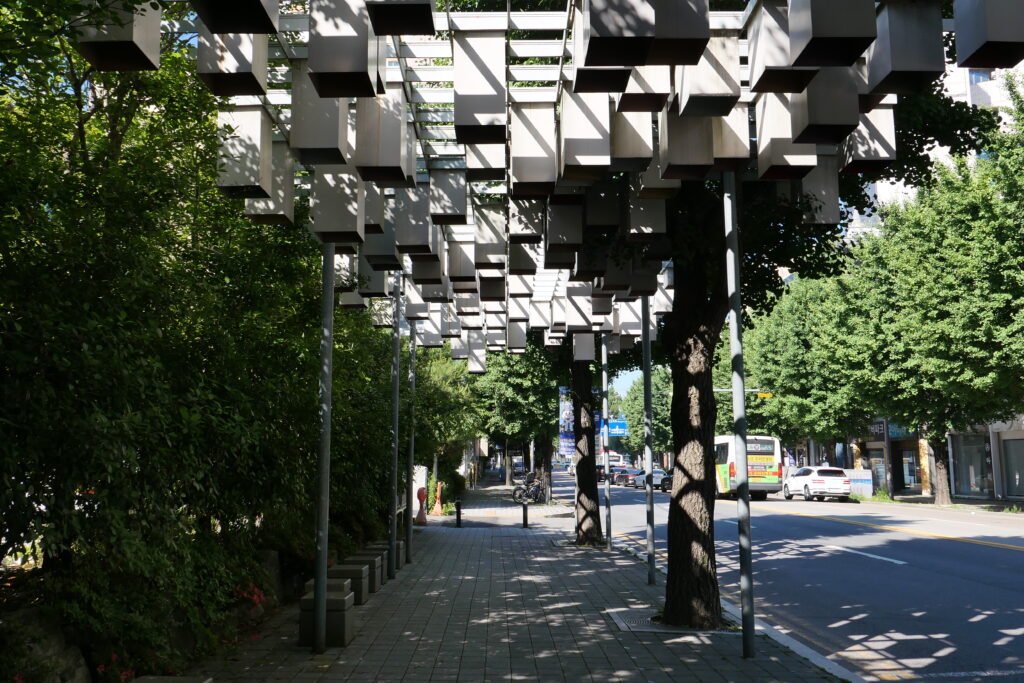
Art was hidden throughout the city. However, it was different in nature from the public art typically created by cities. It was not an artwork placed merely as decoration, but was situated within the landscape where people naturally used, passed by, and lingered.
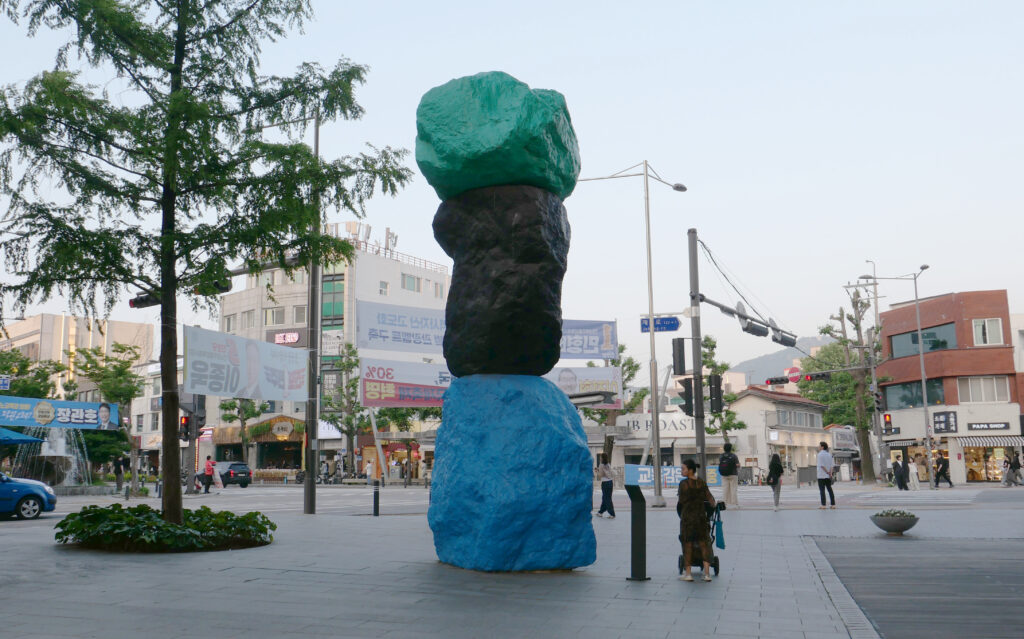
Usually, works like this tend to remain like monuments erected on the outskirts. Often, they merely exist in places somewhat removed from people's daily lives. However, the art of Gwangju felt alive and breathing among the people. That was impressive.
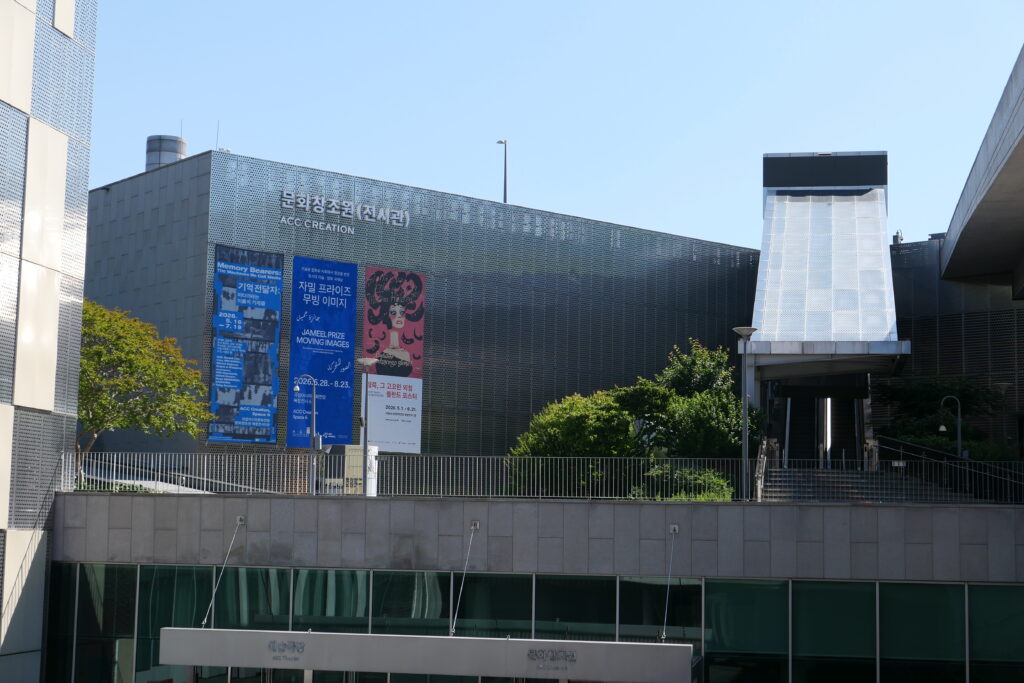
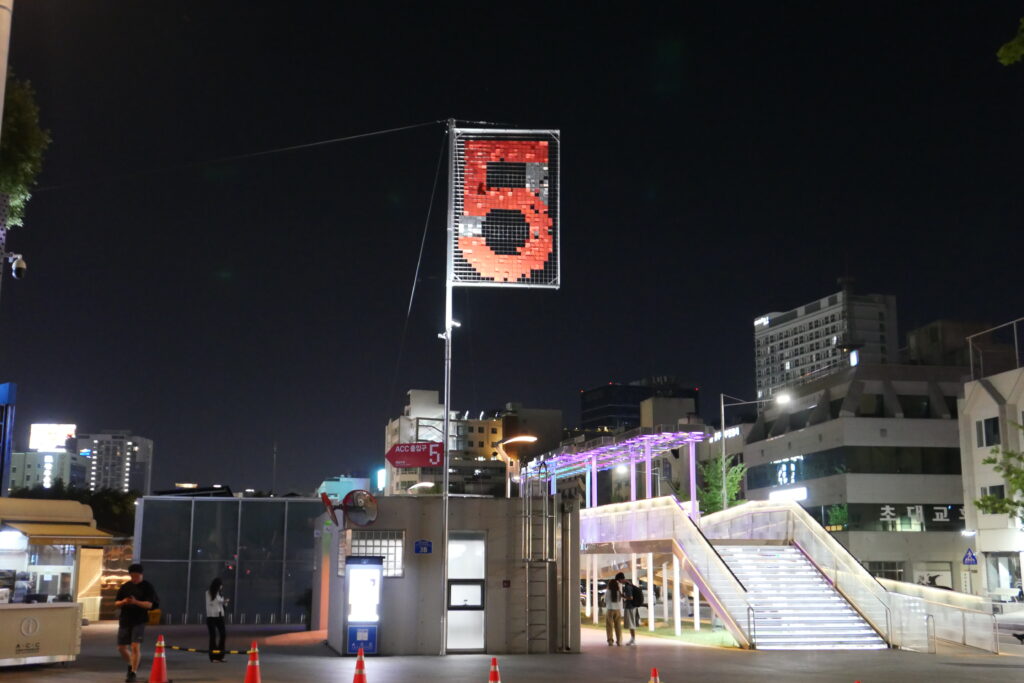
The ultimate masterpiece was the Asia Culture Center. I had heard so much praise for its architecture that I was curious to see just how impressive it was. Seeing it in person, it was beyond my imagination.
The Asia Culture Center is located in the heart of the city. At first, I was puzzled because the building was not easily visible. All I could see in front of me was an open space resembling a park. However, I later learned that the various facilities were located underground in layers, while the surface was designed to look like a park that citizens could use comfortably at any time.
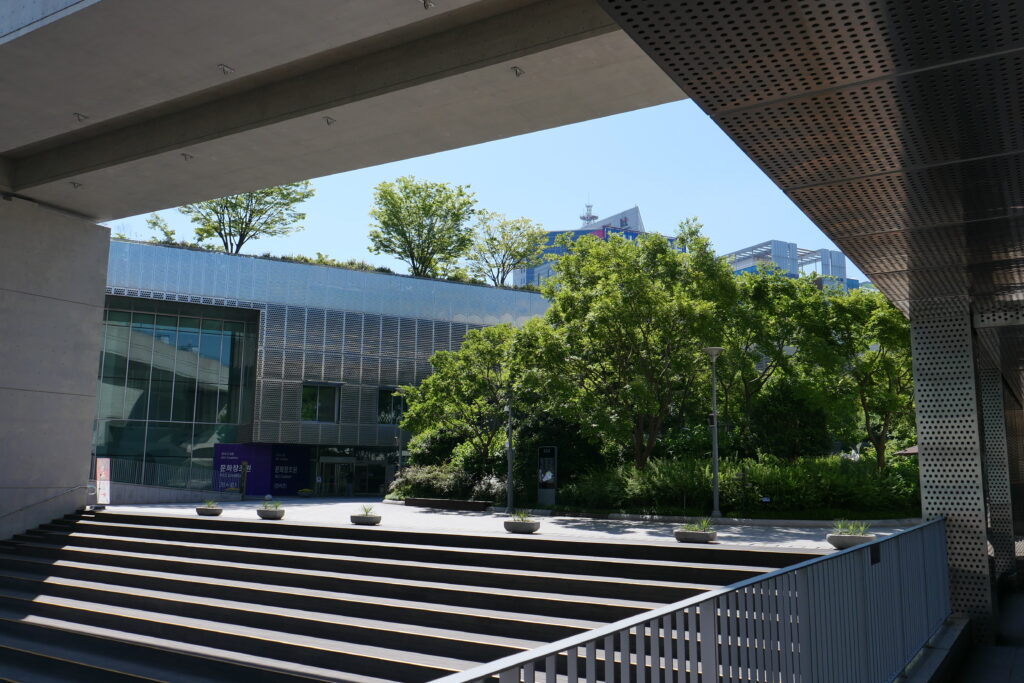
On the wide lawn, people spread out mats and sat down as the sun set and the breeze grew cool. The space was slightly sloped, so the view varied from every seat. It was not just an experience of seeing magnificent architecture; I was amazed by the fact that such an open space could exist in the middle of the city. I kept wondering how such architecture was possible.
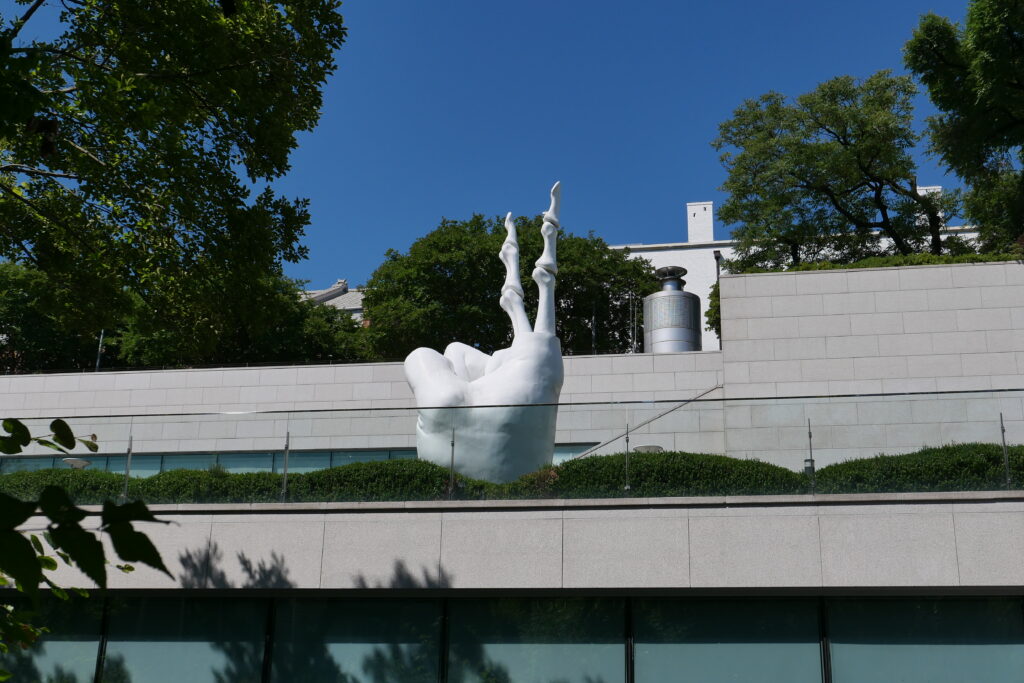
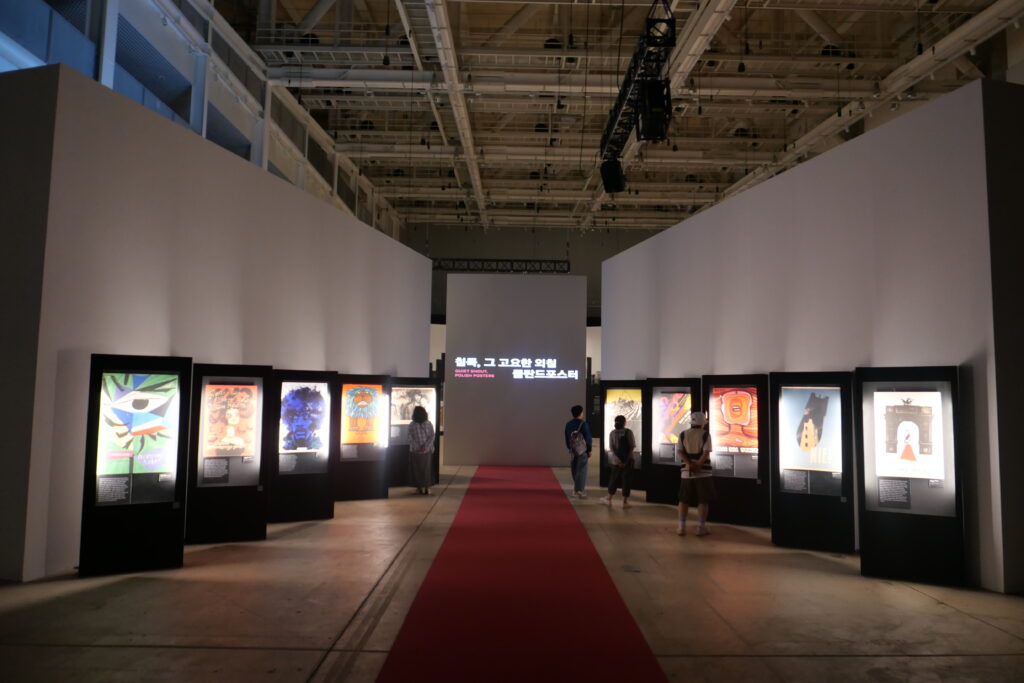
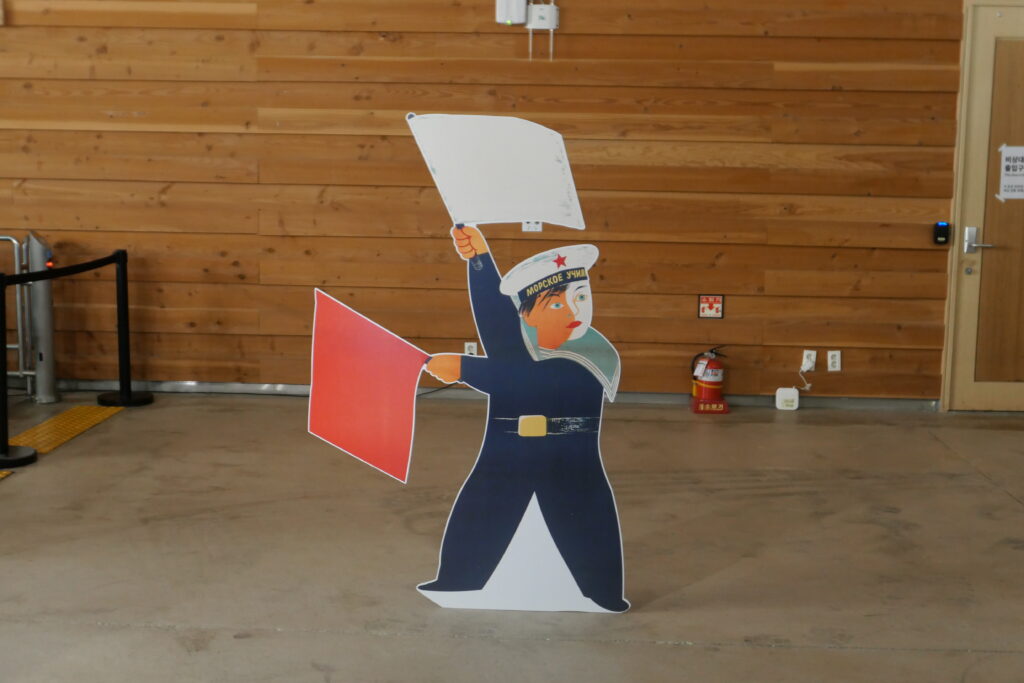
I was also able to see the collection exhibition of Mr. Duyang, who built the Iham Campus that I have always admired. While viewing the exhibition, I thought to myself that someday I want to become someone who can share good artworks with others, just like Mr. Duyang.

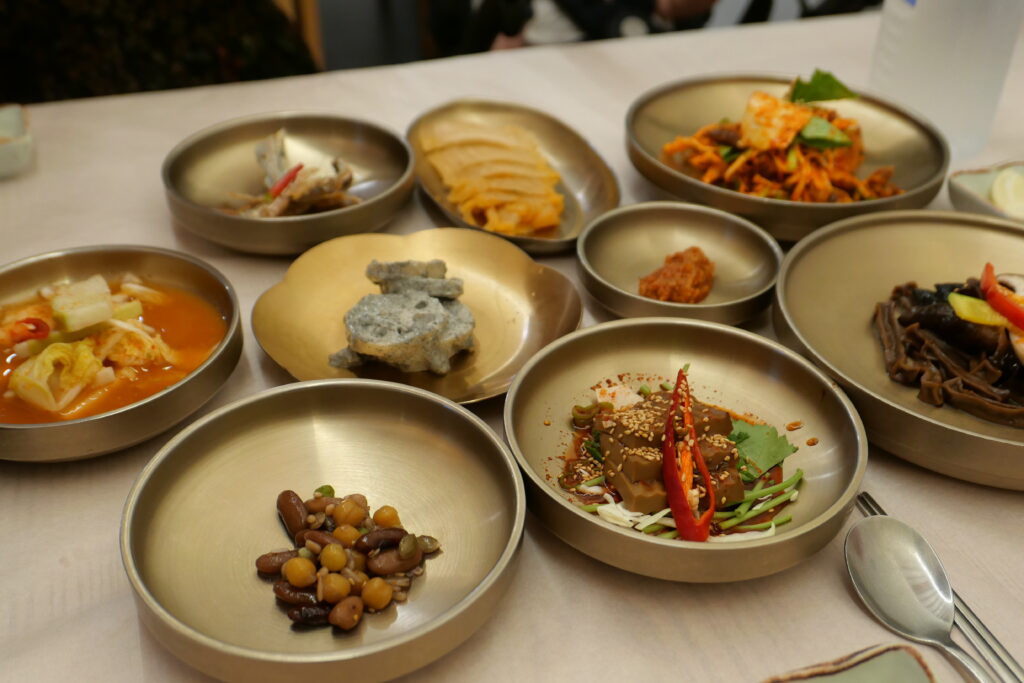
The food was delicious, needless to say. I had wondered where on earth various franchises had researched their flavors, but it was to the point where I wondered if they were all from the Honam region.
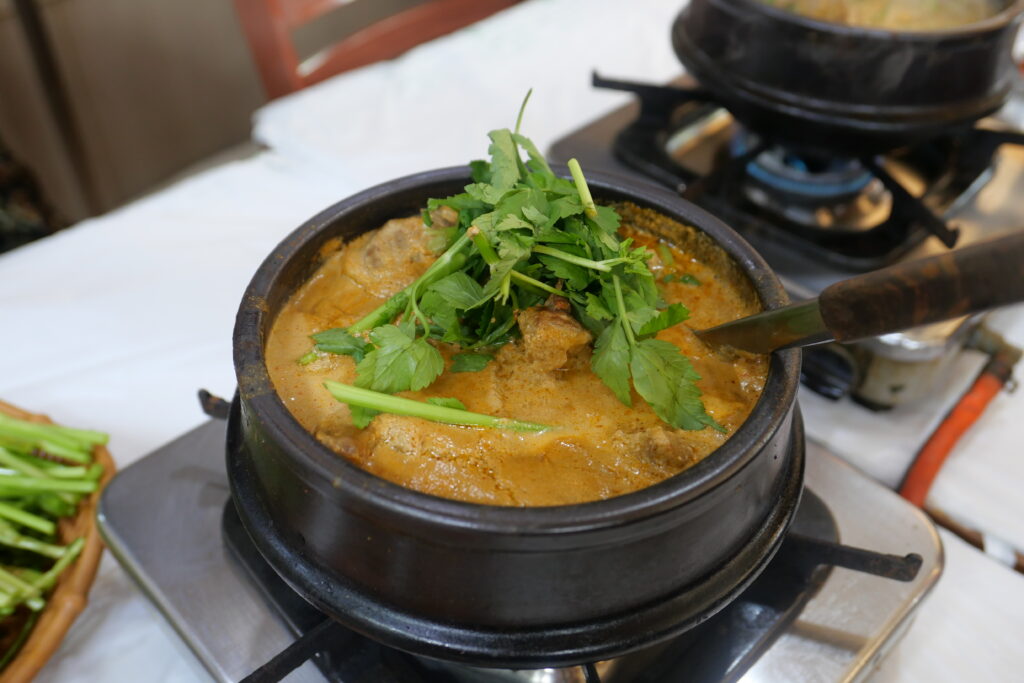
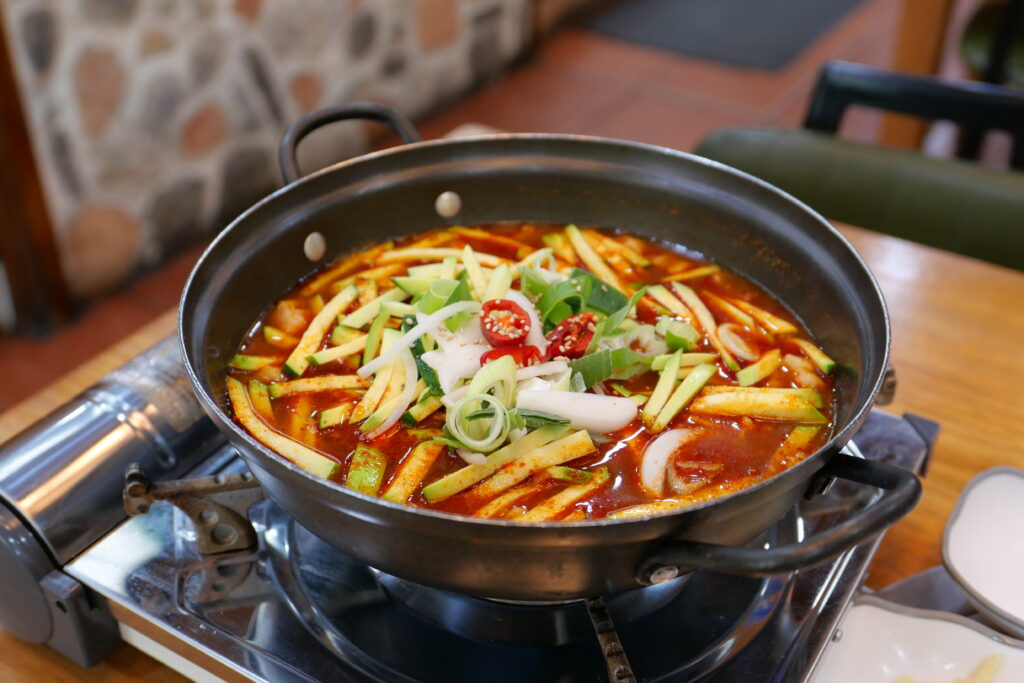
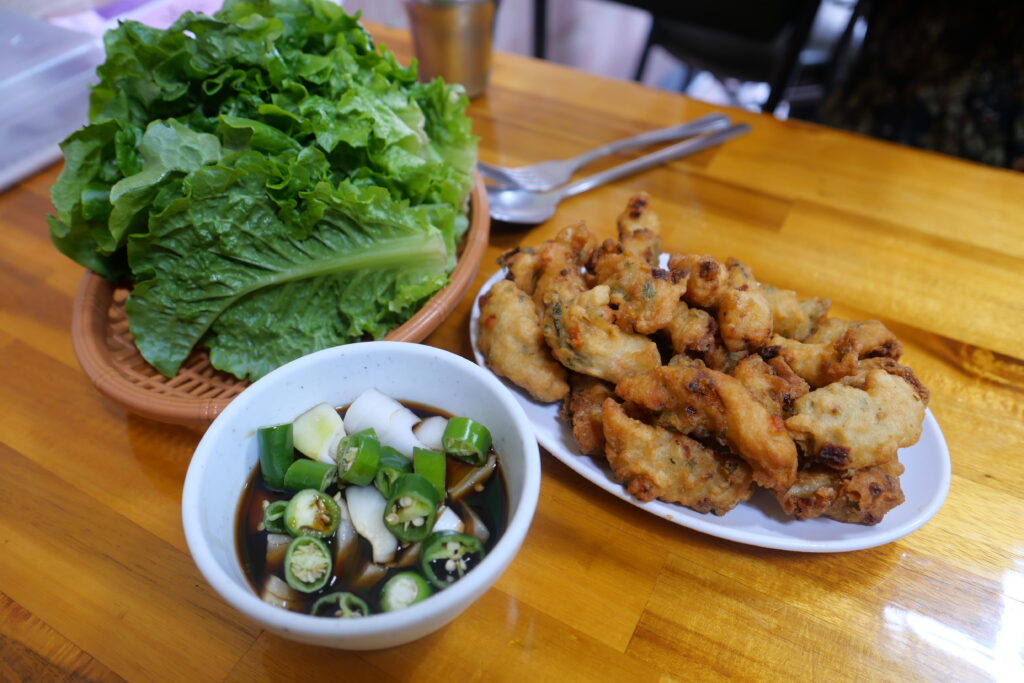
The duck soup, pan-fried beef, and tteokgalbi, representative dishes of Gwangju, lived up to their reputation. Dishes like zucchini stew and fried lettuce were also excellent. Above all, the quality of the side dishes was exceptional. I was so engrossed in eating the side dishes that I couldn't wait for the main course to arrive.
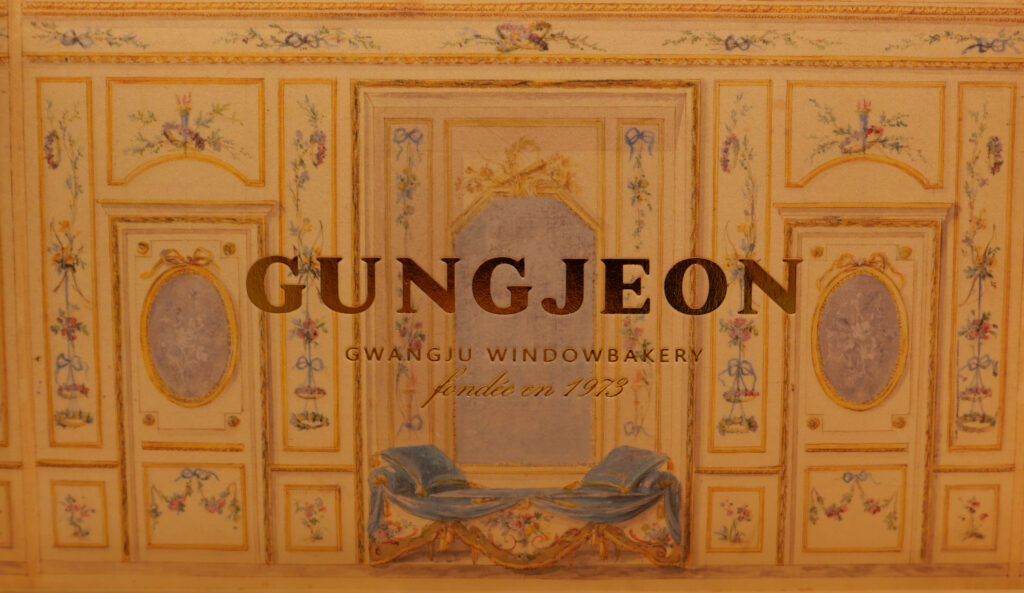
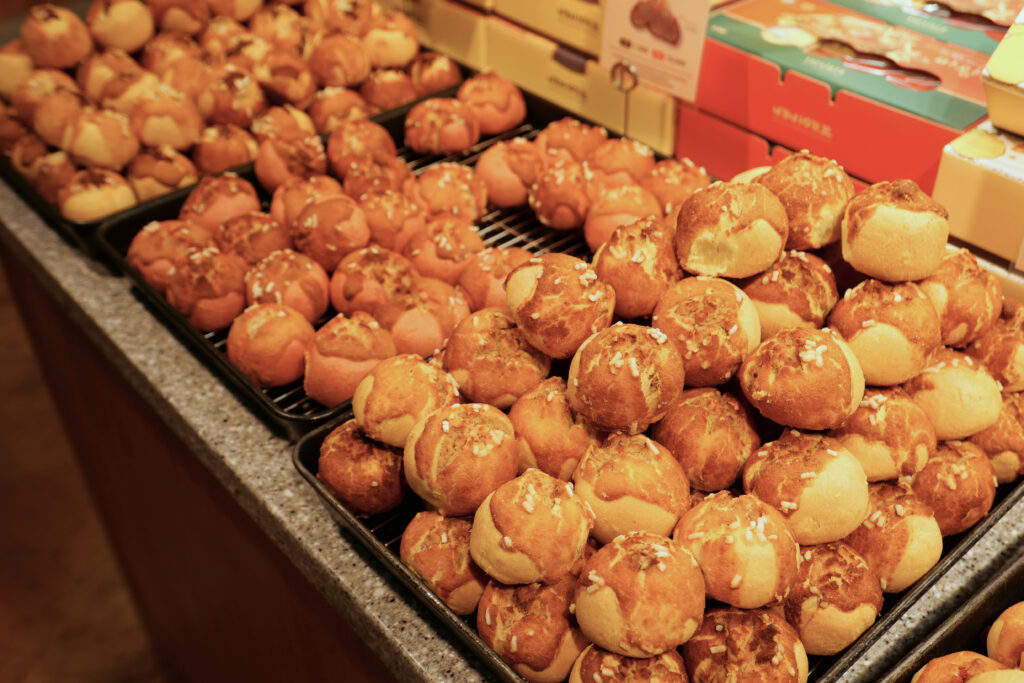
I also tried the signature menu item from a famous local bakery. I had assumed that all local bakeries would taste similar, but this one definitely had its own unique character.
In the end, I realized once again that one should not judge easily without experiencing it firsthand. There are things that become visible only when you visit and experience famous places, meaningful objects, or those with long-standing heritage in person.
When you fall into a rut, everything looks similar. It is easy to say, "They're all the same." However, if you avoid that trap and maintain curiosity, you will find that things are different. If you focus on examining what makes them different, you will discover more hidden joys than you might expect. I rediscovered that sense during my recent trip to Gwangju.
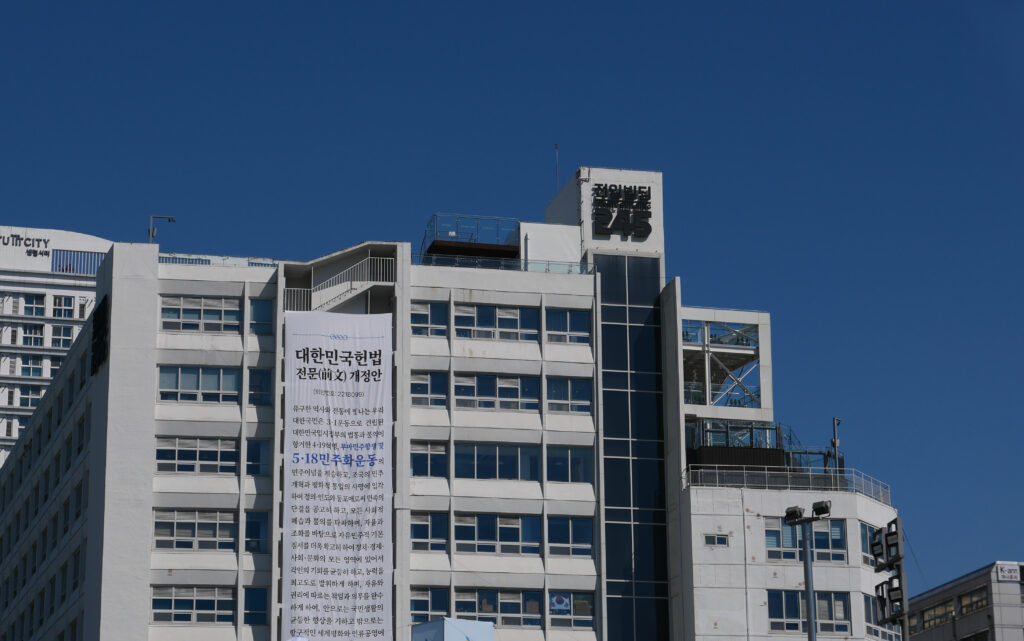
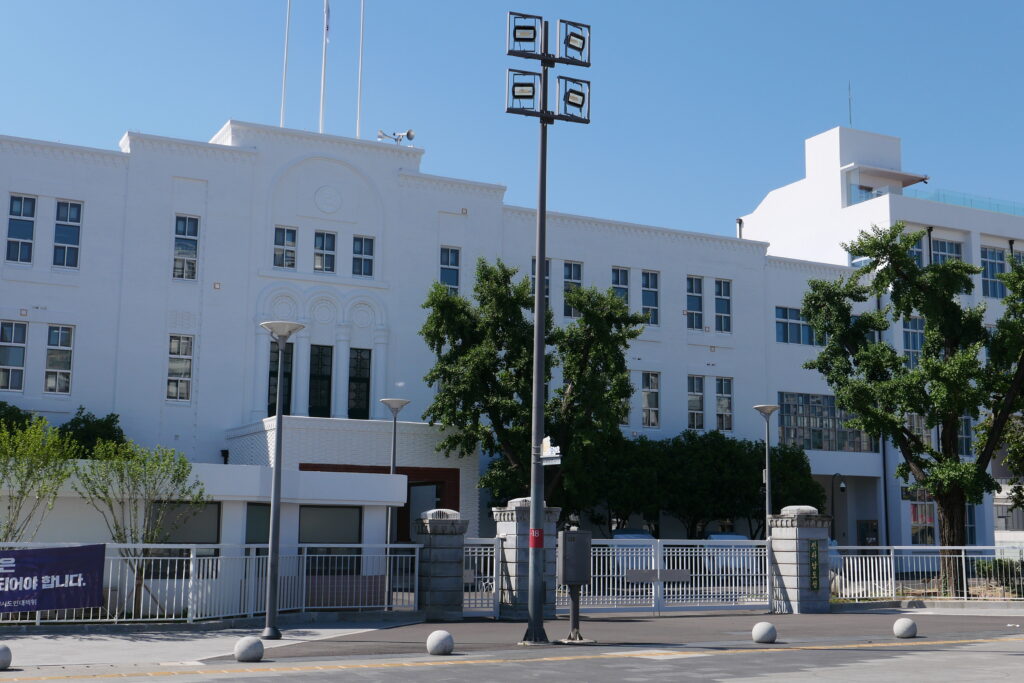
For me, Gwangju has long been a city of tremendous courage and sacrifice that overcame a painful history. Of course, that significance remains important. However, on this trip, I was able to get to know the Gwangju of today in a new light.
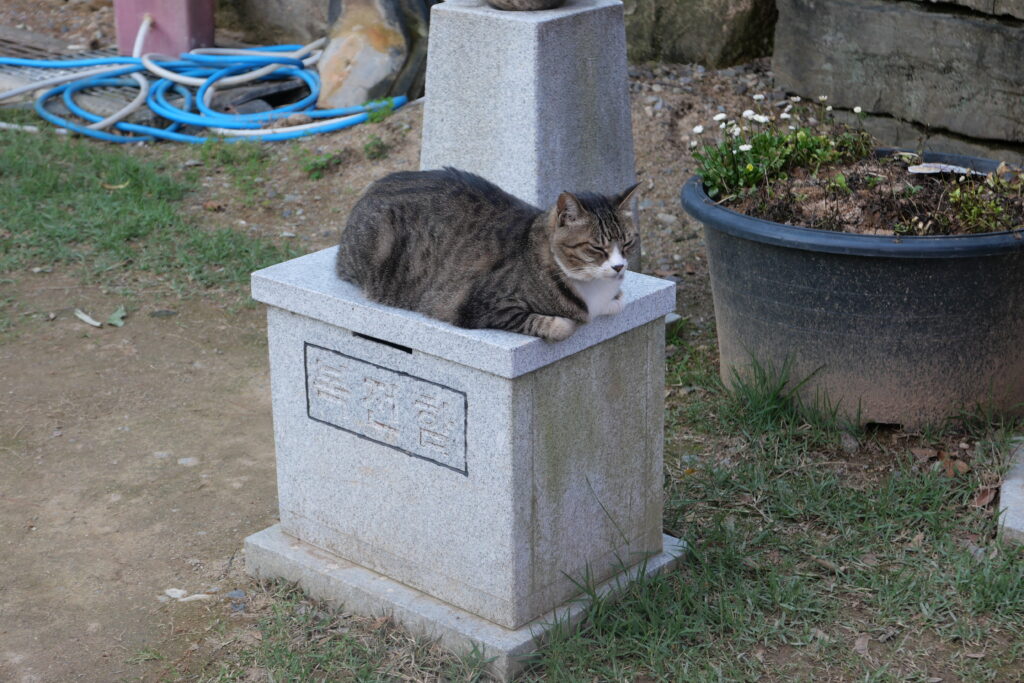
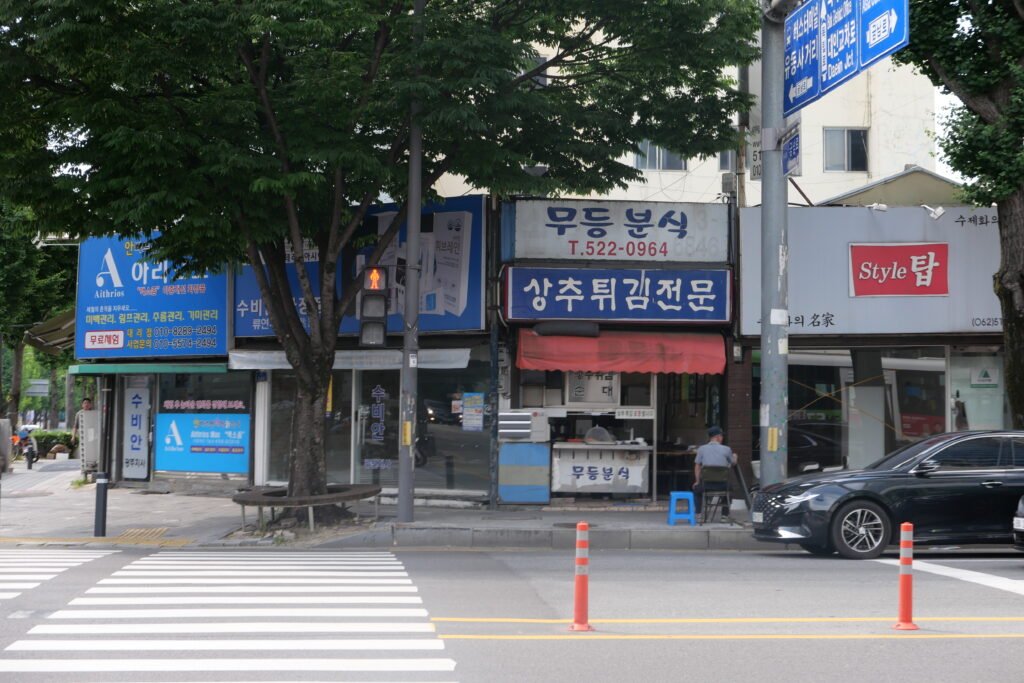
It was a wide plain, making it pleasant to walk, and it didn't feel cramped because the buildings weren't clustered together in a clunky manner. It was also enjoyable to discover art sculptures called "Pollys" here and there while walking. Every single shop I encountered along the way was also neat and tidy.
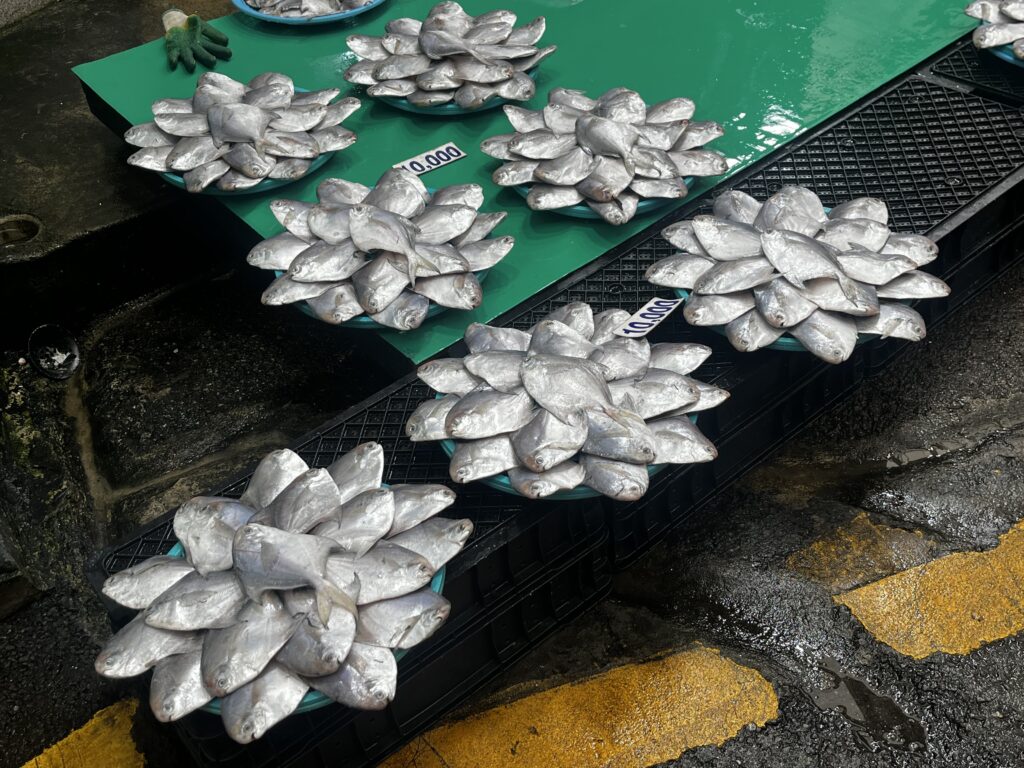
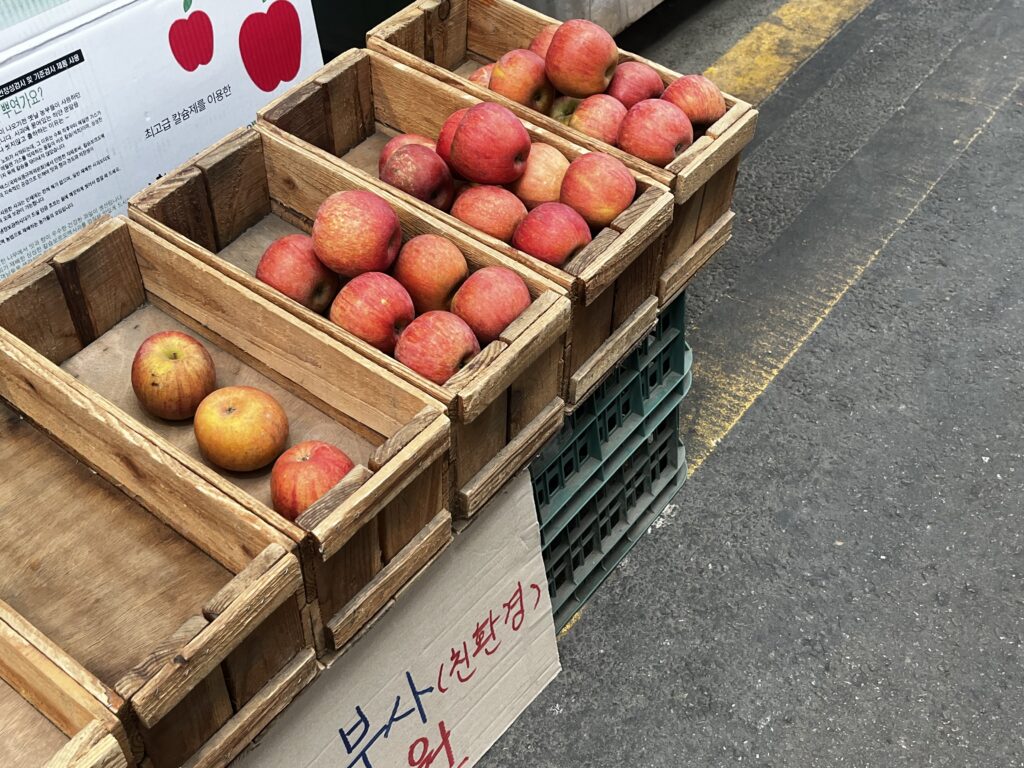
I also stopped by Malbau Market; I was surprised by its large size and even more surprised by how neat and tidy it was.
Everything was neat, from the arrangement of the fish to the price tags. Even the fruit boxes were aesthetically pleasing wooden crates. The handcarts along the roadside had also been neatly renovated. It was also surprising to see almost no flies in the fish section. As I walked through the market, I felt that Gwangju is a city with an extraordinary sense of aesthetics.
This trip to Gwangju was a time that further heightened my expectations for domestic travel. You don't have to travel far to encounter new things. There were plenty of unfamiliar and wonderful experiences to be found close by.
I would like to visit again next time with a slightly older child. I hope that then, my child can experience the scenery, flavors, and spaces of Gwangju in their own way, just as I did this time.