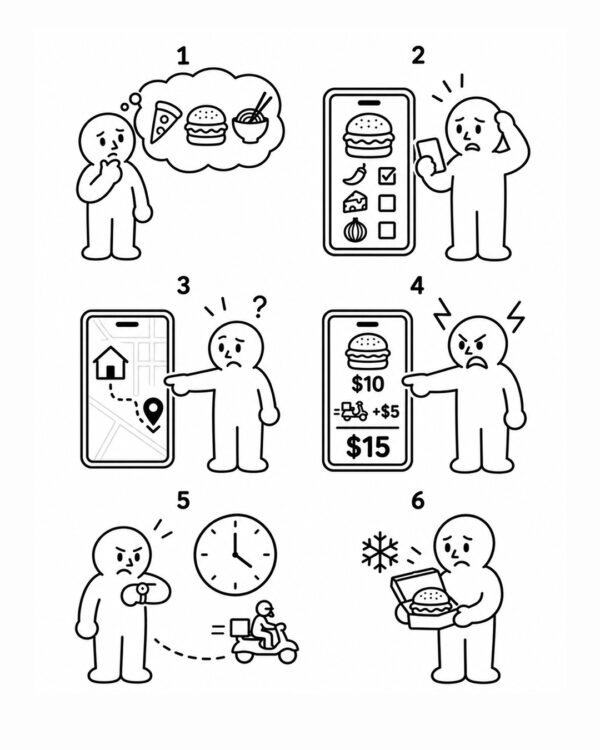
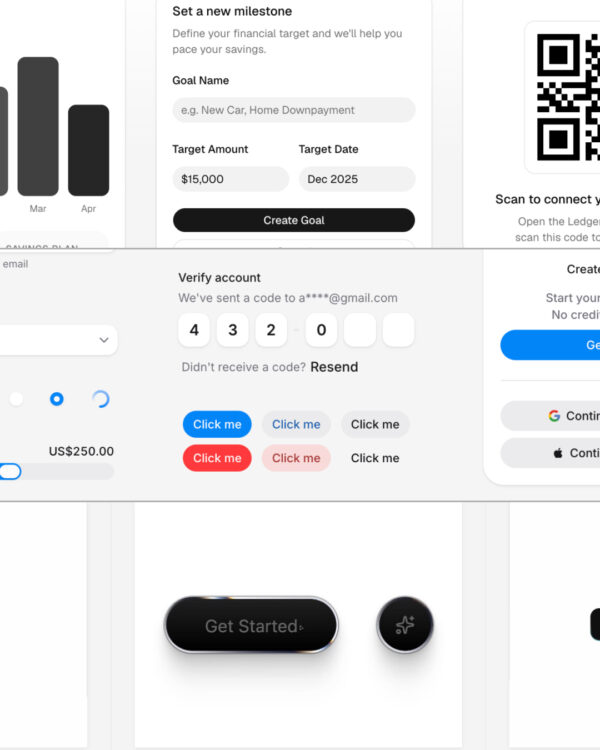
Establishing a design language has been a lifelong goal. I wondered if I could complete the system I had envisioned in my mind within my generation. For a long time, I have observed how people react to design in the field and documented these observations in writing. With the advent of AI, an opportunity opened up to turn this knowledge into a working system.
It didn't go well from the start. No matter how much we explained the principles of good design, they didn't translate well into visual results. It was a repeated cycle of high costs and unmet expectations. However, now, by effectively combining abstract principles with concrete rules, top-notch results are produced.
Then, the next problem began to emerge. Displaying too much information makes things complicated, while reducing it causes essential information to disappear. Choices that benefit the business can sometimes create inconvenience for the user. As AI becomes better, judging what to prioritize has become even more critical.
I believe that AI will eventually handle everything that can be resolved without user verification. Therefore, I intend to focus on the moments where humans must personally observe and make judgments. This involves designing what needs to be presented for understanding and how to assist with choices, as well as observing actual reactions.
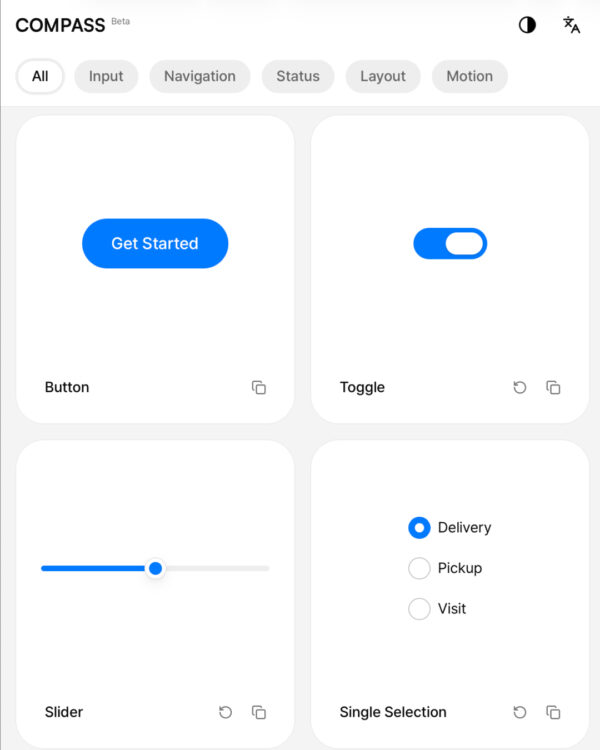
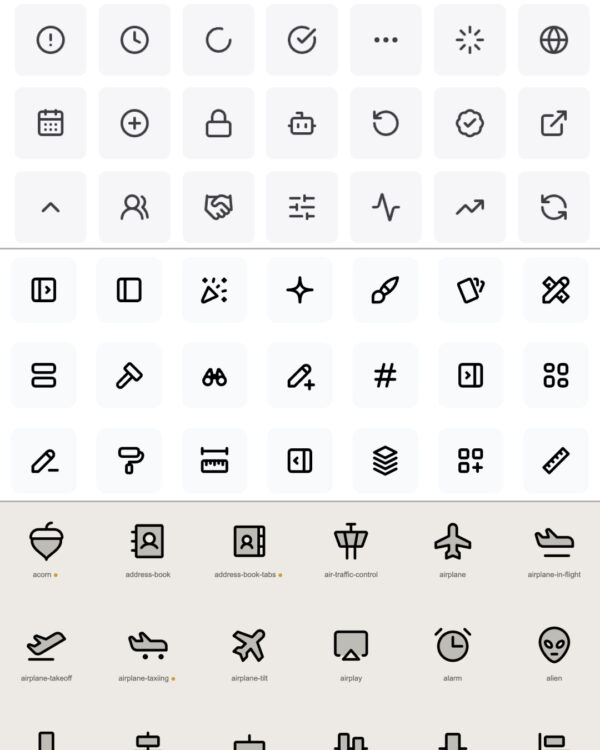
We incorporate this judgment into the Compass Design System. We aim to connect everything from the rules for creating buttons and screens to the criteria for deciding what to prioritize depending on the situation. This extends to UI, UX, the product, and even the brand.