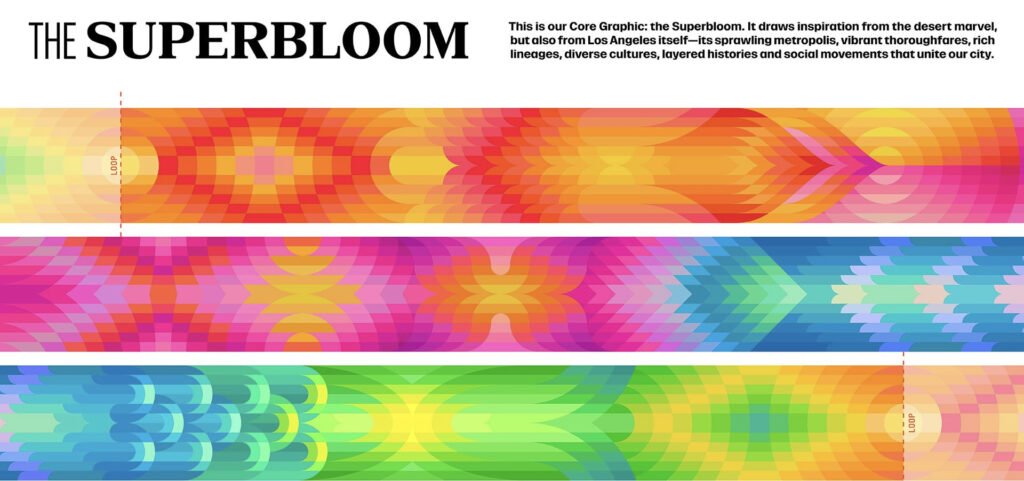
The Los Angeles Olympic Organizing Committee has unveiled the official visual identity for the 2028 Summer Olympics and Paralympics. The design is inspired by the Superbloom, a natural phenomenon that occurs in Southern California approximately once every ten years. The Superbloom is a phenomenon where long-dormant wildflower seeds burst into bloom all at once, transforming the landscape. LA28 connected this image with the temporality, tension, and explosive moments inherent in the Games.
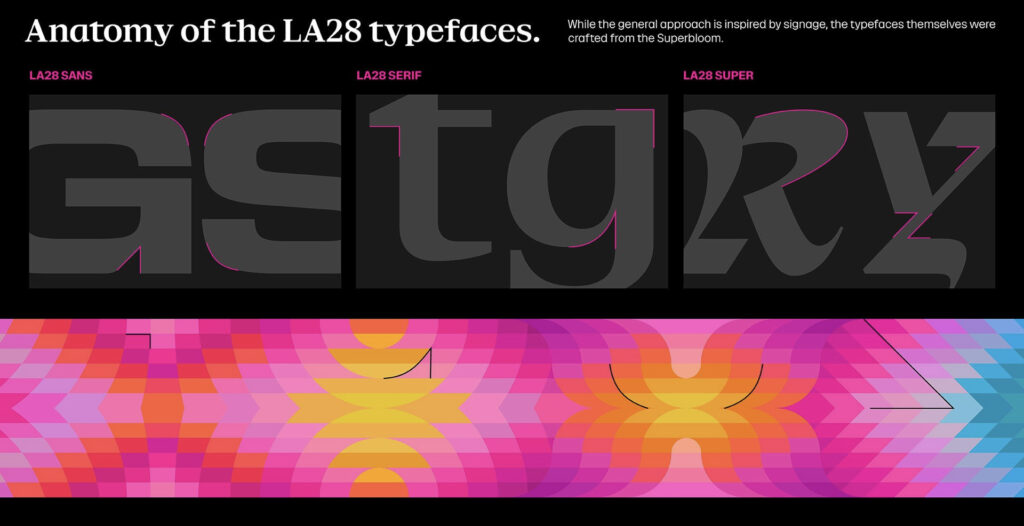
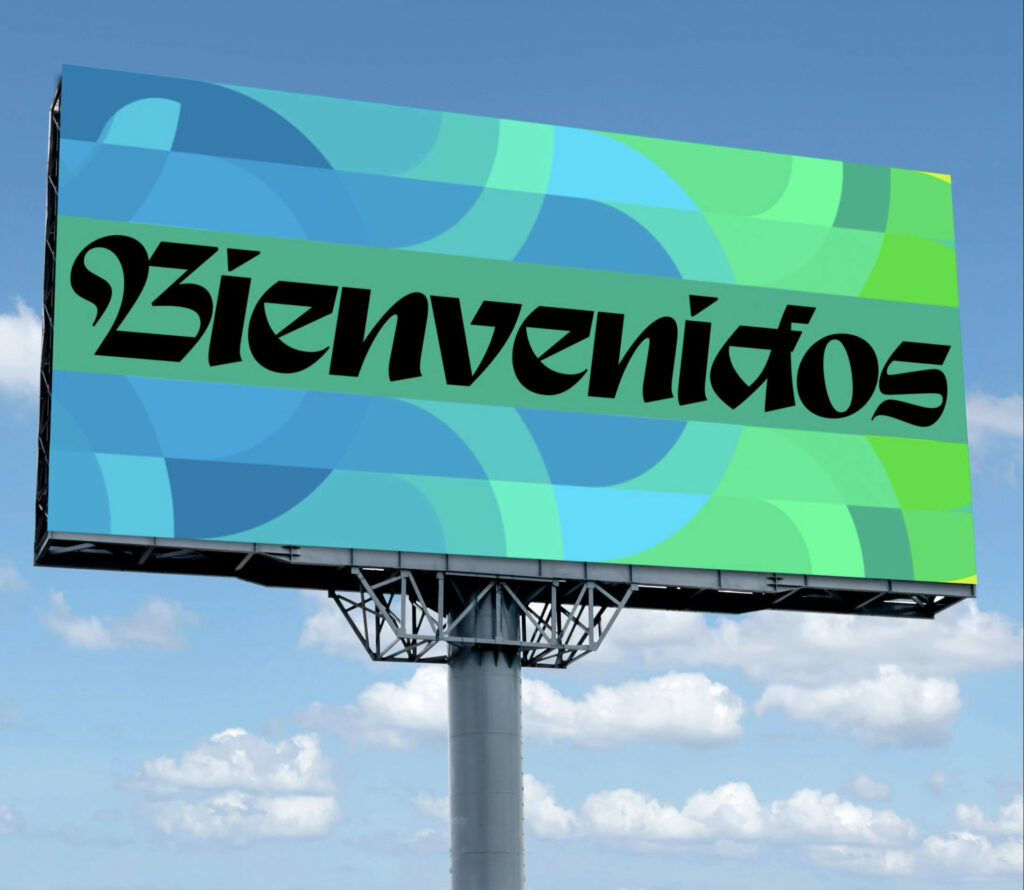
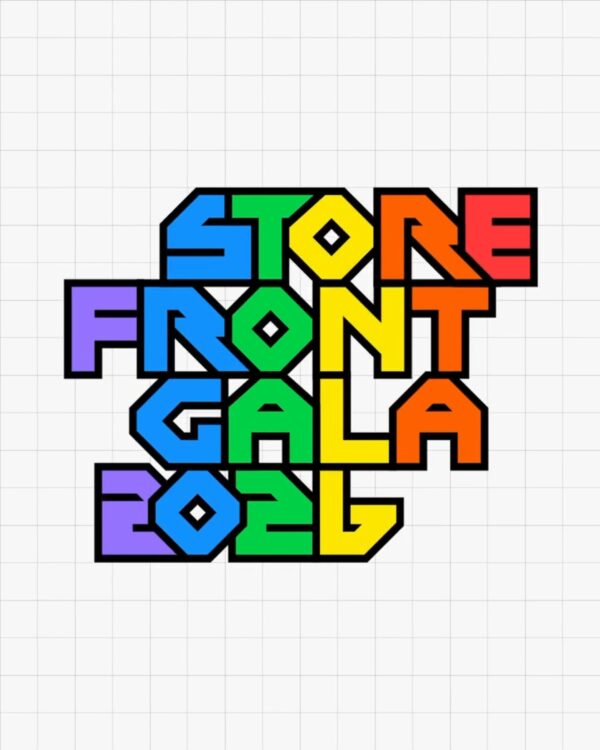
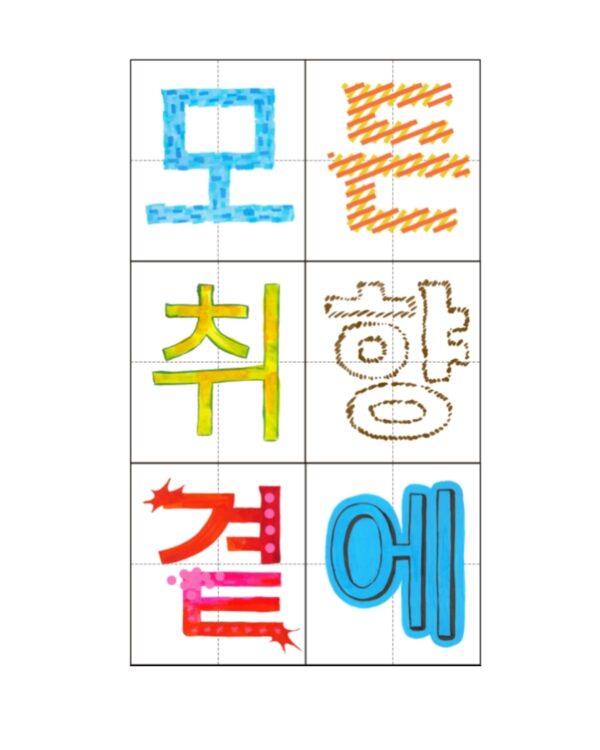
Design Studio Cotto participated in the development of this identity. The core graphic is composed of an infinite loop containing 13 patterns. LA28 explained that each pattern reflects the people, life, and culture of Los Angeles. Typography is also a key element. Four custom typefaces were applied to the entire system and combined in a way that overlaps or stacks. This composition was inspired by the visual language of Los Angeles street signs.
The colors were derived from urban and natural landscapes. They are based on the colors of dawn and the night sky, while also incorporating tones extracted from flowers and plants. Representative colors include poppy, scarlet flax, bluebell, and sagebrush. These color families are also found in the Bird of Paradise, the official flower of Los Angeles. All these elements are organized within a 12-row grid system. This design allows for flexible adaptation to various media, ranging from large structures like stadium walls to vehicles, printed materials, and athlete medals.
LA28 explained that this design is closer to an scalable system than a single fixed form. Through this, the Organizing Committee plans to connect stadiums, fan spaces, city-wide installations, and even digital environments into a single flow. Additionally, it was unveiled earlier than usual to allow partners and stakeholders to incorporate this identity into their respective environments in advance. This identity strikes a balance between tradition and change by reflecting the present-day Los Angeles while also referencing visual assets from the 1932 and 1984 LA Olympics.