An incident occurred in which the location of an aircraft carrier was exposed to the outside world while a French naval officer was using a workout tracking app. Controversy is growing as it highlights how an individual's daily data can lead to military security issues.
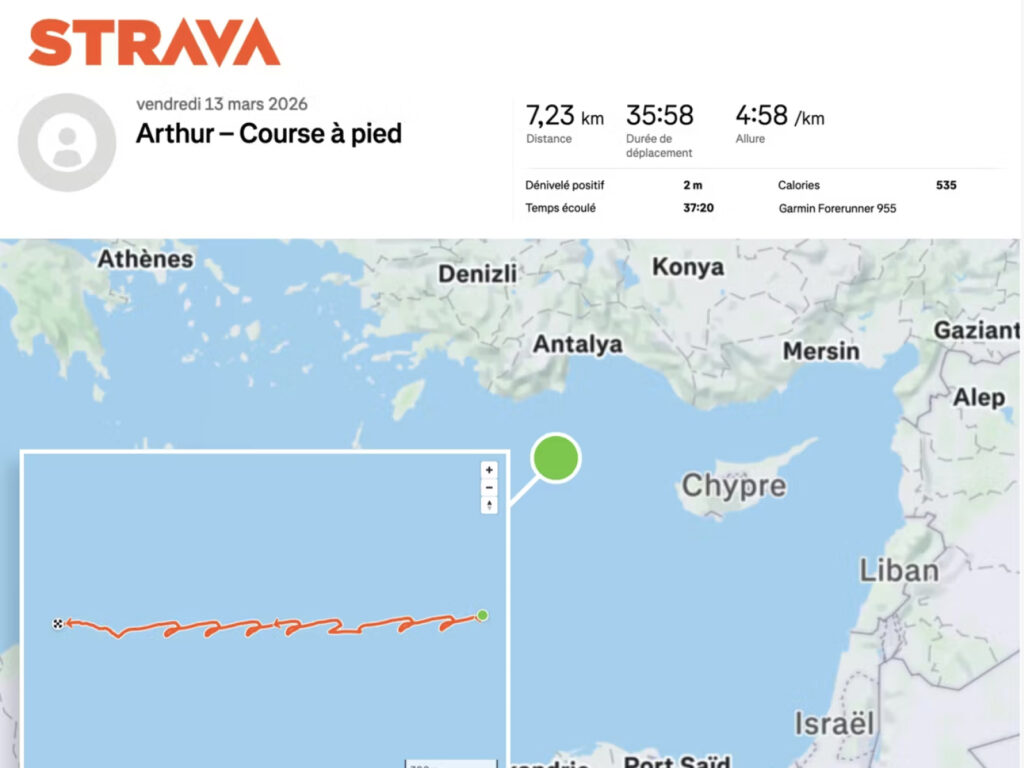
This incident began when a French Navy officer shared his running records. The officer used the fitness app Strava to record his run on an aircraft carrier, and since the data was uploaded with public settings, his location information was exposed to the outside world. The records included movement routes and time information, making it possible to estimate the aircraft carrier's location and activity patterns.
The problem is that this data was accessible to anyone. It has been pointed out that after some analysts and users discovered the records, they were able to trace back the location of the aircraft carrier, posing a direct threat to military operational security. Aircraft carriers are classified as national strategic assets, and their location information is managed under the highest level of secrecy.
The French Ministry of Defense launched an immediate internal investigation following the incident. At the same time, it is reported that the ministry re-emphasized security guidelines regarding the use of personal digital devices and applications to military officials. Within the military, the assessment is that this served as a reaffirmation that a minor individual action can escalate into a risk for the entire organization.
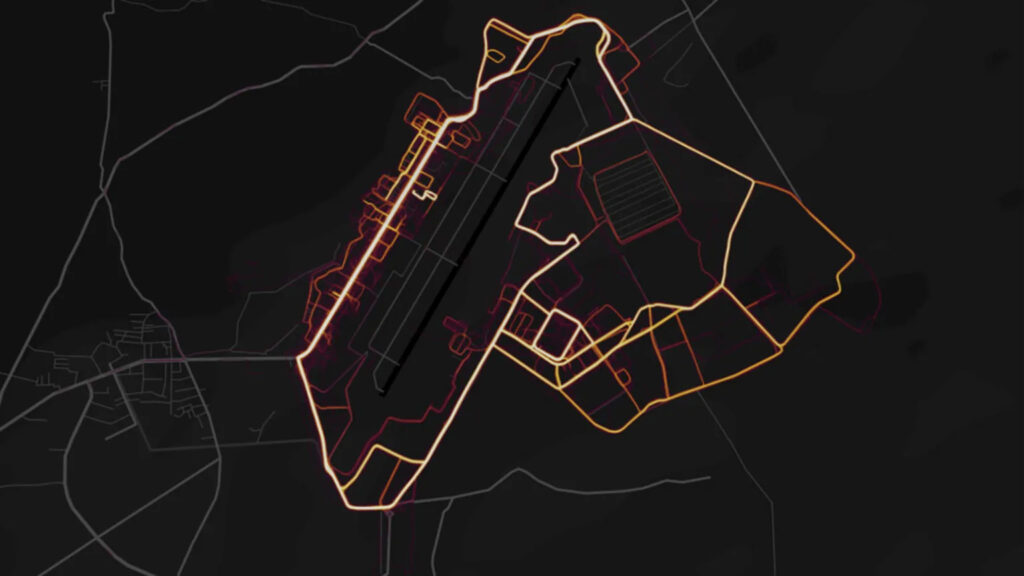
This incident highlights a recurring problem. In 2018, an international controversy arose when Strava's global heatmap feature exposed the locations of military bases. At that time, the issue of the outlines of secret bases becoming visible as soldiers' exercise records accumulated was also raised.
Experts analyze that as the convenience of digital services increases, so do security vulnerabilities. While location-based services are a key element in enhancing the user experience, they can lead to catastrophic data leaks in sensitive environments. It is also emphasized that the structure linking personal data with national security is becoming increasingly complex.
This incident serves as a warning not only to the military but also to general users. In a situation where location sharing via smartphones and apps has become commonplace, a single change in privacy settings can lead to unexpected consequences. It is time to consider how to manage the risks hidden behind the convenience of technology.