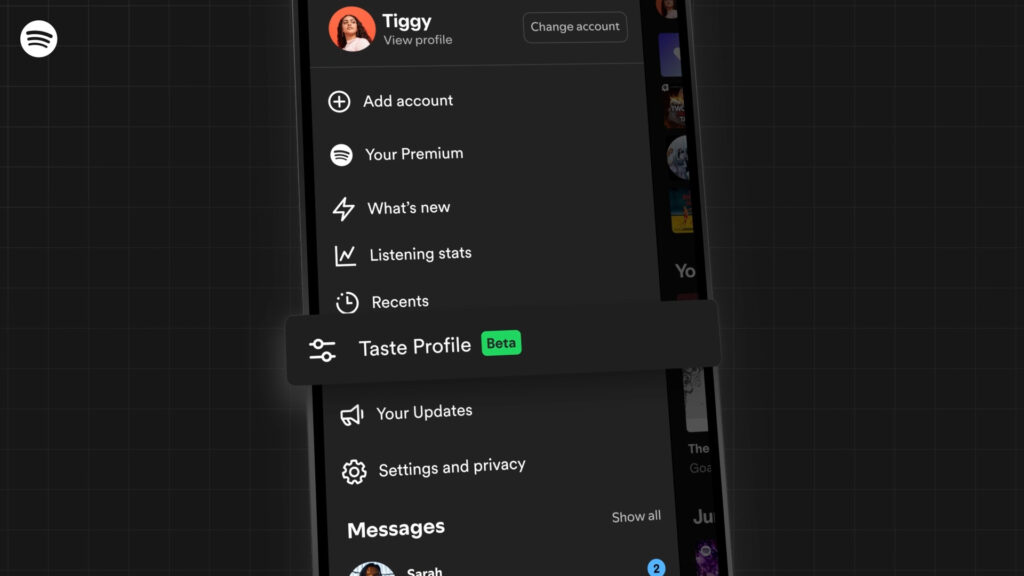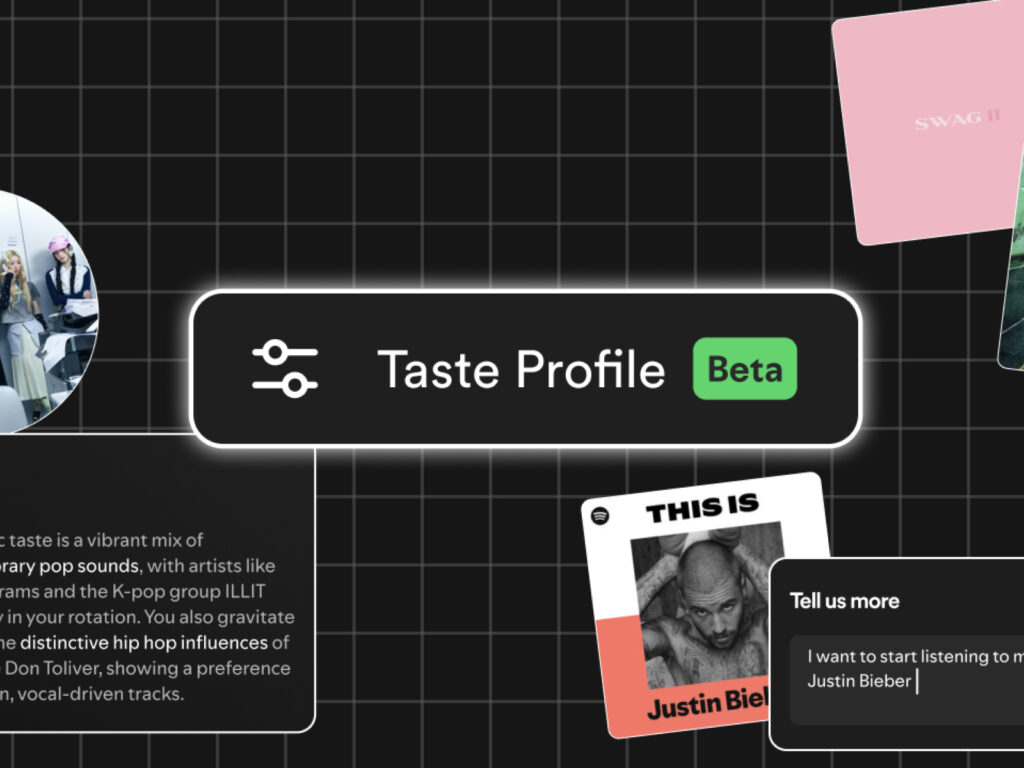
Spotify has unveiled a new feature that further enhances transparency and control over user preference recommendations. Spotify announced the 'Taste Profile' beta via its official newsroom on March 13, and the feature is scheduled to be rolled out sequentially, starting with Premium users in New Zealand. The feature was personally introduced by Co-CEO Gustav Söderström on the SXSW stage.
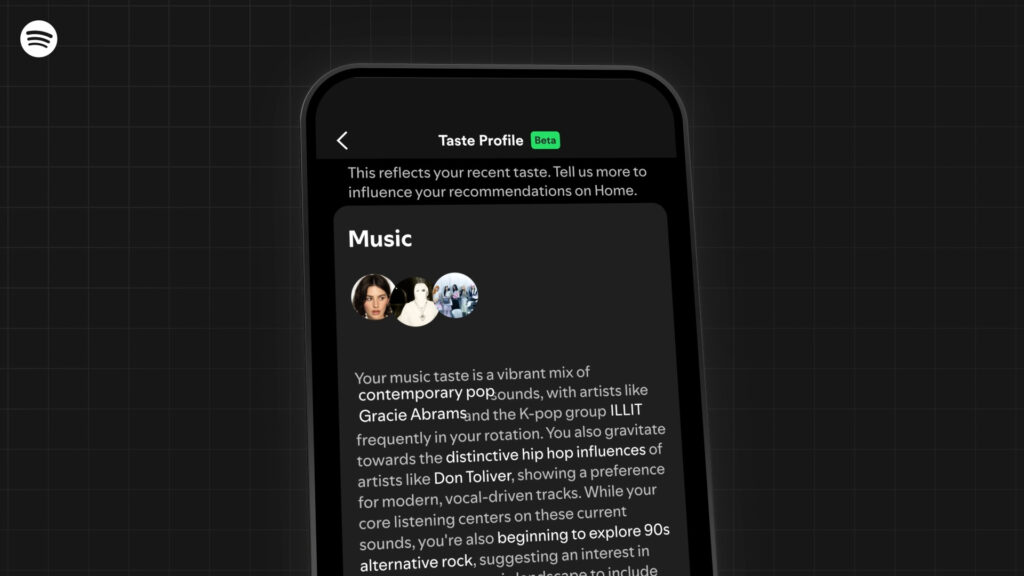
The core of the Taste Profile lies in demonstrating how Spotify understands users' preferences. Until now, while users could experience recommendation algorithms, it was difficult to directly examine their underlying structure. The new feature aggregates listening history—including music, podcasts, and audiobooks—to organize and display user preference signals, allowing users to adjust them themselves. Through this, Spotify has presented a direction to make personalized recommendations more transparent and responsive.
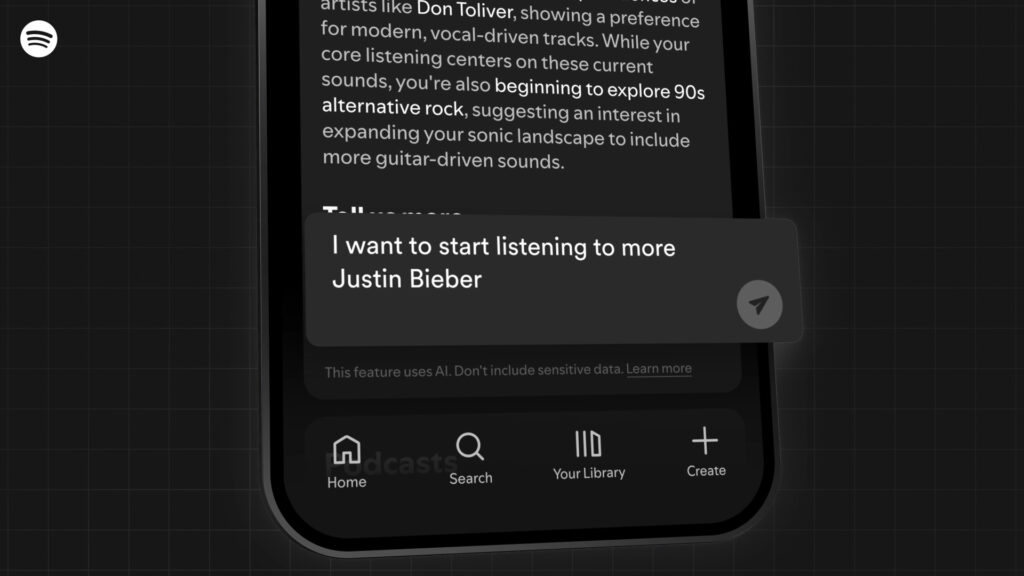
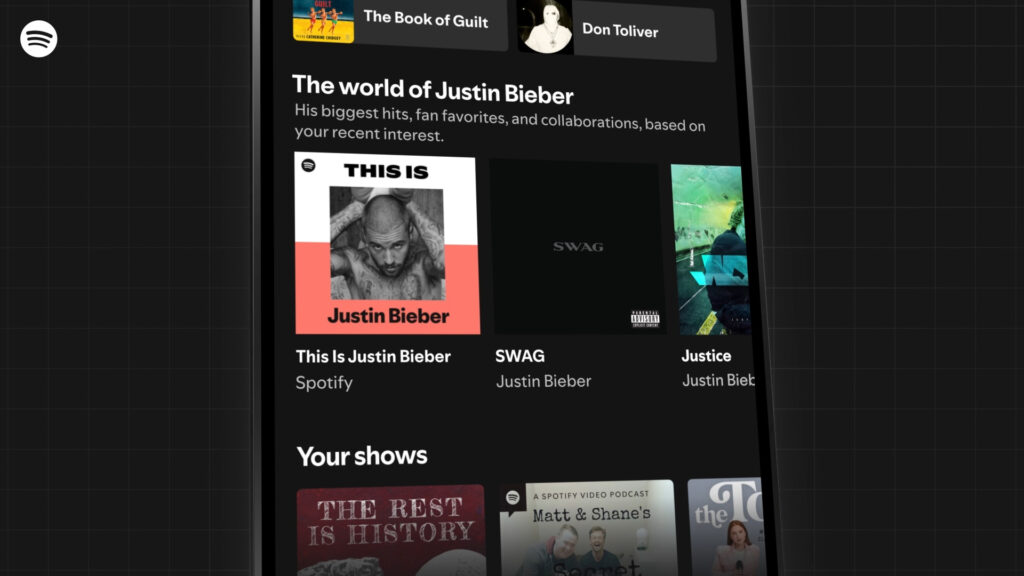
The usage method is also quite intuitive. For example, users can directly request to see more of specific genres or indicate that they want recommendations for moods they do not want reduced. They can also reflect preferences, such as wanting more energetic music in the morning while preparing for a workout or receiving more news podcasts during their commute. This input influences what is prioritized on the Spotify Home screen.
This announcement aligns with the trend of Spotify shifting its recommendation engine to be more conversational. The company has previously expanded the beta of 'Prompted Playlists,' which creates playlists based on natural language input of desired moods or situations. In January, it announced expansion beyond the U.S. and Canada, and in February, it extended the scope to premium users in the UK, Ireland, Australia, and Sweden.
Some in the industry interpret this change as an experiment that goes beyond simple recommendation enhancements to hand over some algorithmic control to users. Spotify aims to move beyond merely estimating preferences to allowing users to modify those estimates and steer them in a different direction. This demonstrates that personalized services are moving beyond a stage where sophistication alone was the competitive edge, with explainability and adjustability becoming key competitive factors as well.