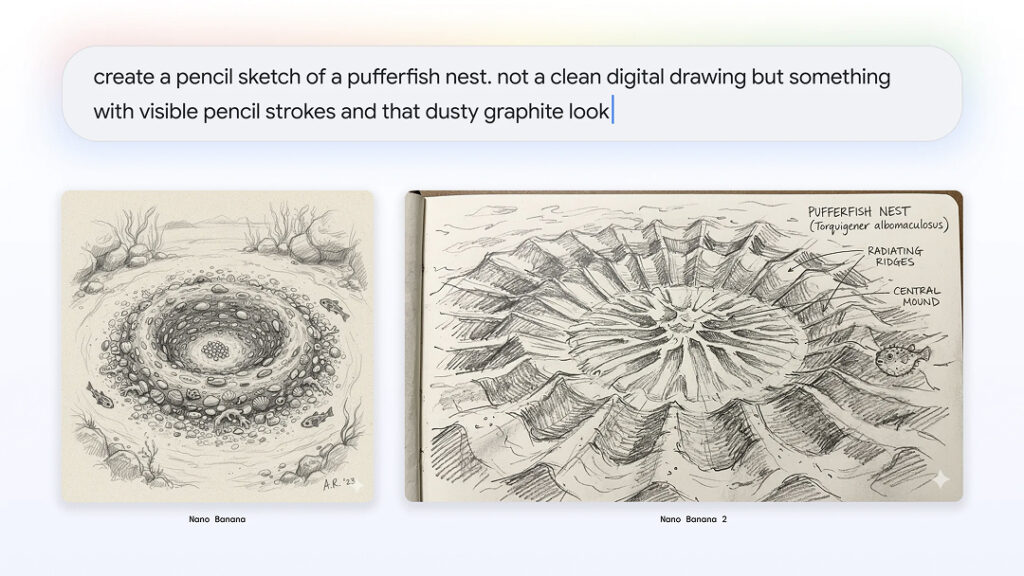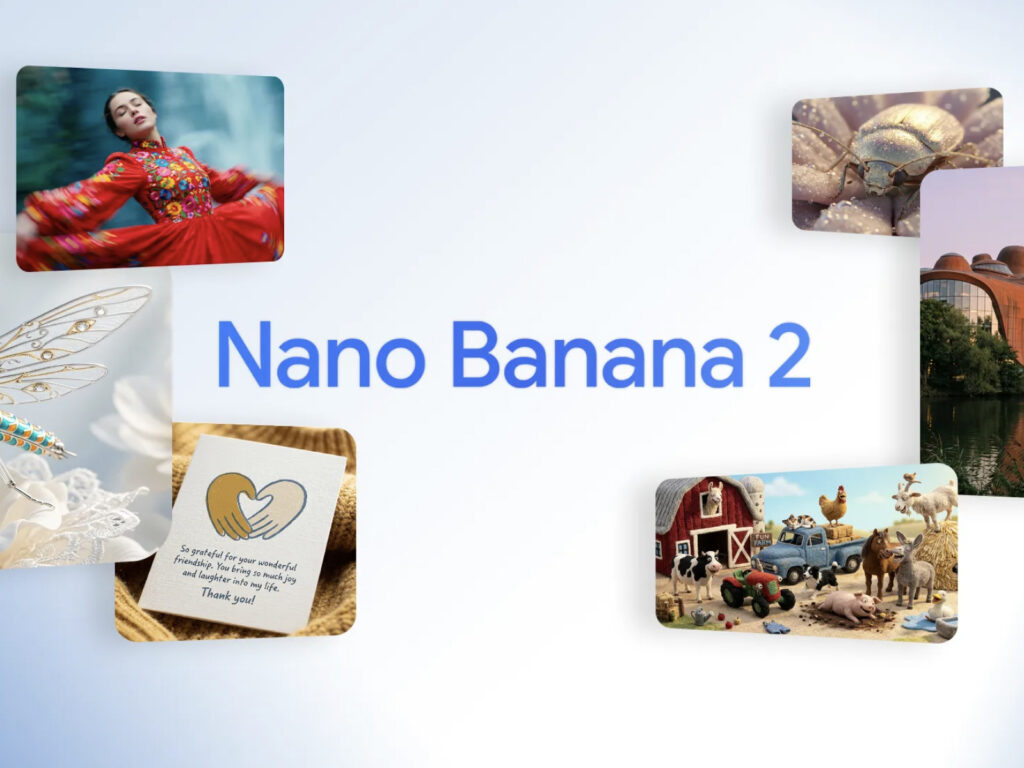
Google DeepMind unveiled the image generation model Nano Banana 2 on February 26, 2026. Officially named Gemini 3.1 Flash Image, its key feature is the combination of professional-grade capabilities and Flash-level speed. Following the Nano Banana gaining attention through viral spread last August and the release of Nano Banana Pro in November, the company explains that this latest model combines the strengths of both products into a single unit.
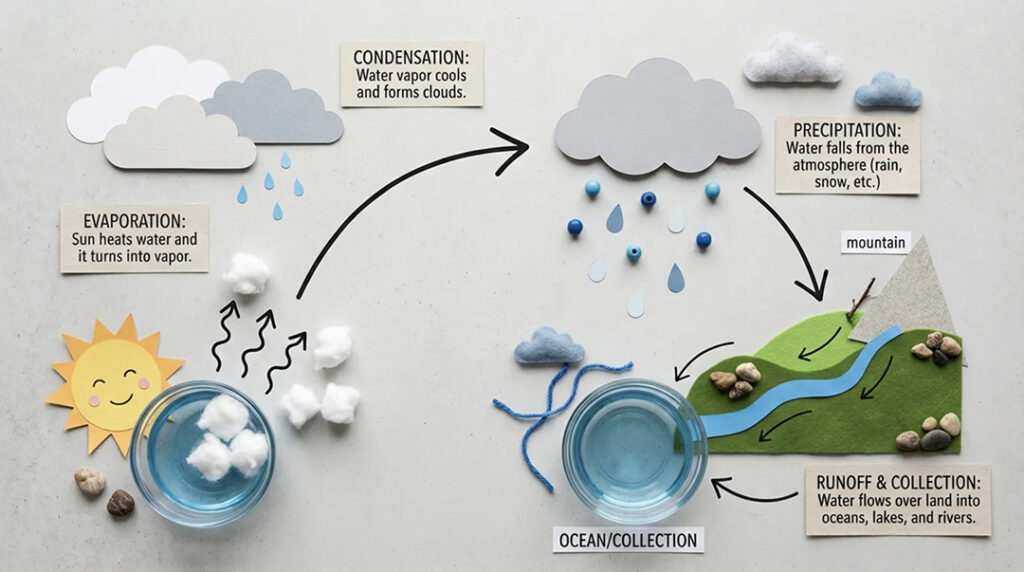
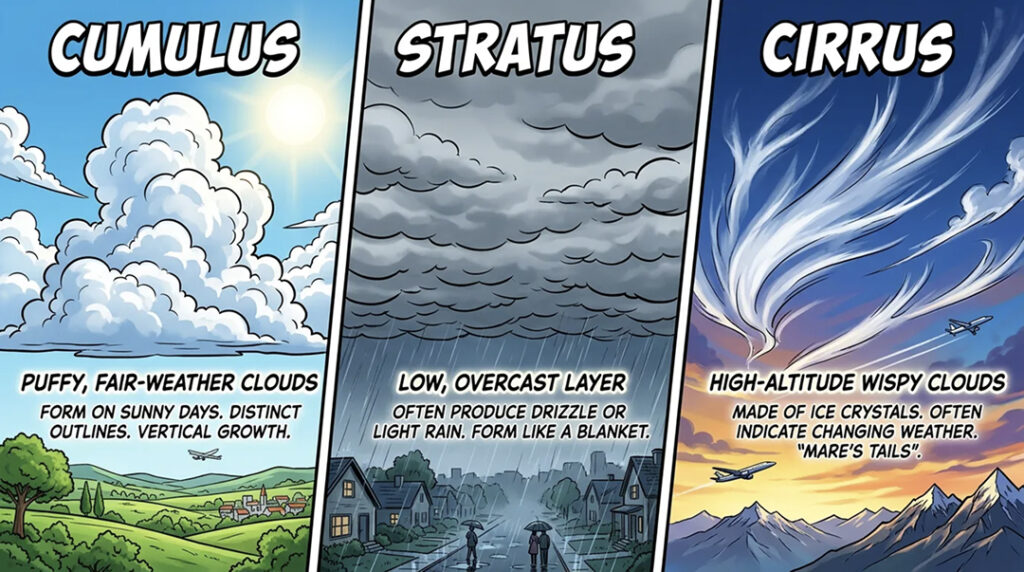
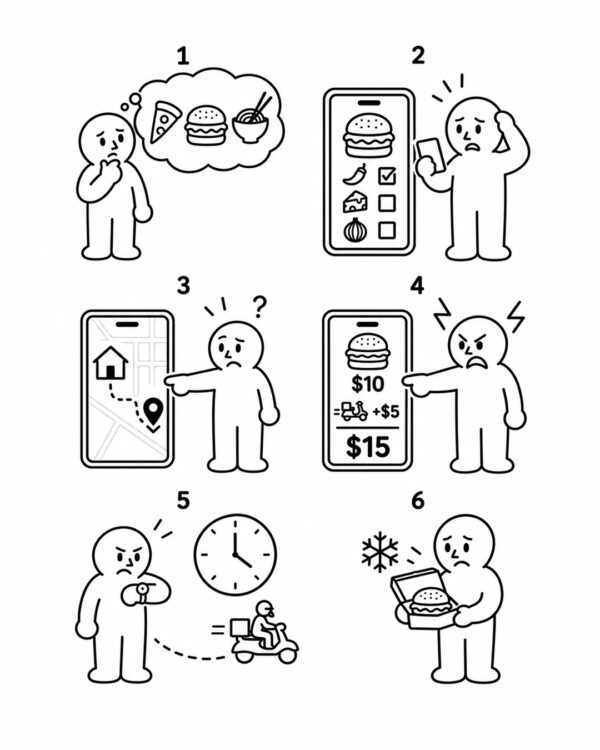
The key change highlighted by Nano Banana 2 is the simultaneous enhancement of speed and accuracy. The model stated that it can create more accurate descriptions of specific objects based on real-time information and images obtained from web searches. This approach extends beyond simple generation to productive tasks such as infographics, diagrams, and data visualization. Features that clearly render text within images and translate in-image text into other languages for localization were also emphasized.
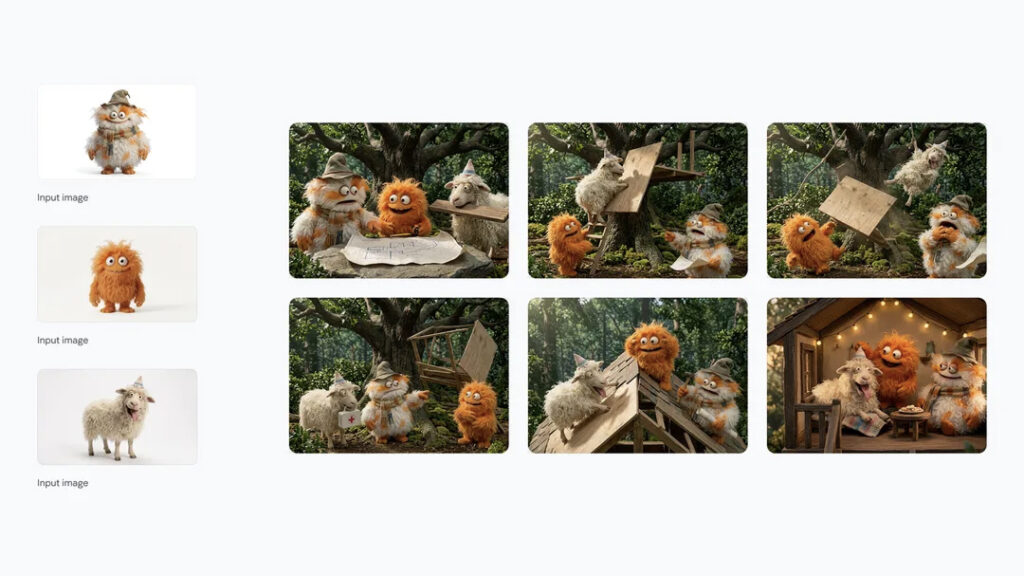
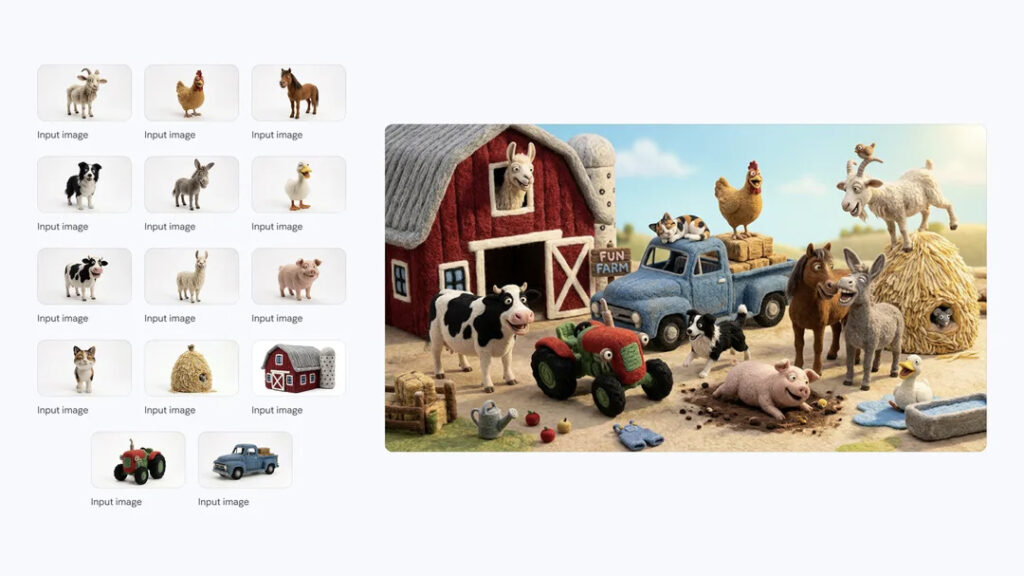
The creative control features also maintained a professional level. It was announced that users can manage the form fidelity of up to 14 objects within a single workflow while maintaining the similarity of up to five characters. It was also stated that the ability to follow instructions more strictly has been improved. In terms of production specifications, it supports a wide range of resolutions and aspect ratios from 512 pixels to 4K, aiming for ready-to-use output ranging from vertical social creatives to large banners.
The deployment strategy involves expanding across the entire Google product family. It was stated that within the Gemini app, Nano Banana 2 operates as the default model in Fast, Think, and Pro modes, while paid subscribers can regenerate it into Nano Banana Pro via the menu to continue specialized tasks. In Search, it is applied in AI mode and Lens, and is also included in AI Studio, the Gemini API, and Vertex AI Preview. It was revealed that in Flows, it switches to the default image model and is utilized for suggestion generation in the Google Ads production workflow.
As generative images become mainstream, attribution has emerged as a critical priority. Google stated that it is pursuing the integration of SynthID watermarking with C2PA content credentials, aiming to provide context on how an image was generated, going beyond simply determining whether AI was used. Additionally, it revealed that the SynthID verification feature of the Gemini app has been used over 20 million times since its launch in November 2025. The Nano Banana 2 is interpreted as a signal that the company intends to simultaneously compete not only in speed but also in the infrastructure of verification and marking.