Google has unveiled its next-generation AI weather model. Based on this model, the company has completely upgraded the forecasting experience across its core products, including its search service and the Gemini Pixel Weather Map API. The new model is called WeatherNext 2. Google DeepMind and Google Research claim that this model is eight times faster than existing AI models and offers significantly improved accuracy. This is because in an era where weather increasingly influences decisions, such as logistics, air routes, and daily travel, more sophisticated algorithms are needed.
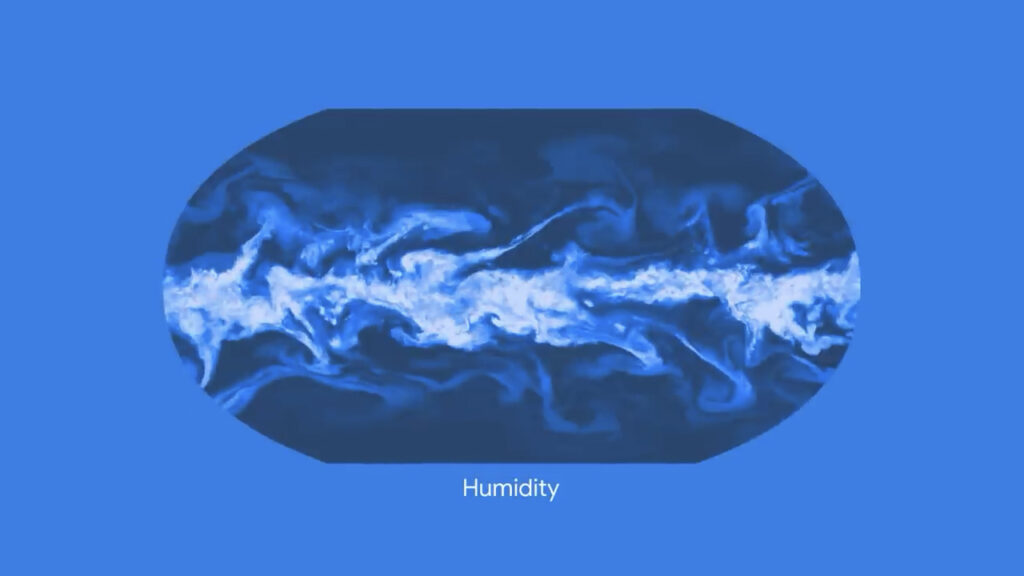
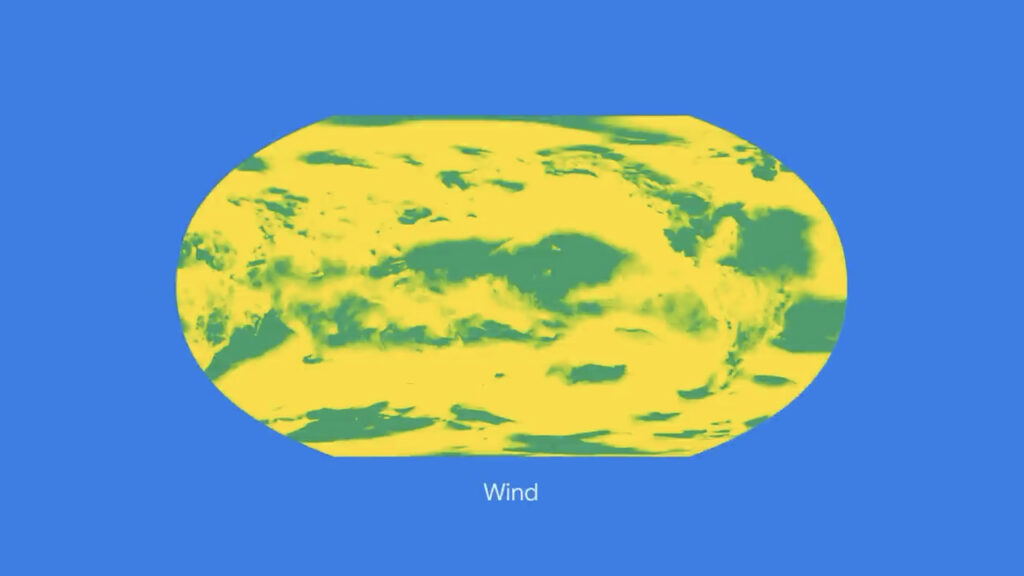
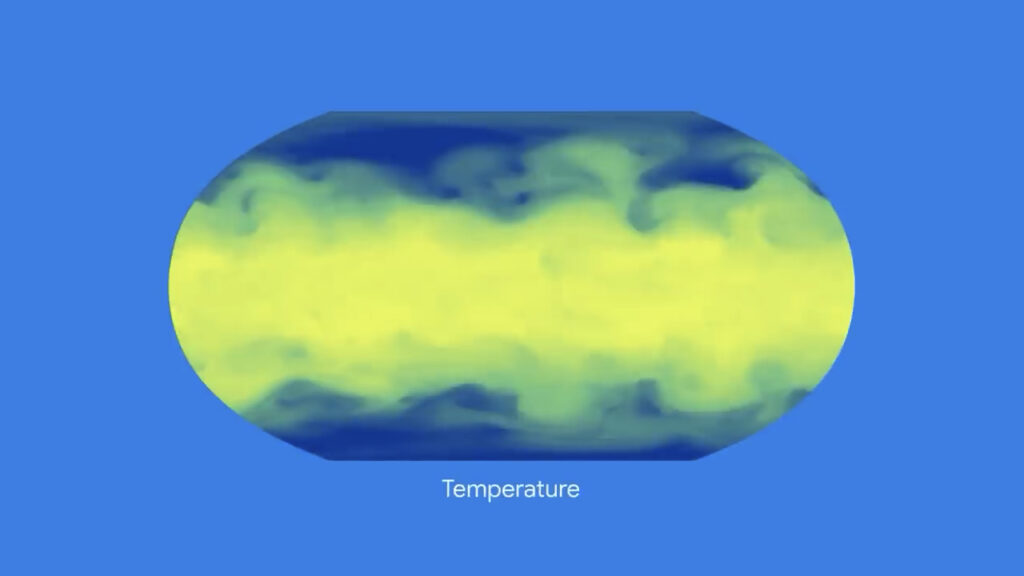
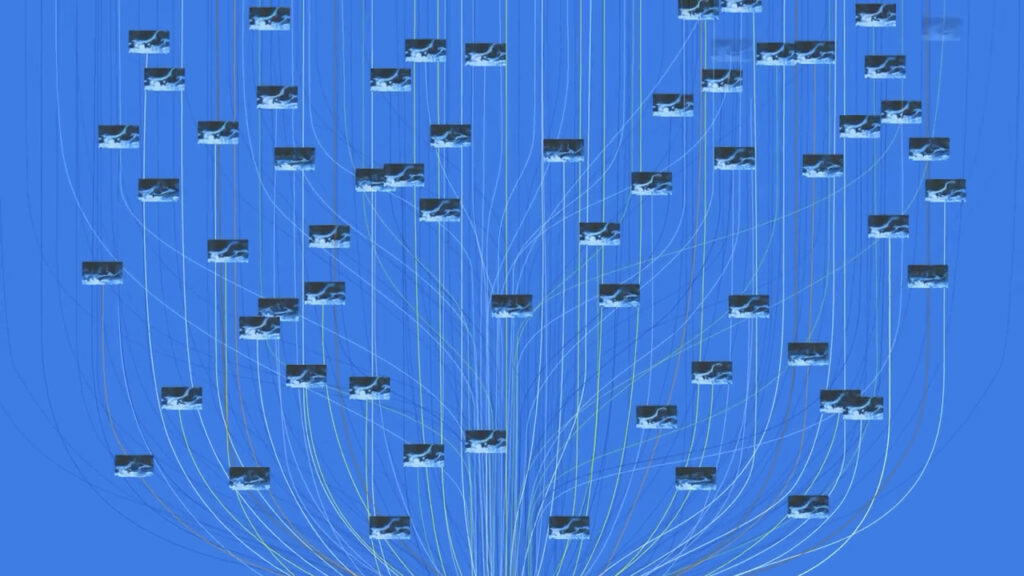
At the heart of WeatherNext 2 is a novel approach called a feature-generating network. This technology injects sophisticated noise into the model, allowing it to simultaneously generate hundreds of possible outcomes from a single input. Its speed is also noteworthy: a single TPU can complete physics-based forecasts in under a minute, a task that would take a large supercomputer hours. This approach has helped improve the accuracy of hourly forecasts and has been evaluated as outperforming existing models in predicting variables such as temperature, wind speed, and humidity.
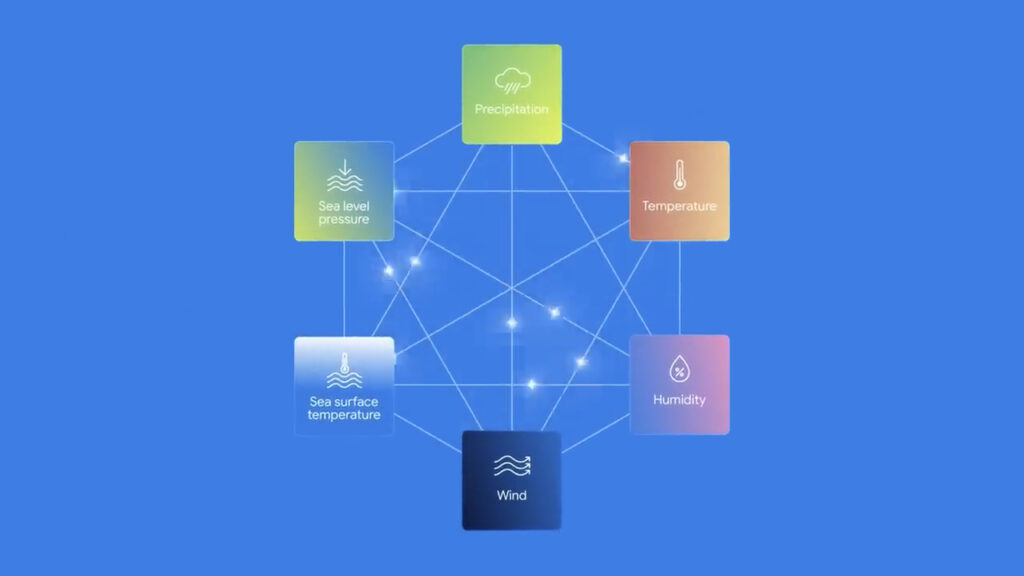
Another significant change is the enhanced ability to predict large-scale weather systems by learning individual elements. Interpreting interconnected weather patterns, such as predicting where heat waves will continue or the amount of wind power generated, has become easier than ever. Google has also applied this technology to cyclone prediction experiments and supported several government agencies.
This announcement symbolizes Google's strategic shift toward applying research findings to real-world products. WeatherNext 2 is already integrated into the Gemini Pixel Weather Map platform for Search and will be expanded to Google Maps in the future. Furthermore, an early access program for enterprise customers has been launched, opening the door for customized models to a wide range of industries, including energy, agriculture, and transportation. Forecast data can also be leveraged in Earth Engine and BigQuery, broadening the analytical environment for researchers and developers.
The competition in weather AI is intensifying. Global companies, including the European Centre for Medium-Range Weather Forecasts, NVIDIA, and Huawei, are developing their own models to compete for the lead. Google has announced plans to further evolve its technology by integrating more data and expanding its reach. As the way AI interprets future weather is rapidly being reshaped, attention is focused on the changes this model will bring.