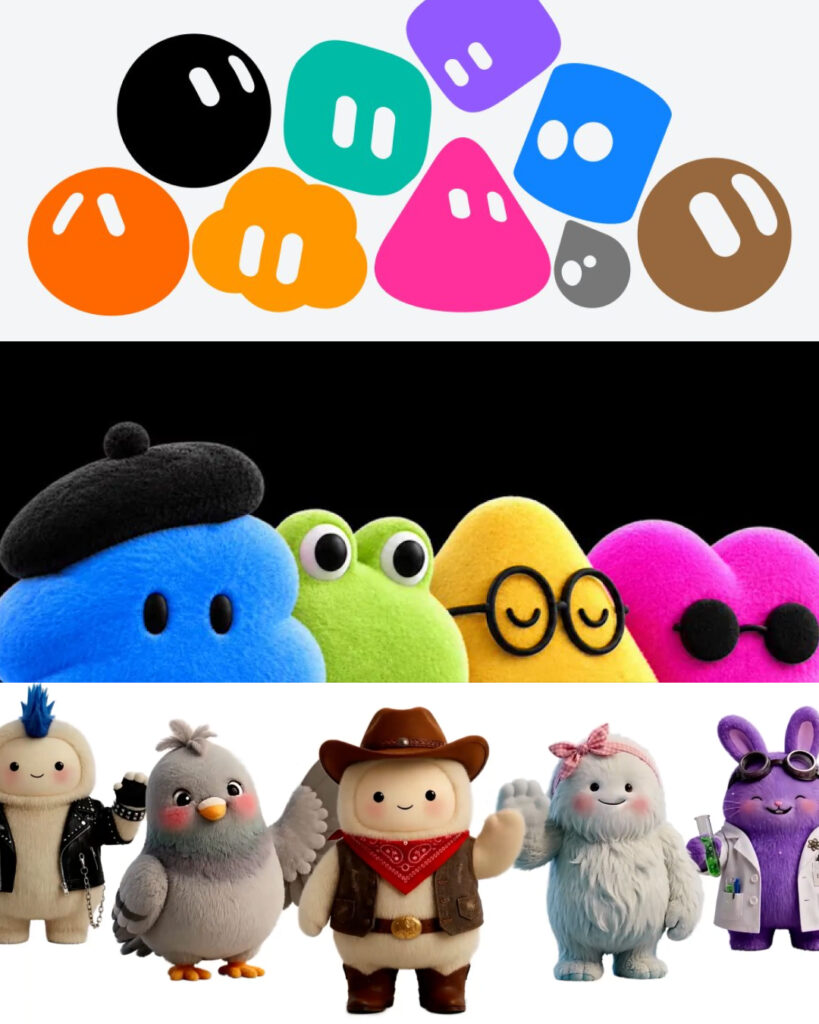
OpenAI recently unveiled its AI agent, 'Dots.' These small characters, differing in color, shape, and expression, handle tasks on behalf of the user. Grok Bot uses animated avatars to display work status, while Meta features 'Jolly,' resembling a stuffed animal, as the face of Muse. Notion has also incorporated agent characters into its product that allow users to customize their names and accessories.
These changes coincide with a time when the scope of AI agent usage expands beyond development and professional tasks into everyday life. Agents are no longer limited to providing information; they now manage emails and schedules, assist with reservations and purchases, and perform tasks across multiple apps. Companies are giving complex automation technologies faces and personalities to make them easier for general users to understand and comfortably entrust to them.
Why did Big Tech companies choose characters around the same time? What role will characters play in software in the future? This article examines the background behind the emergence of characterization for AI agents, the design strategies of each company, and the changes they will bring to software interfaces.