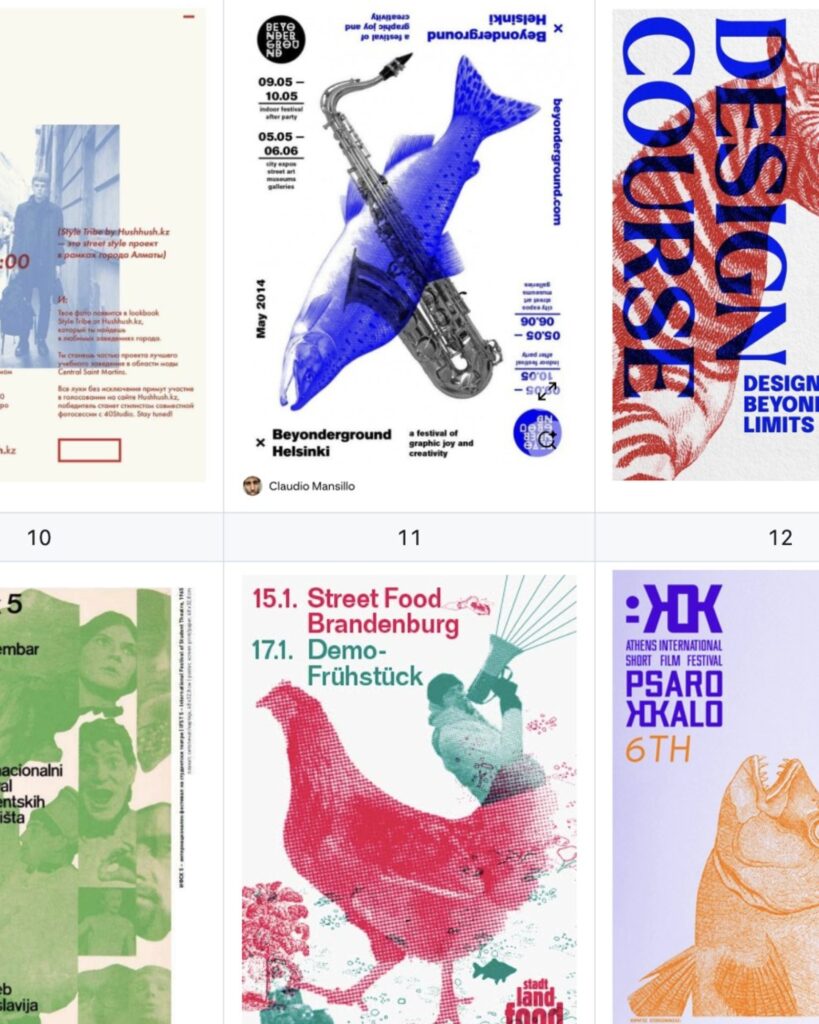
This is a design skill that transforms topics, text, and photos into monochrome or limited two-color print-format images. According to the description on GitHub, this skill aims to create editorial graphics used for posters, zines, portraits, packaging, visual notes, and more.
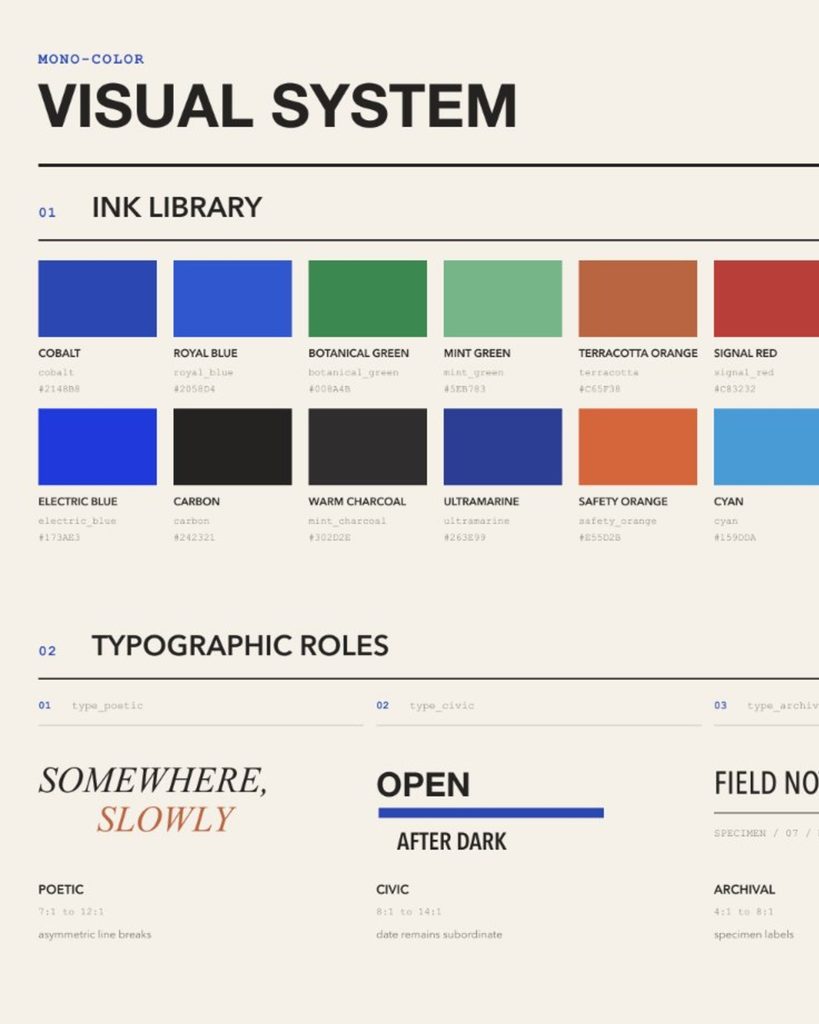
This skill does not apply a solid color filter to a photograph. It reads the input subject, intent, text, and image role, and reconstructs the screen. The basic rules are a neutral paper background, one or two inks, wide margins, strong typography, halftones and grain, and slight print misalignment. If a solid color is explicitly requested, a single printing plate is used, and auxiliary ink is added only in limited amounts when necessary.
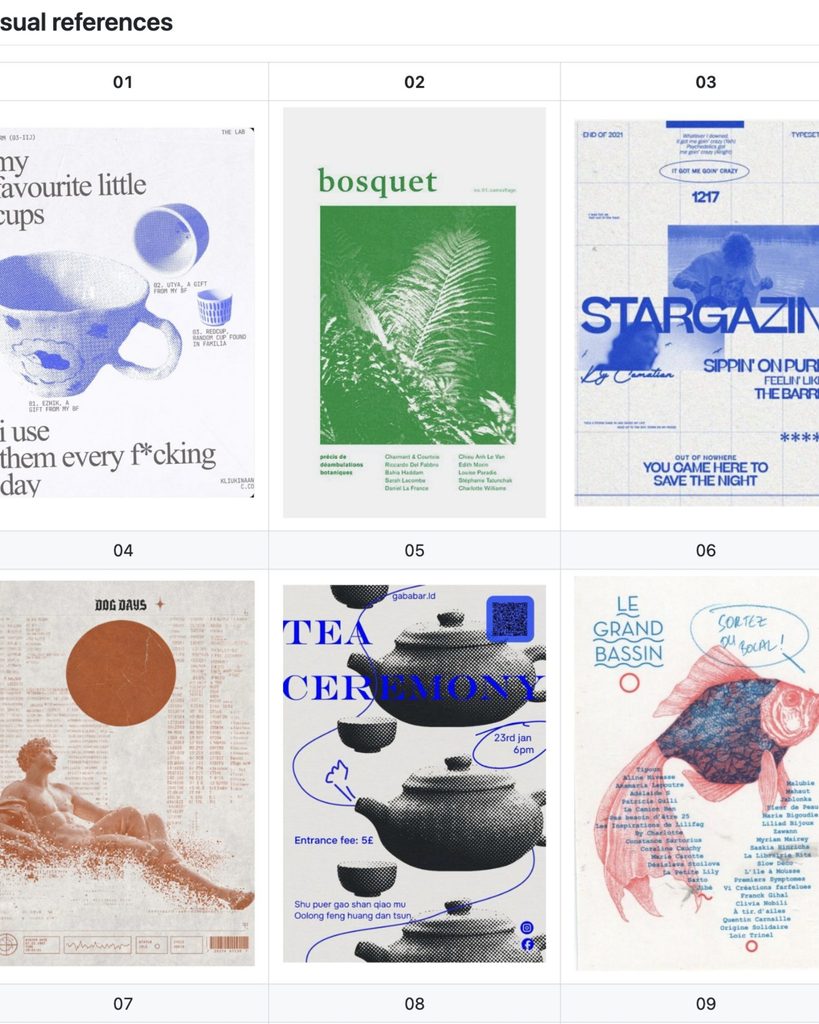
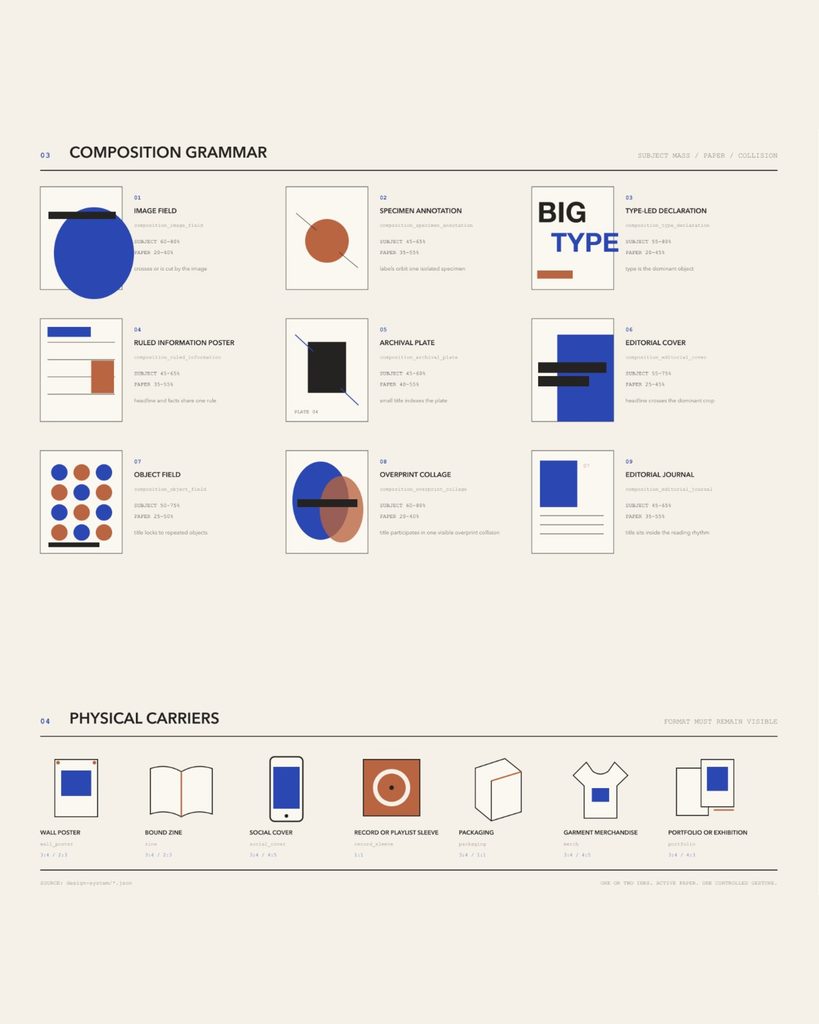
An interesting aspect from a design perspective is that style is treated as a system rather than an image effect. Colors are limited to a maximum of two, and margins are set to occupy 25 to 551 TP3T of the screen. Photographs are processed to look like actual printed pages rather than smooth digital images. Reference images are used as compositional grammar rather than objects for reproduction.
Its range of applications is also wide. It can be applied to activity posters, social media images, brand visual exploration, music and podcast covers, zine and magazine headlines, and personal photo redesigns. Users can input a topic, such as "Make a city bike poster," or upload photos to transform them into edited print materials.
See more and sources