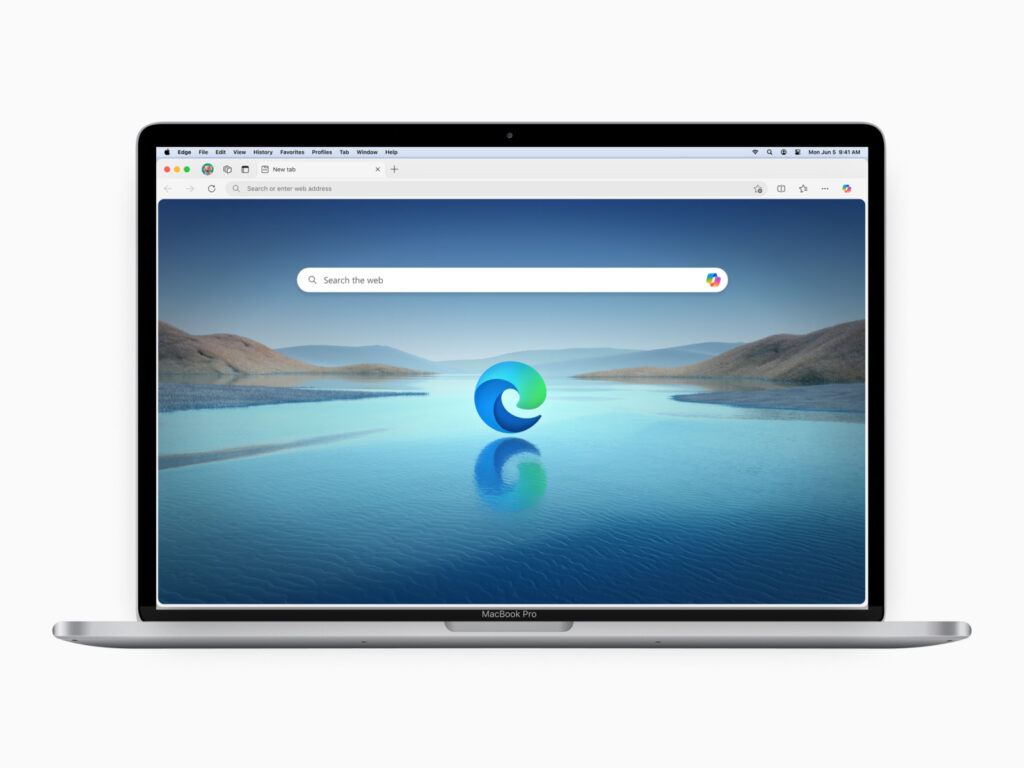
Microsoft announced on its official blog that Edge browser has reached a major milestone in UI speed improvements. It now takes less than 300 milliseconds for the first screen elements of a website to be displayed to the user. This is a fast rendering of initial content such as text, images, and interface elements.
This metric is a performance metric called 'First Contentful Paint (FCP)' that Google introduced in Chrome in 2017, and it measures the time for the first meaningful element on a webpage to appear on the screen. Microsoft explained that "industry research has shown that if FCP exceeds 300-400 milliseconds, it has a negative impact on user satisfaction" and emphasized that its Edge meets this metric. However, FCP does not mean the time for the entire page to completely load.
These performance improvements are also expected to have an impact on Edge’s market share expansion. Edge currently has a global browser market share of less than 5%, while Google Chrome has about 68%. In addition, Microsoft is also focusing on improving browser performance, considering the possibility of new competitors such as OpenAI entering the browser market.
These improvements are the result of Microsoft’s ongoing shift to the “WebUI 2.0” architecture, which aims to make browser UIs more responsive by minimizing the size of code bundles and the amount of JavaScript that runs on initialization. The company said in February that downloads, history, and private tab creation were up to 40% faster on average, and it has since reported similar speed improvements in 13 other features.
Some of the features that have been improved include: The browser settings menu opens and navigates faster; the AI-powered voice-reading feature, 'Read aloud', plays back languages and accents more smoothly; the split-screen feature provides near-instant switching and a lag-free experience; and the 'Workspace' feature lets you start working more intuitively the moment you open a page.
Microsoft plans to introduce additional performance improvements to other features, including Print Preview and extensions, in the future. “We’ve made the browser features you use most responsive, so you can access content faster,” the company said, adding, “We’re going to dramatically improve the quality of your online experience with speeds that surpass industry standards.”