
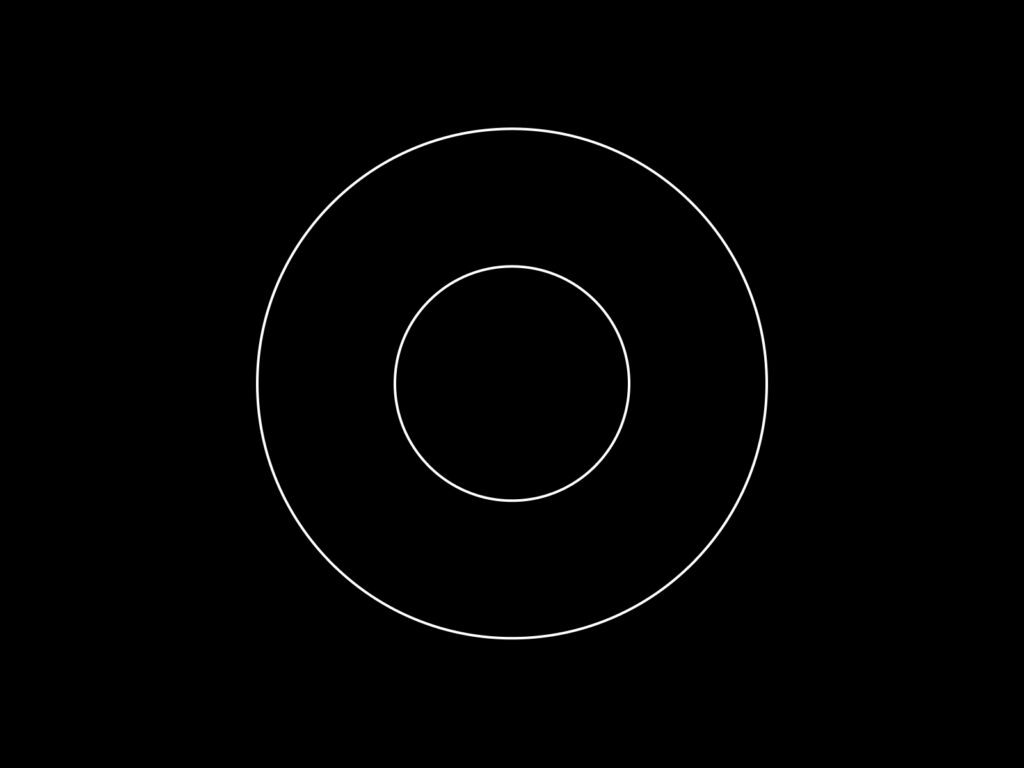
Humans learn the knowledge of their predecessors. They accept knowledge already discovered by others, theories systematized, records of failures, and accumulated skills. Furthermore, they gather the necessary inputs from their respective environments to build knowledge within themselves. The scope of this knowledge constitutes a person's 'circle of knowledge.' Education has long been the activity of expanding this circle. It has been a process of reading more, learning more, and training more to acquire at least the minimum qualifications.
However, with the advent of AI, this structure is changing. The cost for an individual to expand their circle of knowledge has now dropped dramatically. One can quickly grasp unknown concepts, master the language of unfamiliar fields in a short time, and even receive assistance from AI for drafts and execution methods. The minimum qualifications that previously required long hours of training to reach are becoming increasingly accessible. Therefore, the important question now changes. In an era where everyone can easily acquire the basics, what makes the difference?
Acquiring existing skills is becoming increasingly easy. Abilities such as writing, coding, image creation, research, translation, and analysis can be rapidly supplemented by AI. However, combining skills to produce new results remains difficult. If you use the same tools, think in the same way, and repeat the same actions, the results will be similar. To produce new results, you must act differently than before.
Therefore, what is important going forward is 'sharpness.' Sharpness does not simply mean having good technical skills. It is the power to see problems that others miss, hold onto them until the end, and push aside existing boundaries. It is an attitude of discovering a problem you want to solve, gathering knowledge and experience around it, and continuously moving toward higher goals. More important than predicting what AI cannot do is creating a structure that becomes advantageous to you as AI develops.
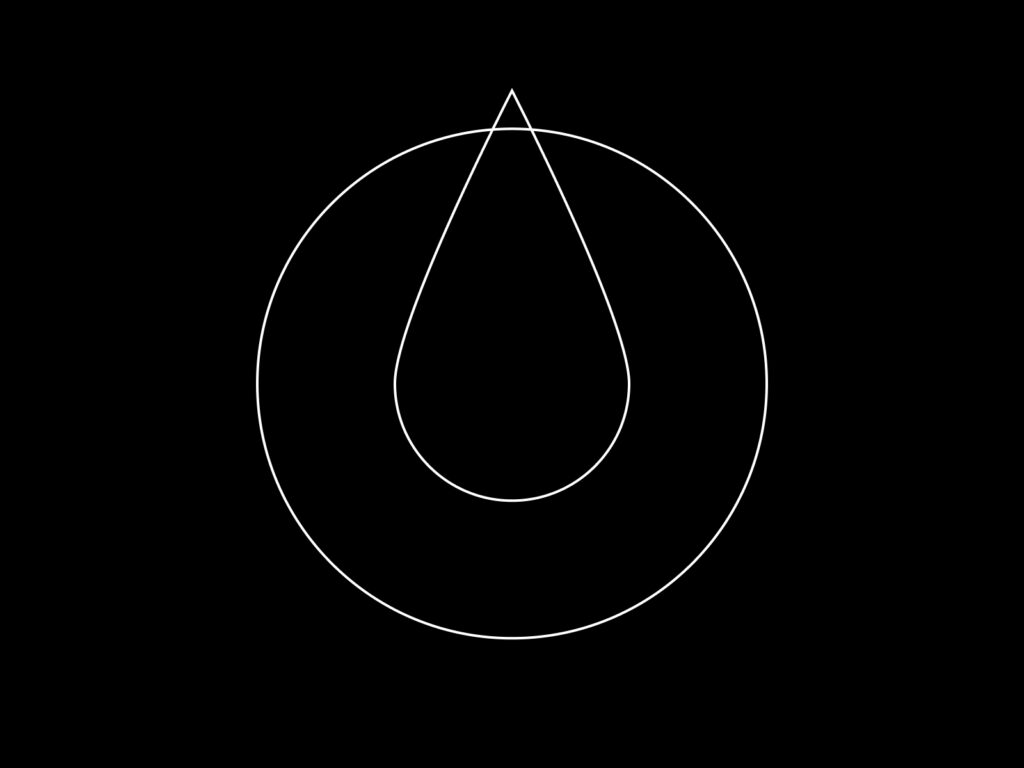
To create sharpness, you must have your own pillar. Without a pillar, no matter how much input you put in, it will scatter. Even if you read good books, use good tools, and gather a lot of information, it will not accumulate in a single direction. Conversely, if you have a pillar, all inputs connect. Once a single topic, a single problem, or a single perspective emerges, knowledge becomes not just mere information, but power.
Education in the age of AI does not stop at expanding the circle of knowledge. Now, we must decide where to push the edges of that circle. In an era where everyone can learn quickly, what you learn for becomes more important than knowing more. Those who continuously expand their circle of knowledge around specific problems, adapt skills to their own challenges, and set new goals for themselves become stronger. Technology is necessary, but not enough. Those who break through boundaries require willpower, altruism, and a spark of desire to create better results.