Casio has unveiled the 'S100X Japanese Lacquer Edition,' a variant of its flagship calculator, the S100X. The key feature of this product is the application of traditional Japanese lacquerware craftsmanship to the calculator's exterior. This can be seen as an example of clearly distinguishing the character of a product by adding an artisanal finishing technique to an industrial item.
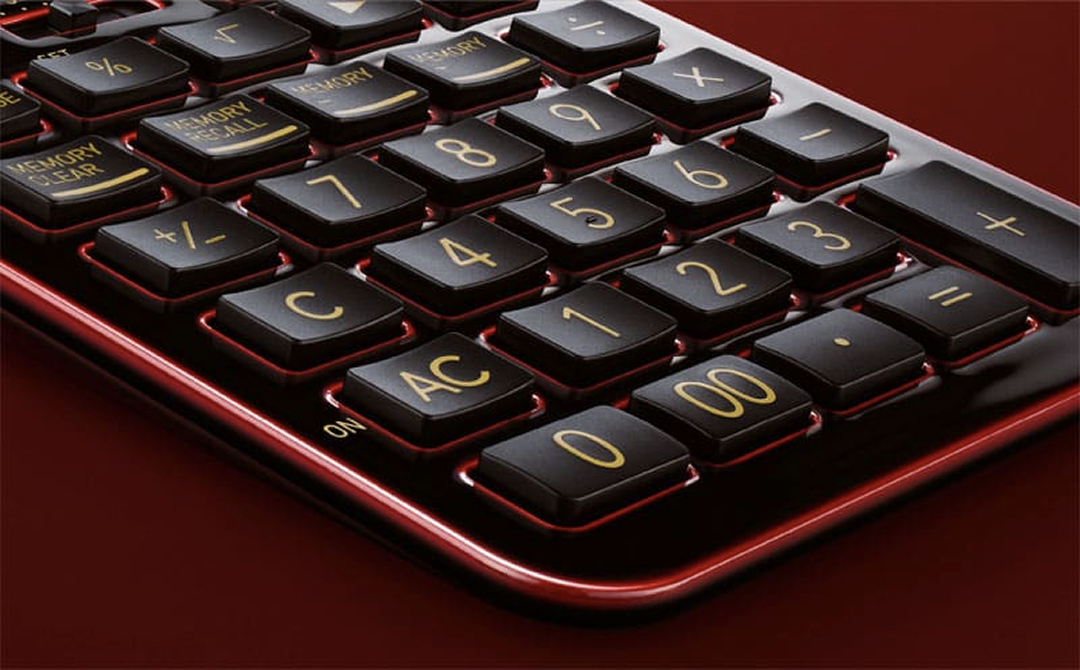
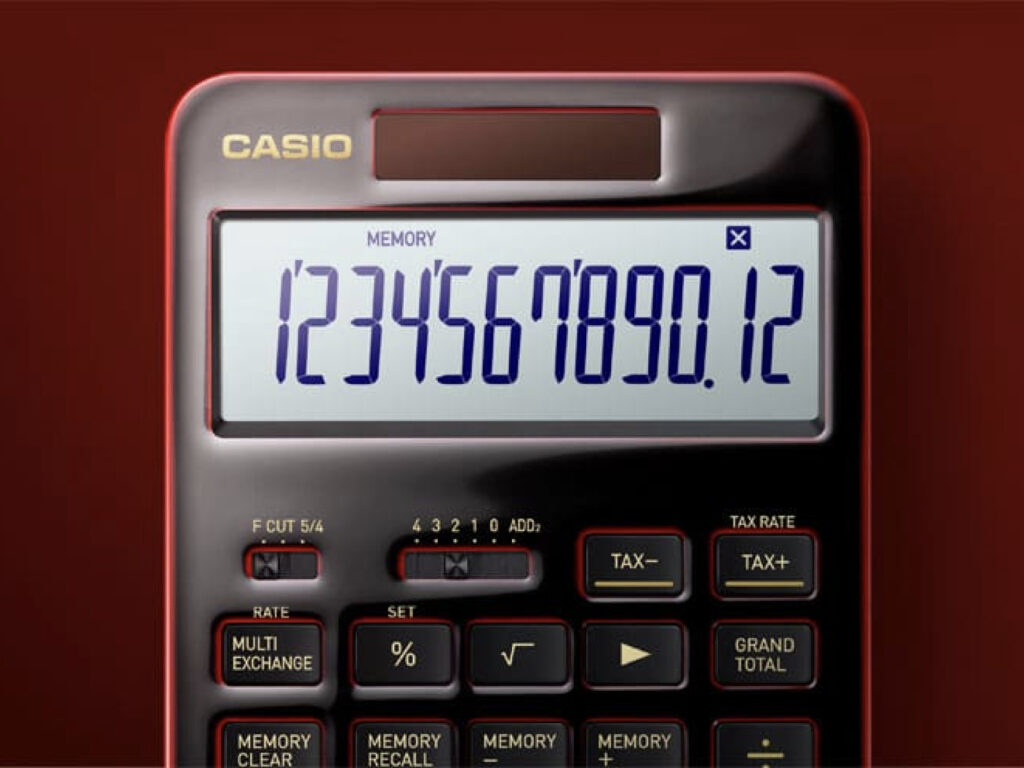
The S100X-JC1-U was produced in collaboration with Yamakyu Japanware, an Echizen lacquerware manufacturer located in Sabae, Fukui Prefecture. Japanese lacquer is applied to the product's surface in multiple layers by hand. Casio explains that the 'Tamenuri' technique was applied during this process. The edges, where the lacquer is applied thinly, retain a reddish tint and a translucent feel, while the center exhibits a deeper black gloss. This approach aims to create differences in depth even within the same shade of black.
Yamakyu Japanware is an Echizen lacquerware manufacturer established in 1930. In this collaboration, Casio focused on transferring the techniques of traditional craftsmanship to industrial products. Unlike wood or tableware, calculators require precise button and screen boundaries, and managing product-specific variations is also crucial. A key requirement for this project was maintaining consistent quality while artisans apply the lacquer by hand.
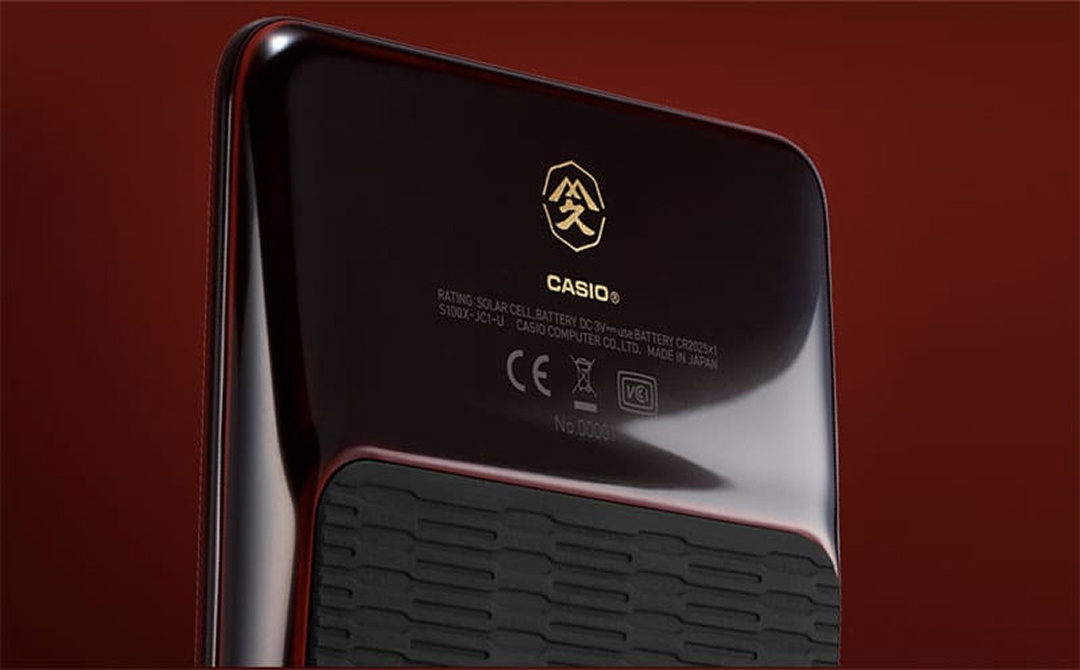
The base body is manufactured by Casio in Yamagata, Japan. Casio stated that everything from circuit board manufacturing and assembly to quality inspection and serial number engraving is carried out in Japan. The emphasis on the domestic production system also plays a significant role in this product description.
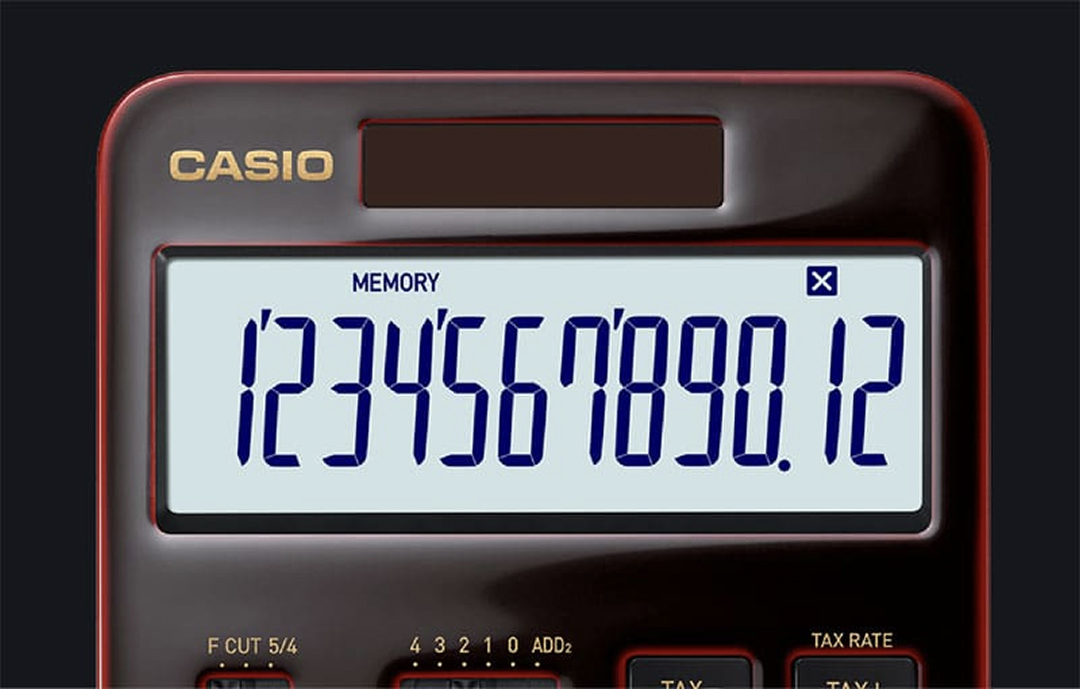
The hardware specifications also maintain the characteristics of the existing S100X. The body is crafted from a precision-machined aluminum alloy, and it features an FSTN LCD with double-sided AR coating. It also includes a pantograph-style keyboard and 3-key rollover. Some keys utilize a two-tone injection molding process to reduce character wear during prolonged use.
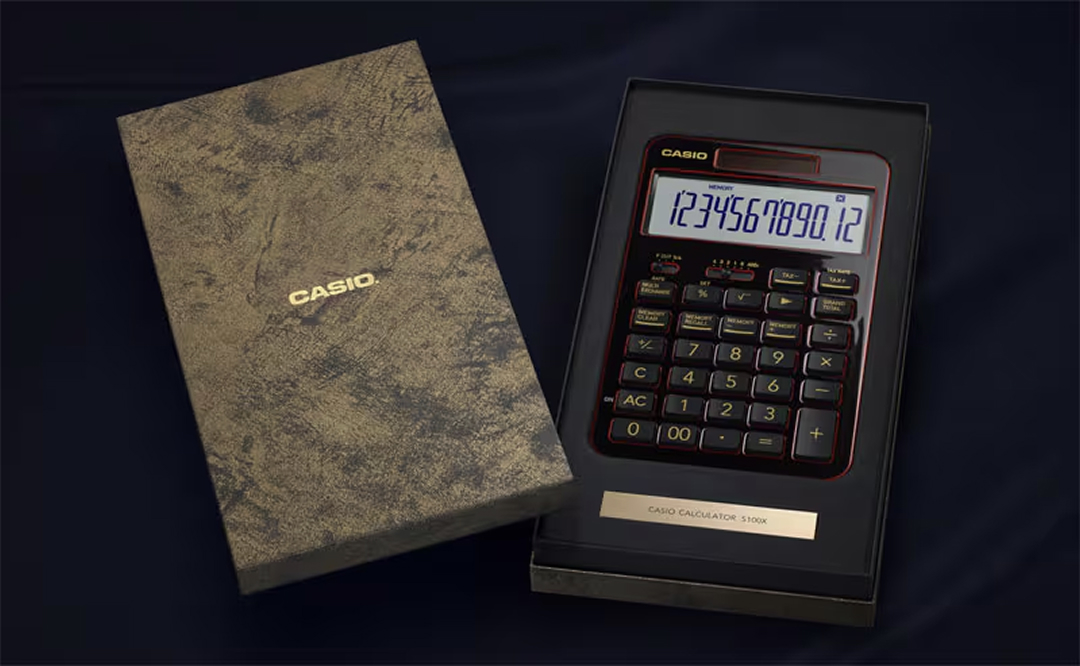
The packaging is also designed to match the product concept. Gold patterns and a gold foil logo are applied to the black box, continuing the lacquerware image. Rather than a product that replaces the calculator with new features, this S100X Japanese Lacquerware Edition is closer to a version that adds the finish and narrative of traditional craftsmanship to an existing high-end model. Through this product, Casio demonstrates a strategy of creating distinctions within the familiar category of calculators through materials and manufacturing methods.