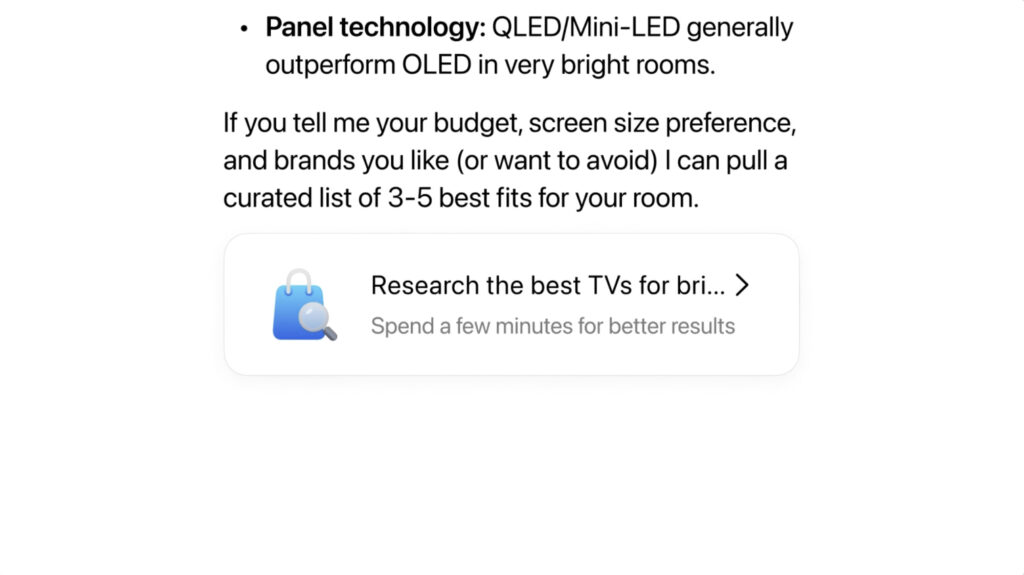
OpenAI has introduced a new shopping research feature to ChatGPT ahead of the holiday shopping season. Users can tell ChatGPT what products they want, and ChatGPT scours the internet to create a personalized shopping guide. The company announced that this feature will be available to all logged-in users on mobile and web, offering virtually unlimited access during the holiday season.
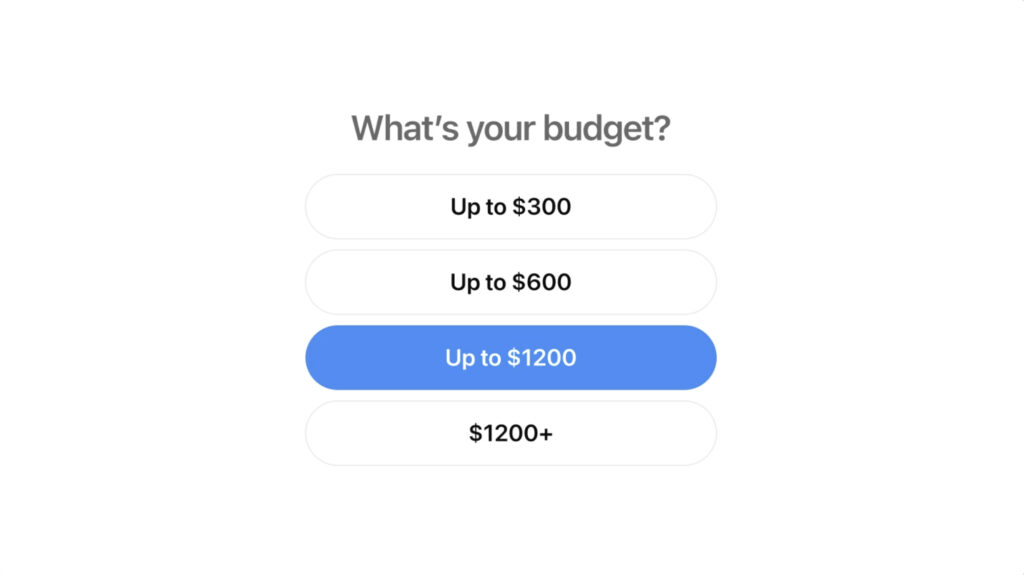
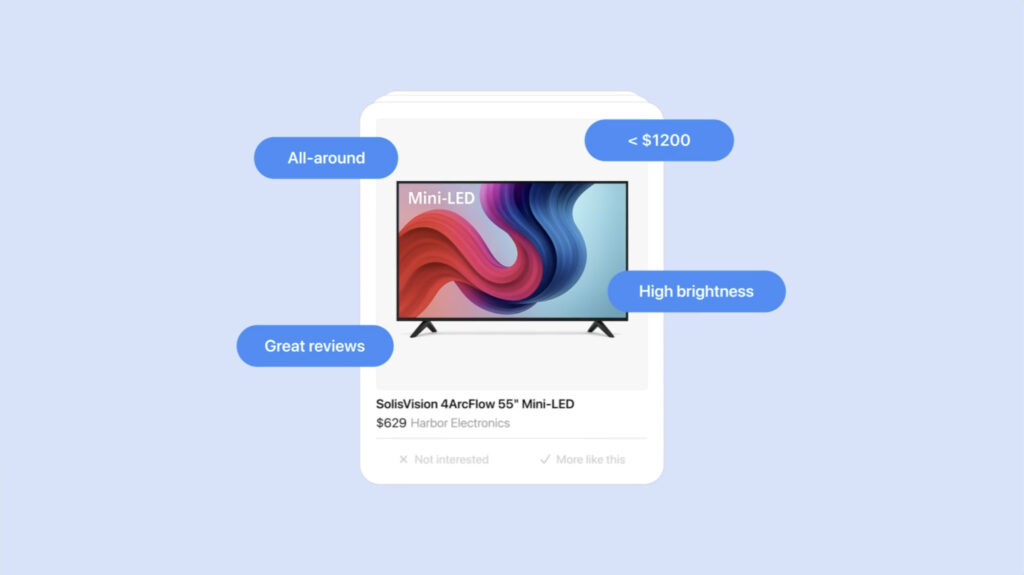
Shopping research begins with an interface that automatically suggests products when users ask questions. As users describe their budget or key features, ChatGPT gathers relevant information and narrows down the list of potential products step by step. Users can select items they want to learn more about and eliminate those they don't. This process is repeated, resulting in results tailored to their individual preferences and goals.
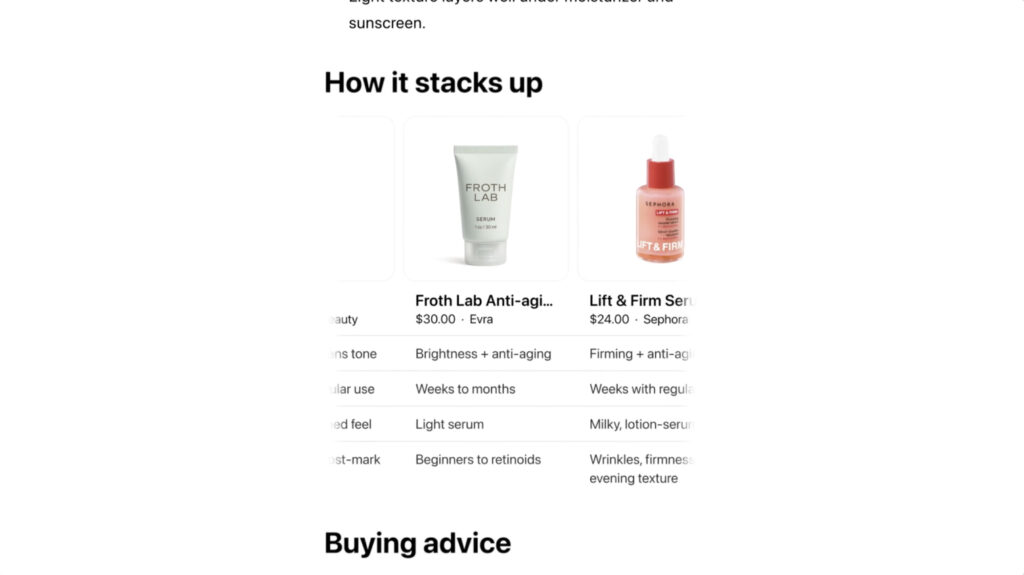
This feature excels in complex product comparisons. It aims to quickly provide detailed information and comparisons for product categories with diverse selection criteria, such as electronics, home appliances, cosmetics, and sports equipment. While existing answers suffice for simple price checks or single-feature reviews, Shopping Research provides a structured buying guide in minutes for questions that require consideration of various constraints and tradeoffs.
OpenAI explained that this feature was developed by enhancing a GPT 5 Mini-based model specifically for shopping tasks, designed to read trusted sites and reflect the latest prices, inventory reviews, and product specifications. They added that if the user has the memory feature enabled, it can provide more personalized criteria based on previous conversations.
Pro users can also leverage shopping research in ChatGPT Pulse. Pulse analyzes past conversations to automatically suggest purchasing suggestions. For example, if you've had multiple conversations about electric bicycles, you might see cards recommending related accessories.
OpenAI emphasized that users' conversations are not shared with sellers during the search process and that results are based on organic search, not paid exposure. They also stated that they prioritize reliable sources and avoid low-quality sites to enhance information quality. However, they cautioned that information such as price and availability may fluctuate, so users should always check the seller's page before making a purchase.
OpenAI says this feature is just the beginning, and plans to support more categories and comparison methods in the future to simplify product discovery and improve the quality of recommendations tailored to user preferences.