Leaving Bangkok, a city steeped in countless stories from ancient times to the present, I headed north. Chiang Mai is well-known as a city of leisure and relaxation. Trying to make the most of Bangkok in a short time, I found myself running around nonstop, and the scorching sun made it difficult to fully immerse myself. So, I left the bustling city of Bangkok and headed to Chiang Mai, a more laid-back mecca for digital nomads.
After a short flight, the airport was only about a 10-minute drive from downtown. Despite its small size, I felt a strange sense of comfort upon arrival. In a city where motorbikes are the main mode of transportation, the first things that come to mind are usually fast speeds and honking horns, but Chiang Mai lacked that hustle and bustle. Everyone moved quietly at a slow pace, and the city flowed quietly without any unnecessary noise. The cool weather and low prices allowed me to enjoy massages and delicious food without feeling burdened, further enhancing my sense of relaxation. In every sense, it was the ideal city for travelers to relax.
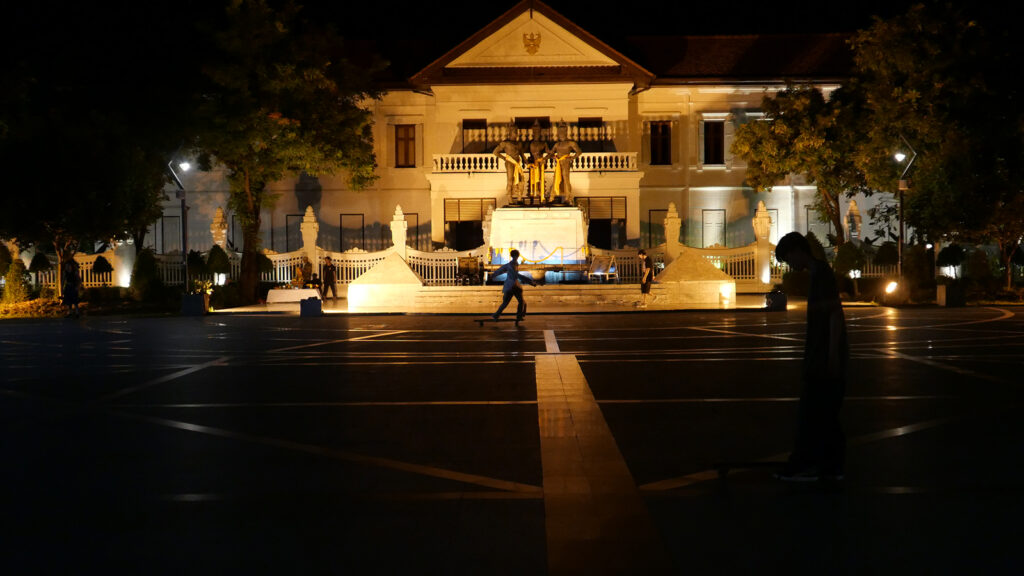
Old Town was established by King Mengrai, the founder of Chiang Mai, when he moved his capital. True to its Thai name, "New Town," it now holds a vivid remnant of its ancient past as the capital of the Northern Thai Lanna Kingdom for 500 years. Under the low, wide-open sky, ancient buildings stand side by side, clouds hanging over the mountain ridges, and the slow-moving motorbikes and cars slow the pace of the city, creating a sense of timelessness.
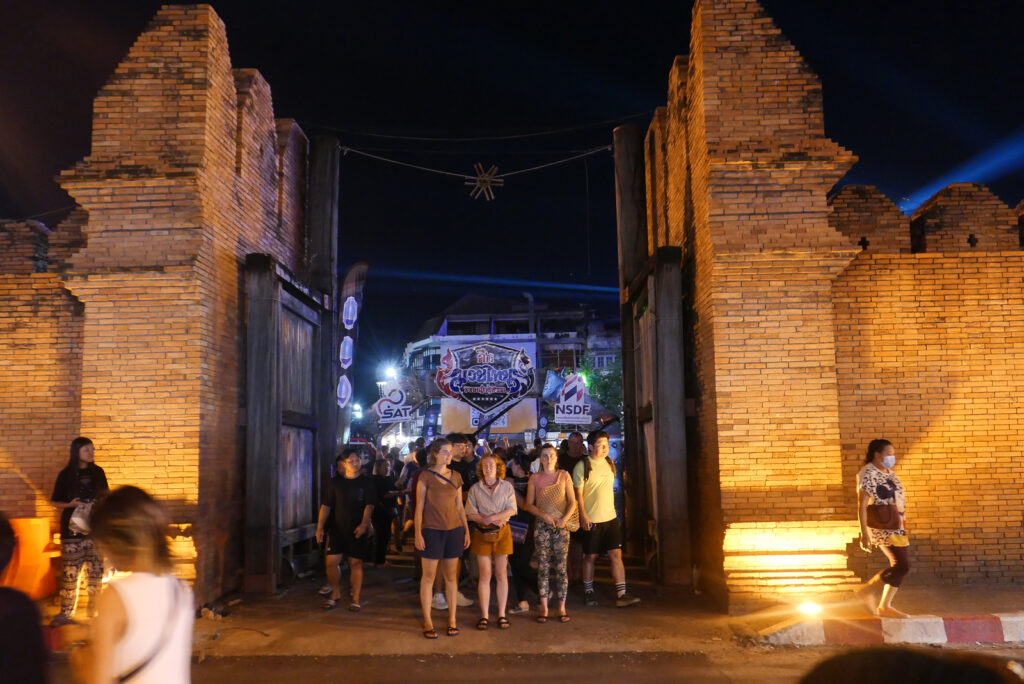
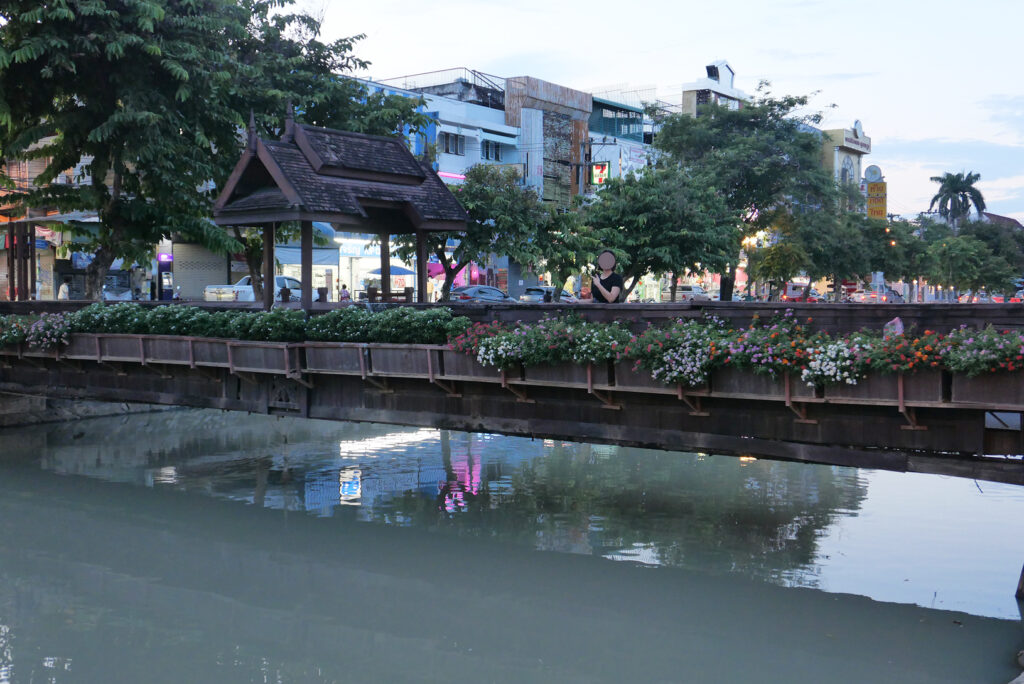
Crossing the moat and entering the castle walls, you're immediately struck by the sense of entering a fortress of the past. The square walls and gates are clearly depicted, creating a particularly strong impression of a "world within a fortress" compared to other historic sites. Just taking a few steps within the walls feels like entering a strangely new world.
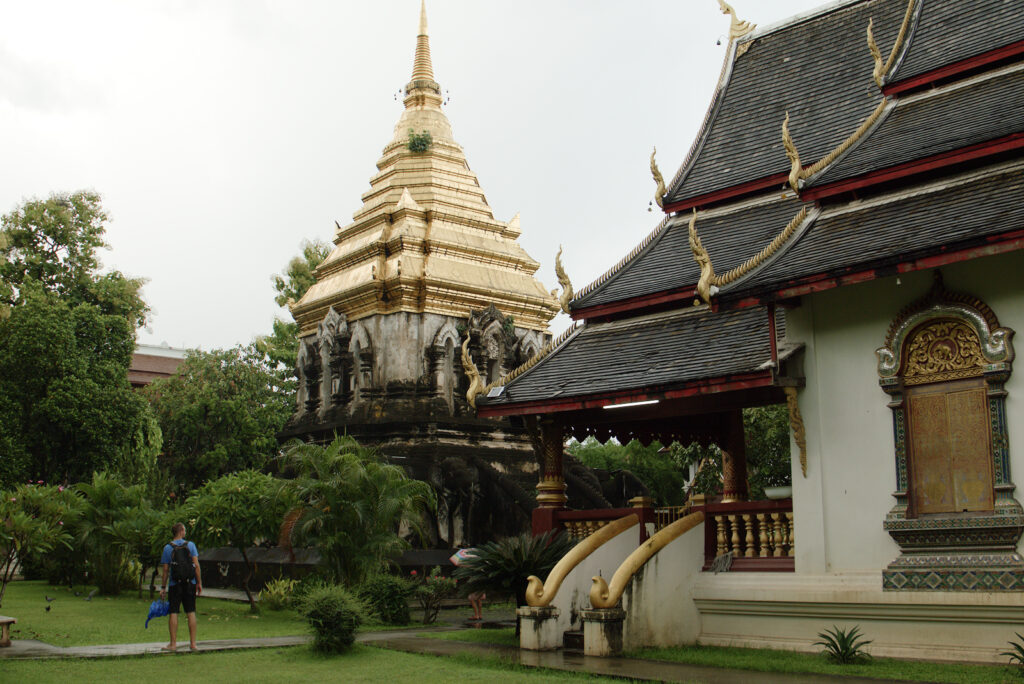
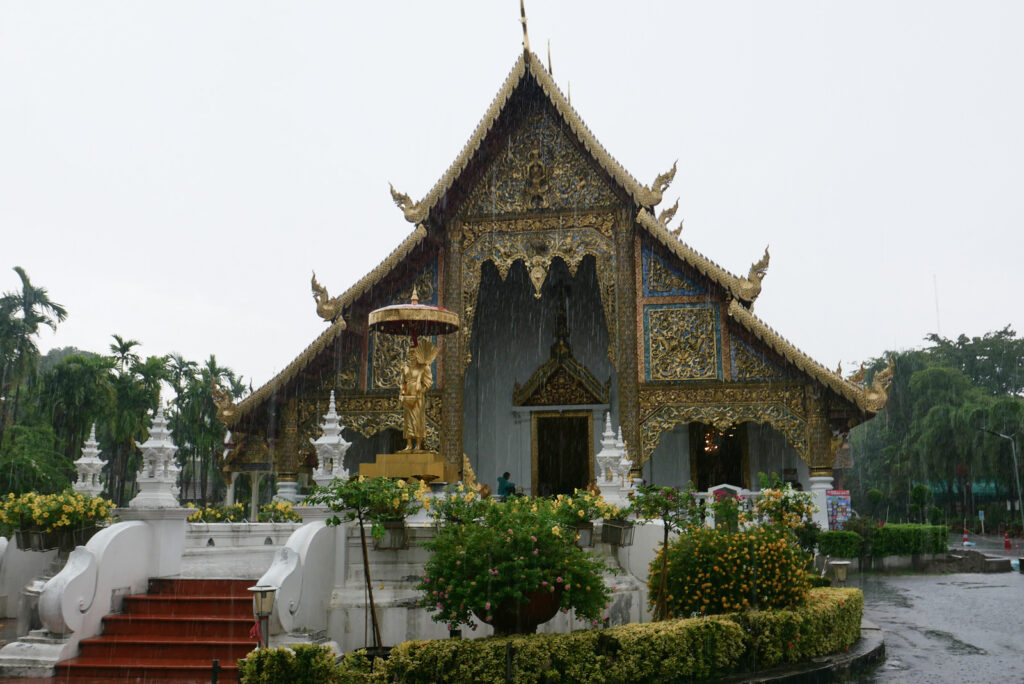
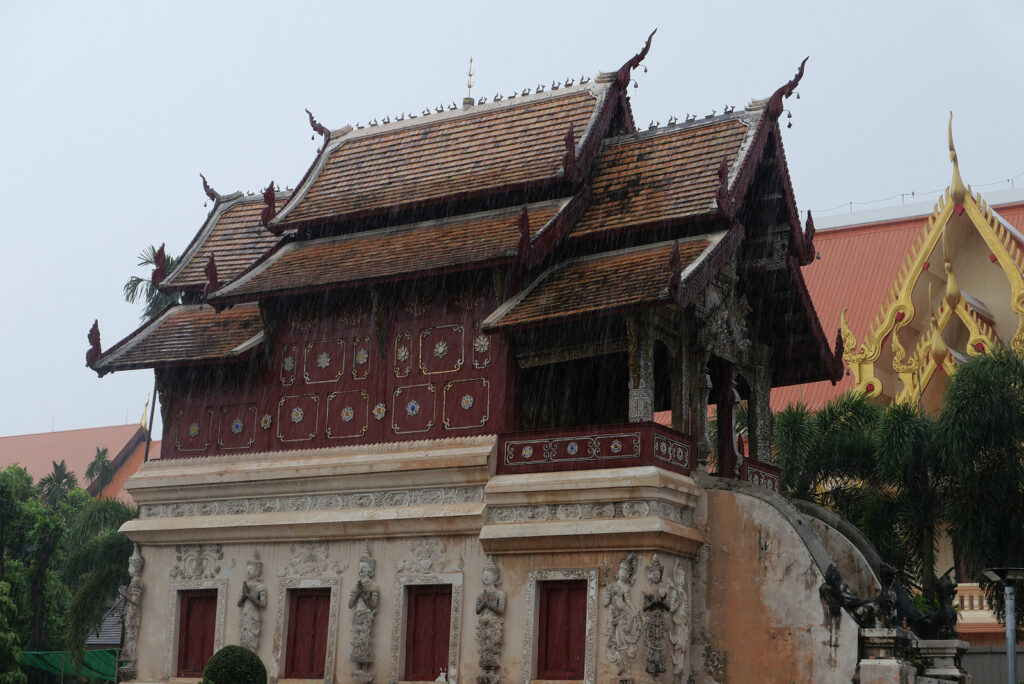
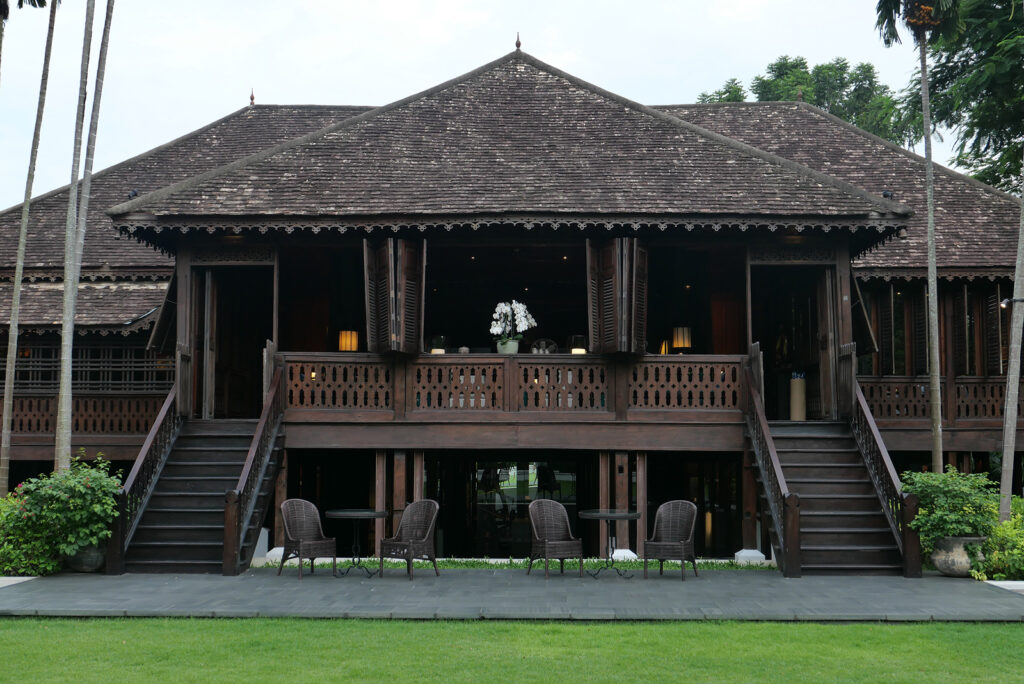
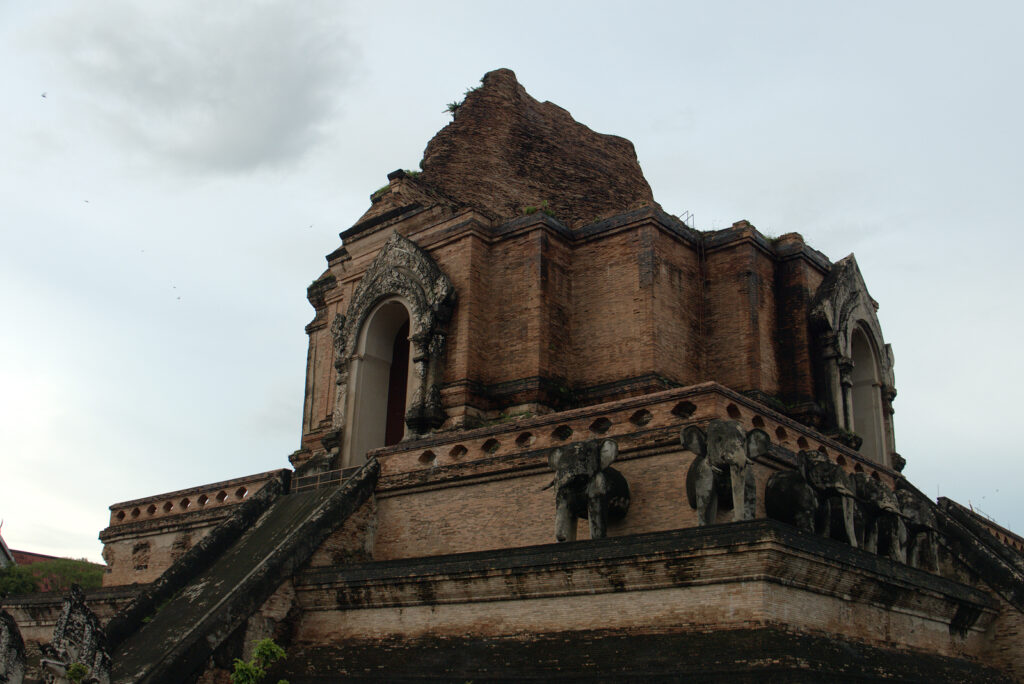
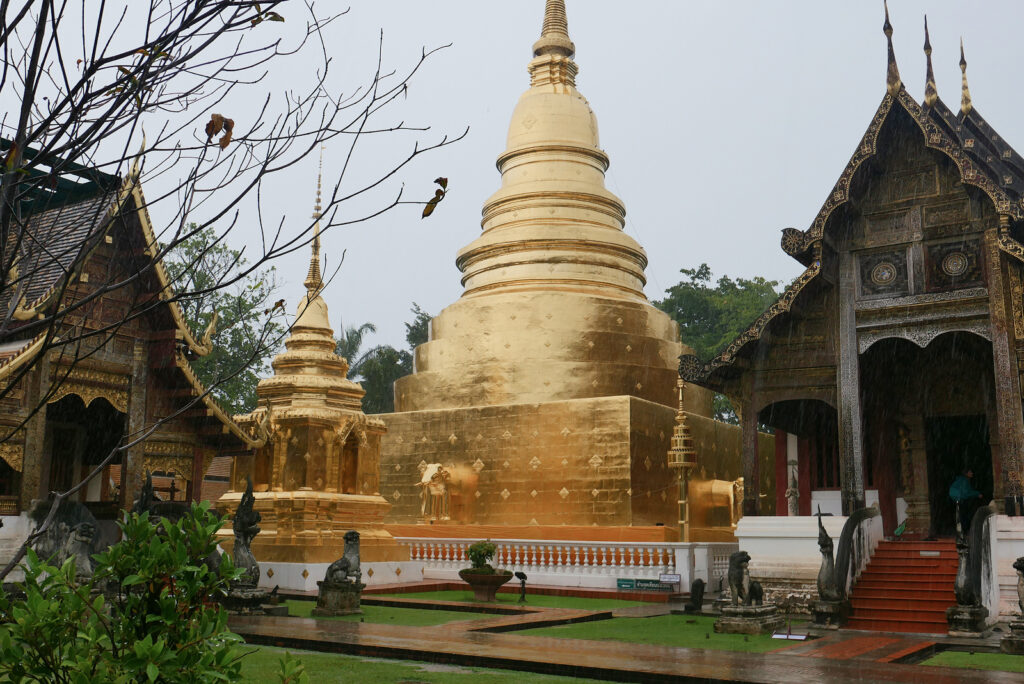
Chiang Mai Old Town is home to a cluster of representative temples that encapsulate the history and Buddhist culture of the Lanna Kingdom. Wat Phra Singh, the most famous, is a beloved pilgrimage site, imposing with its gold decorations and Lanna-style wooden architecture. Wat Chedi Luang, with its massive brick pagoda, is a symbol of the city's past glory and boasts the most impressive scale in Chiang Mai. Wat Chiang Man, the city's oldest temple, preserves the architecture of early Chiang Mai and ancient Buddhist statues, imbuing it with historical value. Wat Lok Moli, with its distinctive black wooden pavilion, offers a tranquil and cozy atmosphere, while Wat Phan Tao, built from teak, radiates a refined elegance rather than extravagance. Each temple exhibits vastly different eras and styles, making it a delight to simply observe its design.
Chiang Mai is the historical and cultural center of northern Thailand, and is renowned for its deep connection with elephants. Since the ancient Lanna Kingdom, elephants have played a vital role in war, transportation, forestry work, and royal ceremonies. Chiang Mai is known as a region that has preserved both the mahout (elephant handler) culture and the elephant conservation culture.
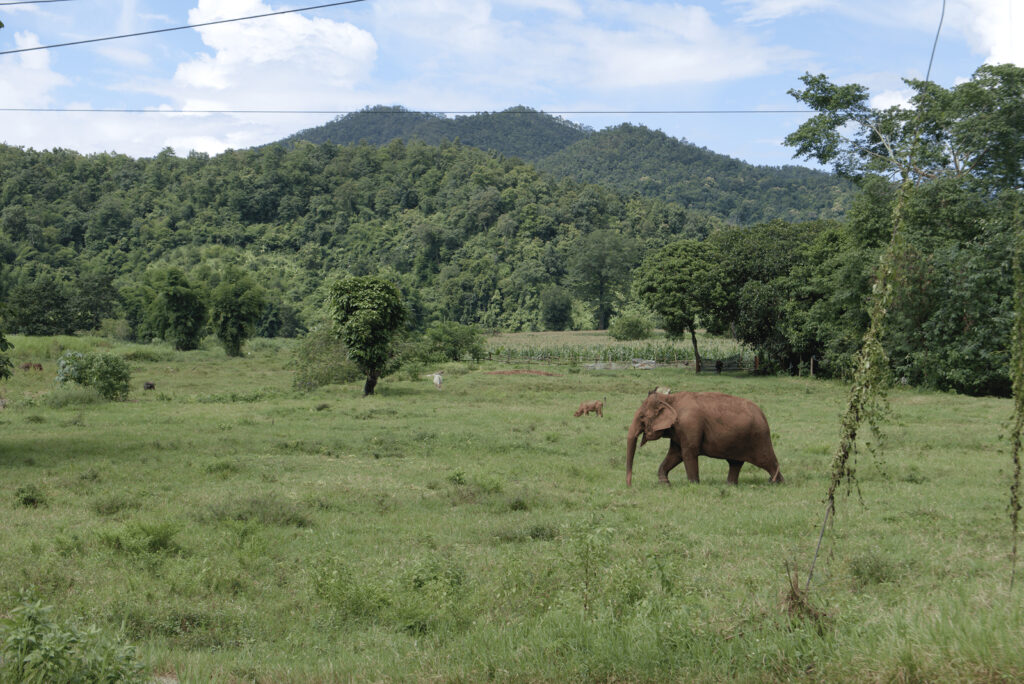
In the past, the dense forests surrounding Chiang Mai were a hub for the timber industry, and elephants were essential for transporting logs. However, with the decline of the logging industry and growing awareness of animal rights, criticism of the practice of using elephants for tourist shows and trekking has intensified. This trend has led to the emergence of cruelty-free safaris and elephant eco-parks in the Chiang Mai area, which are now recognized as important examples of sustainable tourism.
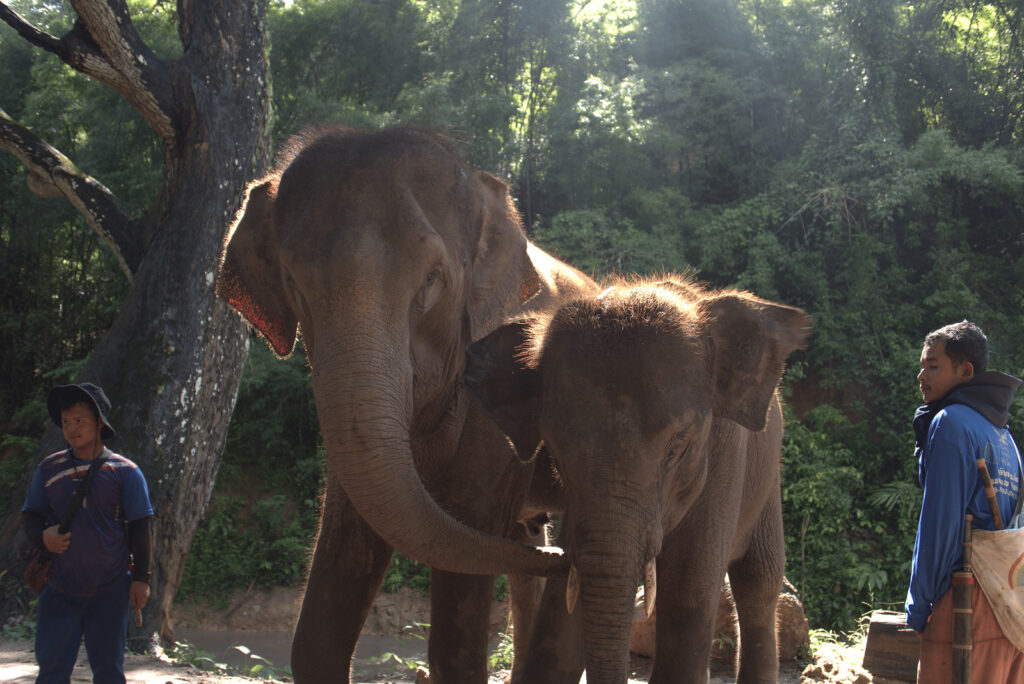
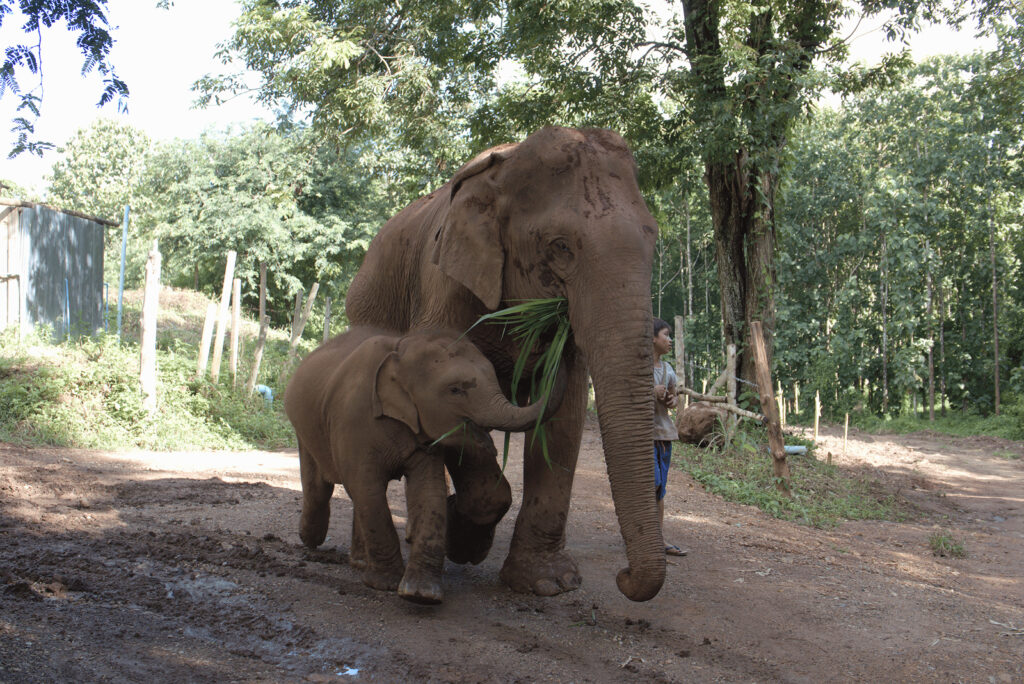
Instead of riding elephants, we adopt methods that respect the elephants' natural lives, including feeding, bathing, walking, observing their treatment, and learning about their rescue stories. Many elephants are rescued from illegal circus operations, logging, and illegal tourism, allowing visitors to become participants in their conservation efforts, rather than mere spectators.
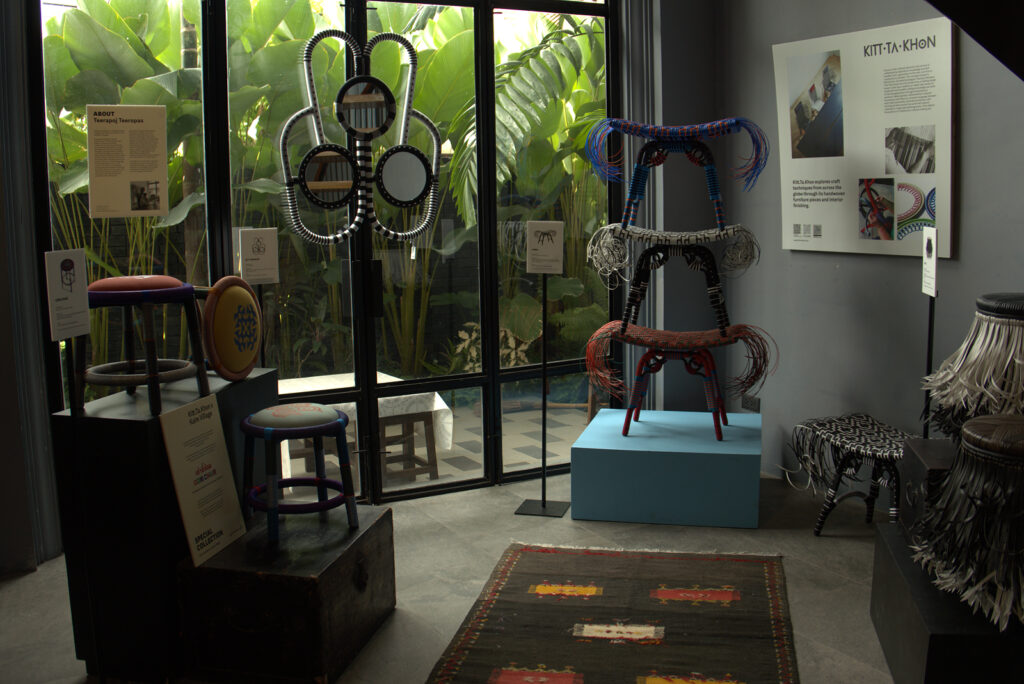
Chiang Mai is particularly renowned for its Northern Thai handicraft culture, a city steeped in the skills of its artisans and a vibrant sense of local identity. Silversmithing, wood carving, weaving and embroidery, ceramics, and umbrella crafts are among the city's most prominent examples, boasting a high degree of craftsmanship that transcends mere souvenirs and borders on everyday art.
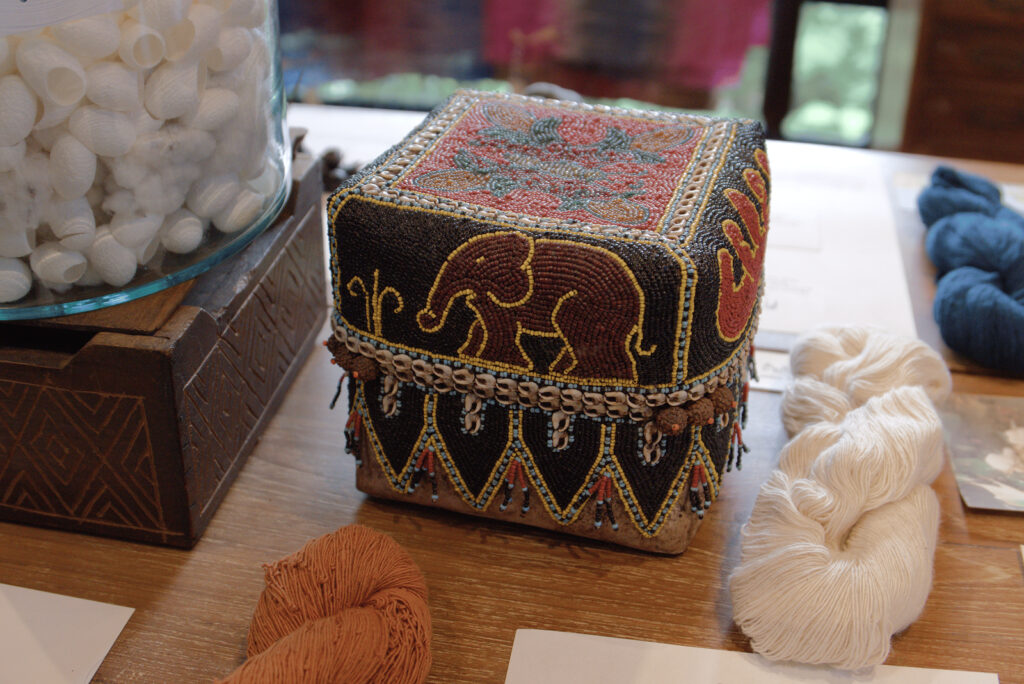
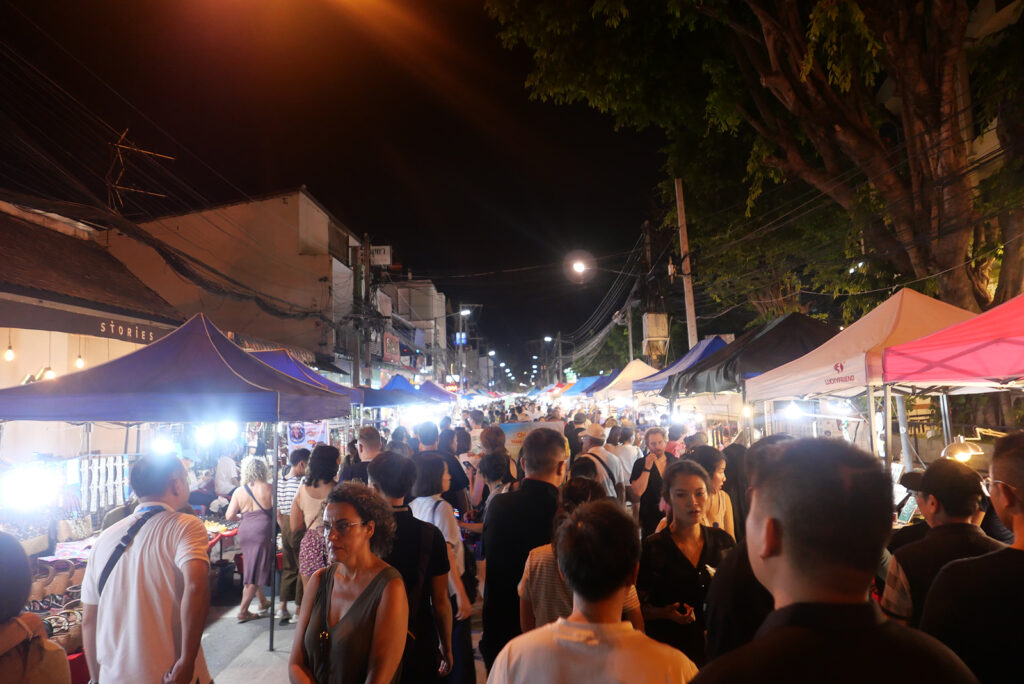
The Sunday Market in Old Town, the night market around Tha Phae Gate, Chiang Mai Yao Lai, and the Nimman Art Market showcase handcrafted items by artisans and designers, creating an atmosphere where visitors are encouraged to experience the "creators' stories" rather than simply consume them. Thanks to the harmonious coexistence of crafts and markets, Chiang Mai continues to embody the values of handmade goods and slow labor within the modern city.
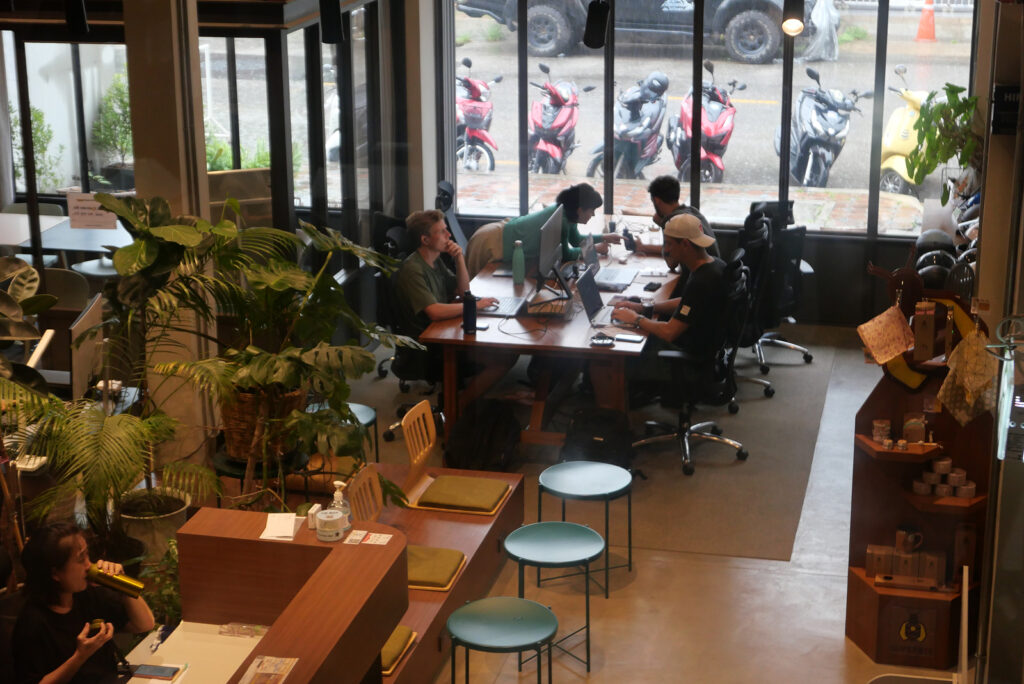
Chiang Mai is one of Asia's most iconic digital nomad cities, offering a blend of a slow-paced lifestyle and high productivity. A low cost of living, reliable and fast internet, long-term-friendly accommodations, and a vibrant work ecosystem centered around cafes and co-working spaces have naturally fostered the nomad culture. Nimmanhaemin and the Old Town are densely populated with cafes equipped with outlets and Wi-Fi, and community events attract startups, freelancers, and creators. The large expat population makes English proficiency a low barrier, and the daily blend of work, travel, yoga, and meditation with wellness practices makes it a great place to practice "working within life," rather than "living for work." This relaxed and creative atmosphere has made Chiang Mai more than just a tourist destination; it's a global hub for digital nomads.
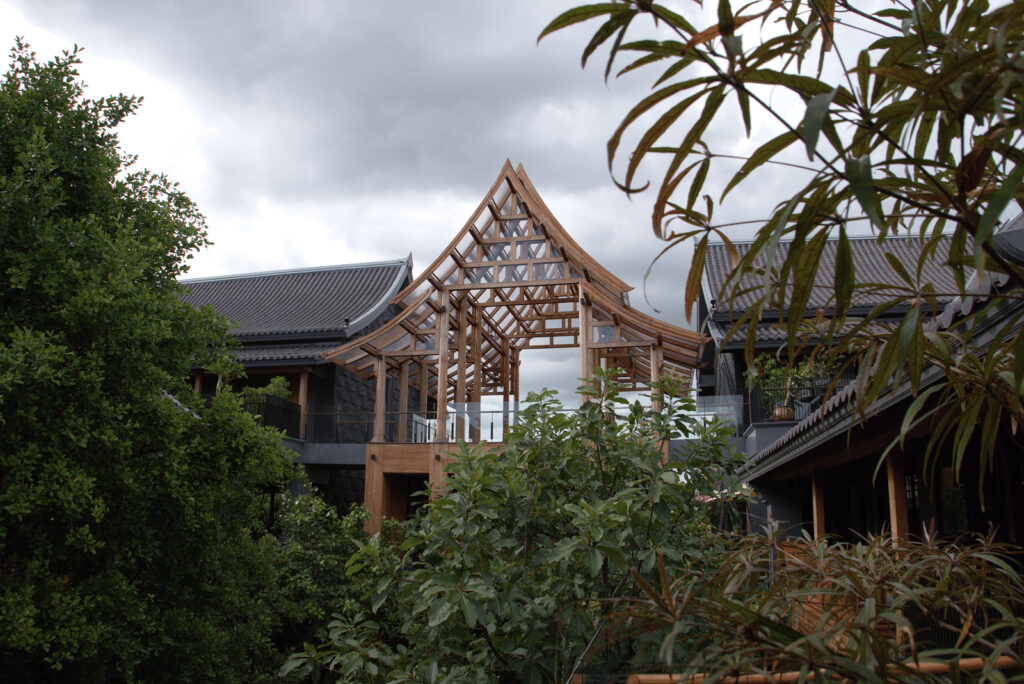
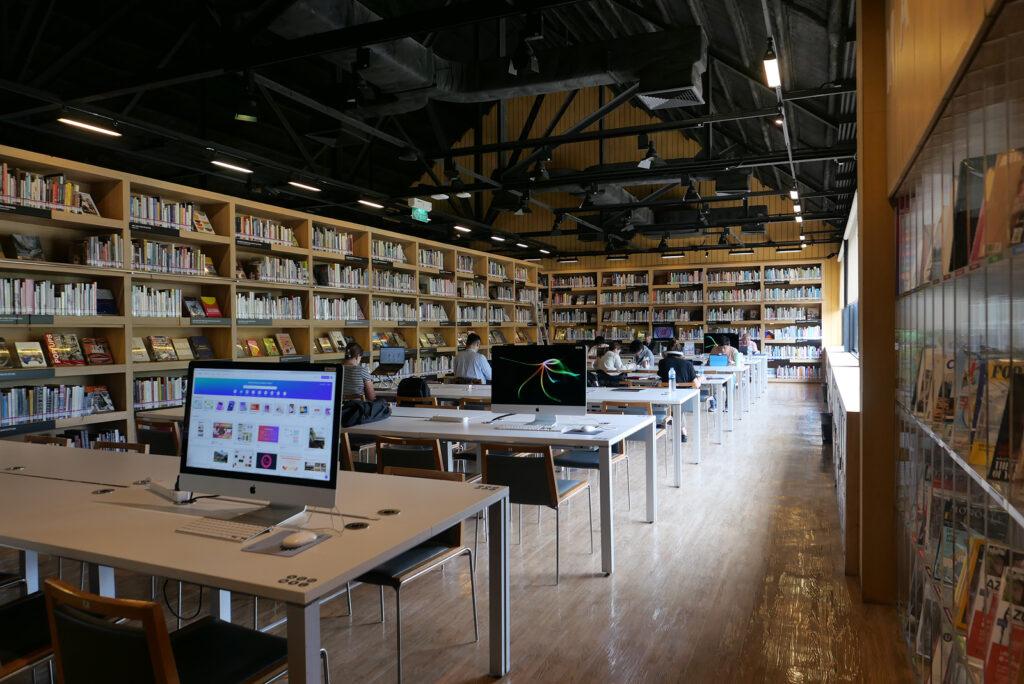
One of the most welcome buildings was the Thailand Creative & Design Center (TCDC). Established by the Thai government to strengthen creative industries and design capabilities, TCDC serves as a hub for Chiang Mai's design, craft, and content industries. Featuring a large design library, materials archive, co-working spaces, and exhibition and seminar spaces, TCDC serves as a venue for designers, artists, startups, students, and makers to explore and exchange ideas. Active projects are also underway to connect Chiang Mai's handicrafts with local design culture in a contemporary context, and TCDC is recognized as a platform that connects traditional craft and culture-based businesses with the global creative ecosystem.
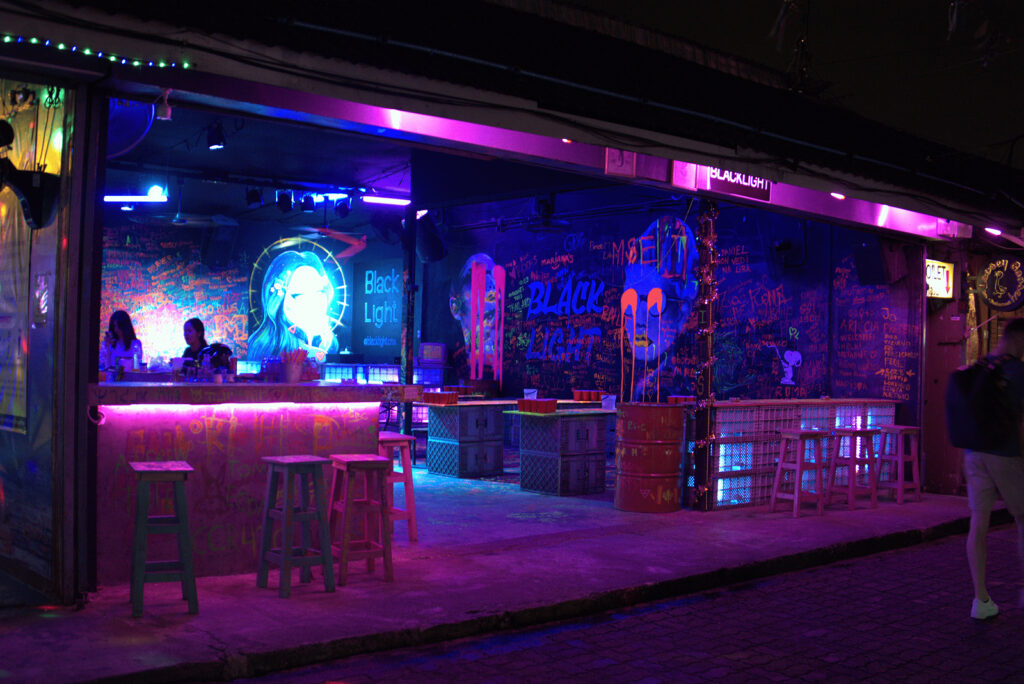
Chiang Mai was a city that allowed me to take it slow and relax. With no one to nag me, and with me no longer having to push myself, I naturally understood why the one-month stay trend had become so popular. A sense of leisure permeated the city, so much so that I felt I could lose track of time. While it didn't boast a particularly high-end, sophisticated selection of shops, it offered a sufficient supply of daily necessities, and the low cost of living eased my financial worries, which was a relief. The concentration of creatives in the city, offering a wealth of entertainment, and the natural intermingling of people from all over the world, creating a diverse and diverse environment, were also appealing. I felt like I was riding a wave of slow-moving clouds. It's a city that makes me want to stay longer next time.