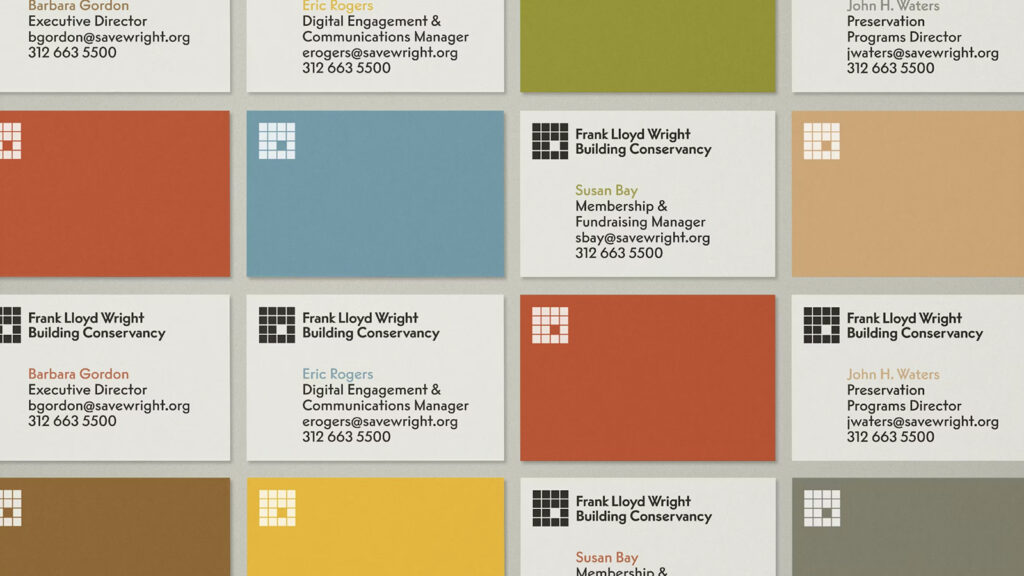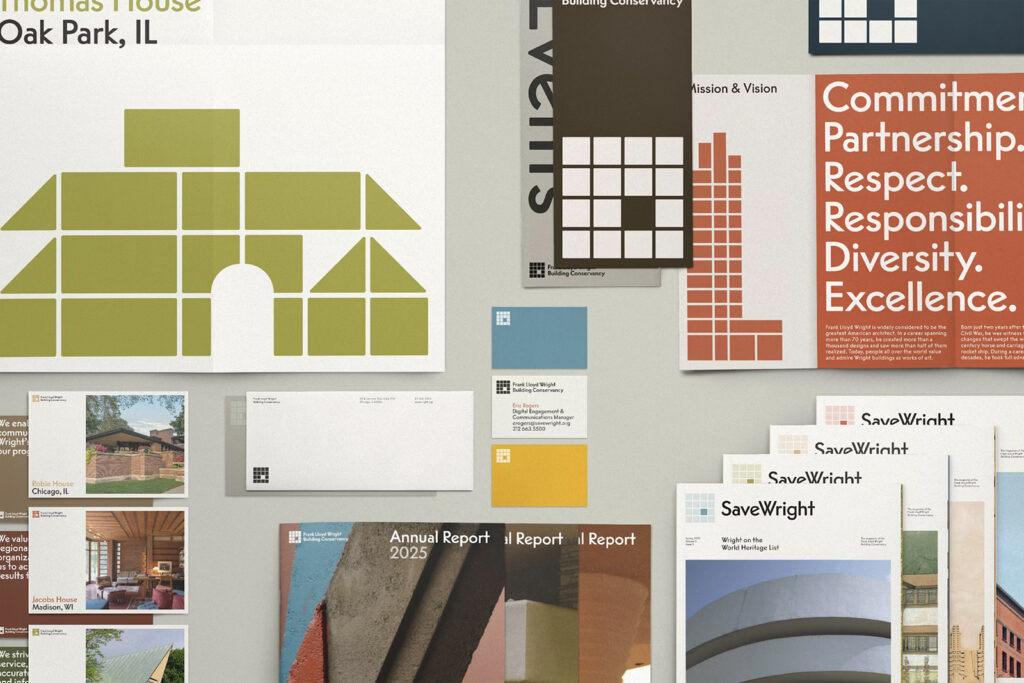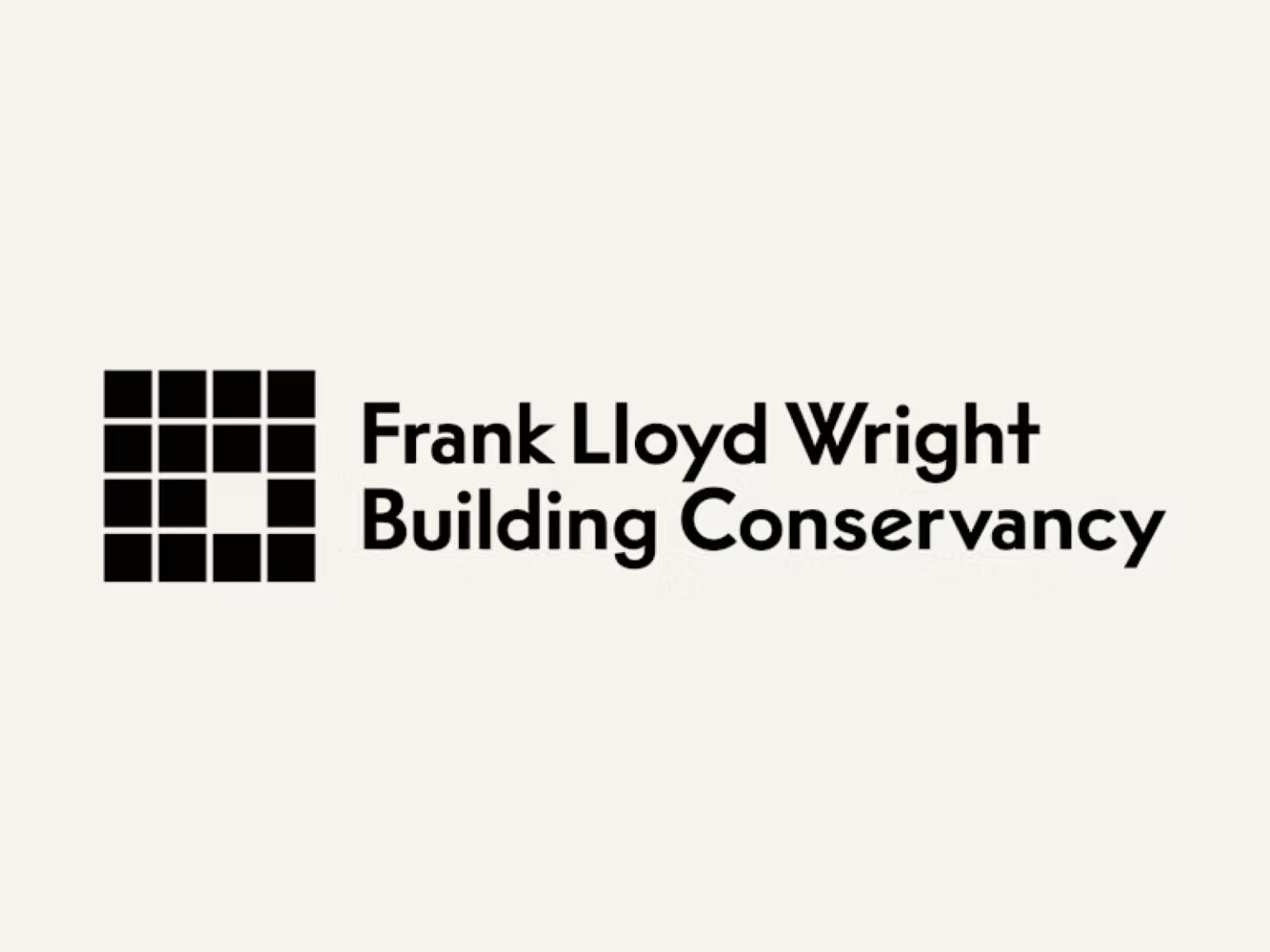
The Frank Lloyd Wright Building Conservancy has unveiled a comprehensive visual identity system, along with a new website. This identity is centered around simple symbols, designed to narratively convey the Conservancy's philosophy and activities within an overall system. These symbols are reused throughout the logo and applications, creating a consistent impression across individual media.

The symbol and wordmark are designed to be used together or independently, serving as flexible identity tools. This allows for a consistent language to be maintained across various touchpoints, including the web, social media, and printed materials. The color system reflects the breadth and depth of space in Wright's architecture, visually expressing how light and materials interact.
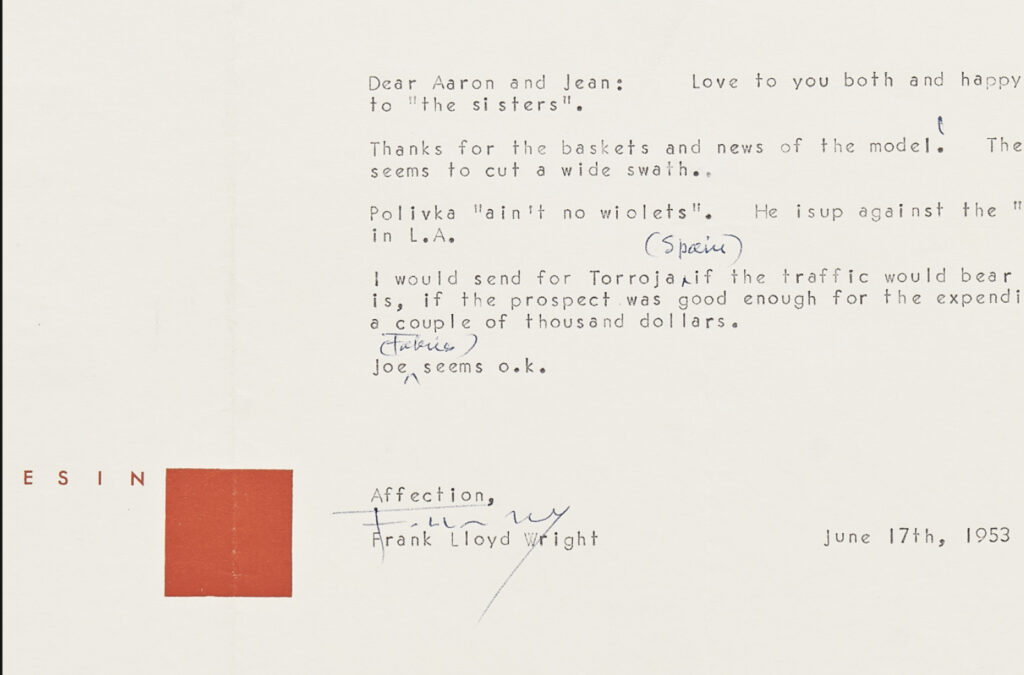
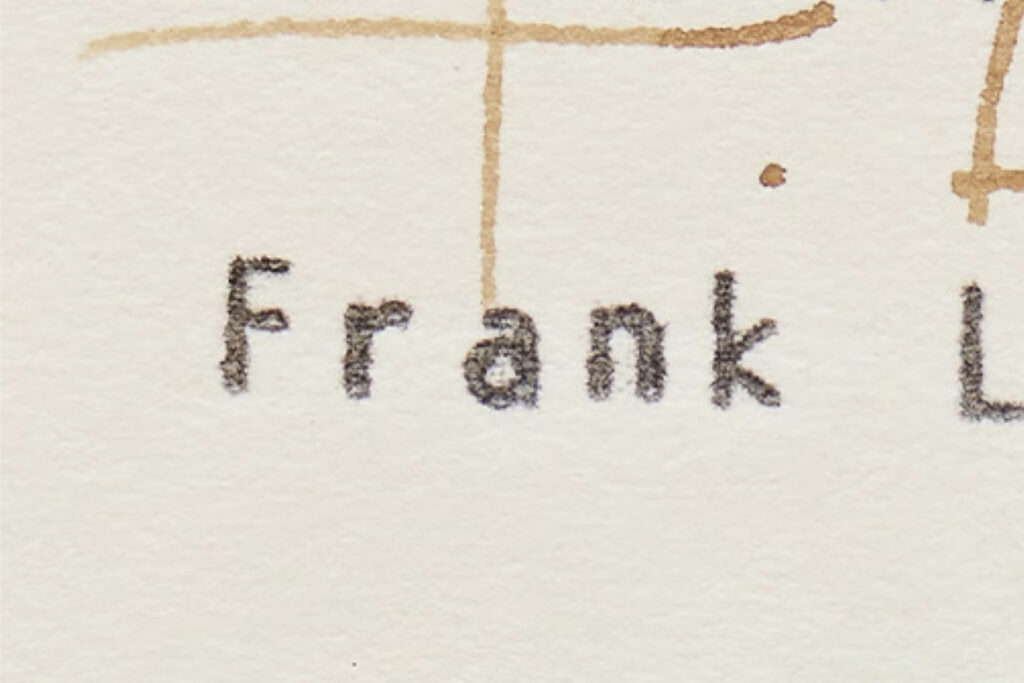
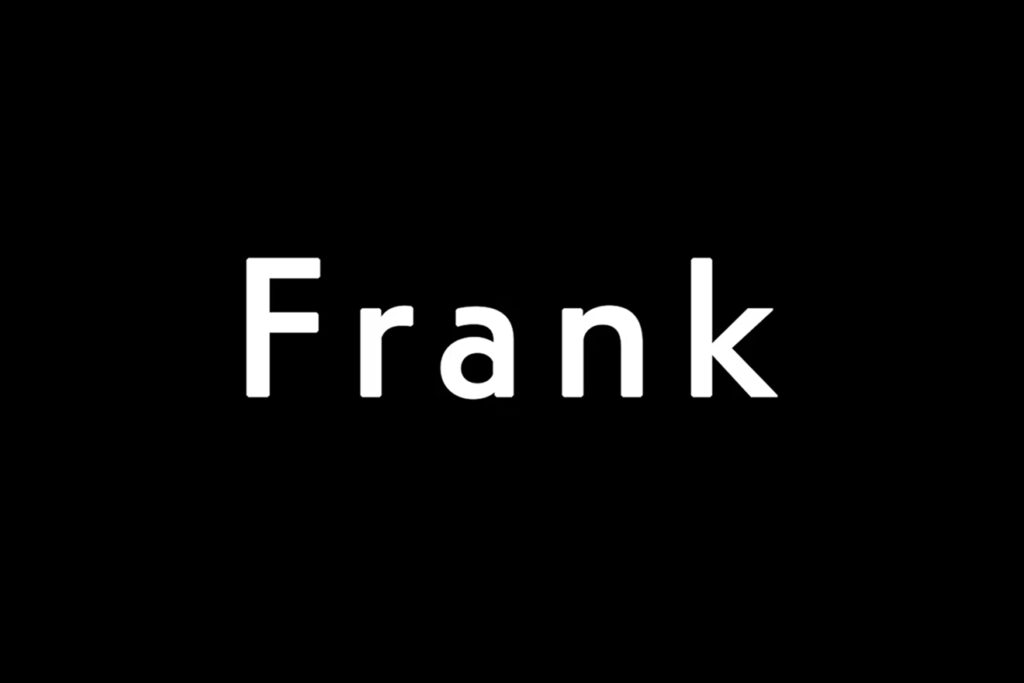
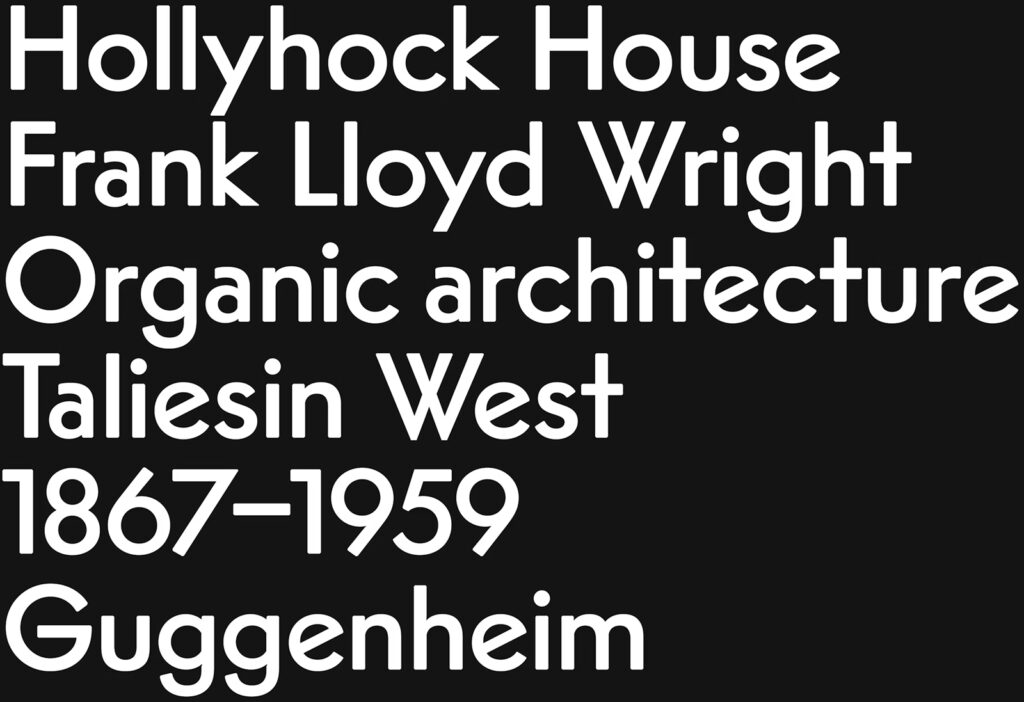
The typography originates from the Vogue Intertype typeface Wright favored for his correspondence. This historical context is furthered by the Reply typeface, designed by François Rappo, which offers a contemporary reinterpretation of a crucial period in the formation of American Modernist design. Custom-designed by Optimo Type Foundry, Reply serves as the primary voice for the overall identity.
The typeface's geometric structure and angular forms form the foundation for an expanded graphic language. This system effectively communicates the Conservancy's diverse activities and architectural assets. The symbol serves as a visual anchor across all media, reinforcing consistency.
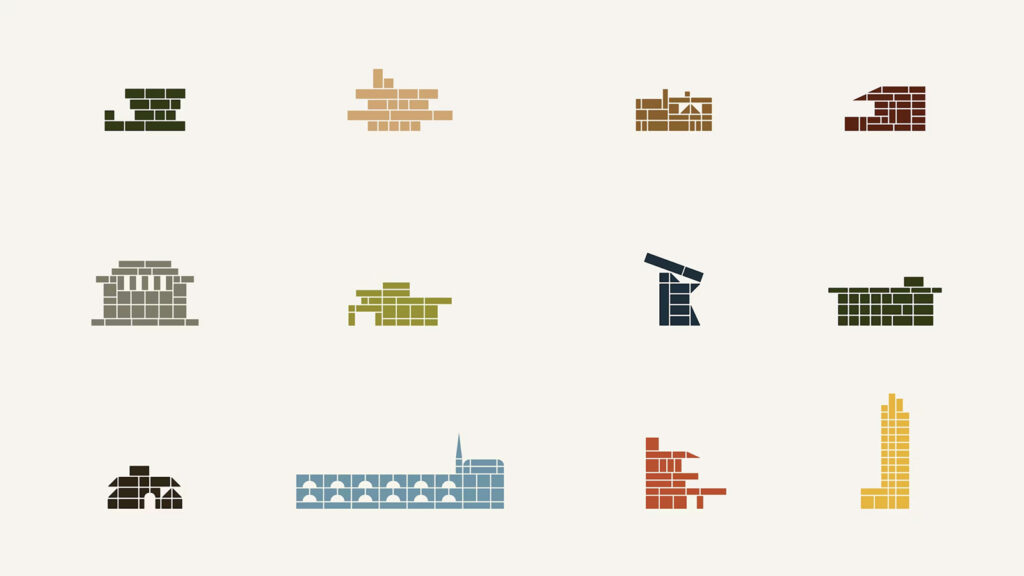
The illustration system was inspired by the Froebel blocks Wright encountered as a child. He expanded the graphic language of symbols to adapt the form to each building. This approach respects the unique character of each building while also integrating it into a unified system.
This identity was also applied to Conservancy's magazine, Save Light. The symbol, emphasizing the missing square, intuitively conveys the meaning of preservation. Conservancy established comprehensive guidelines for future use and established a system that can be continuously expanded within the team.