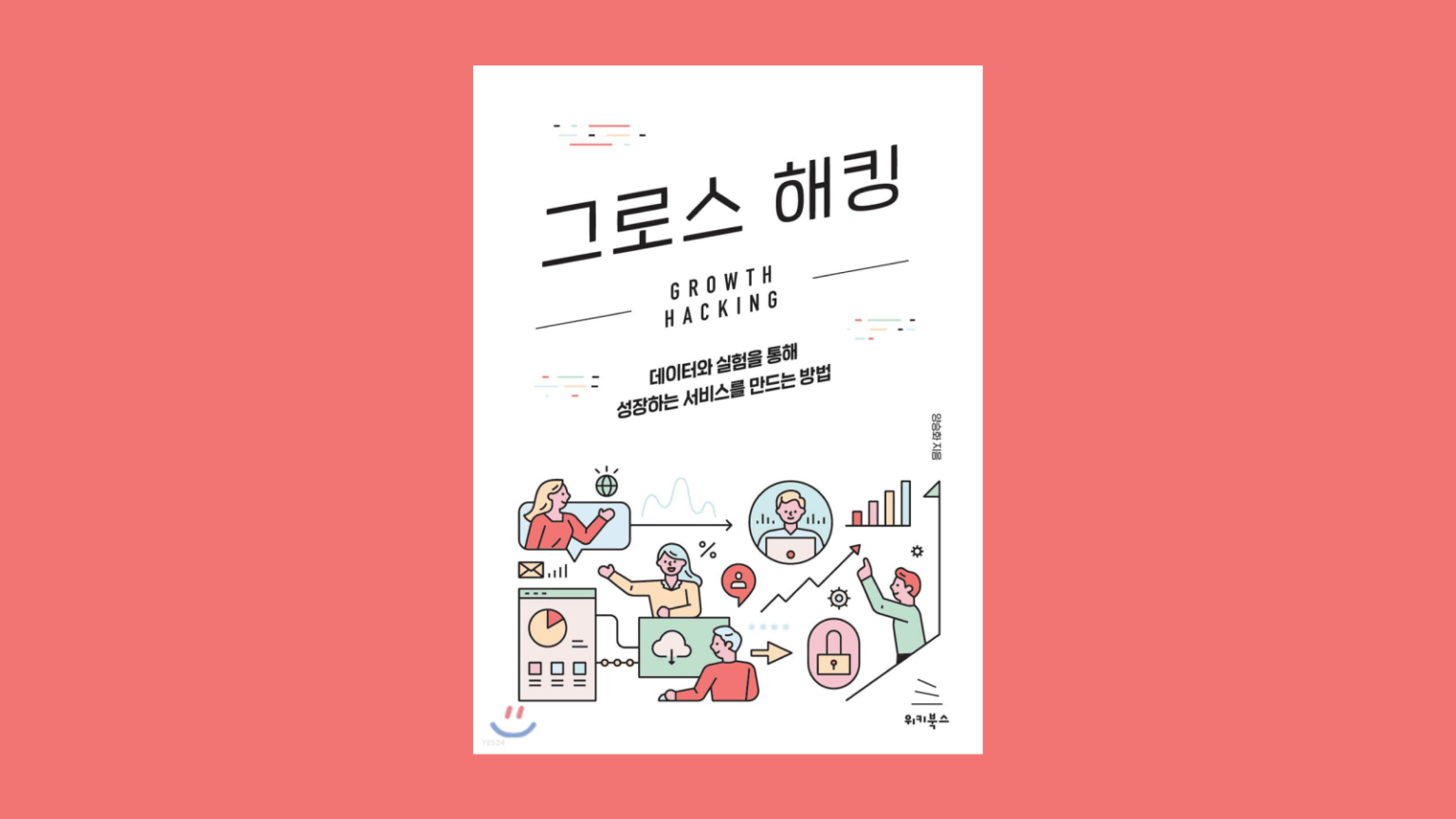
IT 디지털 프로덕트를 만드는 사람들은 기존과는 다른 속도로 빠르게 가설을 검증합니다. 전통적인 제조업과의 비교조차 이미 옛일이 되었고 이제는 당장 한 분기 전의 작업 프로세스를 개선하고 변하고 있습니다. 그로스 해킹은 더 빠르게 사용자에게 적합하게 성장할 수 있는 서비스를 만들 수 있는 방식 중 하나 입니다. 적은 비용으로 가설을 검증하는 방법으로 그로스 해킹이 무엇인지 쉽게 이해할 수 있는 가벼운 책입니다.
지은이: 양승화
많은 시간과 노력을 투자해서 만든 제품이 알고 보니 아무도 원하지 않는 제품이라는 점을 뒤늦게 발견하는 것만큼 나쁜 일은 없다.
모든 프로젝트는 가설 검증일 것입니다. 어느 가설이 성공할지 알 수 없다면 하나의 가설에 많은 리소스를 사용하는 것은 위험한 접근이겠죠. 리스크를 줄이기 위해 자연스럽게 가설을 최소한의 비용으로 검증하는 것이 필요하겠죠. 목표를 달성하지 못했을 때 여러 가지 기획의 함정에 빠질 때가 있는데, Product Market Fit을 검증하는 것을 중심으로 가설 – 실행 – 배움의 Lean 한 프로세스를 얼마나 잘 반복하느냐가 중요한 핵심이라는 생각이 들었습니다. 가설을 검증하는 방법은 사용자에게 물어보거나 행동을 관찰하거나. 이 2가지 방법이 있겠죠
사용자에게 질문할 때 어떤 방식으로 물어야 하는지도 간략하게 소개되어 있는데 프로덕트를 만드는 사람이라면 누구나 알아야 하는 중요한 기준 중 하나인 것 같습니다.
질문 방법
미래가 아닌 과거와 현재에 초점을 맞출 것
가정이 아닌 경험을 물을 것
결과가 아닌 과정을 볼 것
기억이 아닌 습관의 구체적 경험을 볼 것
개인의 경험이 드러나게 물어볼 것
편향된 믿음이 아닌 순수한 호기심으로 물어볼 것
그로스 해킹은 핵심 지표를 찾고, 그 지표를 성장시키는 방법을 찾는 활동
현재 상태를 측정하고 목표 상태를 정해야 성장할 수 있습니다. AARRR을 중심으로 핵심 지표를 정의하면 사용자의 행동을 중심으로 프로덕트를 만들 수 있습니다. 팀마다 서로 목표가 다르면 서로 다른 목표를 달성하기 위해 리소스가 찢어질 수 있는데, 사용자를 중심으로 목표를 세우면 모두가 하나의 목표를 달성하기 위해 노력할 수 있을 것입니다.
적절한 목표를 정의하고 모두가 한 마음으로 여기에 집중하는 것은 성장에 있어서 가장 기본적인 요소다.
현상 유지하는 것이 목표인 조직이라면 목표를 정하고 실행하는 것만으로 의미가 있을 수 있습니다. (ex.이번 달 00개 달성) 하지만 고도로 높은 성장이 필요한 조직이라면 궁극적인 목표는 끝없는 성장이지 특정 숫자 달성이 아닐 것입니다.
실제로 프로젝트를 진행하다 보면 해결하고 싶은 수없이 많은 문제를 한 번에 해결하려고 합니다. 명확한 목표 없이 마구잡이로 프로젝트를 진행하면 10명 100명 1,000명이 있어도 리소스가 부족할 것입니다.