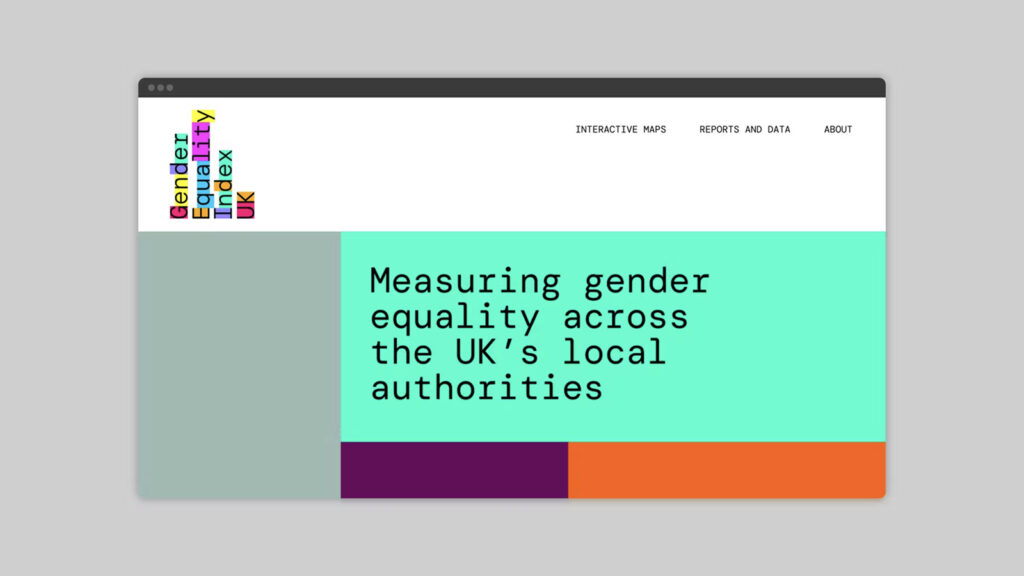
영국에서 지방자치단체 단위의 성평등 격차를 측정하는 데이터 도구 성평등 지수 UK가 공개됐습니다. 이 지수는 여성과 남성의 사회경제적 성과를 지역별로 비교해 격차를 지도처럼 보여주고 변화를 추적하는 것을 목표로 합니다. 기존의 국가 단위 지표가 놓치기 쉬운 지역별 편차를 드러내 정책 수립과 시민사회 활동에 활용하도록 설계됐습니다. 결과는 학계 밖의 이용자도 이해하고 사용할 수 있도록 공개형 디지털 도구로 제공한다고 했습니다. 
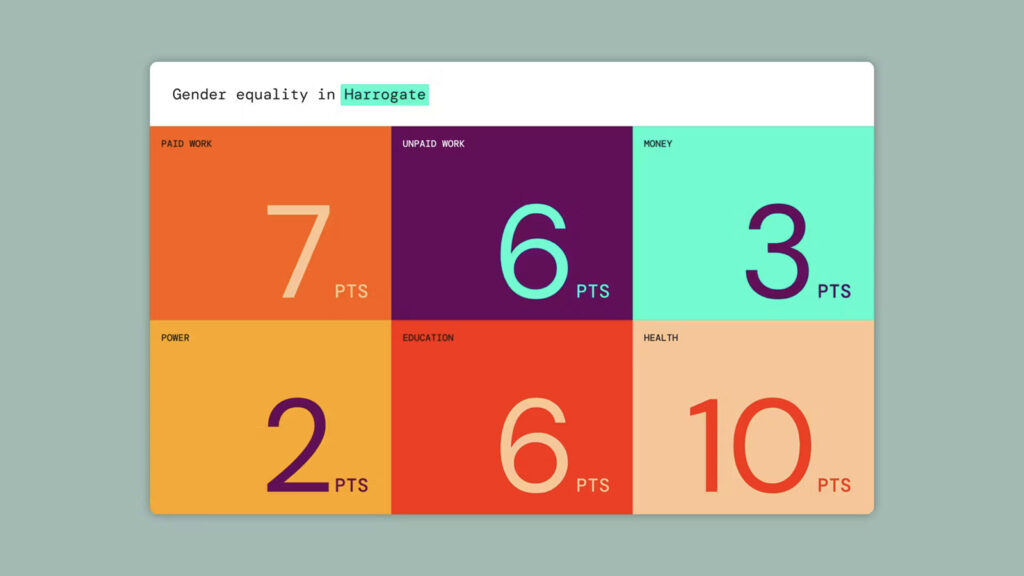
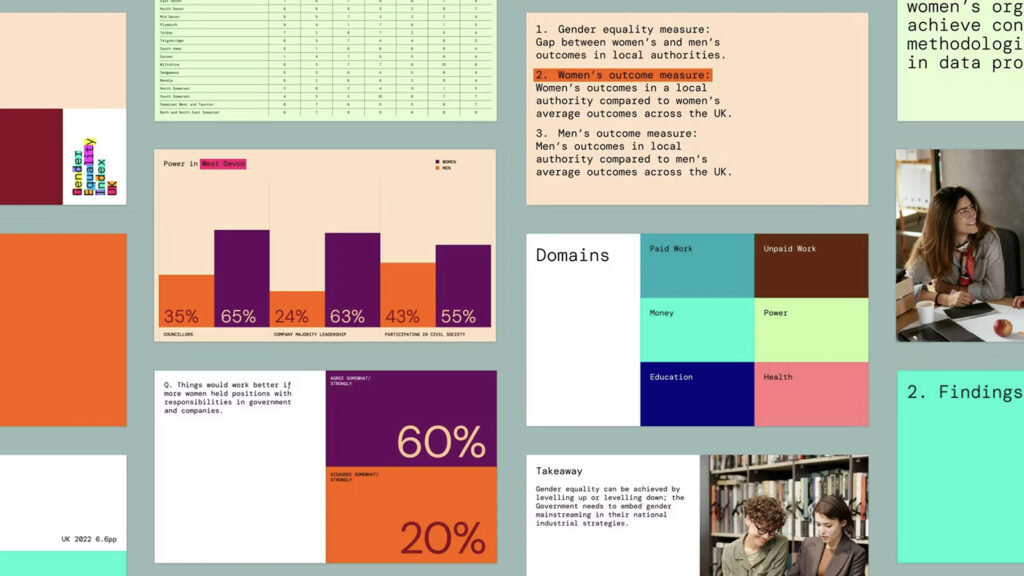
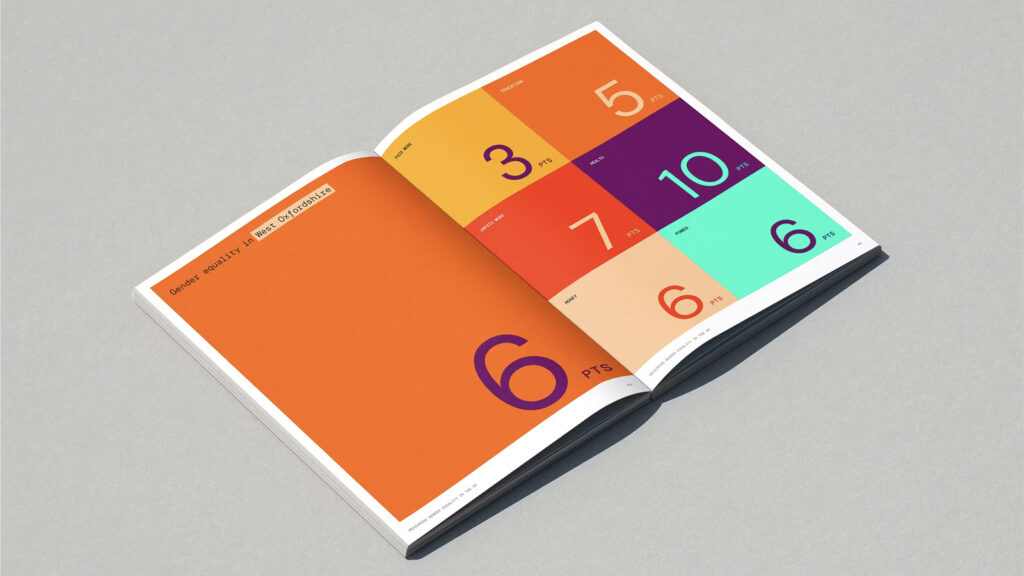
성평등 지수 UK는 킹스칼리지런던 산하 킹스 글로벌 여성 리더십 연구소가 주도해 만들었습니다. 프로젝트는 로이즈 뱅킹 그룹 지원을 받았다고 학교는 소개했습니다. 잉글랜드 스코틀랜드 웨일스 북아일랜드의 372개 지방자치단체를 범위로 삼고 2021년부터 2023년까지의 기존 통계와 행정 데이터를 결합했습니다. 유급 노동 무급 노동 소득 권력과 참여 교육 건강 등 6개 영역에서 19개 성과 지표를 제시하며 지역의 성별 격차와 지리적 격차가 어떻게 겹치는지도 함께 보여준다고 했습니다. 
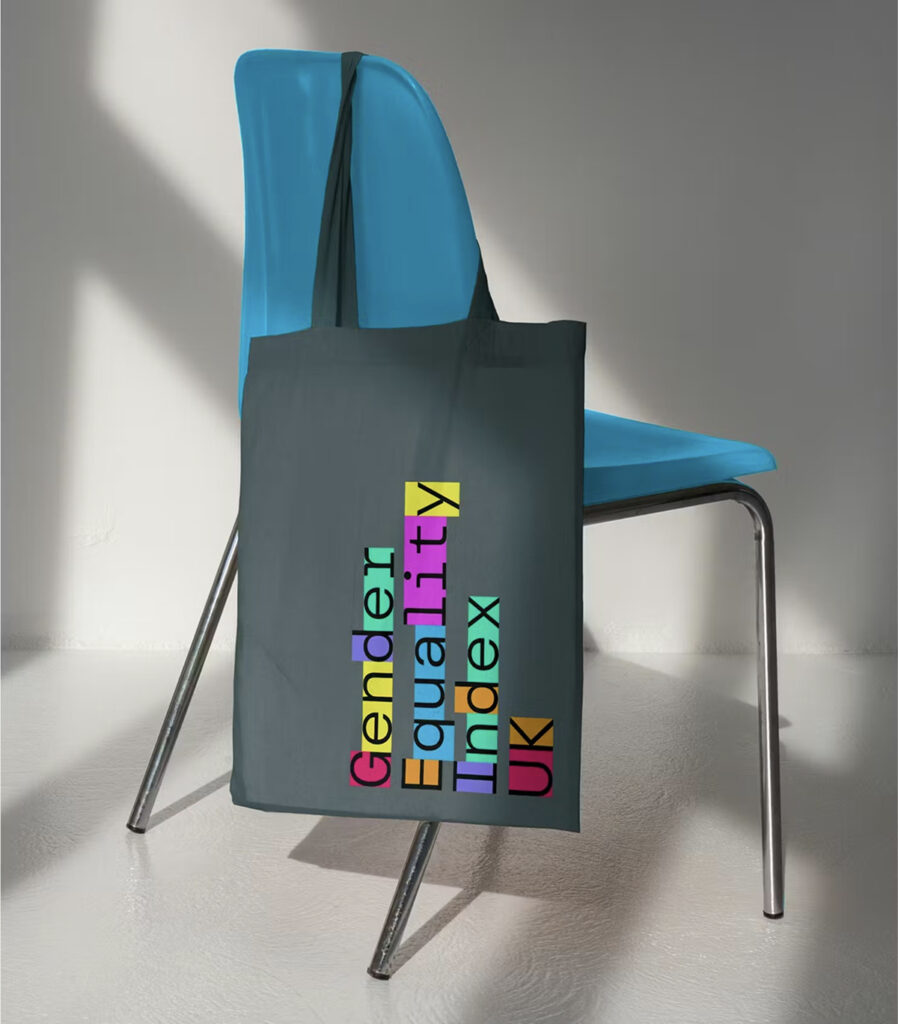
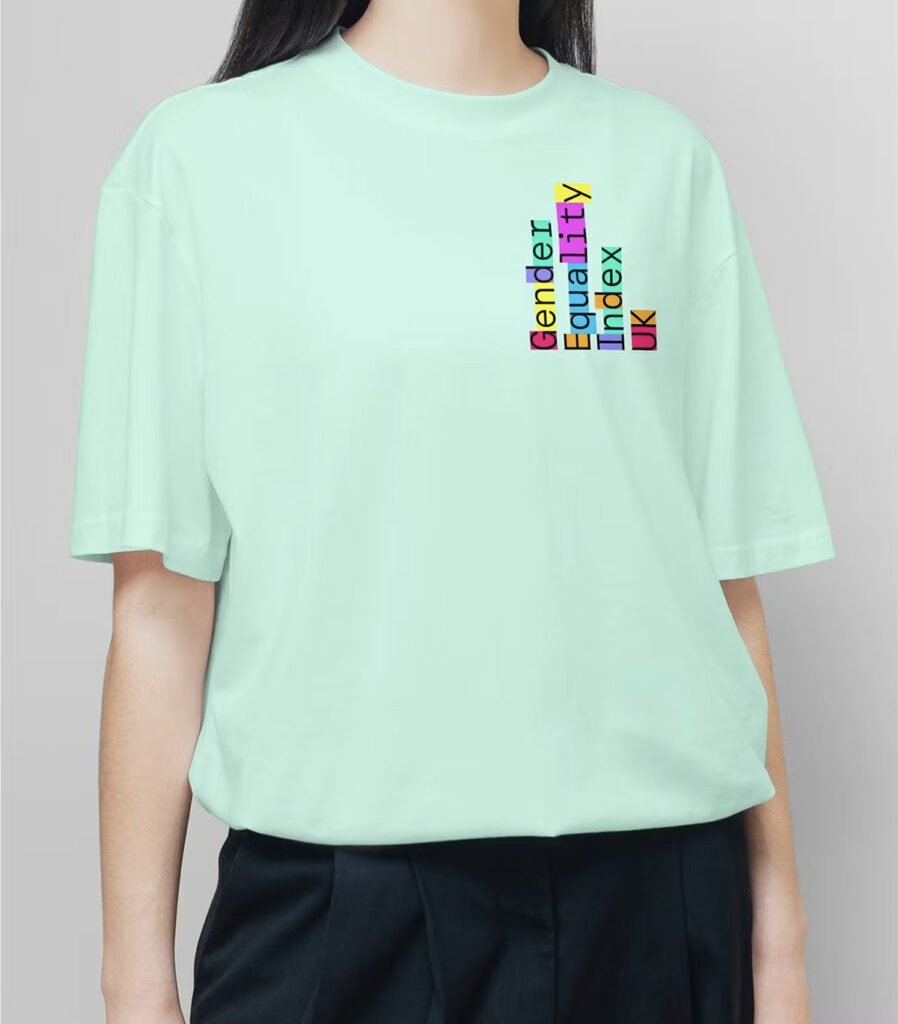
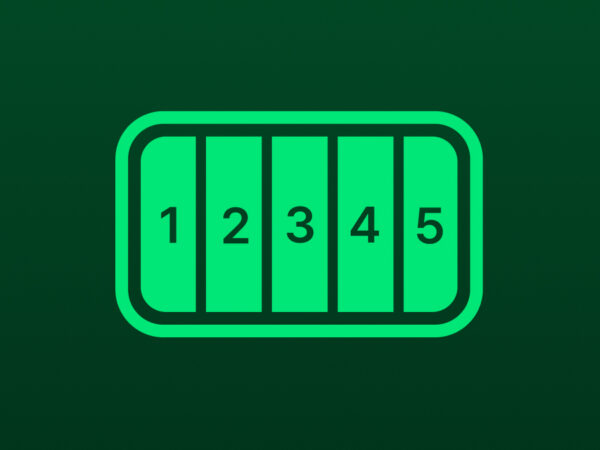
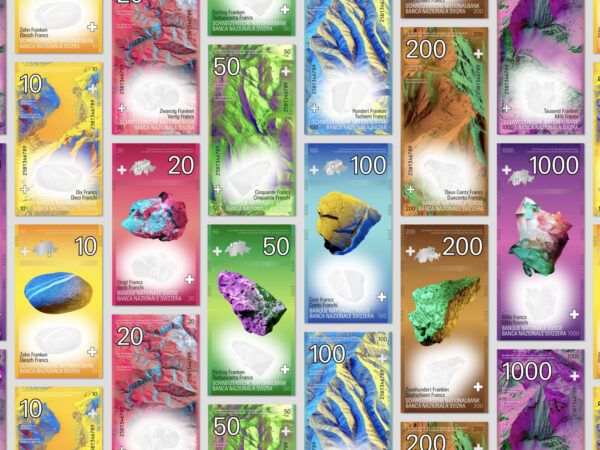
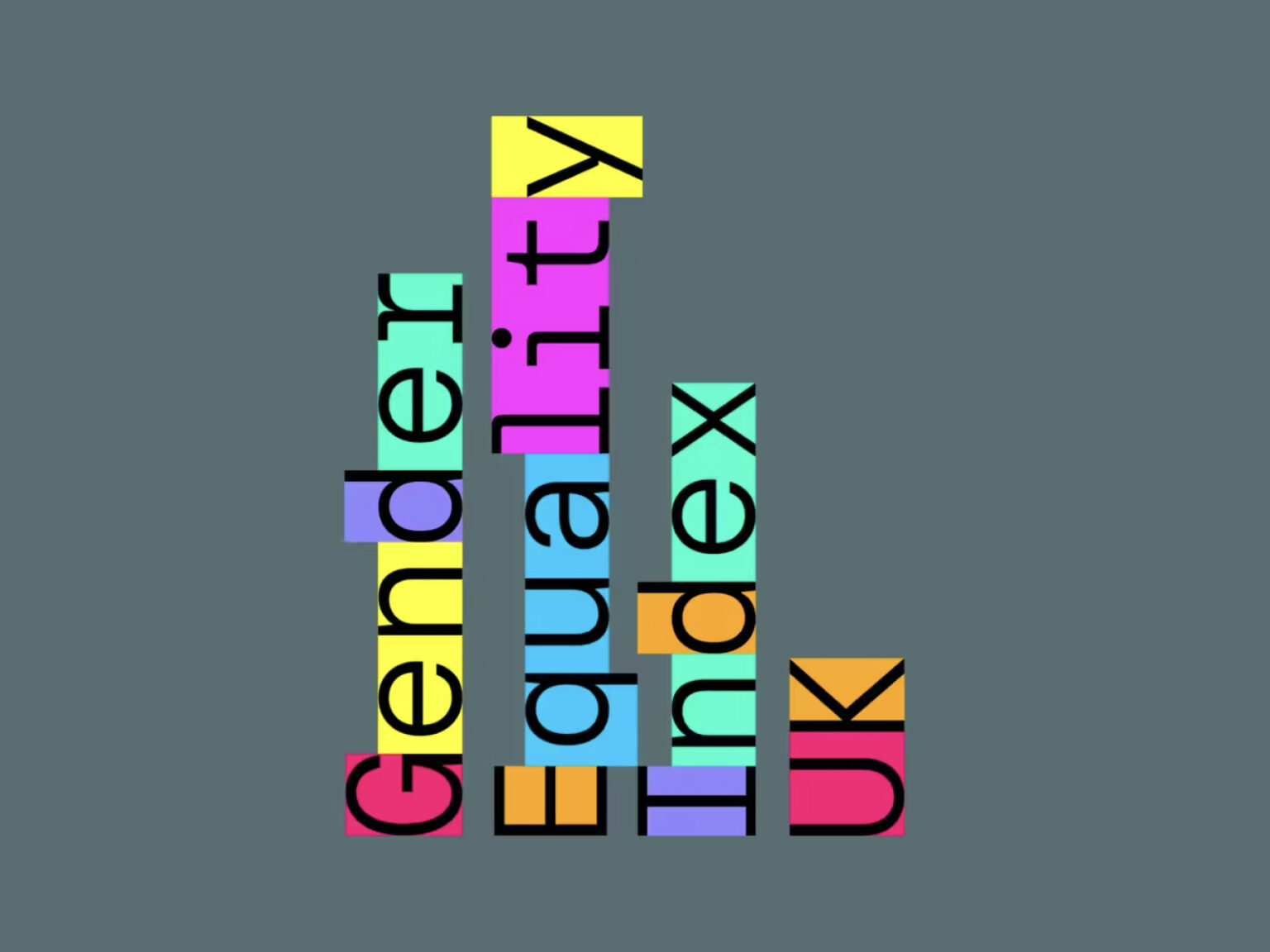
시각 정체성은 펜타그램 런던의 마리나 윌러 팀이 맡았습니다. 데이터의 엄정함과 공공 커뮤니케이션의 친화성을 동시에 담아내는 것이 과제였다고 했습니다. 로고는 세로로 쌓인 컬러 블록으로 구성돼 인덱싱과 분류 시스템을 연상시키며 다양한 목소리가 이어지는 패치워크의 인상을 만듭니다. 색은 복잡한 데이터를 인간적인 언어로 바꾸는 장치로 쓰이며 디지털 지도와 비교 화면에서도 명확한 탐색 구조를 지원한다고 했습니다. 
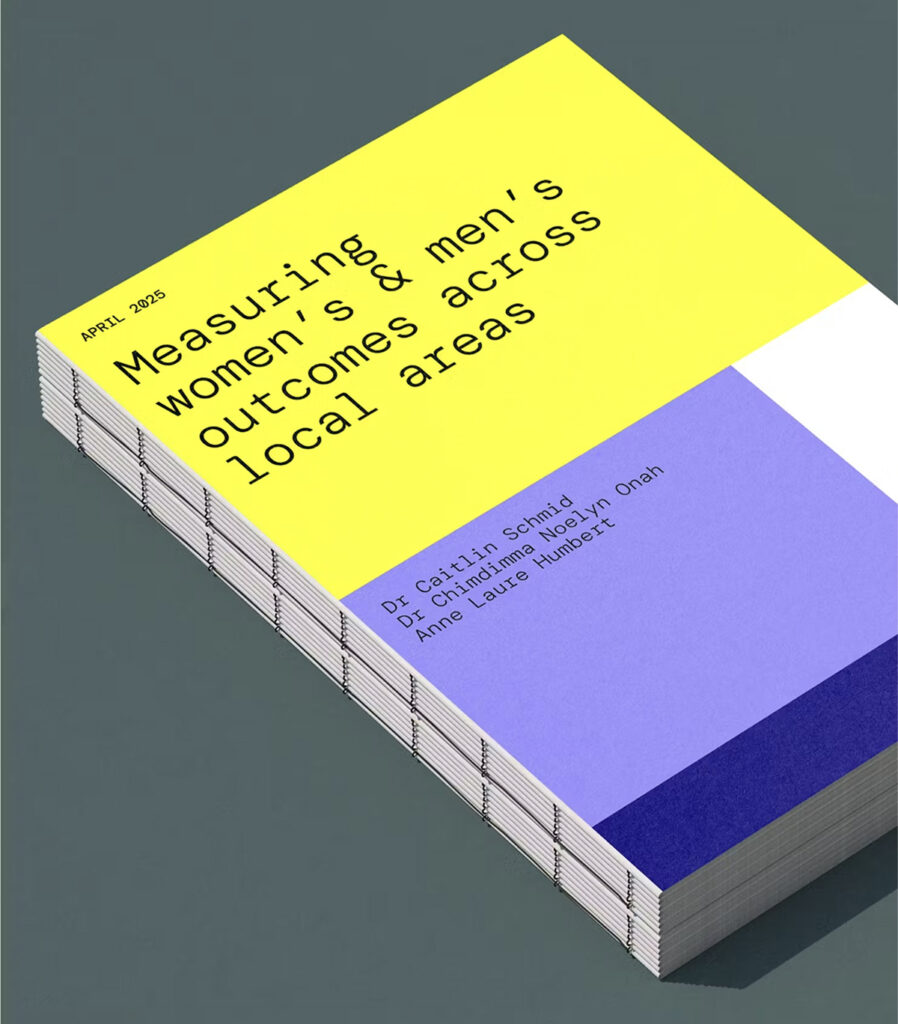
모션은 브랜드의 핵심 요소로 자리 잡았다고 했습니다. 인포그래픽과 데이터 시각화의 문법을 끌어와 정보가 나타나고 정렬되는 과정을 움직임으로 보여주며 지수의 목적을 직관적으로 전달한다고 했습니다. 타이포그래피는 모노스페이스 서체 DM 모노를 사용해 기술적 정확성을 강조하면서도 읽기 쉬운 톤을 유지한다고 했습니다. 펜타그램은 젠더를 직접 상징하지 않는 중립적 접근을 통해 사실에 기반한 토론을 촉진하도록 했다고 설명했습니다. 
또 하나의 과제는 데이터 표현의 경계라고 했습니다. 펜타그램은 국가 센서스가 남성과 여성 범주만 수집한다는 현실을 반영해 현재 공개 지표도 이 두 범주를 중심으로 제시한다고 밝혔습니다. 지수 운영진은 향후 데이터 환경이 개선되면 더 넓은 정체성을 포괄하는 분석으로 확장하는 방안도 검토하겠다는 입장이라고 했습니다.