*I wish that Turkiye, which was damaged by the earthquake, recovers as soon as possible.
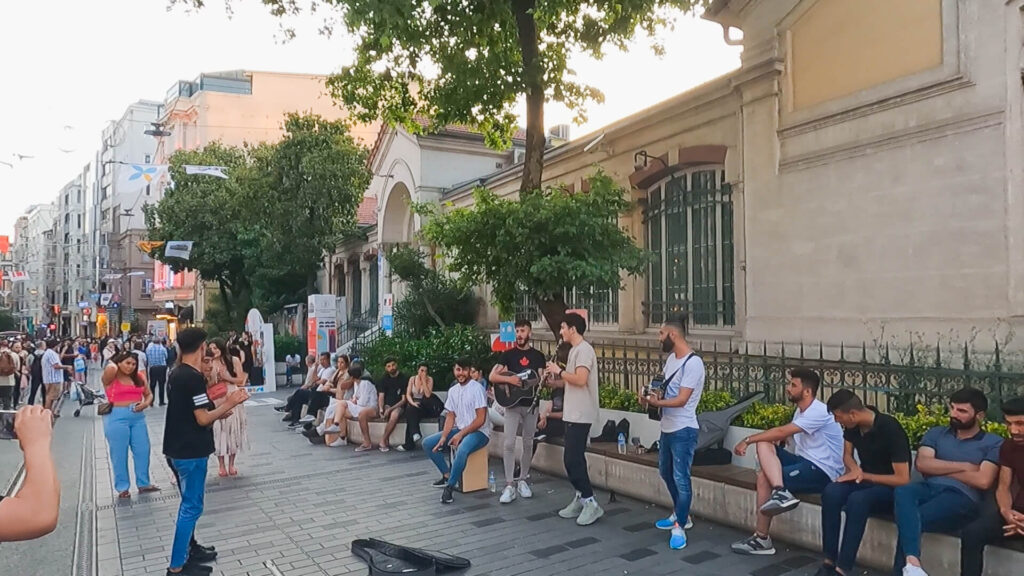
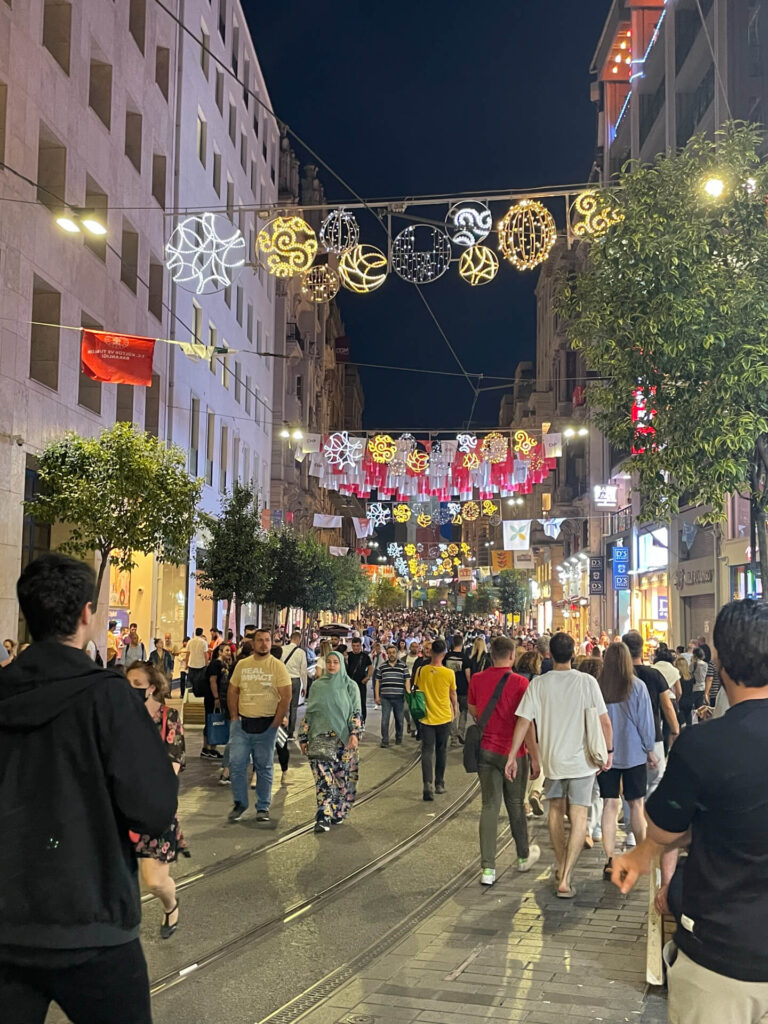
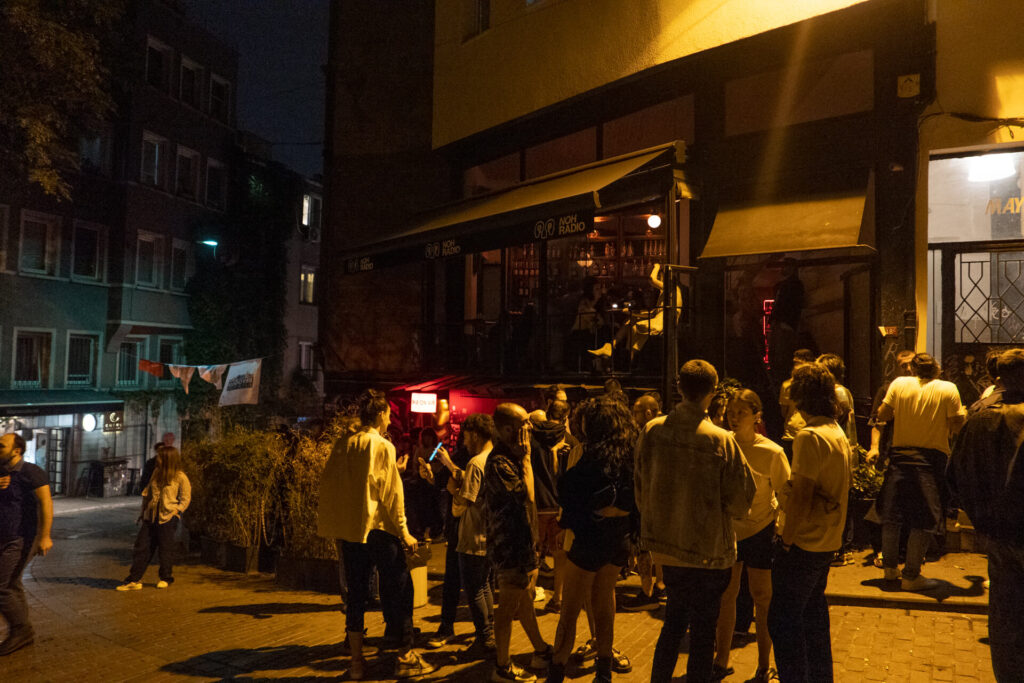
I arrived in Istanbul late at night. Even though it was late at night, the narrow and steep streets were packed with people. There were so many people near the club where the house was opened that it was really hard to step. I think it was very quiet compared to the number of people.
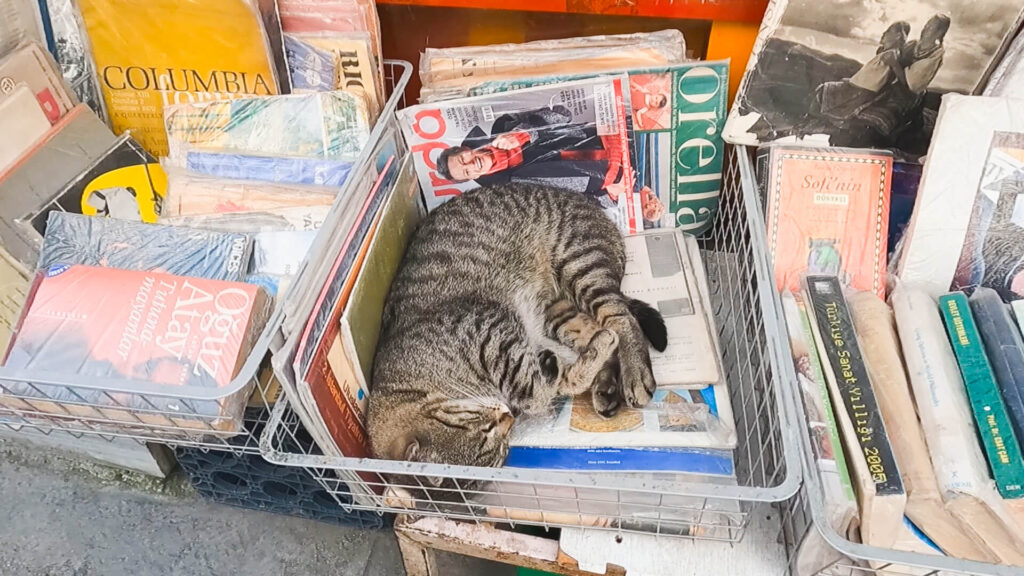
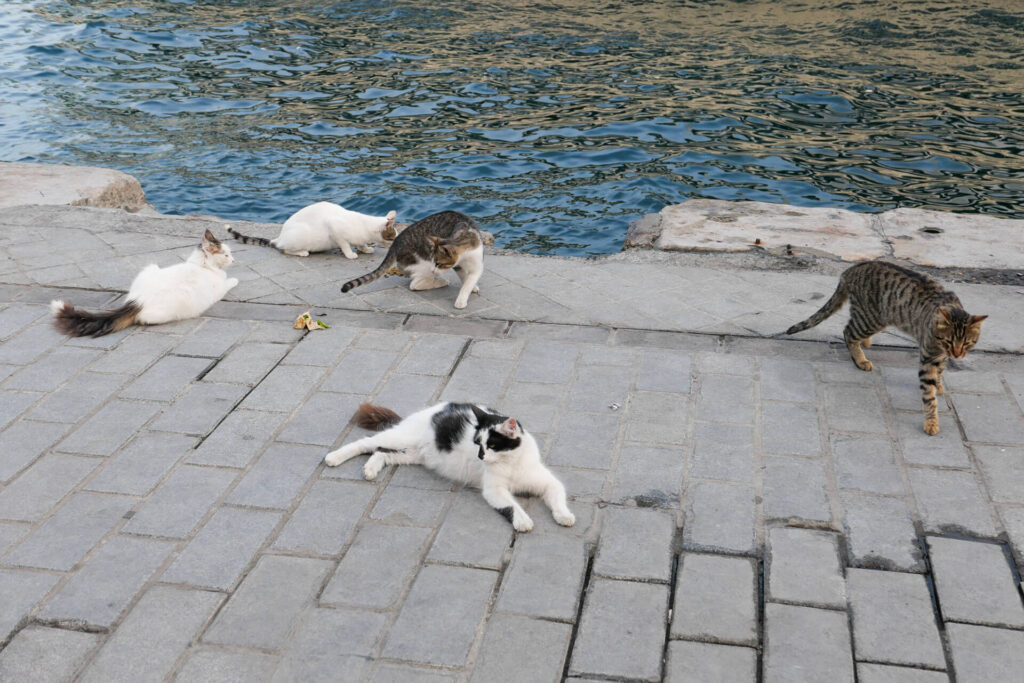
What I didn't expect was that there were so many cats. Cats passed by all over the street, and there were water and food for cats to eat everywhere in front of the store. I approached everyone in a friendly way, remembering kind people. I thought it would be a fantastic city for cat lovers.
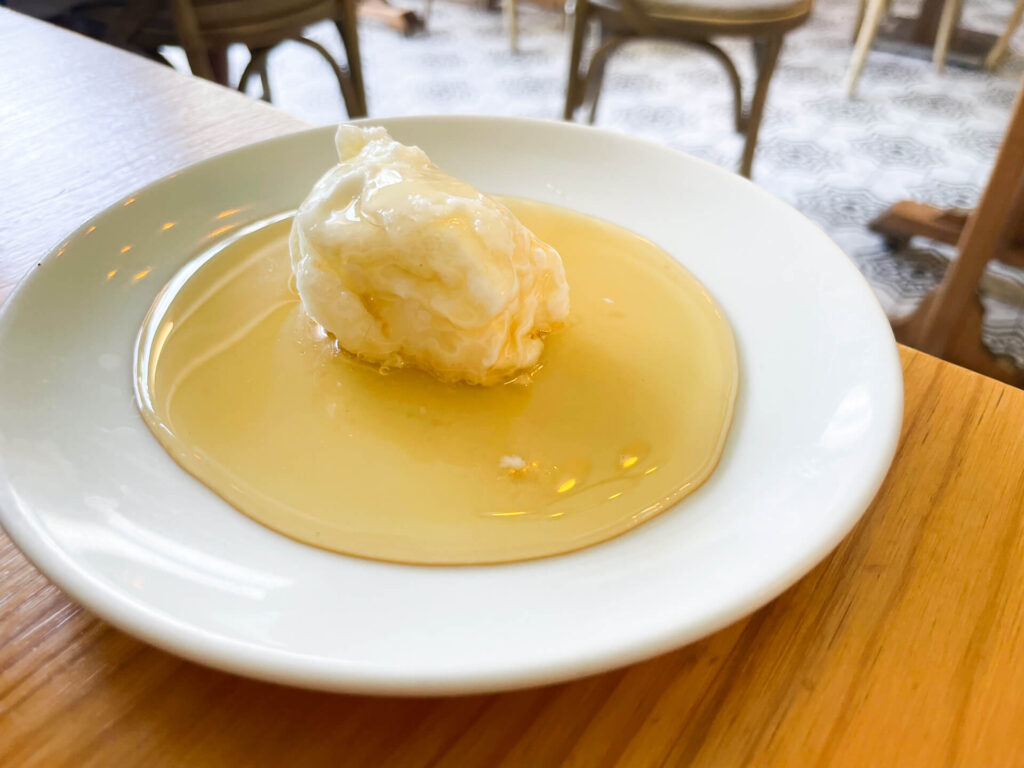
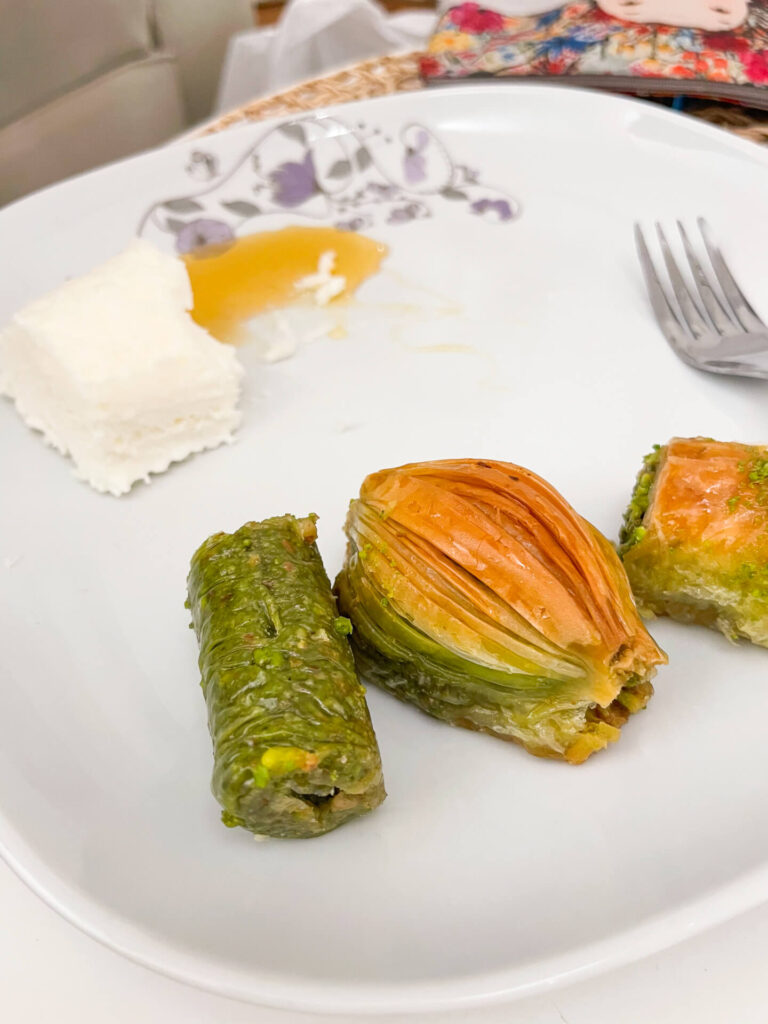
There were many fantastic desserts that you can't taste anywhere else. Baklava is a pastry-type dessert with nuts, and the pistachio baklava was really delicious. The caramel-type rice cake-like lokum called Turkish Delight was also delicious. Khaimak served for breakfast was really the first taste I had in my life. I bought a lot of honey because it was so delicious.
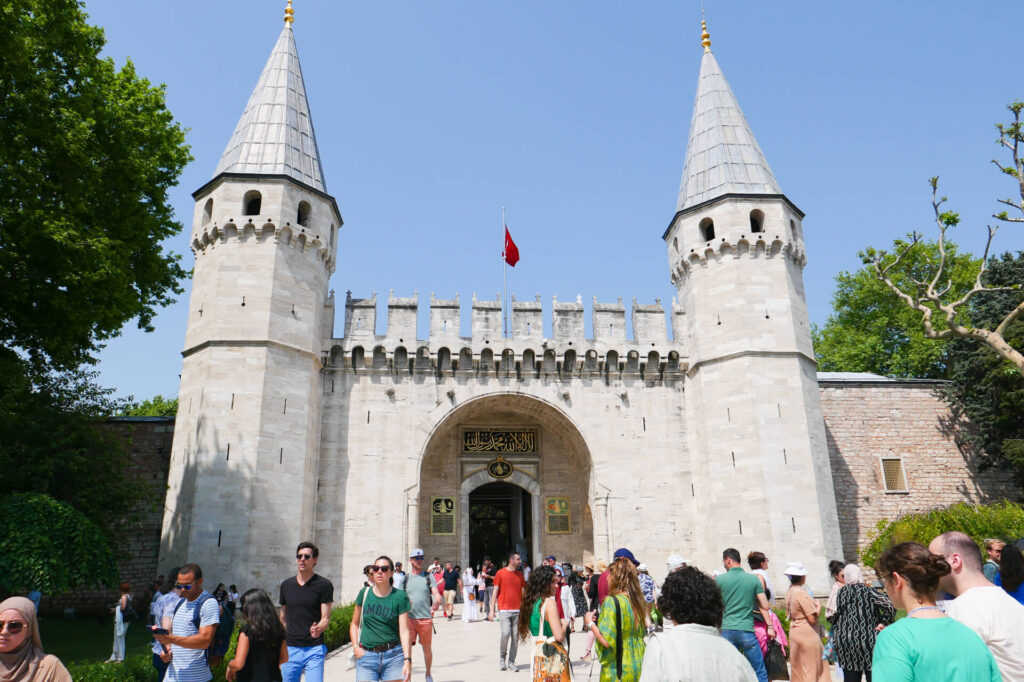
The word Topkapi means 'cannon gate' in Turkish, and it is said that it got its name because there are cannons on the strait side. During the Ottoman Empire, it was the residence of the sultans until they moved to Dolmabahce Palace. It is currently used as a museum, and unlike other European palaces, it is unusual in that it is low and not large.
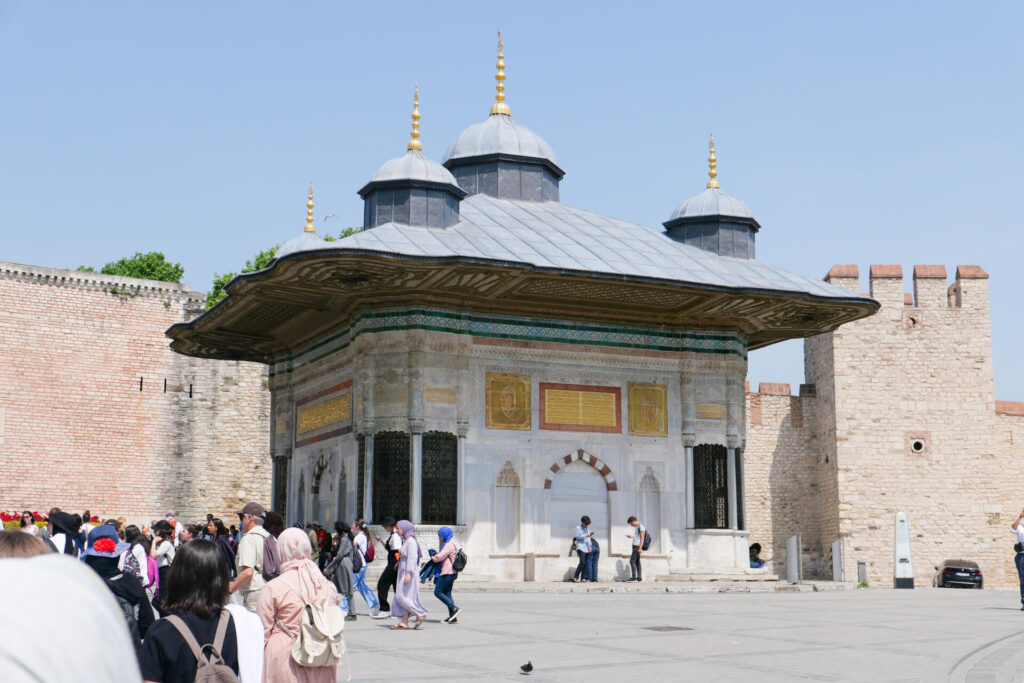
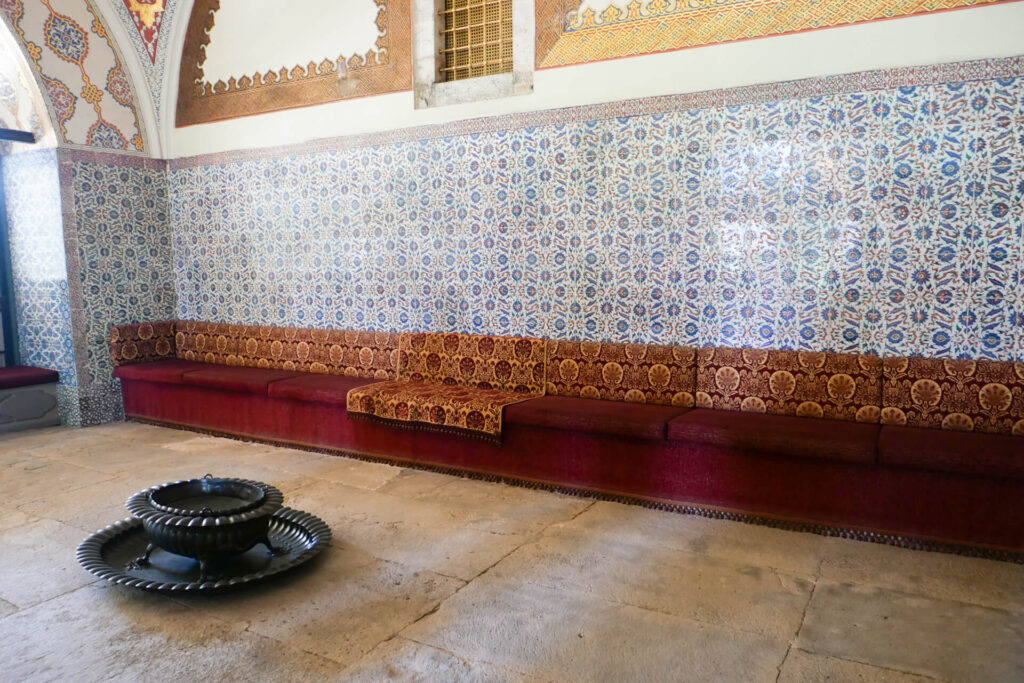
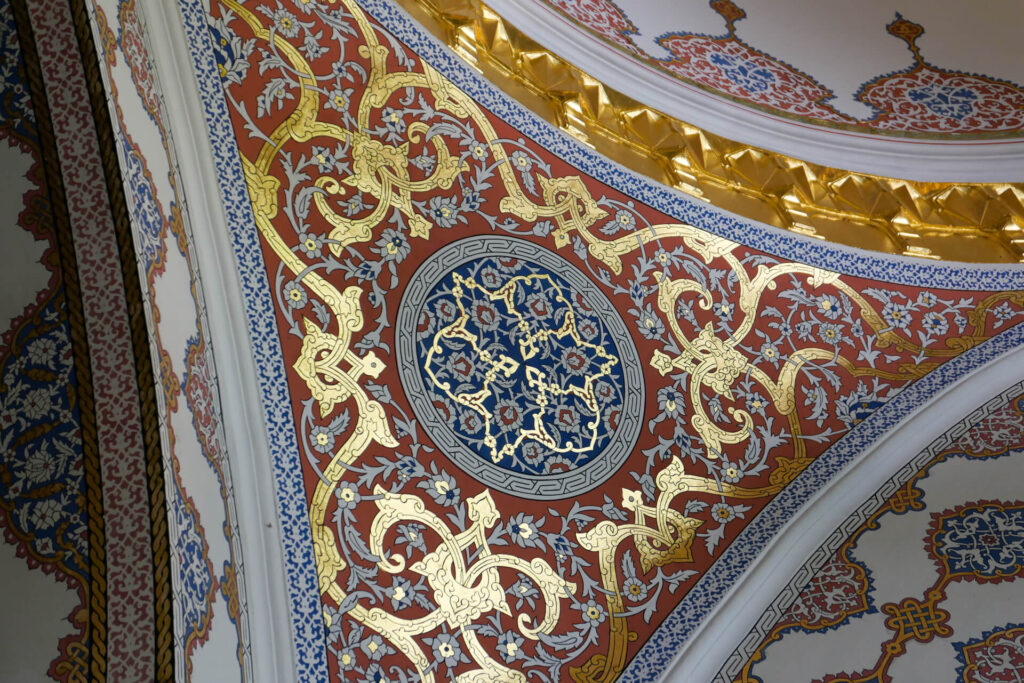
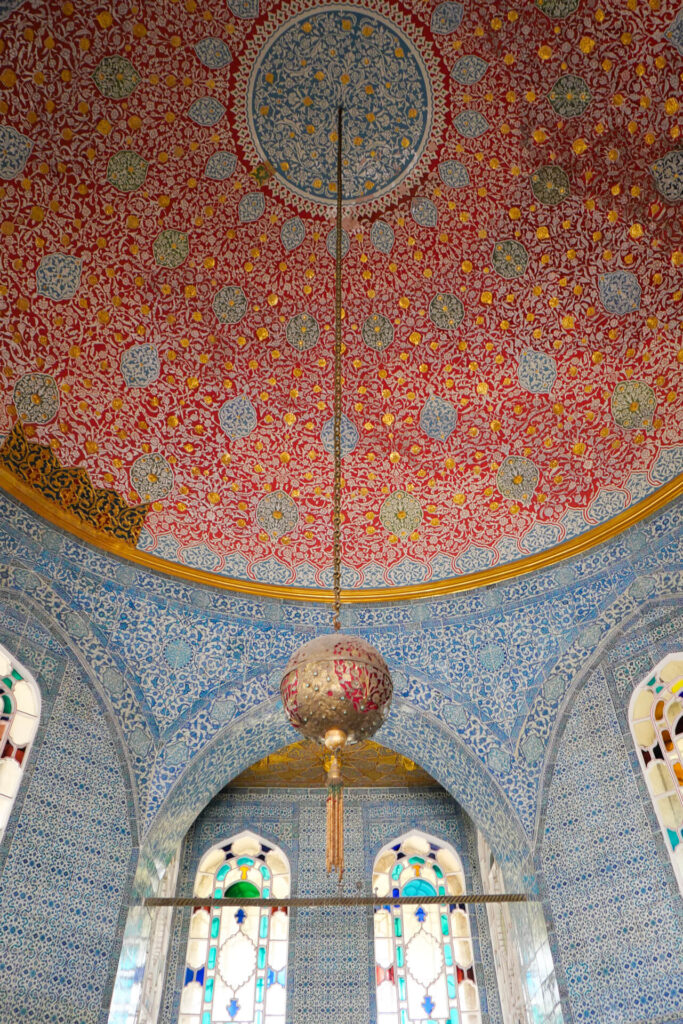
In particular, there was a place where there were a lot of people. The line was long and we had to wait a long time to get into the room, but some people shed tears. The name of this room is the Reliquary, and Muhammad's beard, teeth, and the military standard he held were displayed. It was to the extent that people who had seen it once stood in line to see it again.
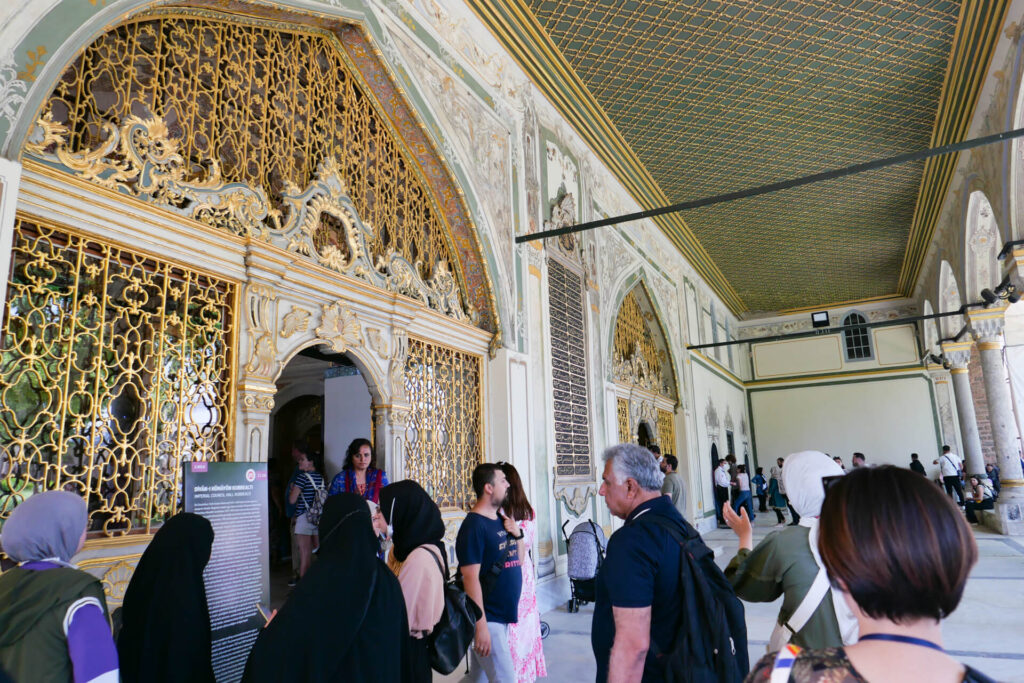
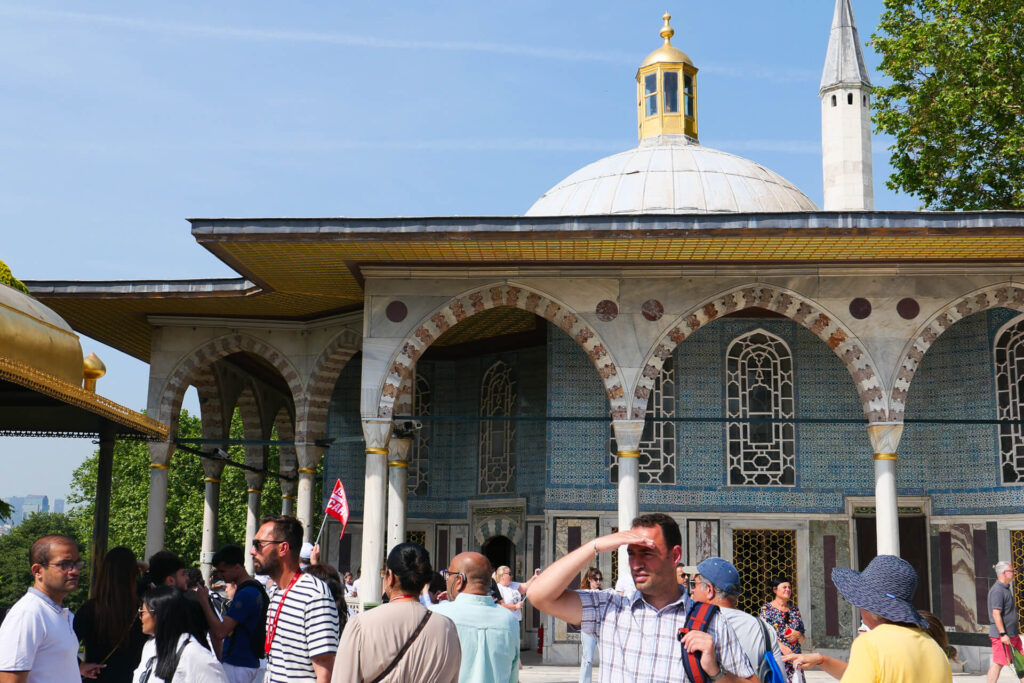
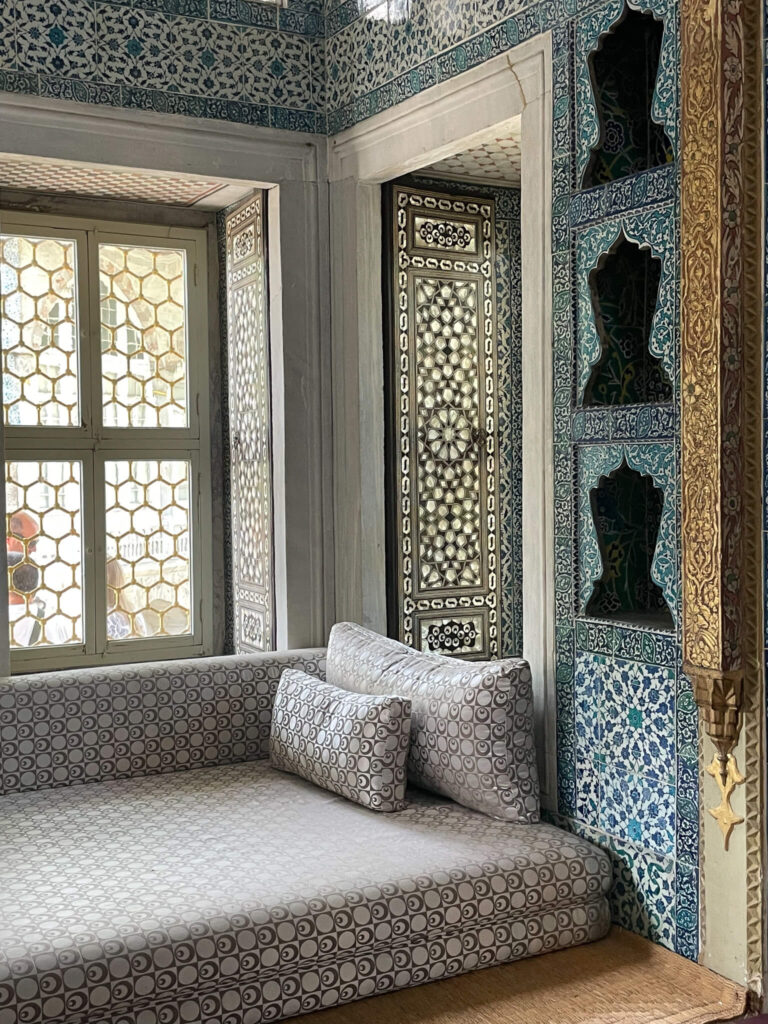
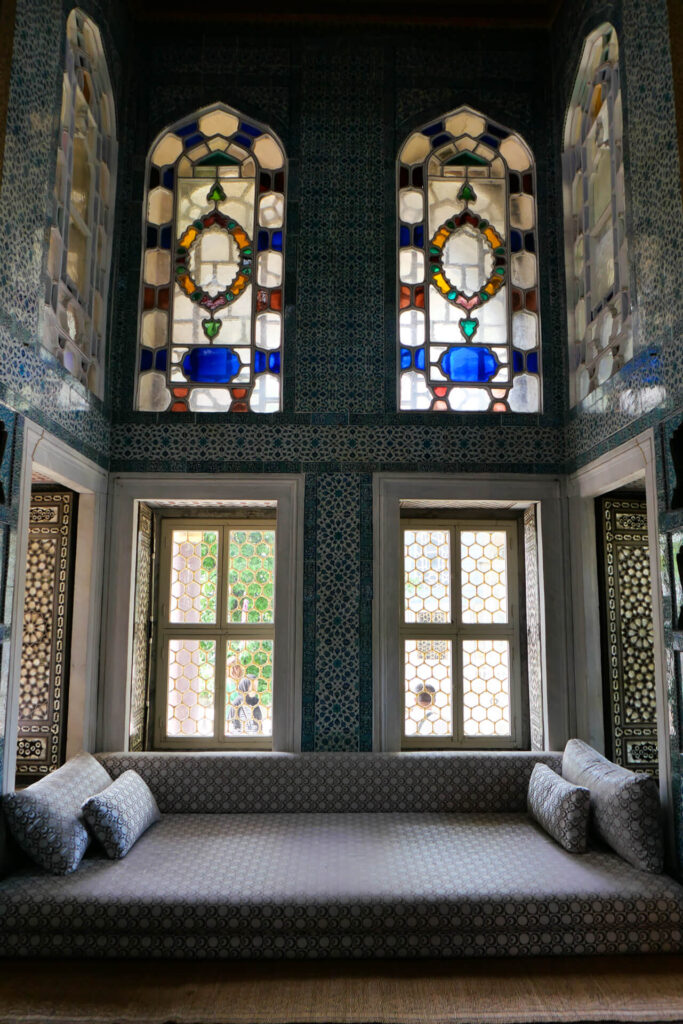
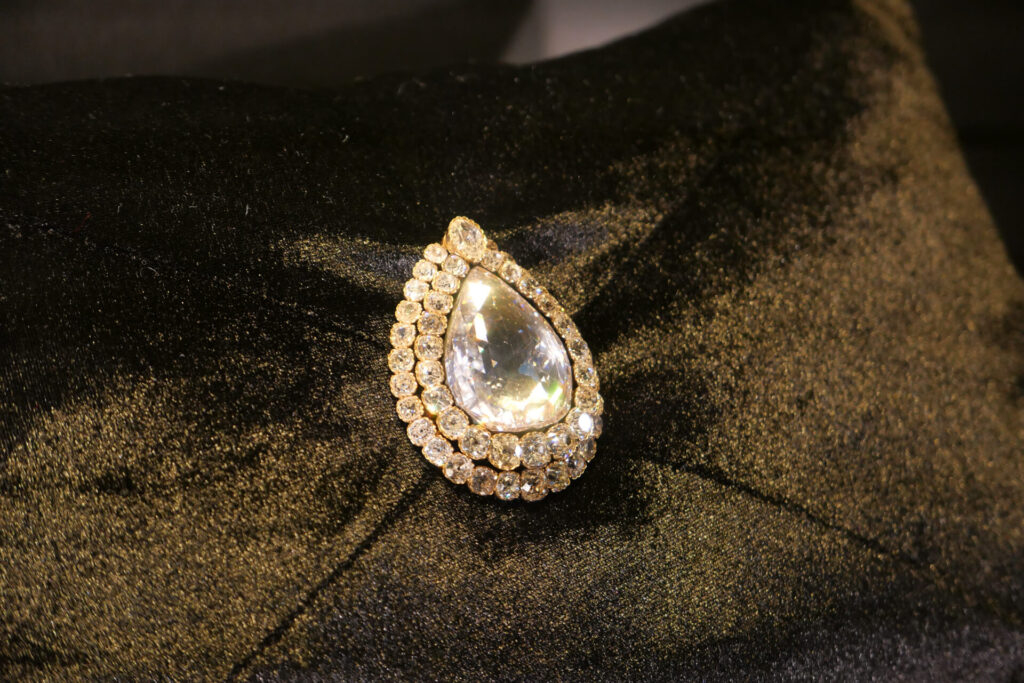
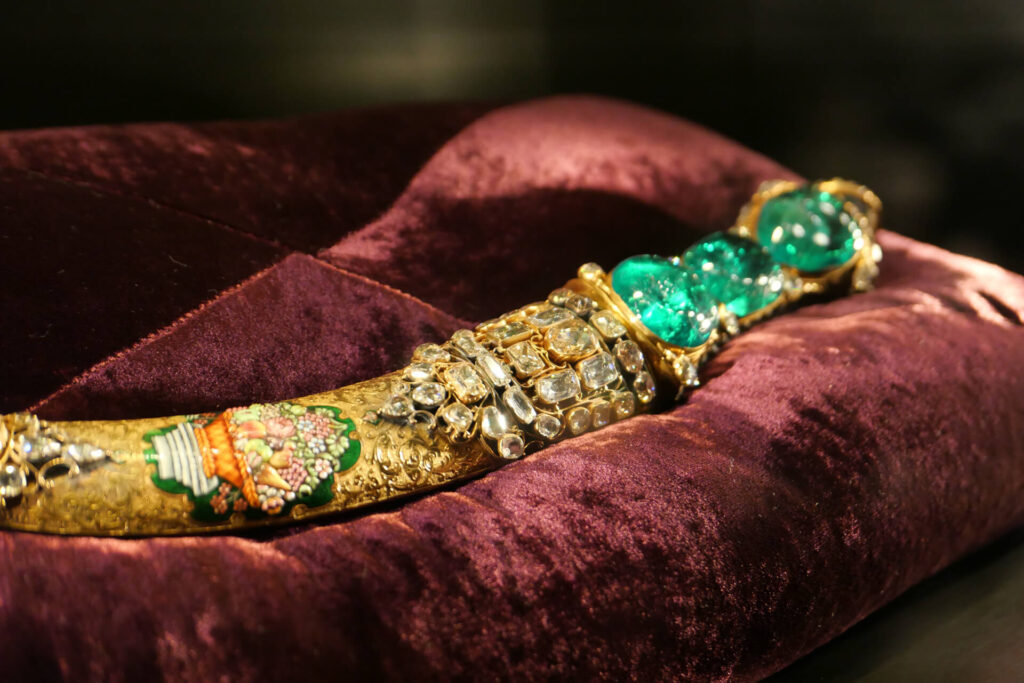
It has the largest diamond in the world. It is said that he got his nickname because he exchanged three spoons with a fisherman. A whopping 86 carats of diamonds are adorned with 49 smaller diamonds. There is also Topkapi's dagger studded with the world's largest emerald weighing 3.3 kg, which is said to have been made by melting 80,000 gold coins. I really thought I had collected all the jewels in the world. There are also amazing artifacts such as the staff of Moses and the sword of David.
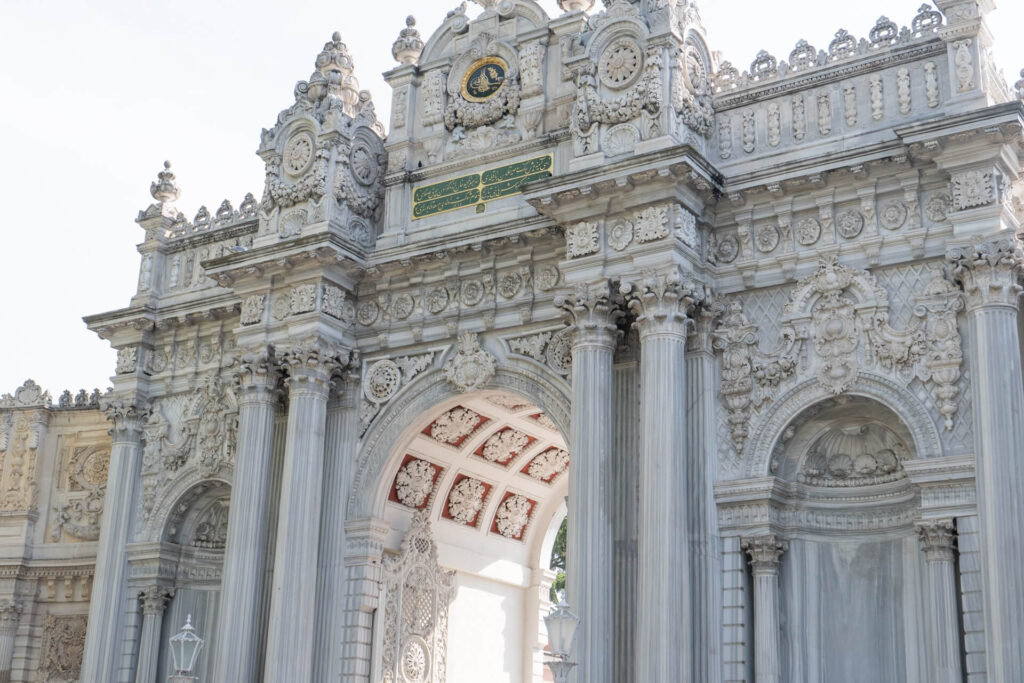
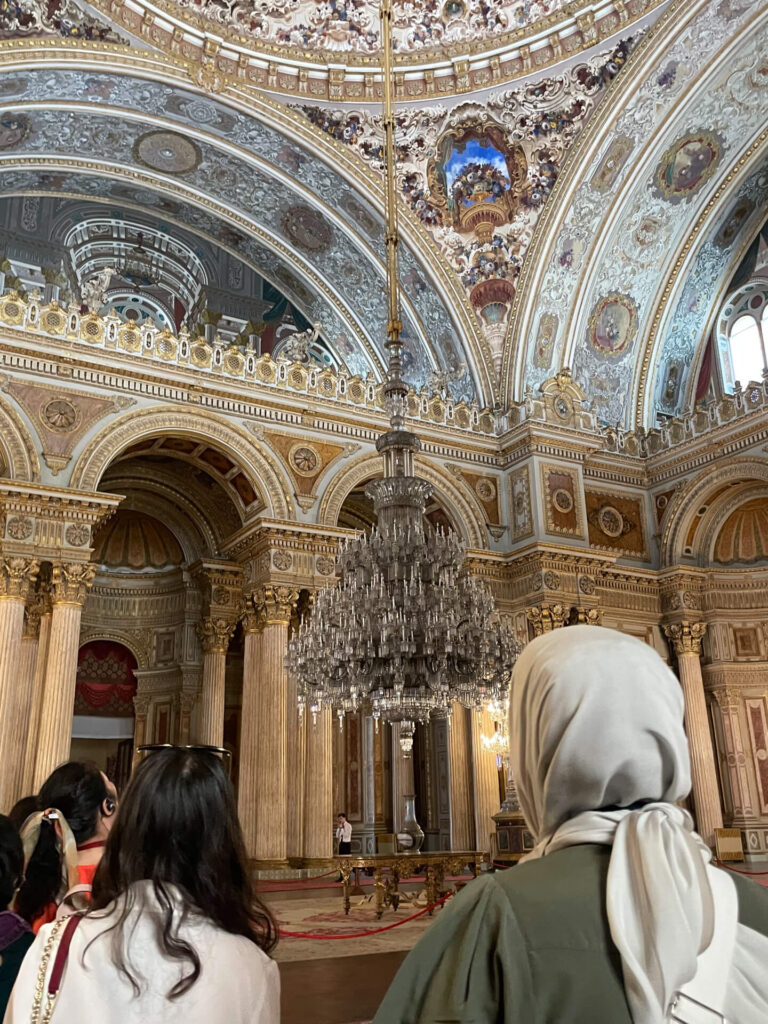
Dolmabahce Palace is a sultan's villa built by filling in a small port area during the Eastern Roman Empire on the shore of the Bosphorus Strait. The name 'Dolmabahce' means 'full garden'. It was created by King Abdulmejit I, who dreamed of European-style reform as a palace modeled after the Palace of Versailles in France. It is filled with furniture and chandeliers ordered from Europe and gifts from various countries. It is said that 14 tons of gold and 40 tons of silver were used.
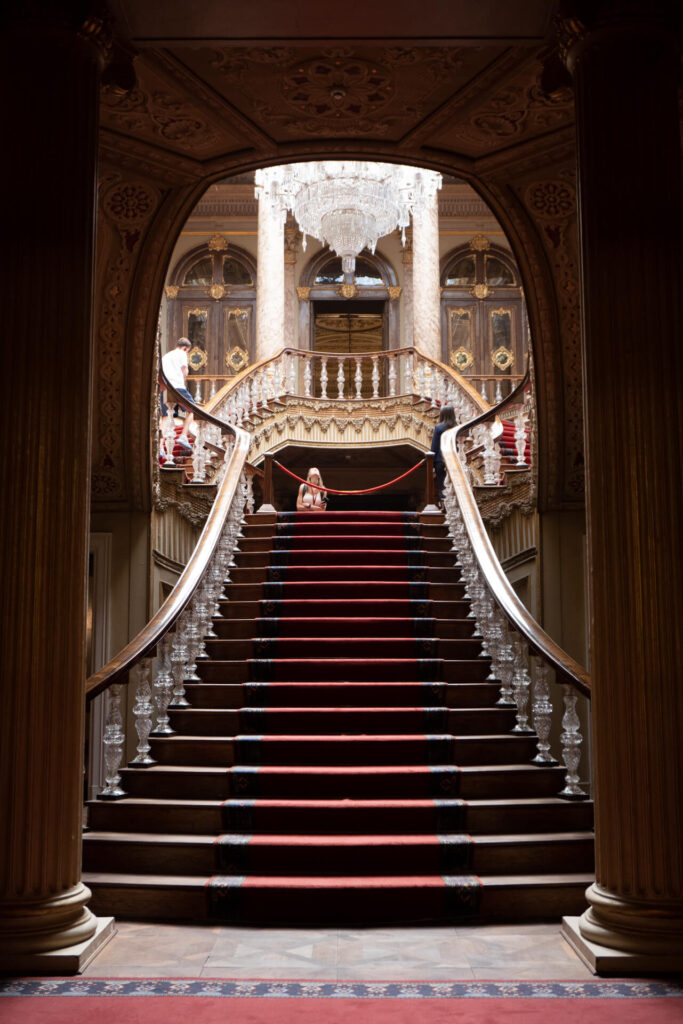
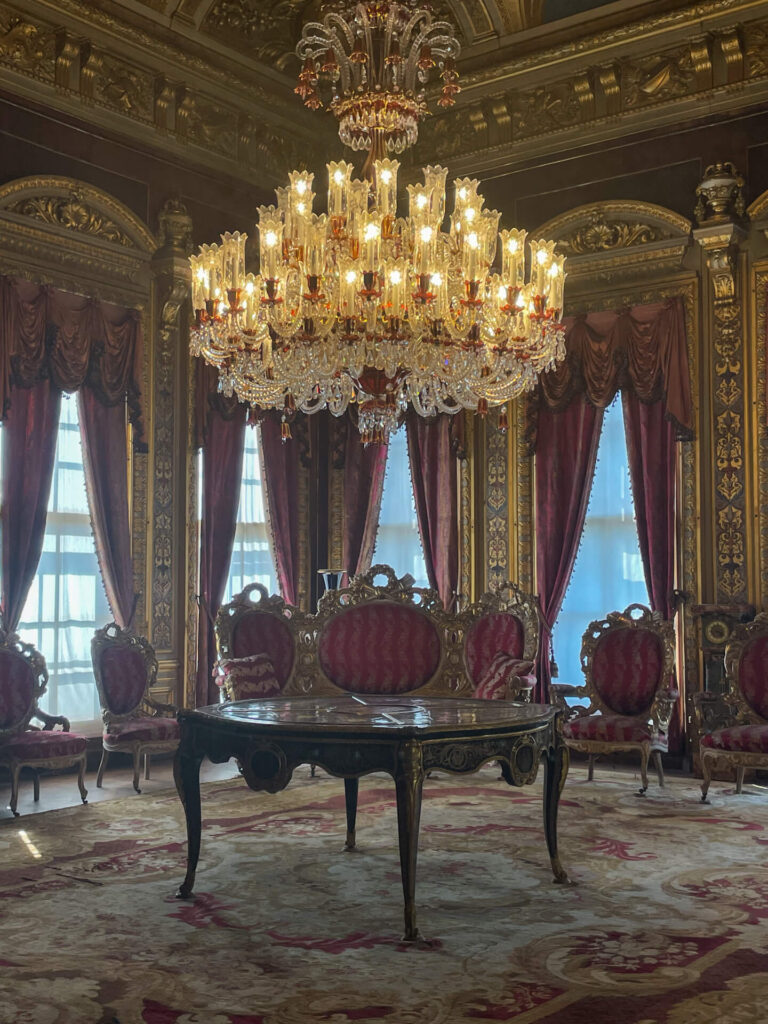
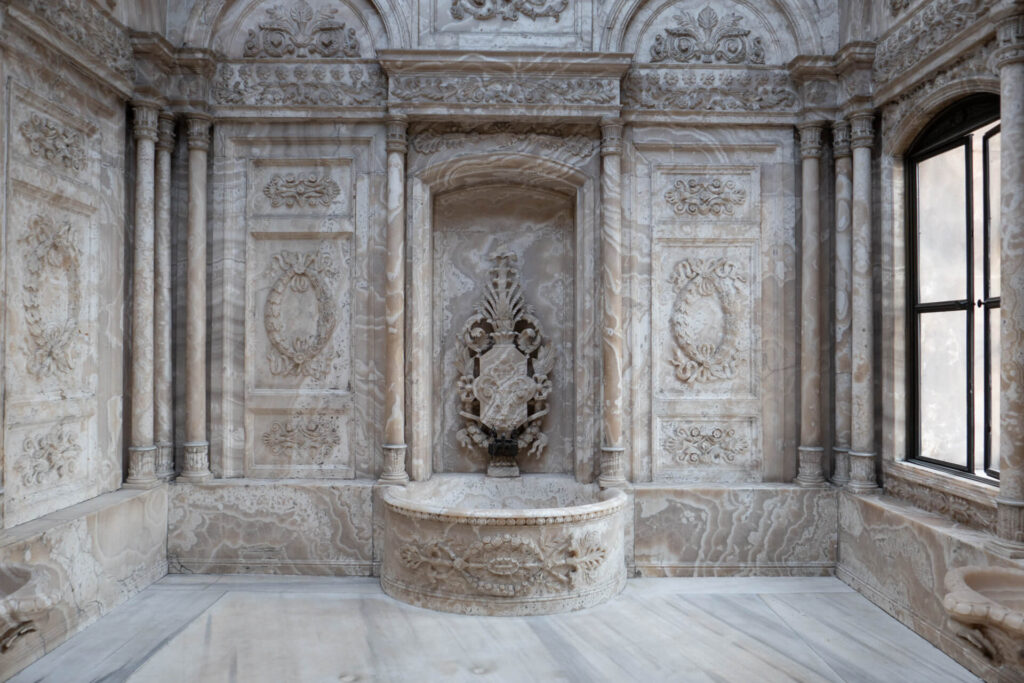
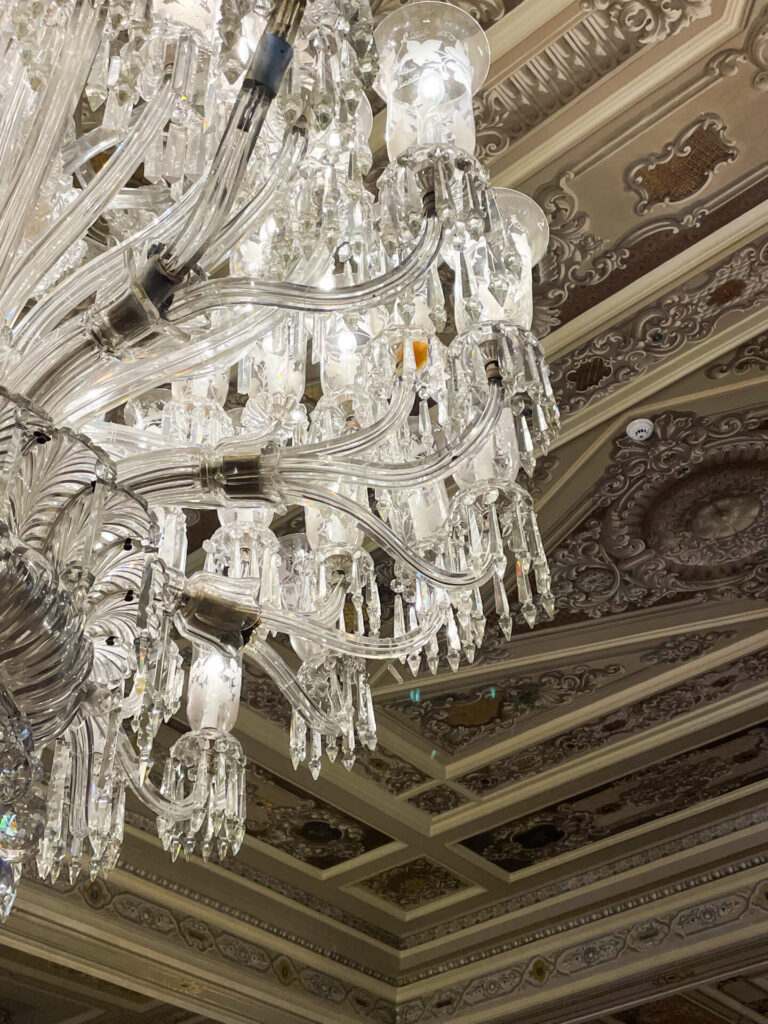
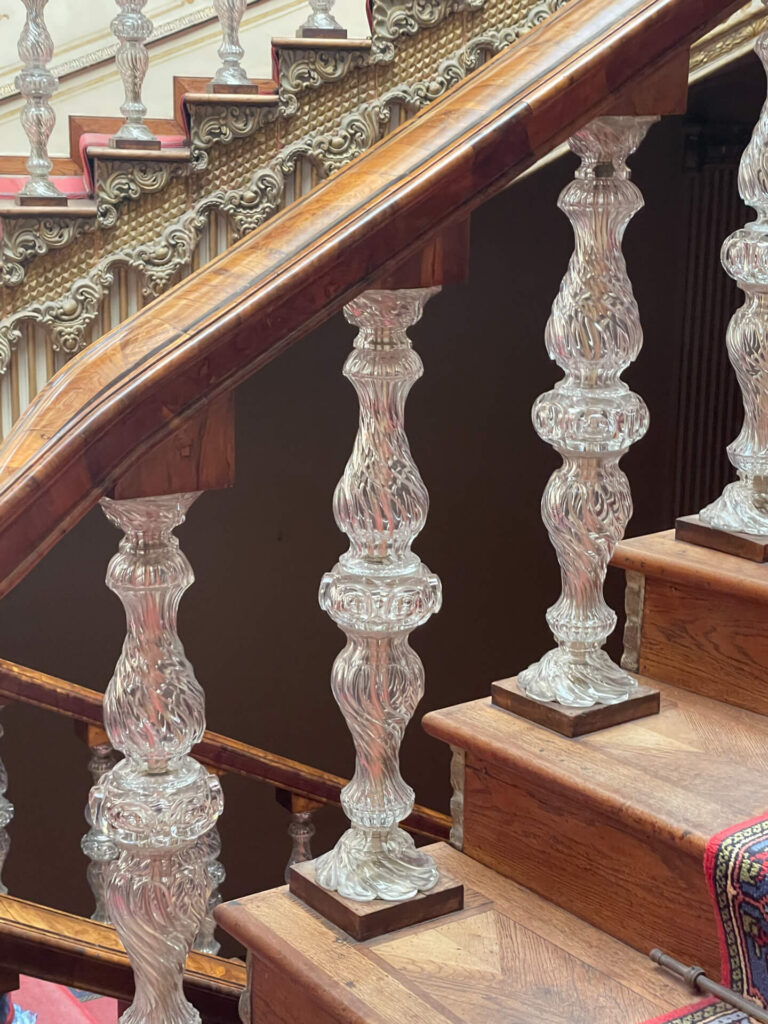
The most impressive space is the hall with a 36m high ceiling and 56 decorative columns. The world's largest and heaviest bohemian crystal chandelier dominates. It was said that Queen Victoria gave it as a gift, but it is said that it was purchased after paying the price. It weighs 4.5 tons and is decorated with 750 light bulbs.
When you think of Istanbul, the first building that comes to mind is the world's oldest Byzantine-style cathedral. It was the headquarters of the Orthodox Church, but was converted into a mosque by Mohammed II of the Ottoman Empire. Afterwards, it became a museum under the direction of Atatürk of Turkiye, who pursued a secular policy, and recently became a mosque again.
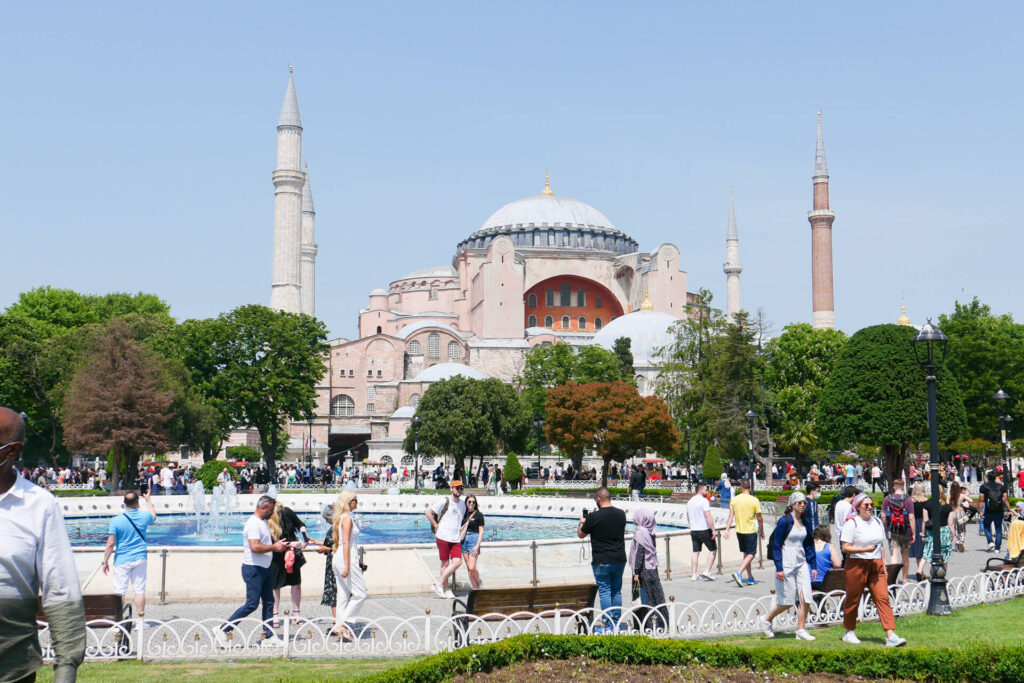
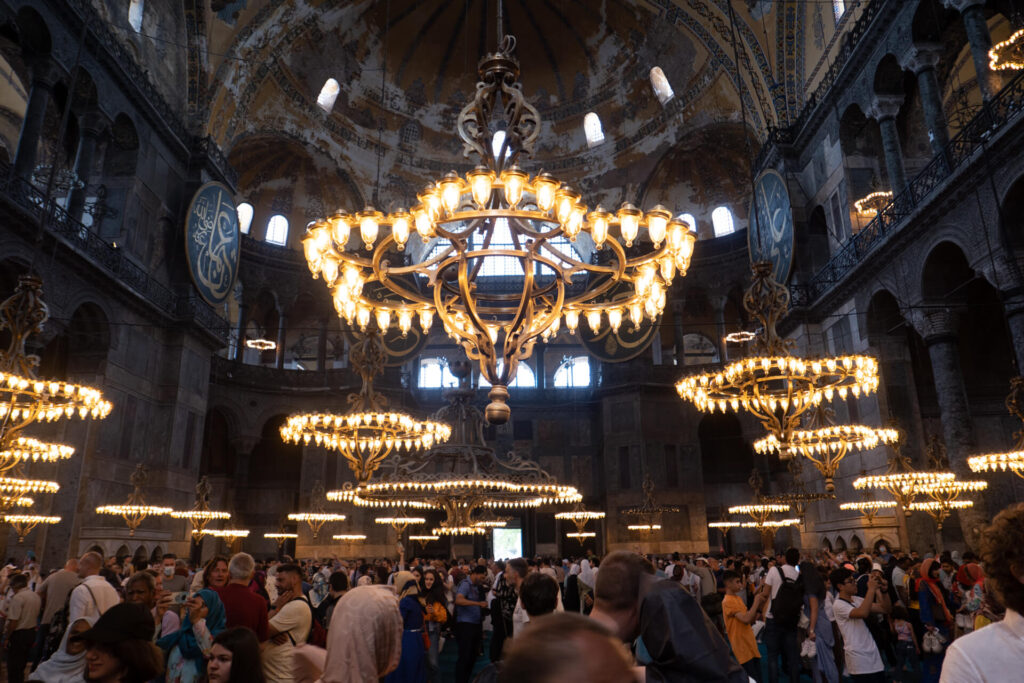
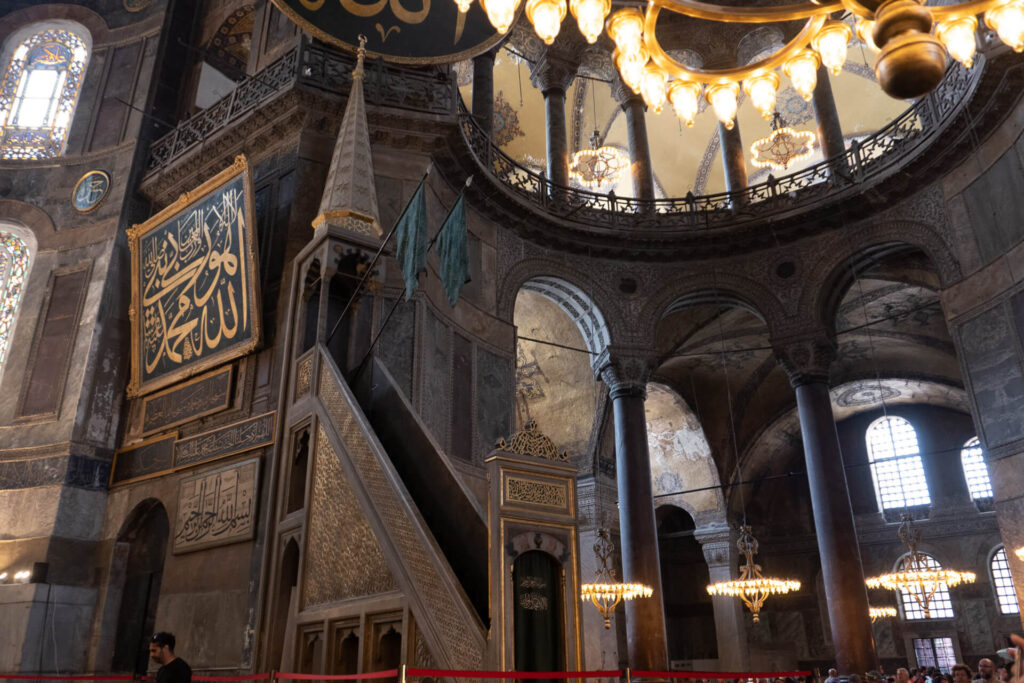
Rome, the Eastern Roman Empire, the Ottoman Empire, and Turkiye kept changing masters and suffered numerous destructions and crises. It was set on fire during riots and looted by crusaders. As it changed from Catholic to Muslim, all the murals, mosaics and decorations depicting Jesus, Mary and saints inside were demolished.
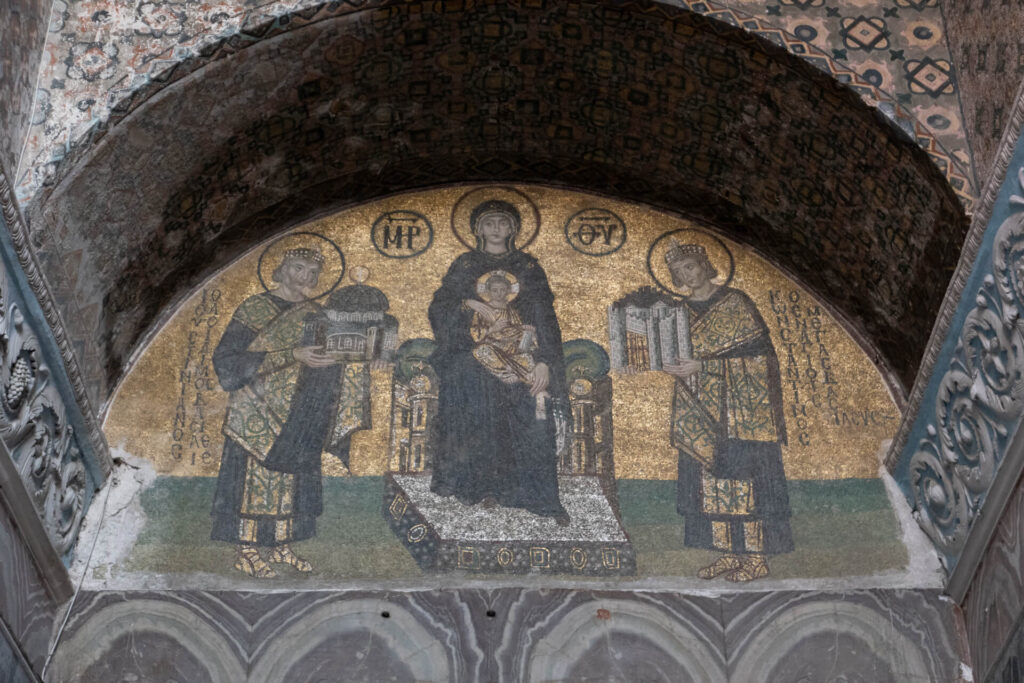
Even in the midst of a crisis, a novelty with the story of that era was added and kept in one place for 1483 years. Hagia Sophia has become a memory and heritage of all mankind with its timeless, primitive beauty.
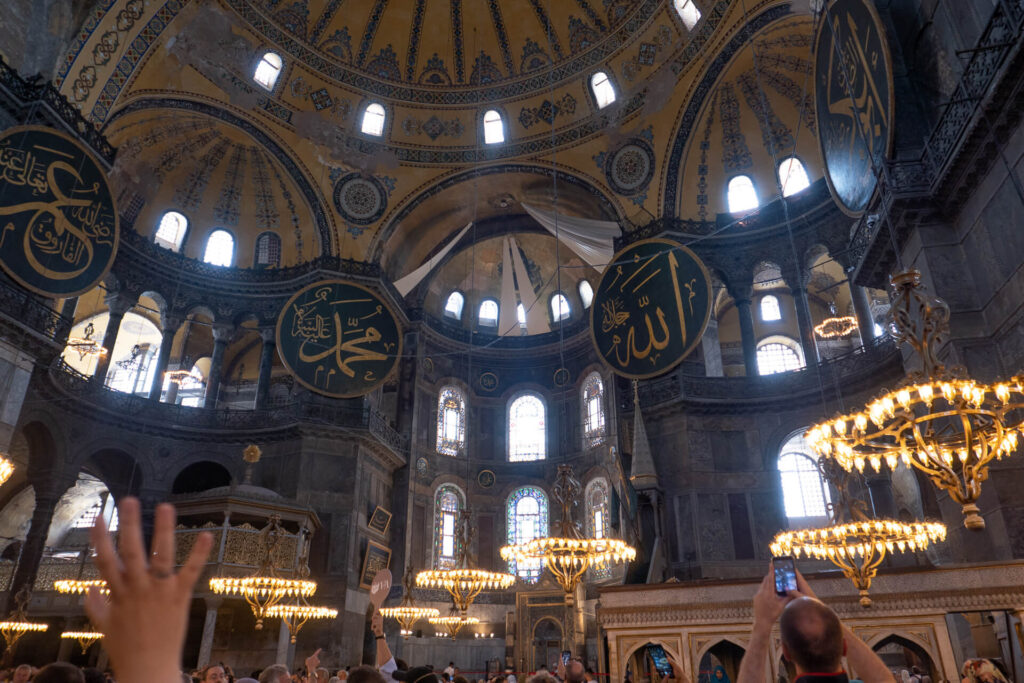
The giant disc is said to be the largest calligraphy disc in Islam. It is 7.5m in diameter and is said to be the original plate designed by calligrapher Kazasker Mustafa Izzet Efendi during the reign of Abdulmejit I in the 19th century. It is said that the names of eight people are written, and the names of Allah, Muhammad, descendants of Allah and Muhammad, and orthodox caliphs are written.
Istanbul is a city where many cultures naturally mix. At first glance, I thought Catholicism and Islam were completely different, but looking at Istanbul's diverse architecture and culture, it gave me the feeling that it was originally like that.