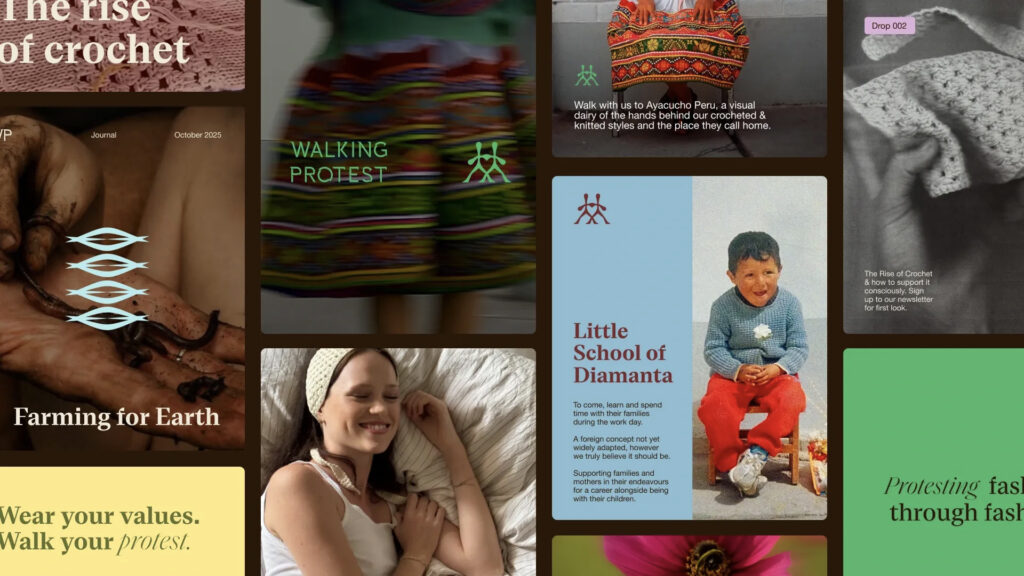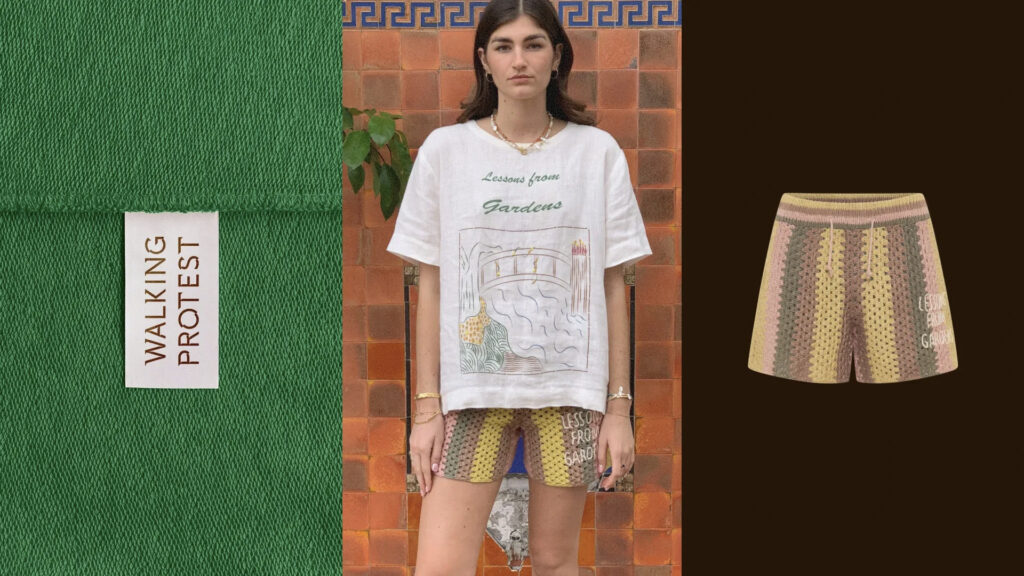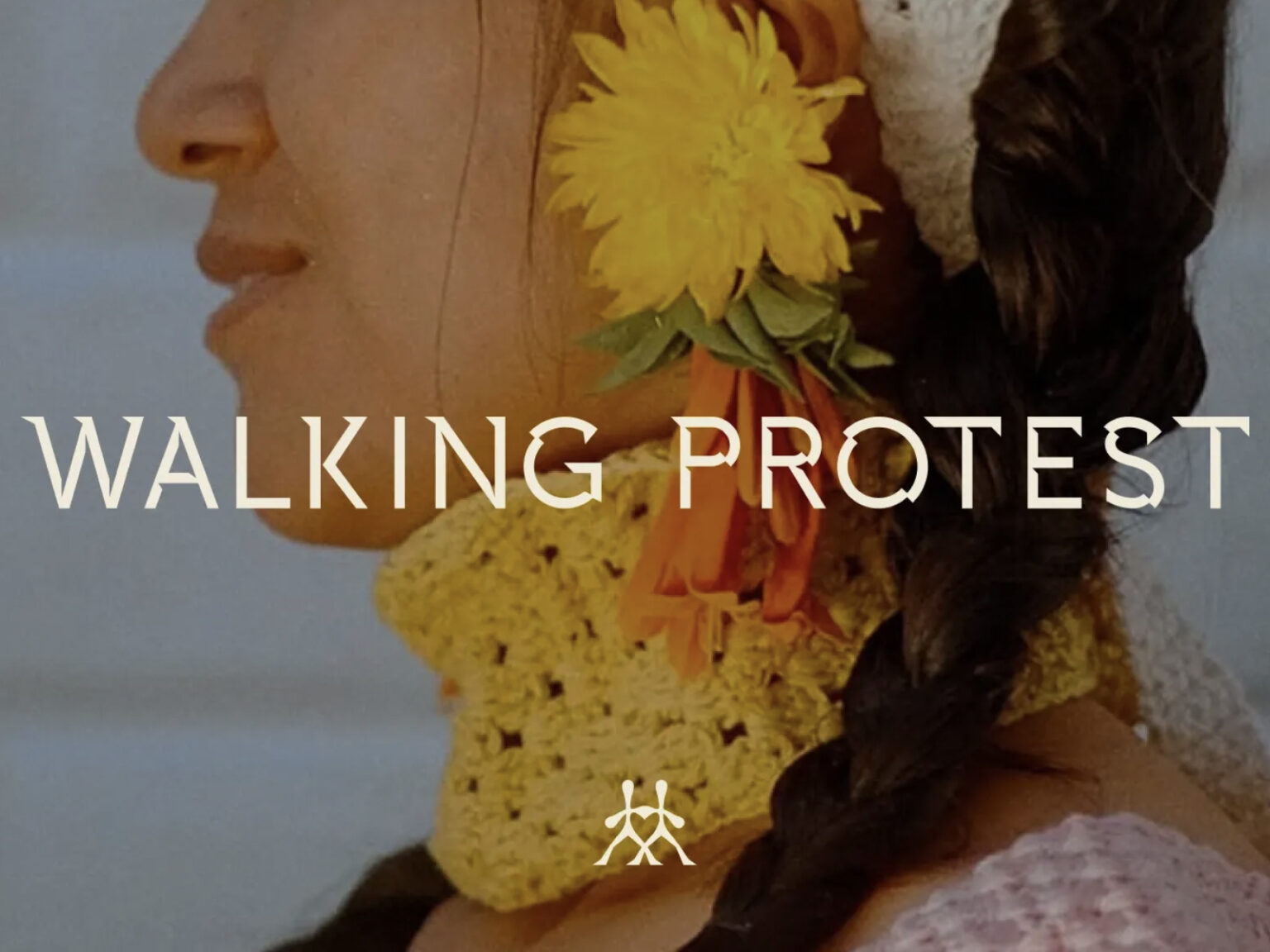
Working Protest, an anti-fashion brand and movement, has unveiled a new brand identity that shifts responsibility for ethical fashion from the anonymity of supply chains to the hands of companies. Working Protest's identity was created by Considered by Design, a two-woman design studio.

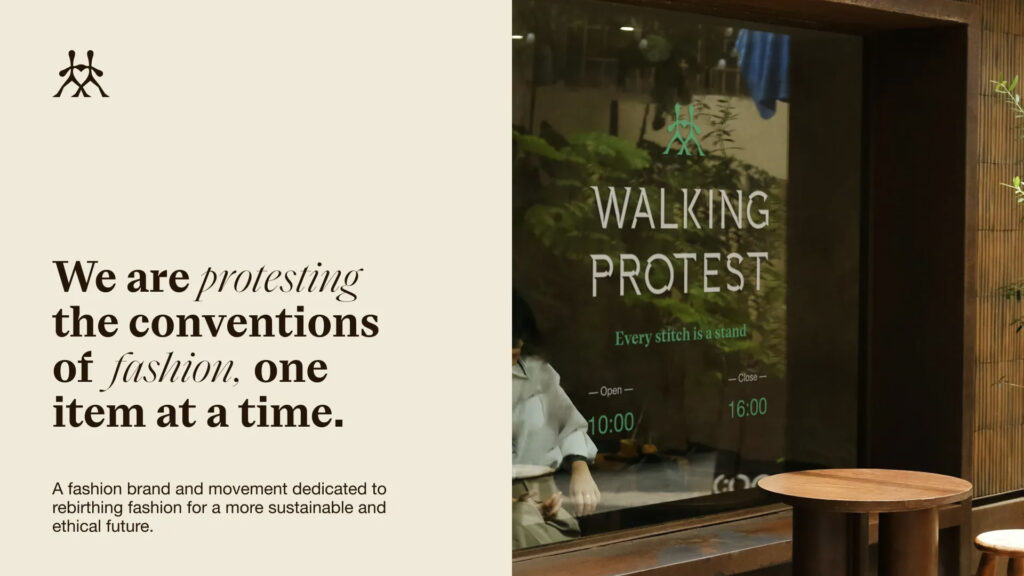
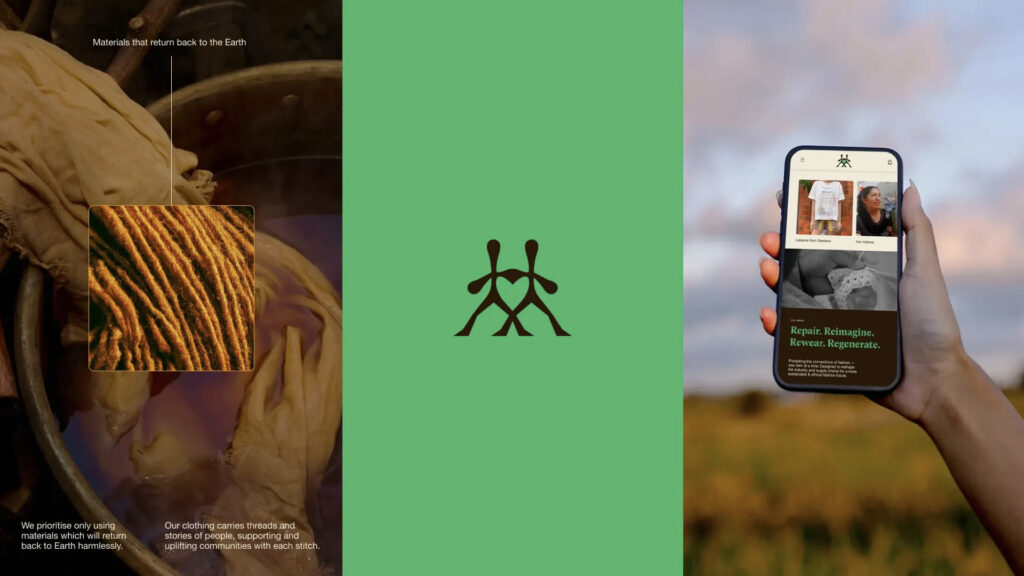
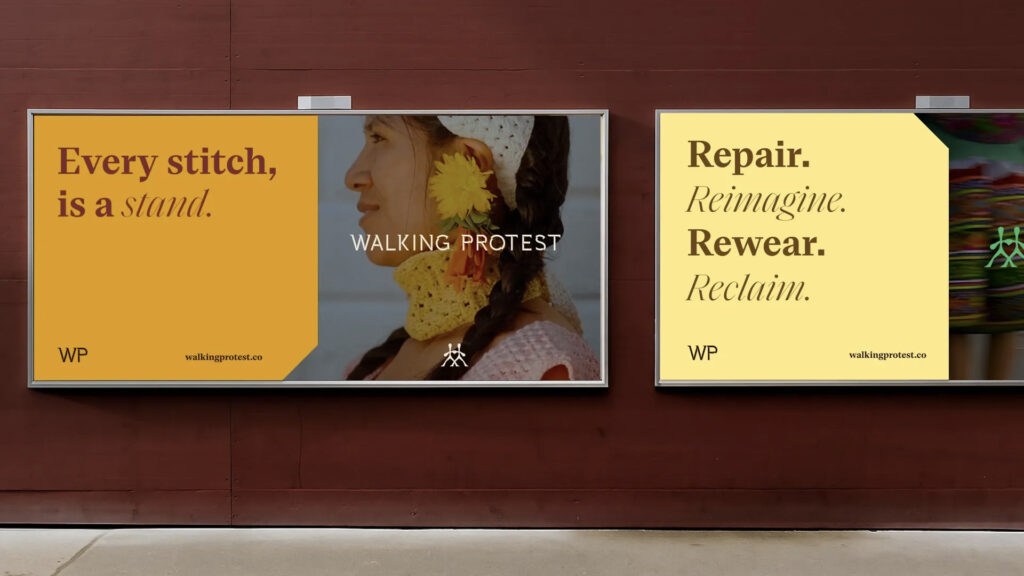
The logo is the centerpiece of the visual system. Two people holding hands form a heart, and the serif details throughout the logo capture the impression of feet moving, emphasizing momentum and unity. While it may initially seem like a familiar symbol, its practical application clearly conveys a message of warmth and solidarity. When placed on labels and printed materials, the white space highlights the symbol and conveys the movement's spirit in a structured manner.
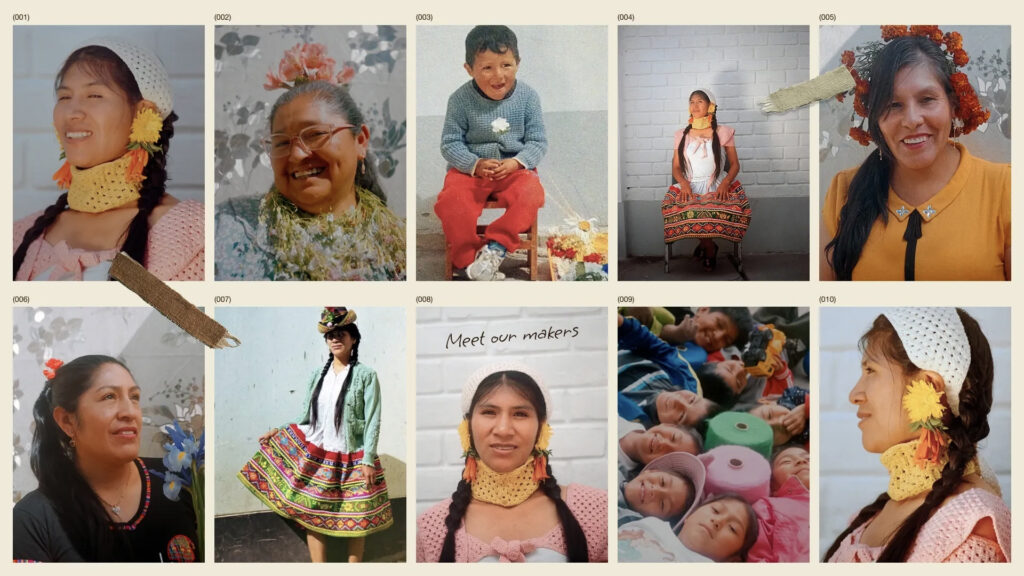
The media outlet reported that the brand needed a bold and unconventional impression, but also an inclusive and hopeful tone to stand out. Considered by Design achieved this with a modular structure, designed to scale across multiple touchpoints while simultaneously emphasizing a leading image in sustainable fashion, craftsmanship, and handcraftsmanship. The production process was entirely human-made, without AI tools, with the goal of highlighting ethical practices, highlighting makers, and helping consumers and brands work together to reduce their environmental impact.
The typography strives for a balance of rebellion, openness, and friendliness. The color palette, inspired by nature, features bright, bold hues that symbolize optimism. The iconography retains the imperfections inherent in handcrafting, demonstrating the craftsman's touch, while the imagery utilizes a black-and-white scanned texture to add a sense of timelessness and sincerity.
Becca Bolton, Founder and Brand Director of Considered by Design, explained that implementing shared responsibility and passive engagement across all touchpoints with a clear, flexible, and scalable visual identity was a thoughtful challenge. She added that she worked closely with Madeline Boutelle, Founder of Working Protest, and Solid Craft and Yulisa Araniba to bring the hands, hearts, and stories of the makers to the forefront. She added that every stitch, pattern, and texture was intentionally designed to reflect connection, while modular graphics and custom icons celebrated the human touch while being designed to withstand a variety of applications.
Working Protest reduces the burden of choice for consumers through identity, presenting a structure where brands take responsibility first. It translates the question of what fashion has been hiding into visual language, and it remains to be seen how this identity will expand as the movement grows.