Singapore, the sparkling glass city

I'd always thought Singapore was just a city I'd pass through briefly while traveling in Southeast Asia. I'd heard it wasn't very big, so I could explore it in a day or two. However, since it was also the city where I'd be celebrating the New Year during my Southeast Asian trip, I figured I wouldn't be able to fully experience the city in such a short time, so I stayed for a week.

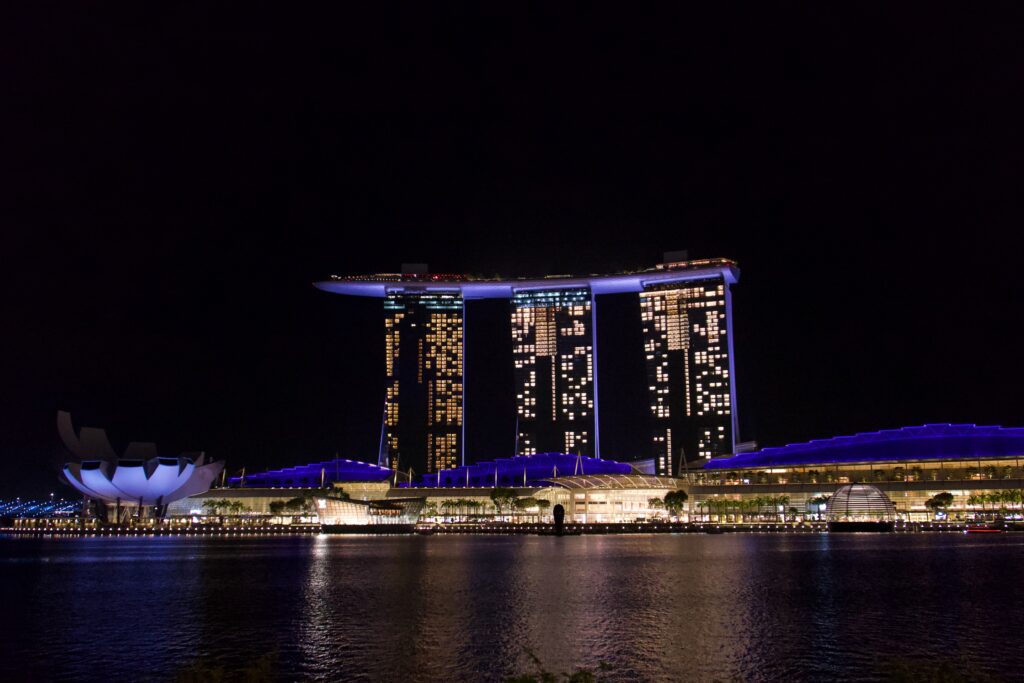
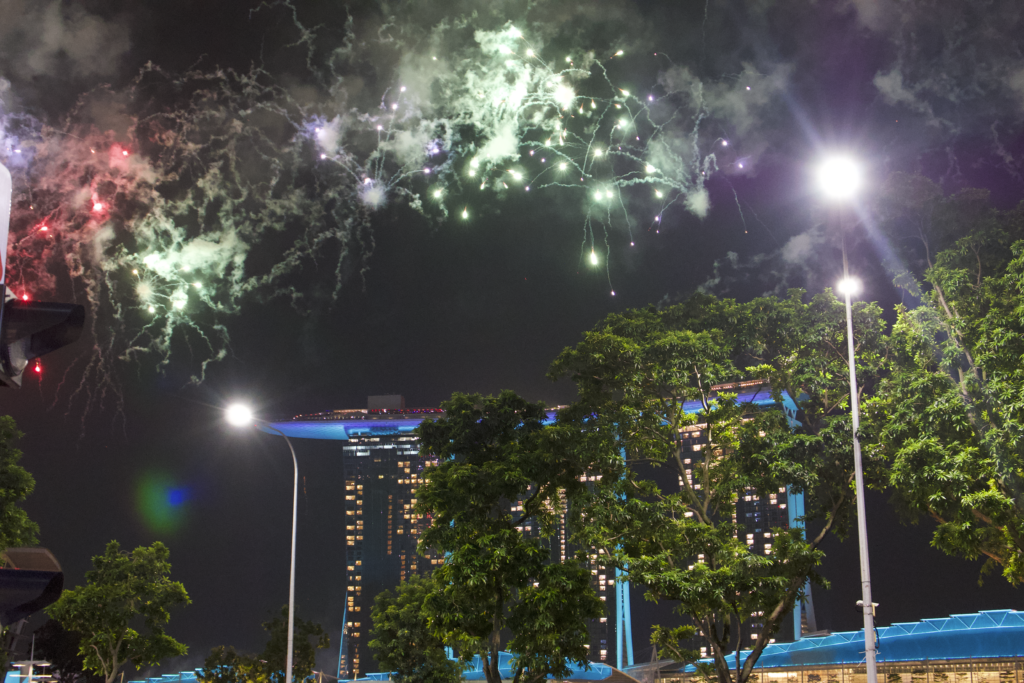
It was my first time celebrating New Year's abroad, so I rubbed my sleepy eyes and took to the streets to participate in the event. I watched the dazzling fireworks display against the backdrop of Marina Bay Sands, Singapore's iconic landmark. Seeing the sophisticated buildings and perfectly maintained streets, I wondered how this city had grown so much.

So, after studying it closely, I learned just how dire the city-state of Singapore started out, and what kind of city it could become if an iron man devised a perfect plan and pushed it forward with superhuman will.

From a struggle for survival to a great nation

Singapore's beginnings were precarious. The fate of this small city, pushed into independence, was uncertain.

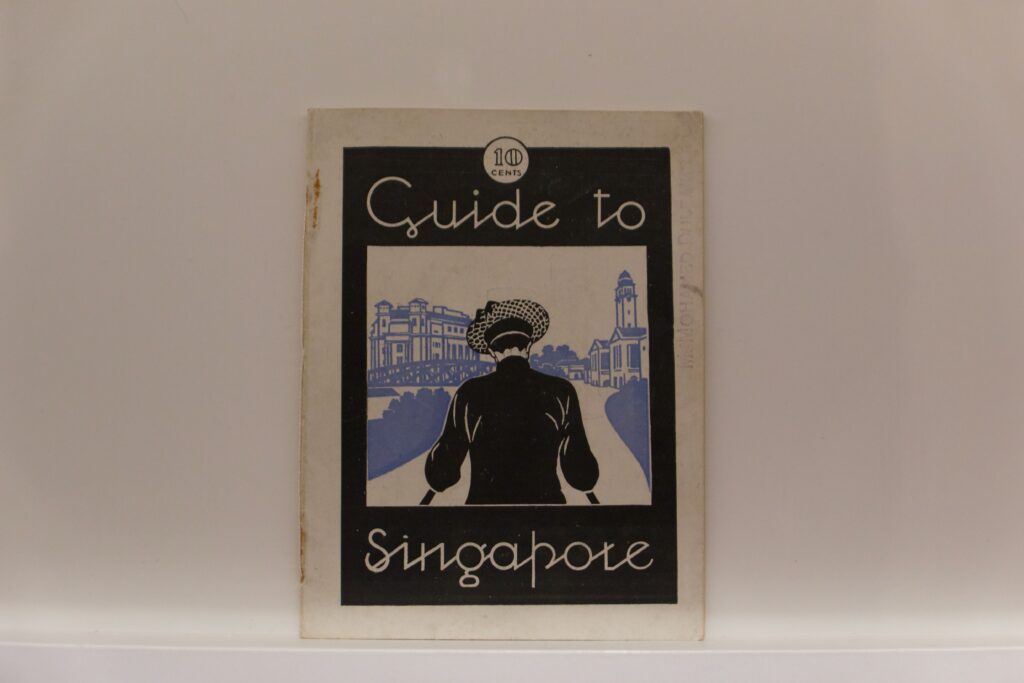
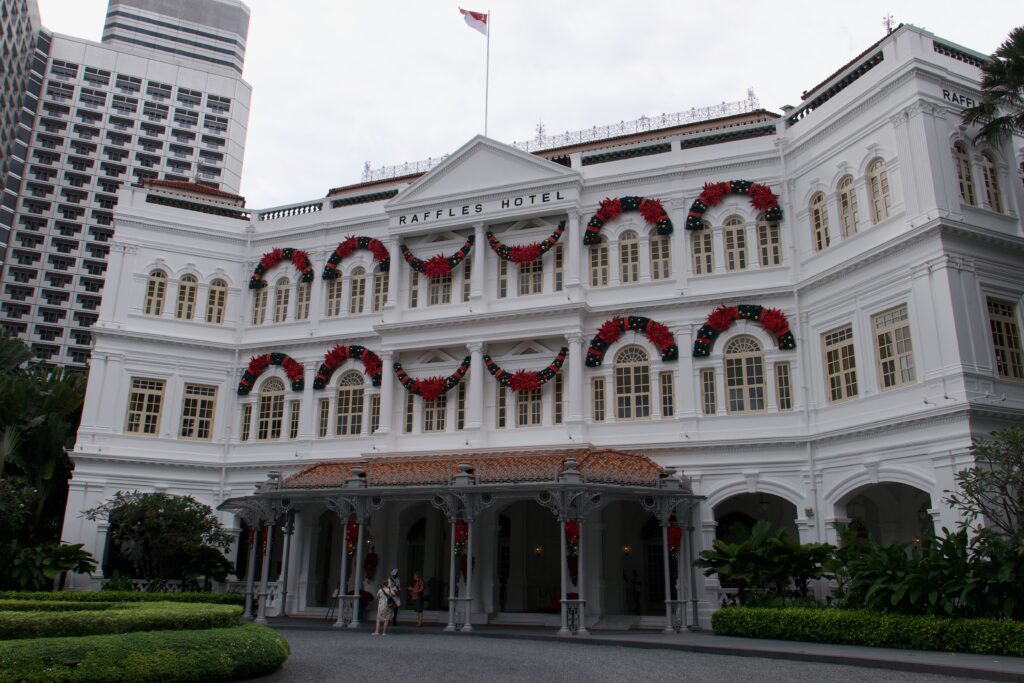
Singapore's rise began in 1819, when Stanford Raffles opened the small fishing village in the Straits of Malacca as a free trade port. Chinese, Malay, and Indian merchants flocked to Singapore, transforming it into a multicultural port city. Under British colonial rule, well-organized urban planning developed.

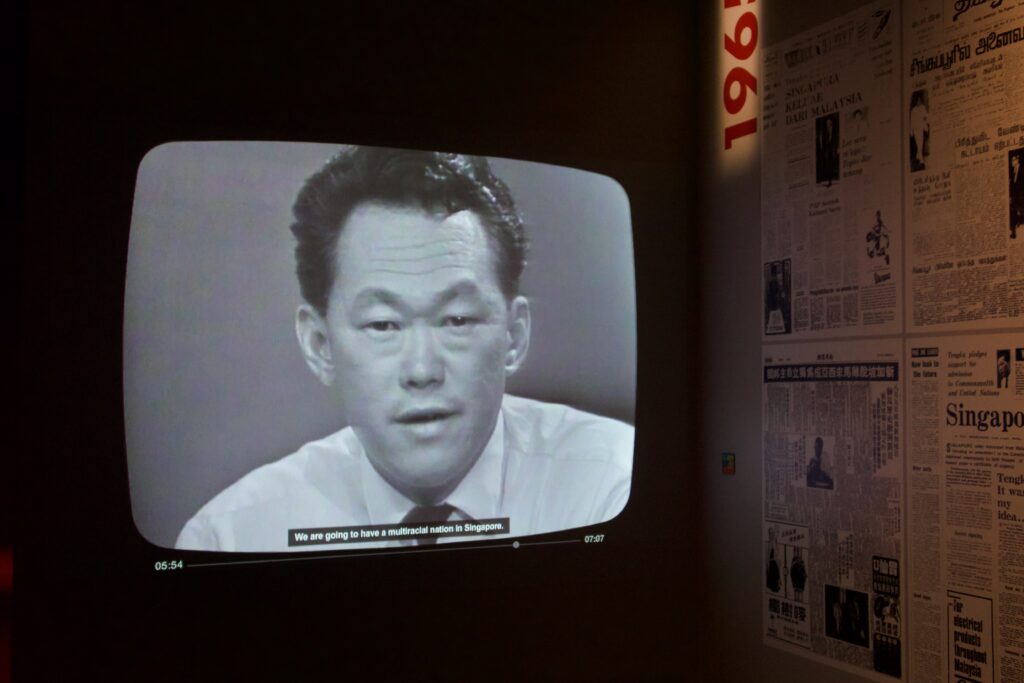
The real turning point came in 1965. Singapore, effectively forced to secede from Malaysia, was a city-state with no resources or hinterland. The decision to separate was driven by a political decision to contain the Chinese presence in Malaysia and the pressures of a city with capital and a port favoring free trade and openness.

Lee Kuan Yew emerged from a seemingly impossible situation. He ran the country in a manner almost akin to a business leader. From the zero-tolerance rule of law and the meritocracy to the recruitment of talented individuals, the bold attraction of foreign capital, and the state-led design of the entire city, including the HDB (public housing) system, transport, and green spaces, everything worked together as a single strategy. It was also through institutions and systems that the diverse ethnic groups were united under a single identity as "Singaporeans.".

Walking through the city, Singapore felt more like an extremely well-run company than a nation. It was a testament to how desperate survival can create a powerful organization. Perhaps all this was possible because Singapore, at the time, tolerated a centralized, almost dictatorial, decision-making system. As a traveler, Singapore, before it became a beautiful city, was a place where I witnessed the "end of management.".

A space resembling a giant spaceship

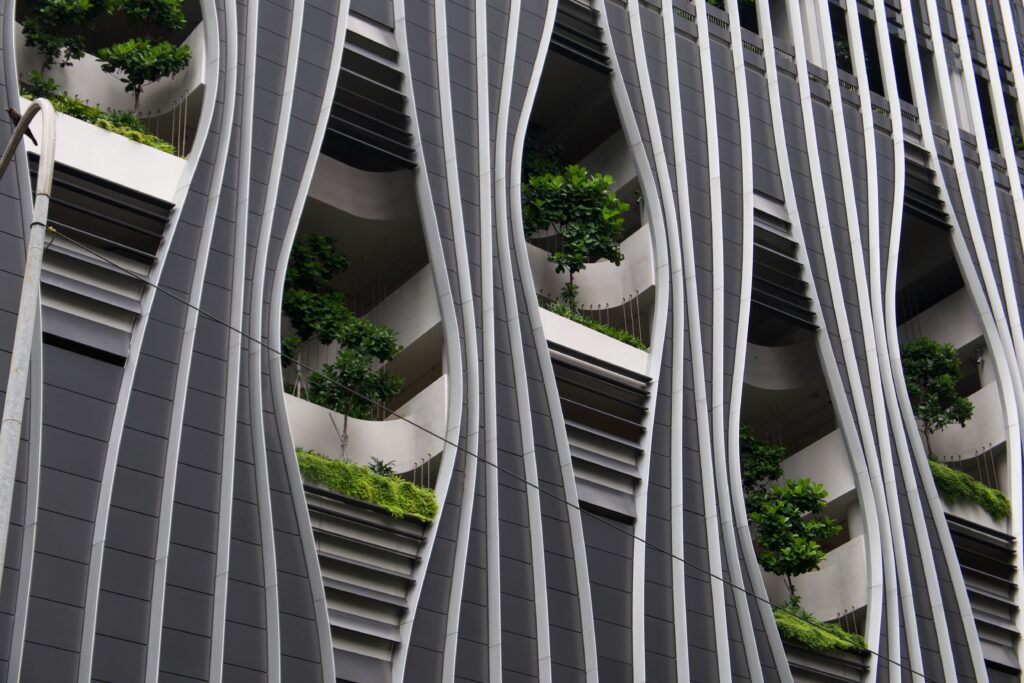
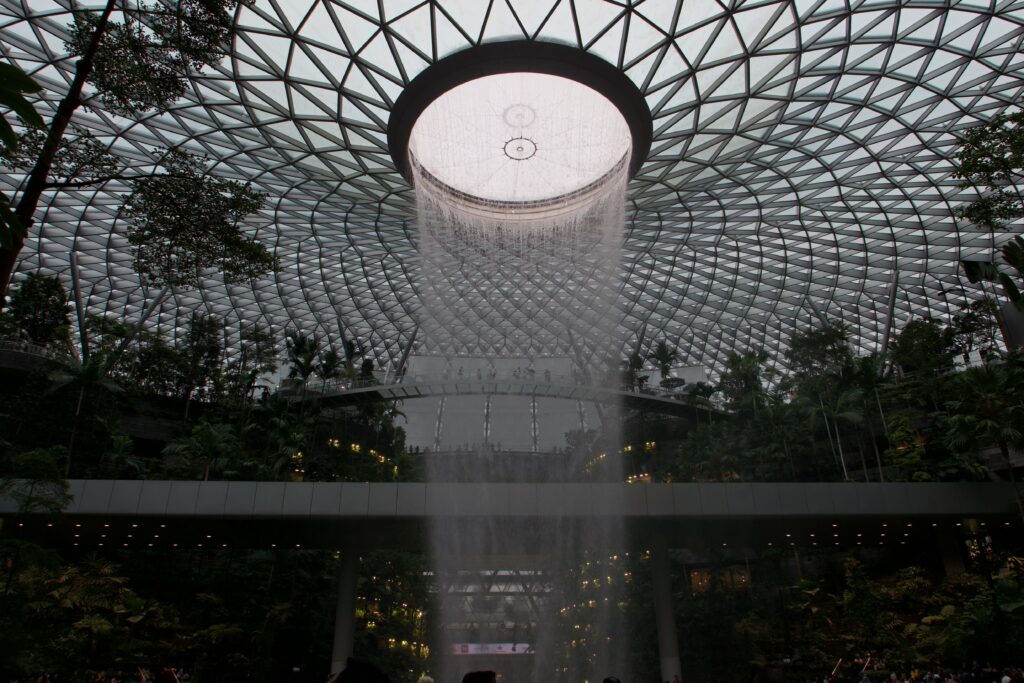
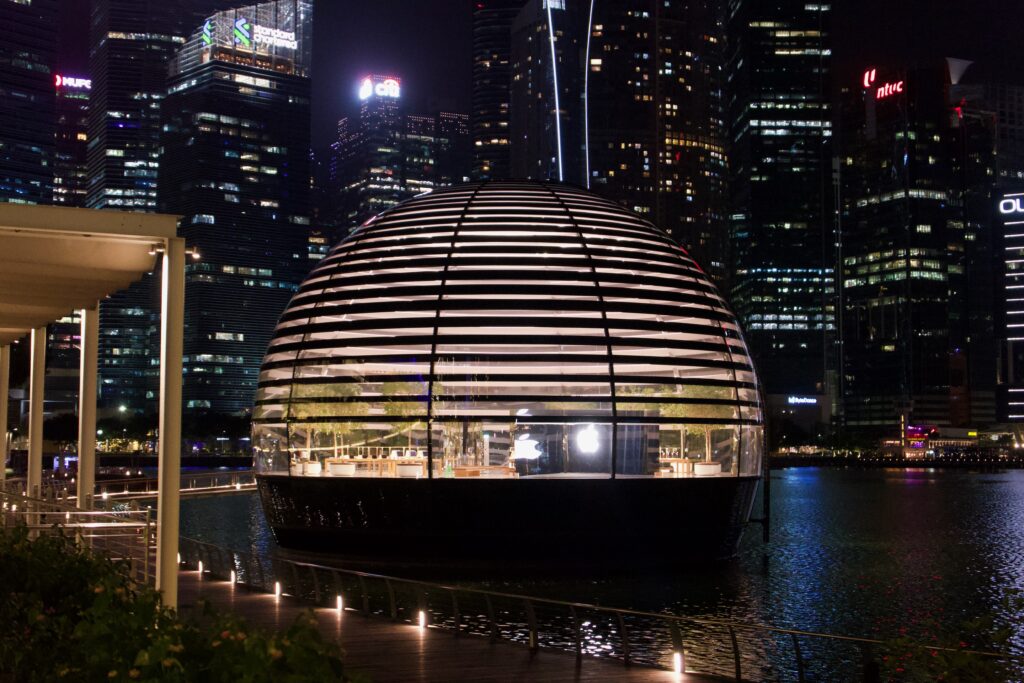
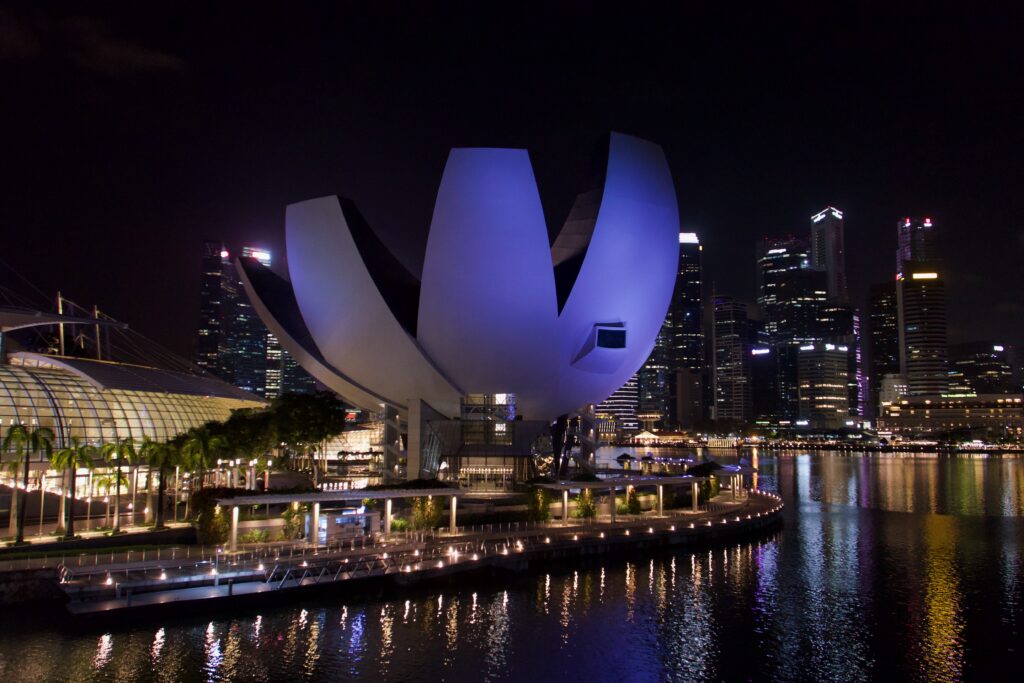
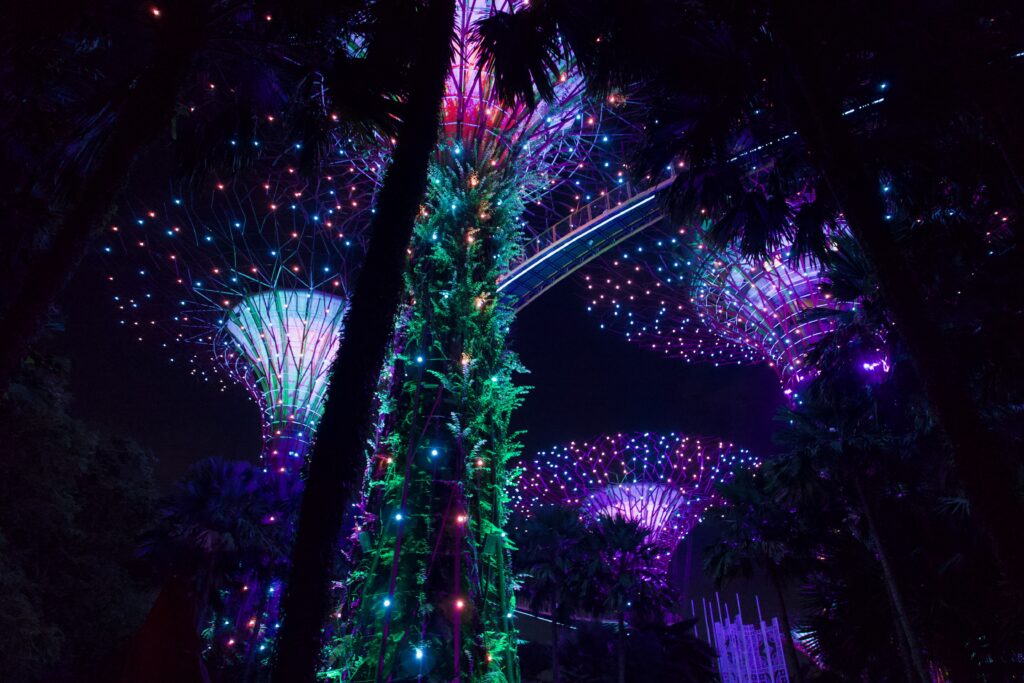
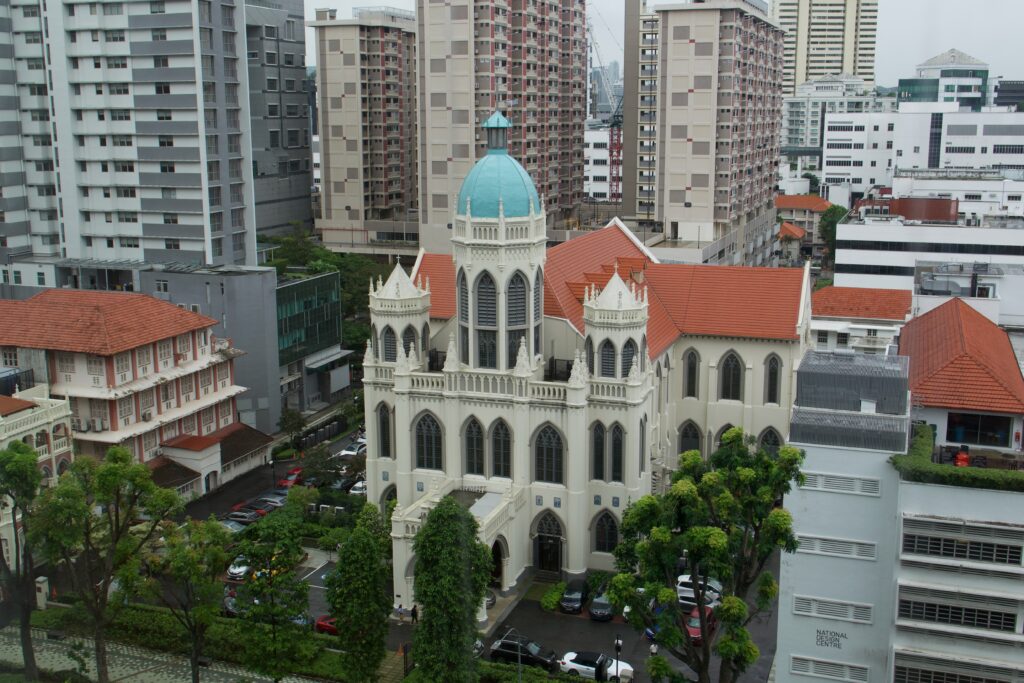
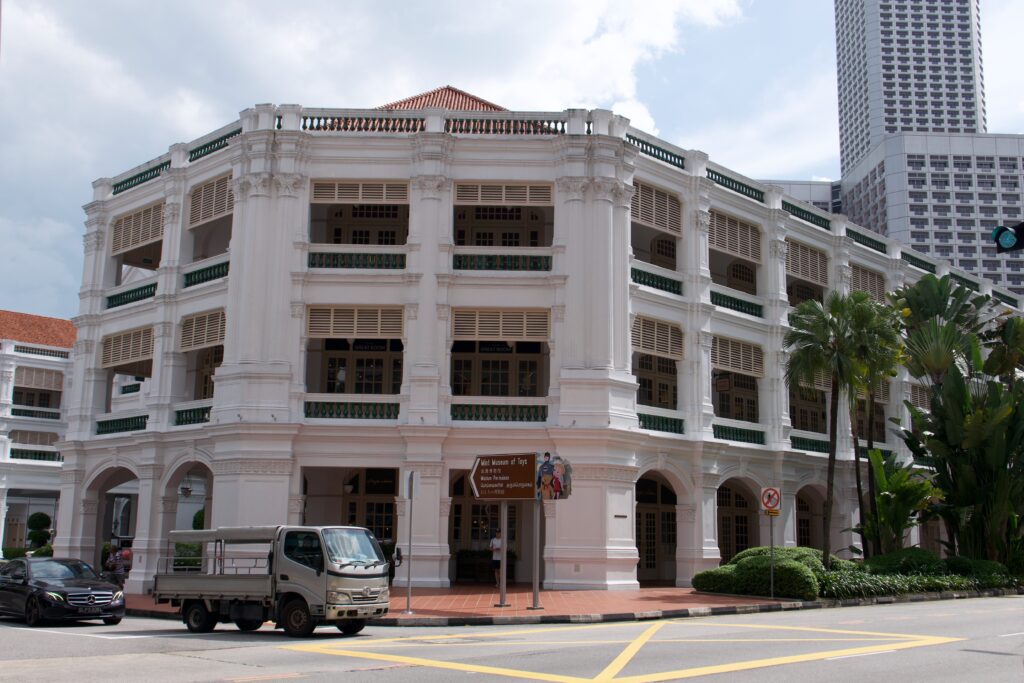
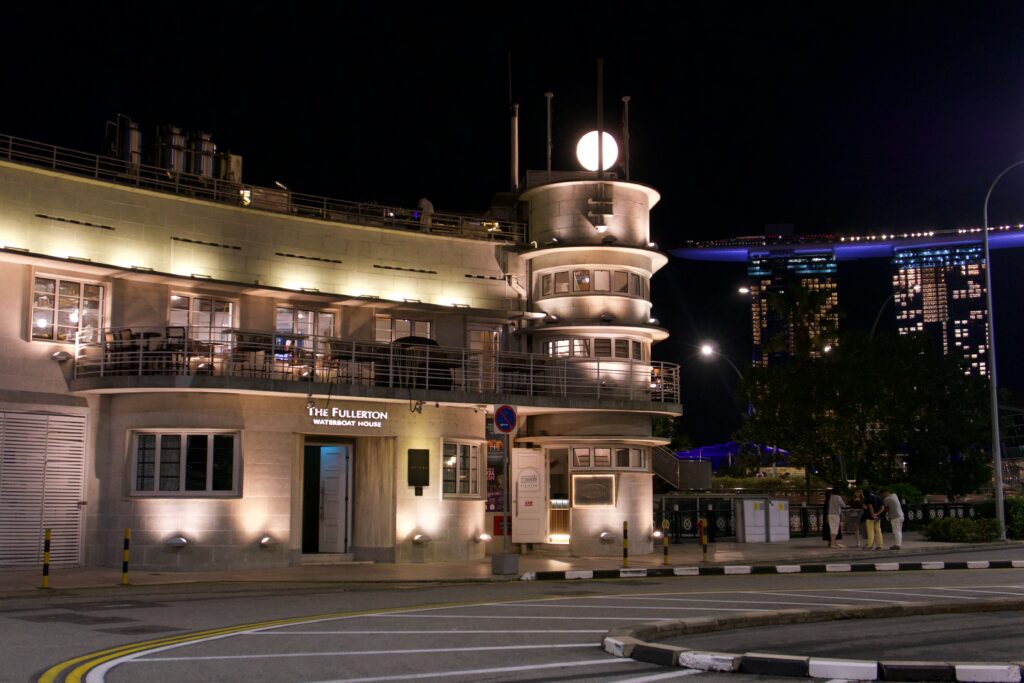
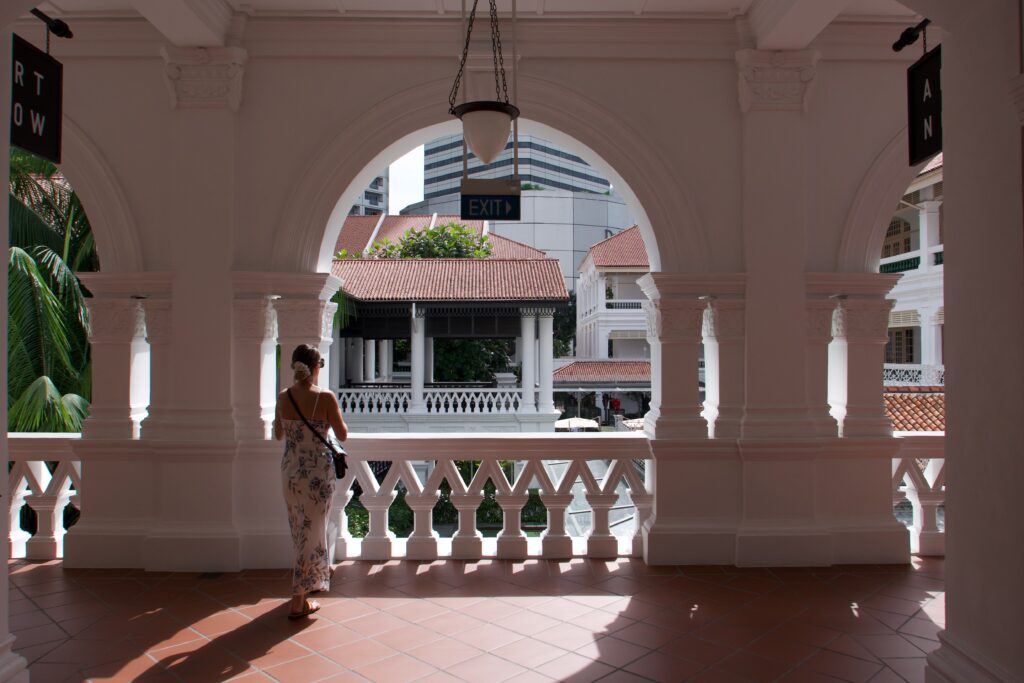
Singapore felt like the interior of an elaborately designed, massive spaceship. The spaces and architecture had a strong artificial feel. Even the plants felt like elements precisely placed in their proper locations, rather than as natural growth.

The Merlion, Singapore's iconic symbol. The white buildings, greenery interspersed with glass facades, and recurring curved lines showcase the city's emphasis on a unified aesthetic and discipline.

Personally, I prefer a variety of textures and imperfections, so this city wasn't exactly my cup of tea. Nevertheless, Singapore's architecture felt like a masterpiece of high-end glasswork, pushed to the limit by a single aesthetic standard. However, the slightly dated design and the vibrant, colorful LED lighting left me feeling a bit disappointed.

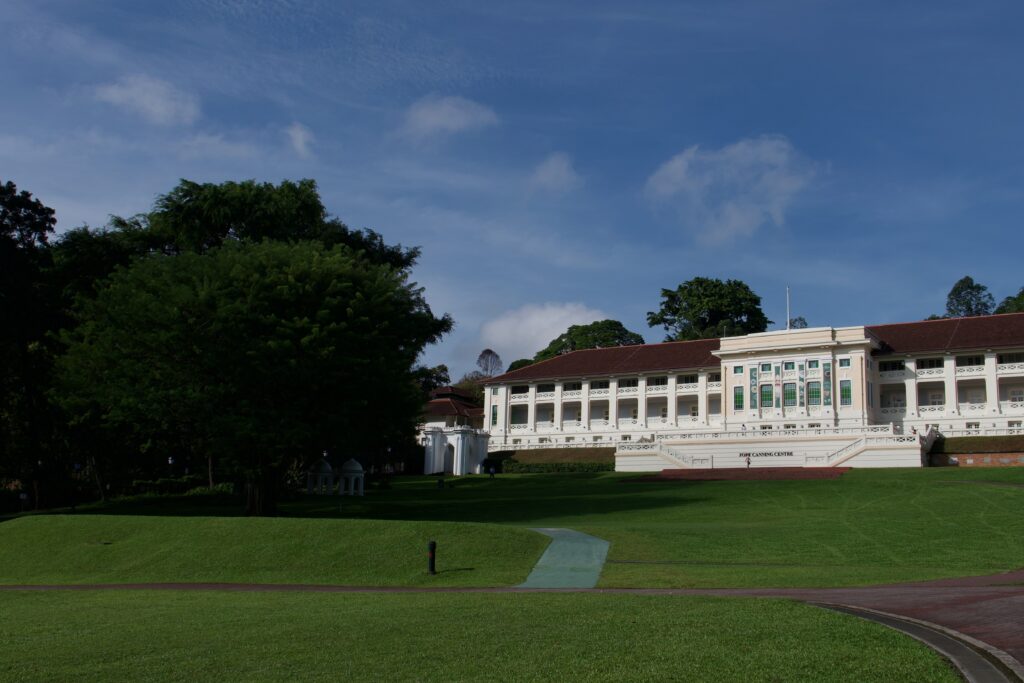
The most impressive space in this artificial city was, surprisingly, Fort Canning Park. Nestled in the heart of the city, this park impresses with its expansive views and meticulously designed pathways. It was the perfect environment for running, and the slightly moist air, meticulously maintained lawns, and colorful, lush trees gently neutralized the artificial feel of the city.

Peranakan pastel

Walking around Singapore, there's a particular sight that particularly catches the eye: the pale mint, apricot, lilac, and baby blue buildings lining the Katong and Joo Chiat districts. These pastel-hued showhouses aren't just "pretty streets," but feel like a visual legacy left to the city by the mixed culture of the Peranakans.

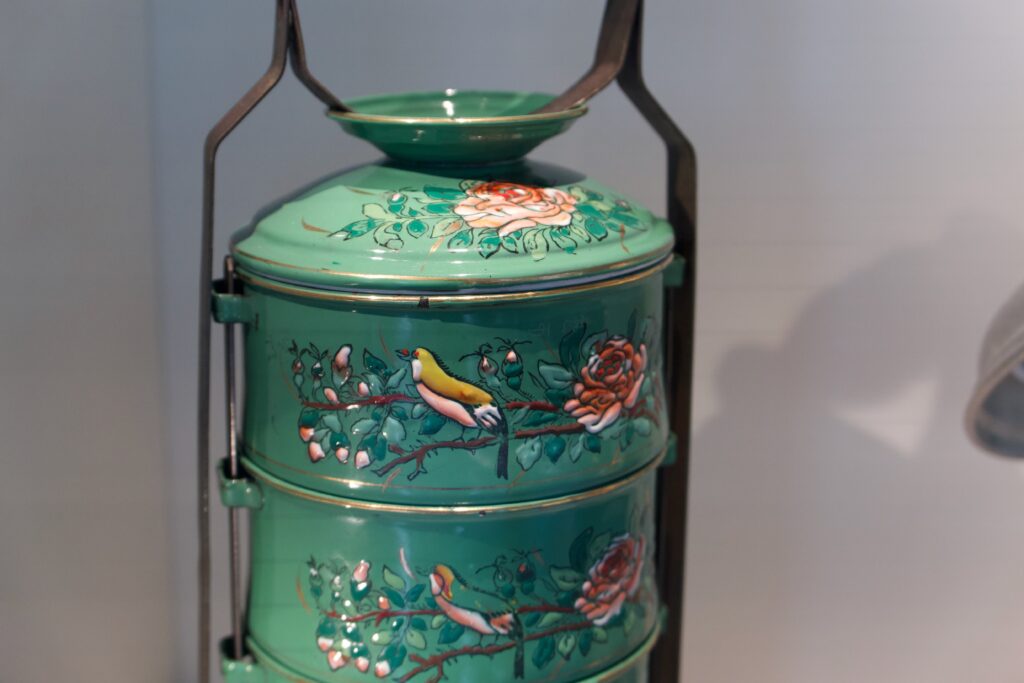
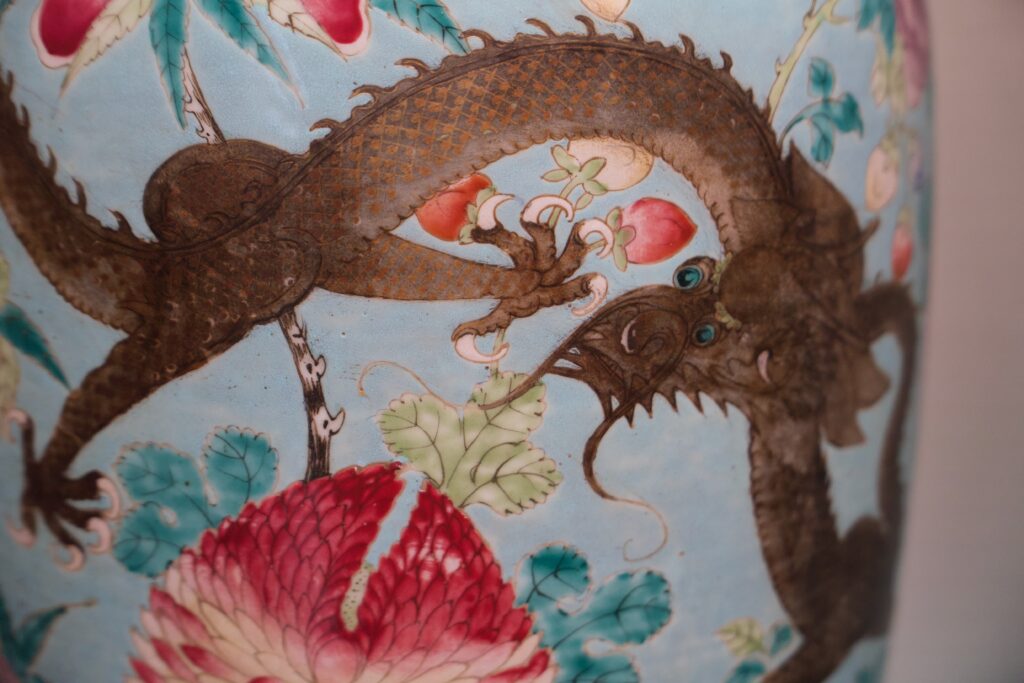
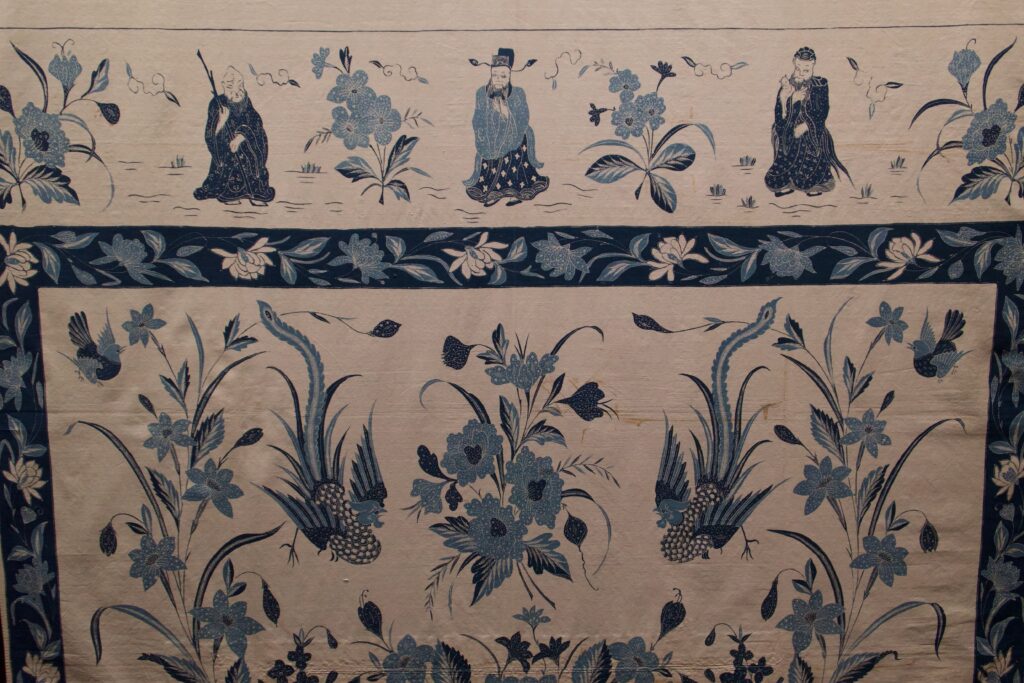
The Peranakan are a community formed by Chinese immigrants who settled in the Malay region in Southeast Asia between the 15th and 19th centuries. They seamlessly blended Chinese family-centered culture, Malay lifestyle, and the decorative aesthetic of the European colonial era to create a unique aesthetic. The result was bright, soft colors, delicate patterns, and a decorative aesthetic closely tied to everyday life.

These pastel tones weren't meant to flaunt wealth. They were a living language, softening the harsh tropical sunlight, softening the street atmosphere, and extending the hospitality and comfort of home to the outdoors. The fact that this design was intended for living, not for show, further deepened the impression this street had.

The Peranakan Showhouse combines ground-floor retail with upper-level residential units, with a long five-foot walkway extending across the front. The façade features layers of Peranakan tiles in pastel colors, floral and geometric patterns, Chinese motifs, and European moldings. The way these different cultural elements blend together without clashing embodies the community's identity.

A luxury city with its own unique charm

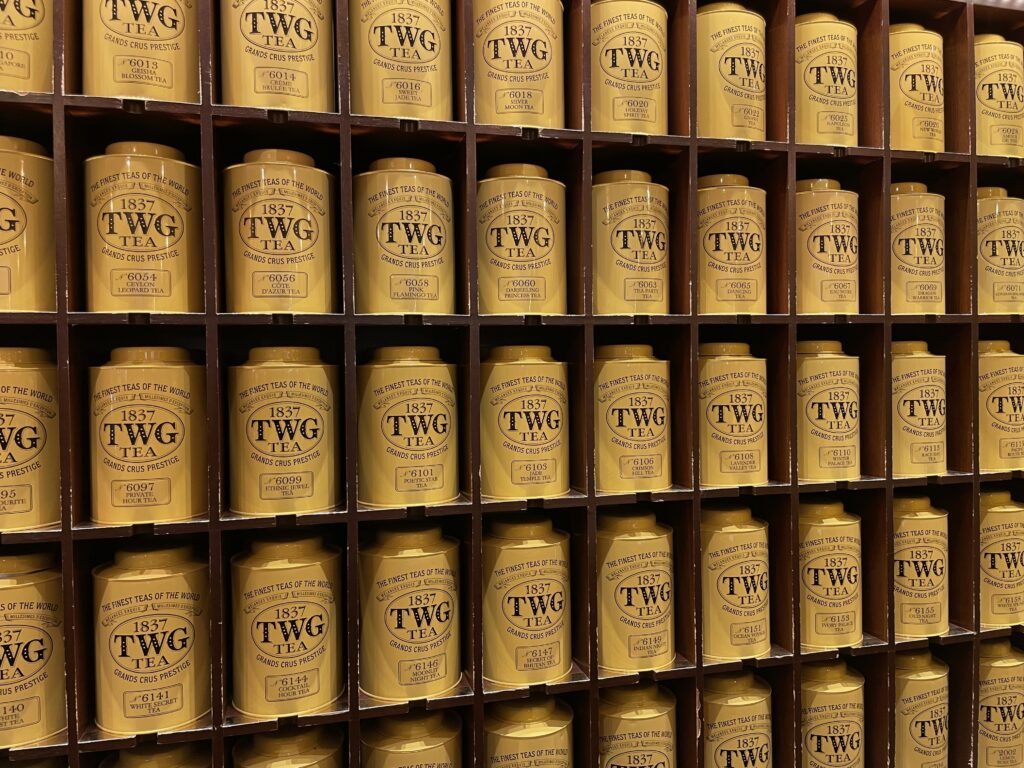
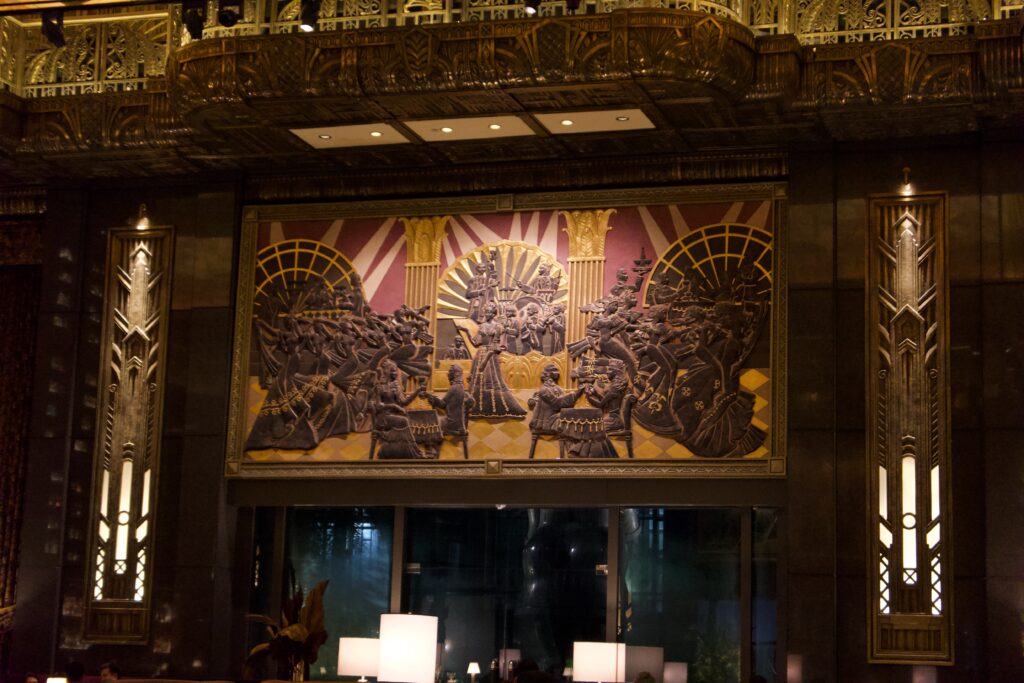
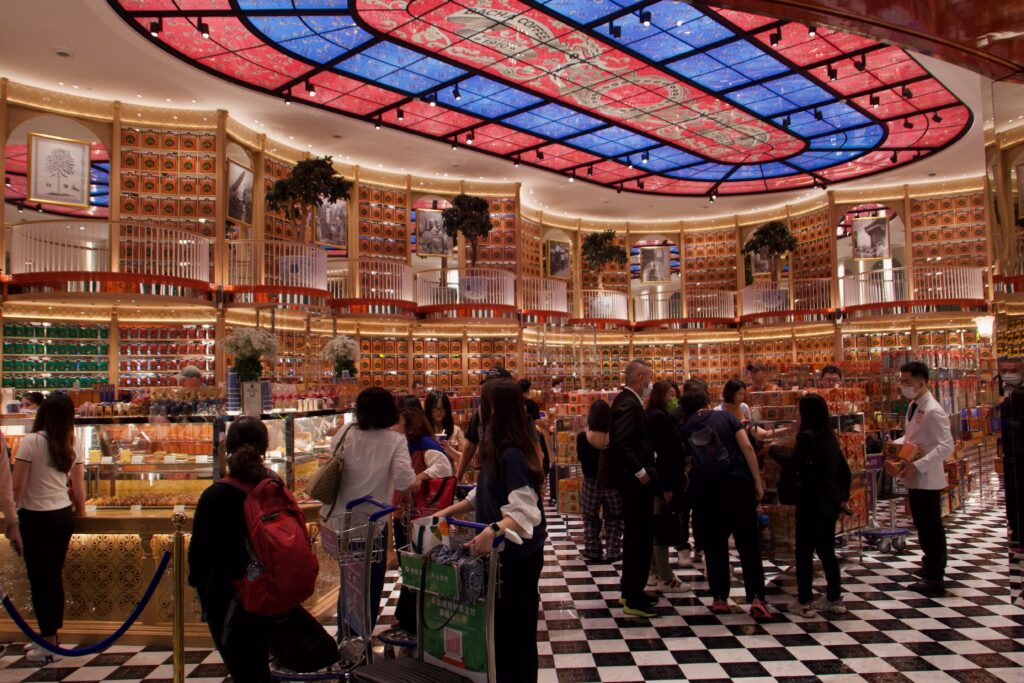
Singapore instantly overturns the perception of a city with a short history. The city's luxury lies in its deliberate design of a Singaporean identity and the pride it fosters. The unabashed taste for glamour and the bold aesthetics reminiscent of the Middle East, like those of TWG and Basha Coffee, are striking. The ability to sometimes portray something without a history as a time-honored tradition also feels like a uniquely Singaporean charm.

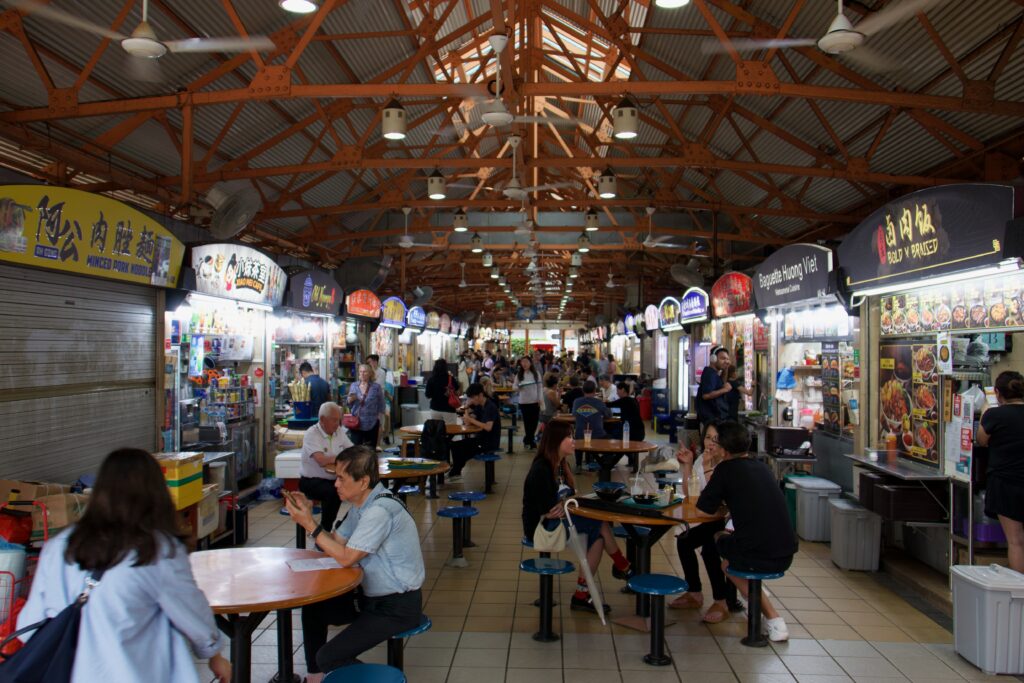
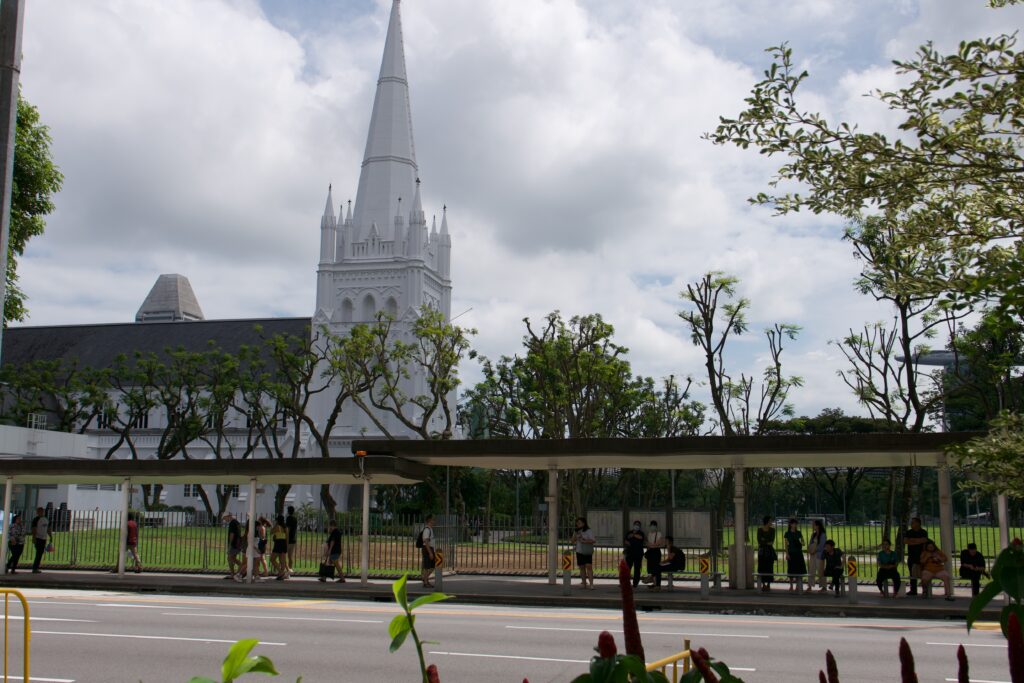
The city's meticulously designed environment, designed to make buses accessible to wheelchair users, reflects its maturity. Contrary to the perception that prices are extremely high, prices at supermarkets and restaurants are relatively reasonable. Hawkers, a cluster of small eateries, offer a variety of dishes at affordable prices.

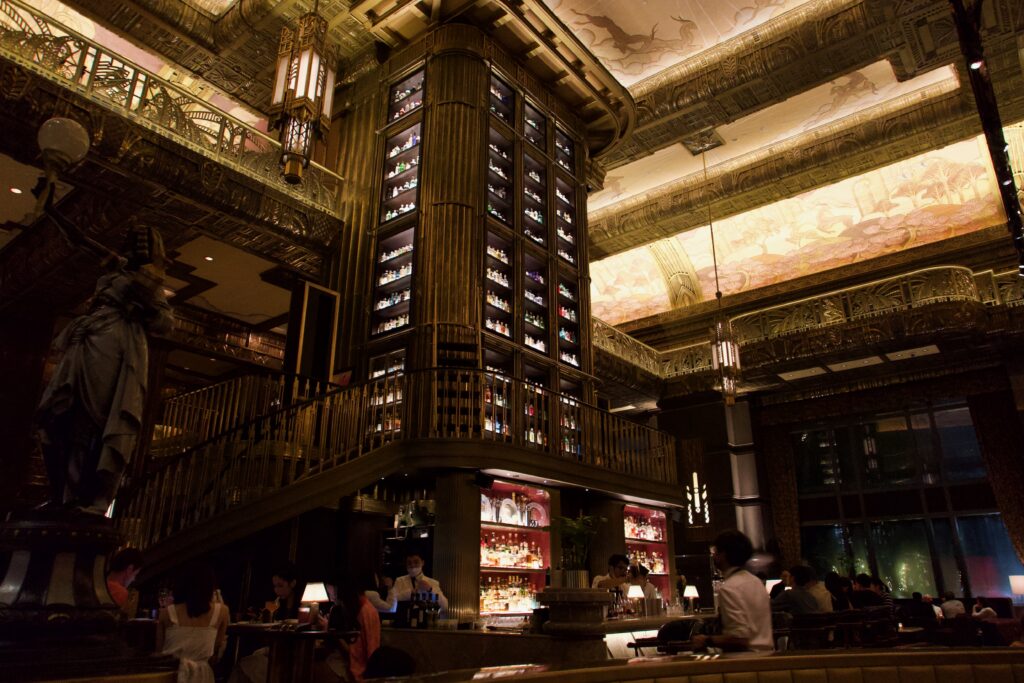
Overall, the level of service and interior design is high, and public safety and order are well maintained, making it a city where you can travel with peace of mind. Thanks to the sophisticated and clean urban atmosphere, I found it a place where I could truly enjoy exploring high-quality spaces, especially luxury hotels.

Jongmin Park
From freelancer to head of design at a unicorn startup, I've been creating impact through brand and product design for over 18 years. Currently, as CEO and editor-in-chief of Design Compass, I research design that drives business impact.

Recent Articles

Plus
25. 12. 24
Plus
25. 12. 22
Plus
25. 12. 22
Plus
25. 12. 18
25. 12. 17
Plus
25. 12. 17
Plus
25. 12. 16

DesignCompass Newsletter

Design for Business. We deliver daily news about AI, Products, Brands

By submitting your email, you are deemed to have agreed to our Terms of Use and Privacy Policy .
Design for Business