
Kuala Lumpur, a cultural puzzle for travelers

My first stop on my month-long Southeast Asian journey was Kuala Lumpur. Since my itinerary was to take in Malaysia, Singapore, and Indonesia in that order, I chose Malaysia as my first destination. To be honest, I was unfamiliar with Malaysia itself, and I knew little about Kuala Lumpur as a city. However, I had only vaguely imagined it from watching YouTube content like "value-for-money travel destinations," "enjoying budget-friendly staycations," and "swimming at half-price hotels.".

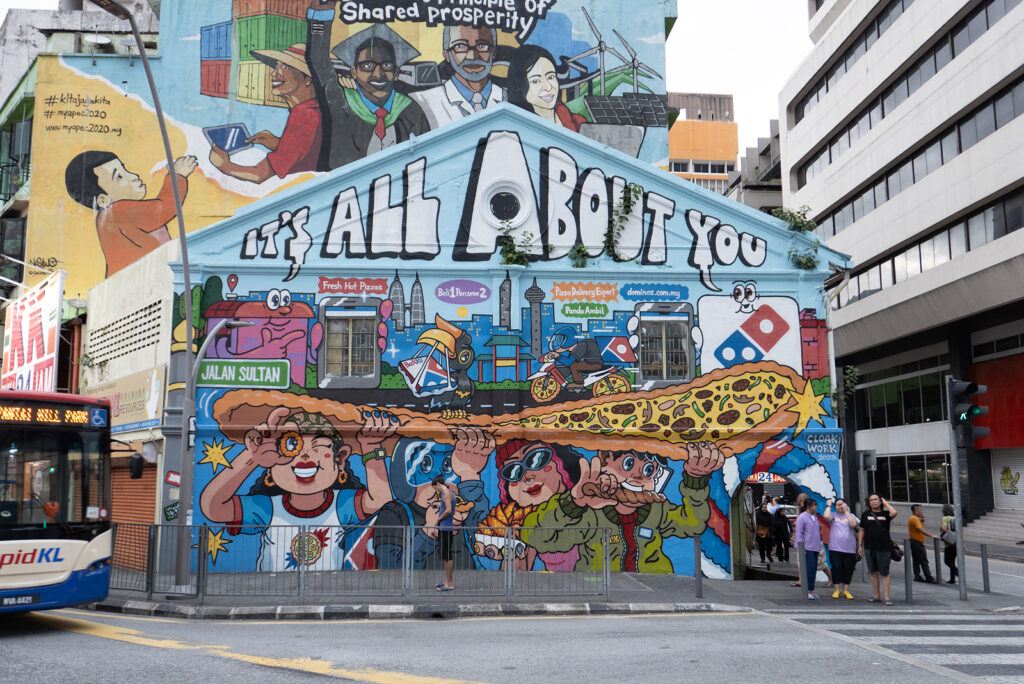
However, upon arriving, I was a bit disappointed to find that the cost of living wasn't as low as I'd hoped. Nevertheless, amidst the dazzling buildings of this metropolis, the sight of different ethnicities, religions, and languages naturally intermingling in everyday life was fascinating and impressive. It was a place where I could feel the special energy of multi-layered cultures coexisting amidst the glamour of the metropolis.

A place where muddy water collects

Kuala Lumpur, as its name suggests, means "where muddy waters meet." Like two rivers blending together, the city's history has been shaped by layers of immigrants from southern China, low-wage Indian laborers (coolies) introduced during the British colonial era, and the indigenous Malay population.

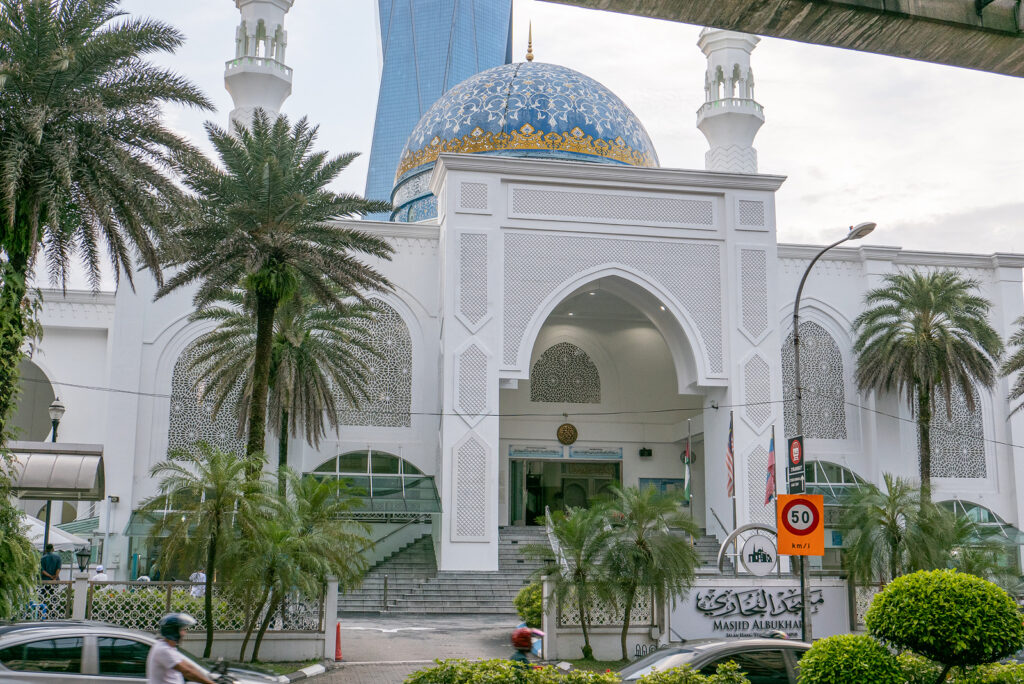
This city, which began as a tin mine, has developed into a vast, multi-racial, multi-cultural, and multi-religious melting pot, built on a social structure where Chinese people centered their trade and industry, Malays held the lower echelons of the administration, police, and military, and Indians occupied the transportation and taxi industries. The city's central focus, Malay Islam, is particularly striking.

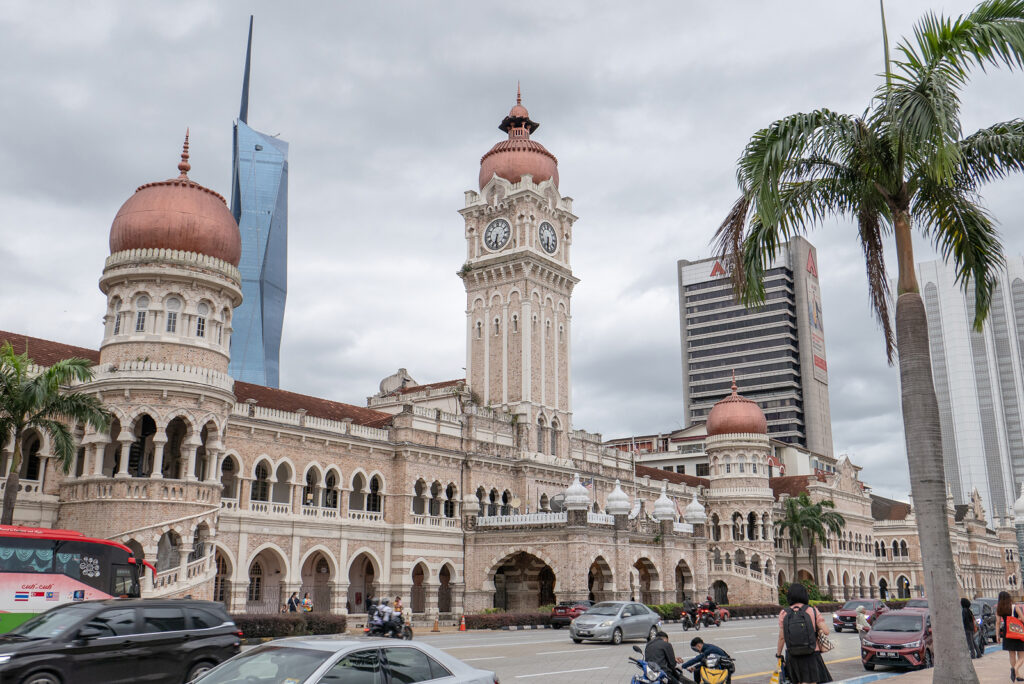
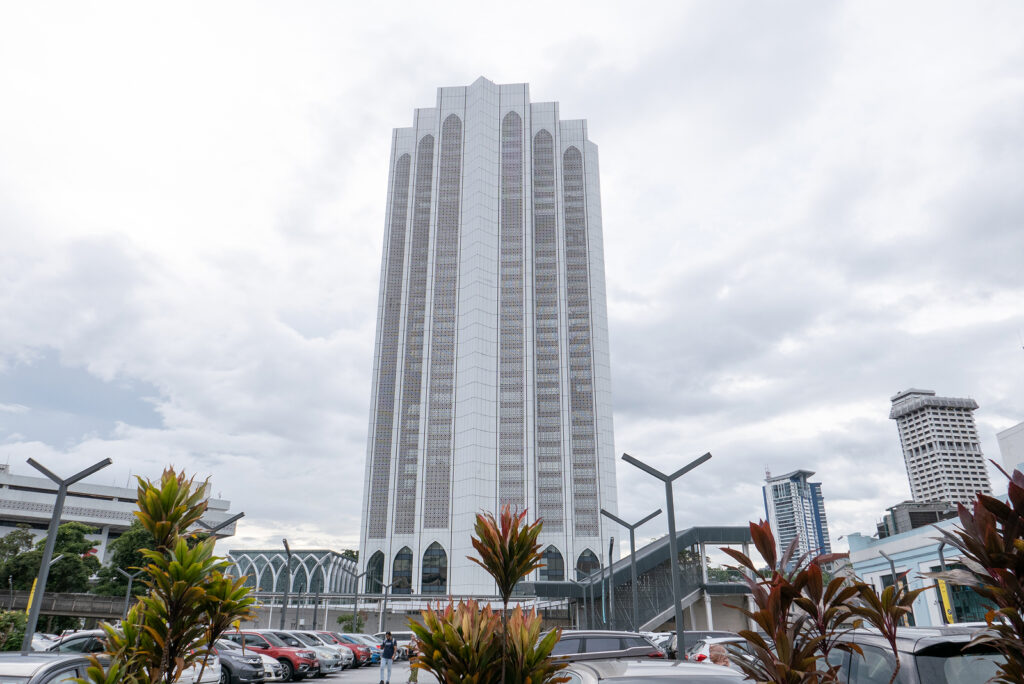
The city's wide avenues and green spaces, reminiscent of an American-style planned city, and the fact that it had built the world's tallest building seemed to symbolize its confidence and ambition.

Accustomed to a single-ethnic nation like Korea, I initially thought Malaysia was a country of only Malays, but in reality, KL was a huge testing ground where different cultures, beliefs, and languages collided and blended to form a new “Malaysian” identity.

Islam in Southeast Asia

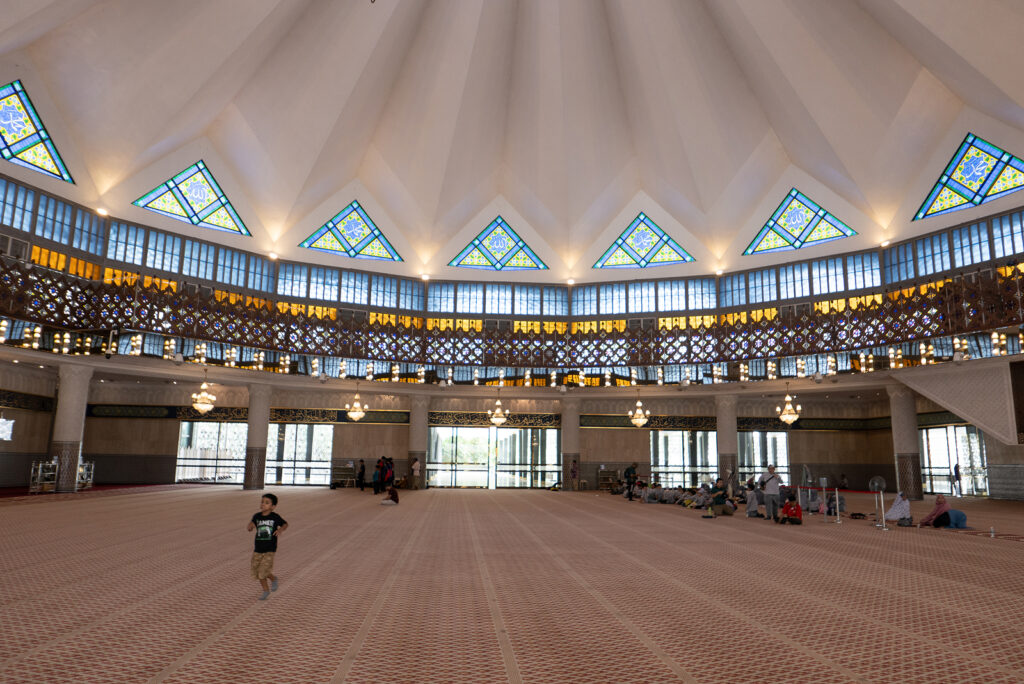
When we think of Islam, images of the desert and the Middle East often come to mind. However, Kuala Lumpur presents a completely different side of Islam. Encountered in the humid tropical air, Islam feels refined rather than harsh, and it permeates naturally, like the rhythm of a city rather than a religion. The process by which Islam became mainstream in Malaysia stemmed not from conquest, but from trade and political choices. Muslim merchants settled on the Malay Peninsula, a hub of the Maritime Silk Road, and their faith spread peacefully. In the 15th century, the Sultanate of Malacca adopted it as the state religion, becoming a core element of national governance and identity. Unlike Thailand and Vietnam, which already had dominant religious systems, Malacca's choice was a decisive moment in defining Malaysia as an Islamic nation.

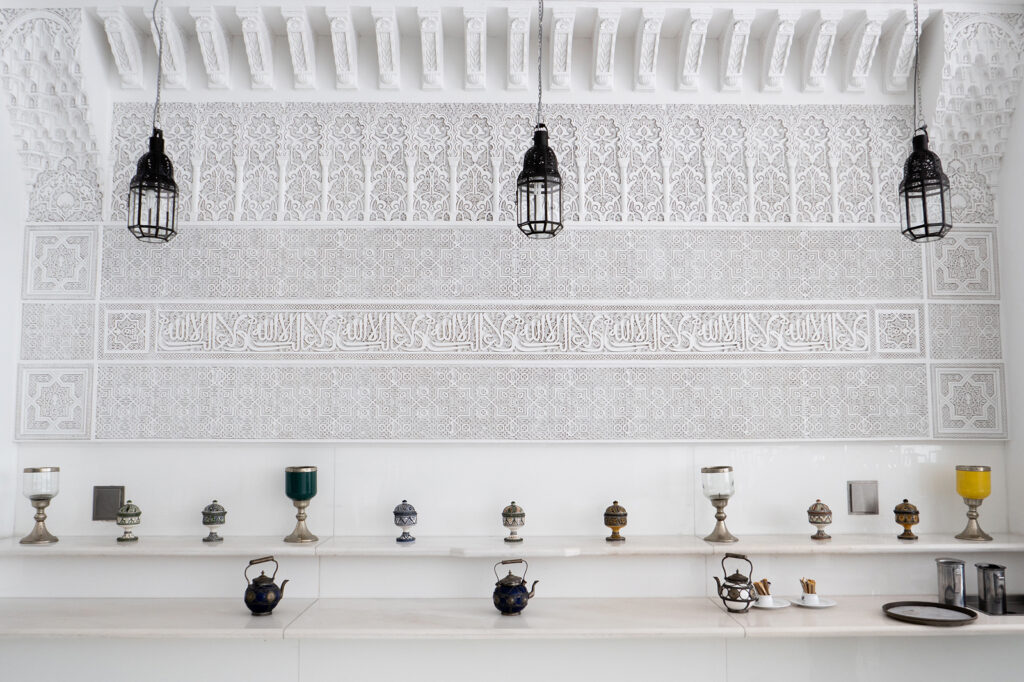
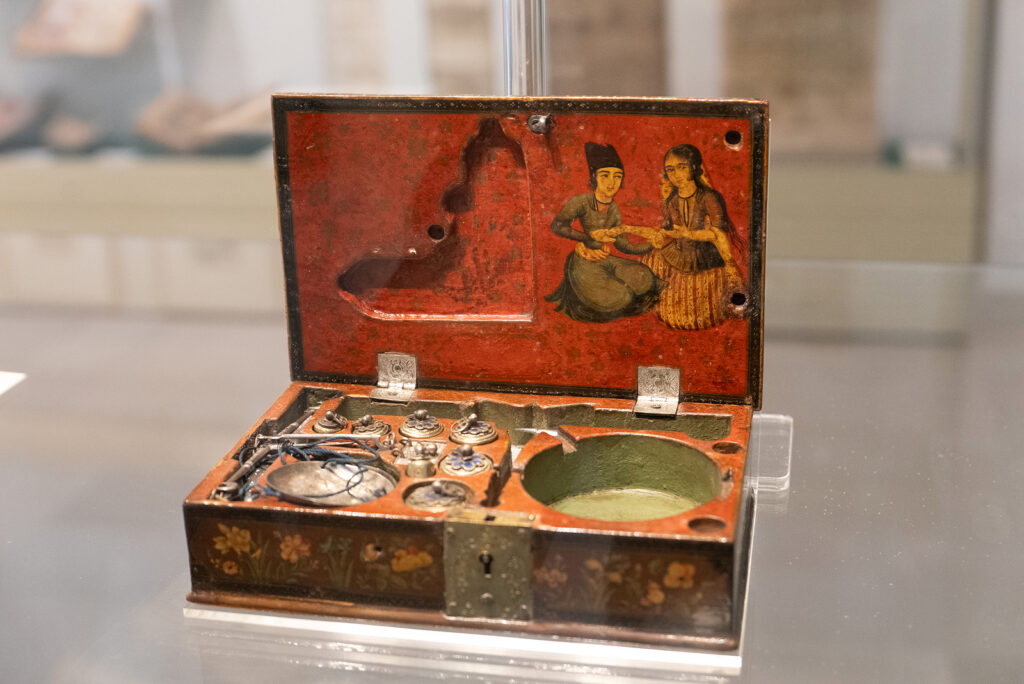
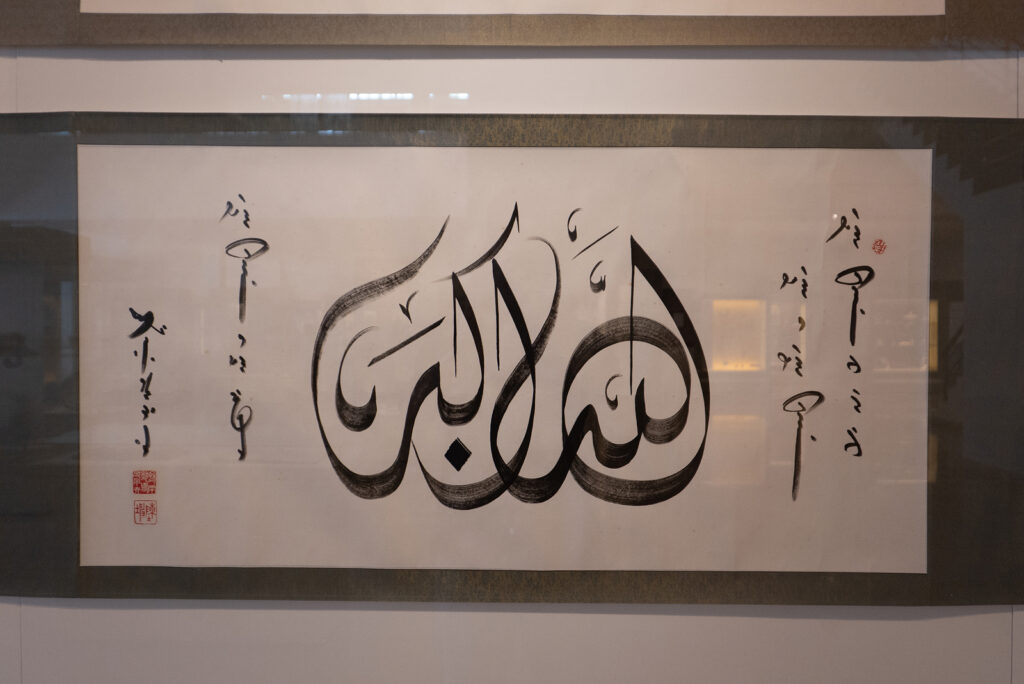
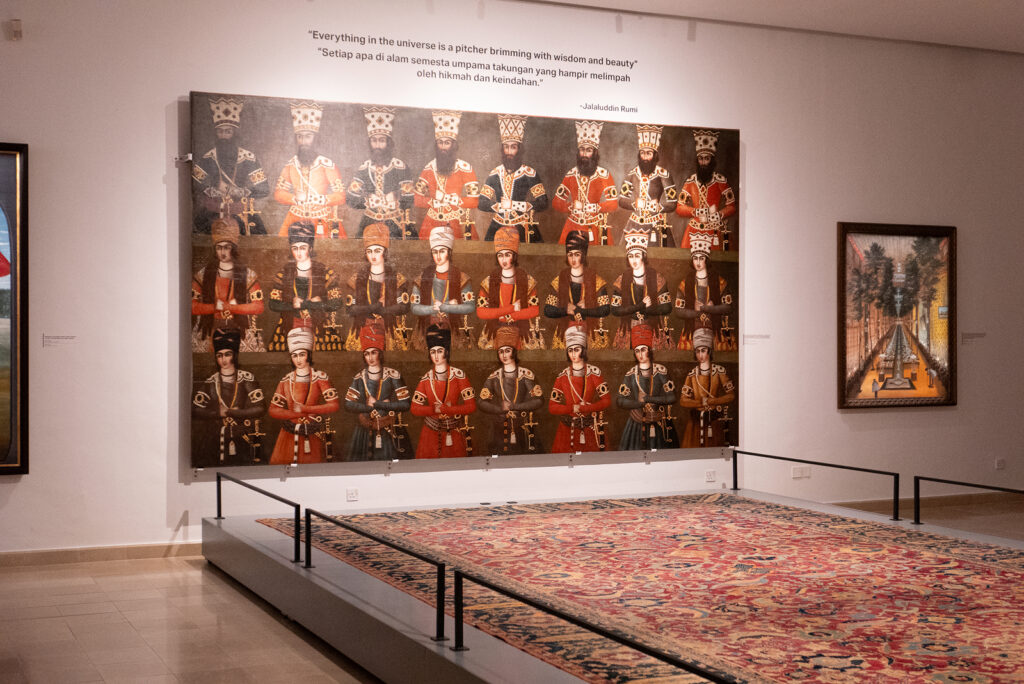
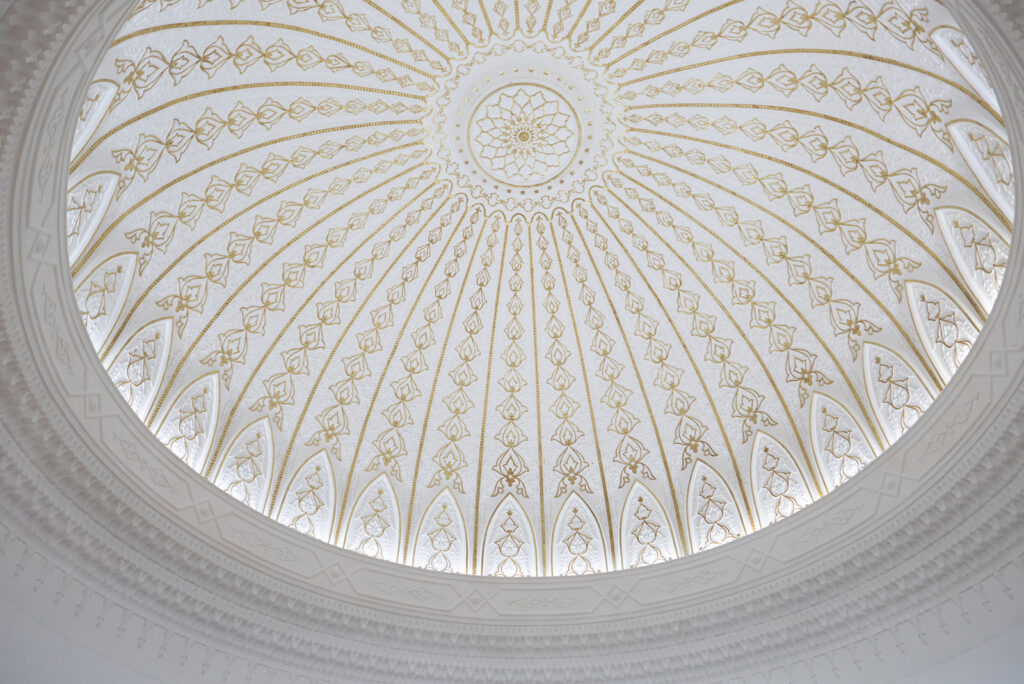
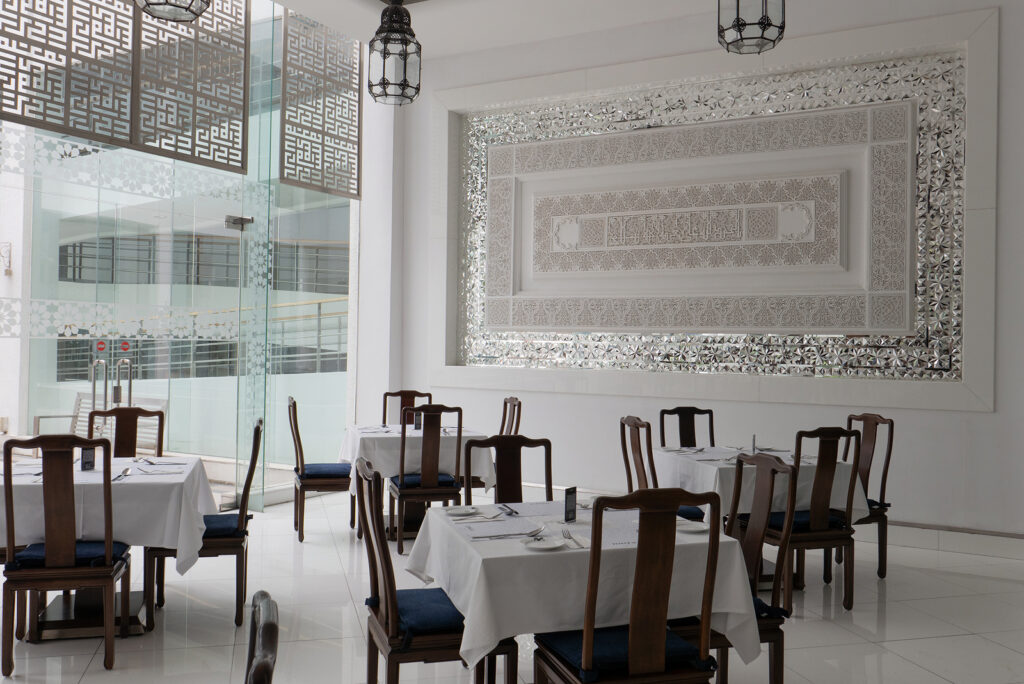
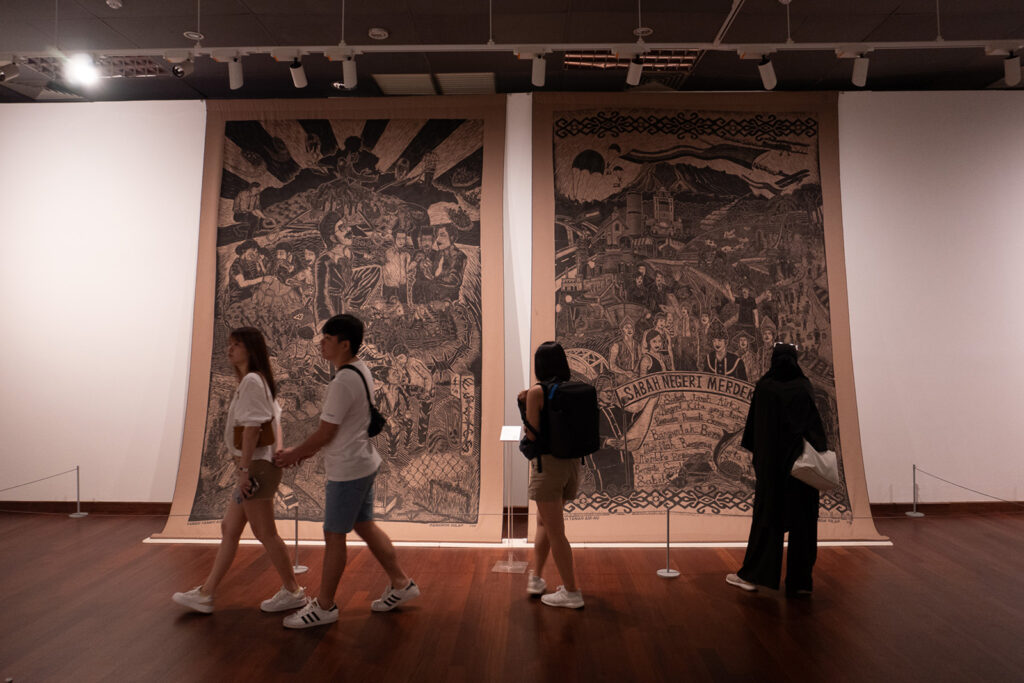
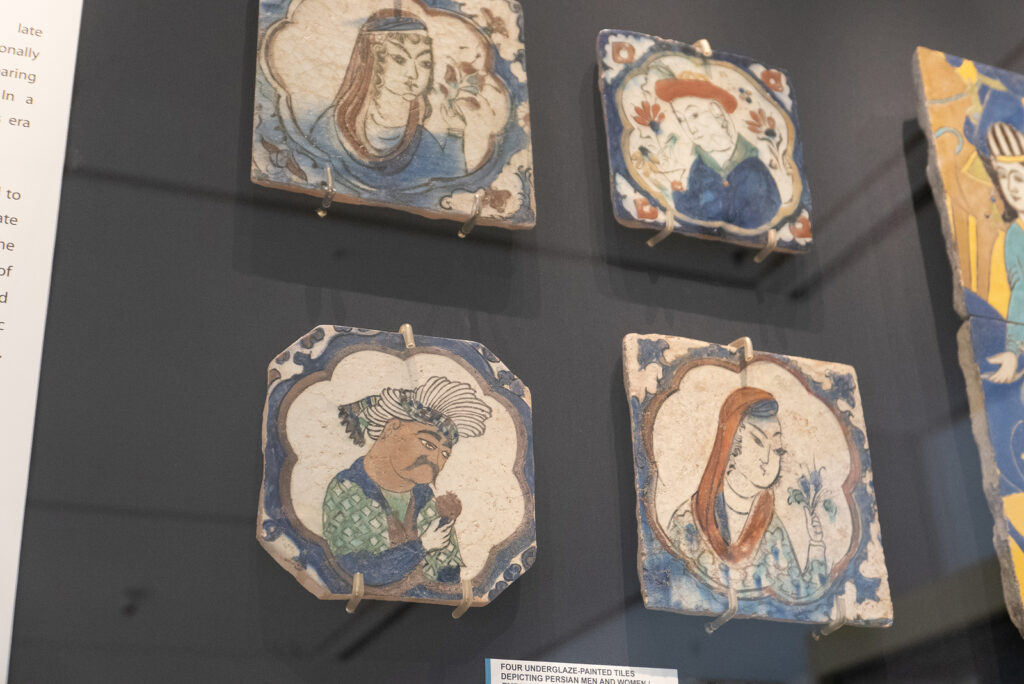
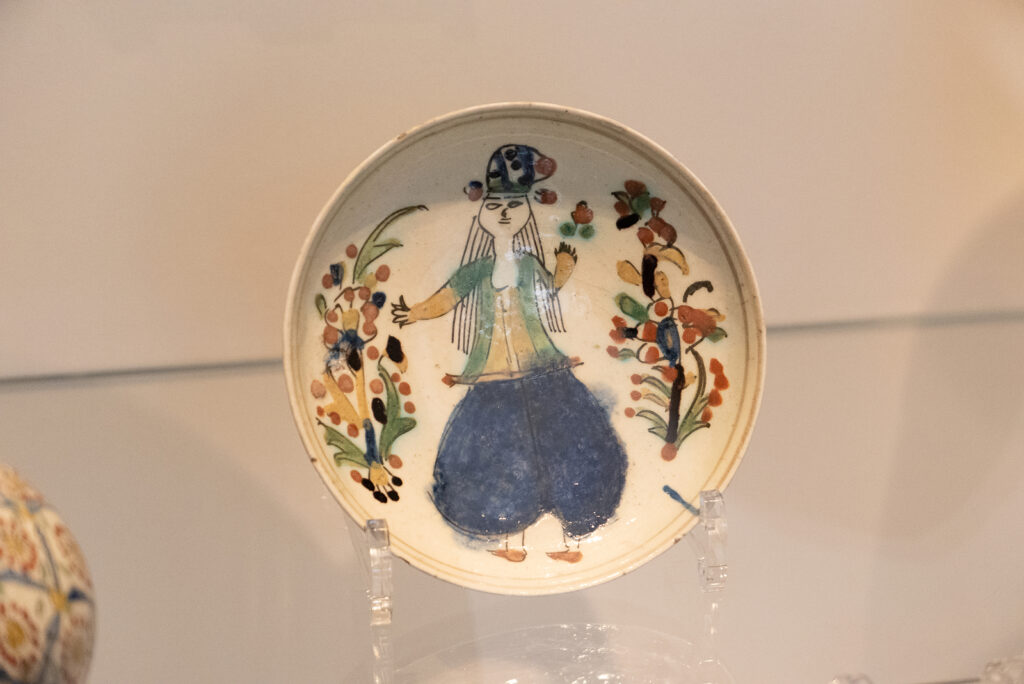
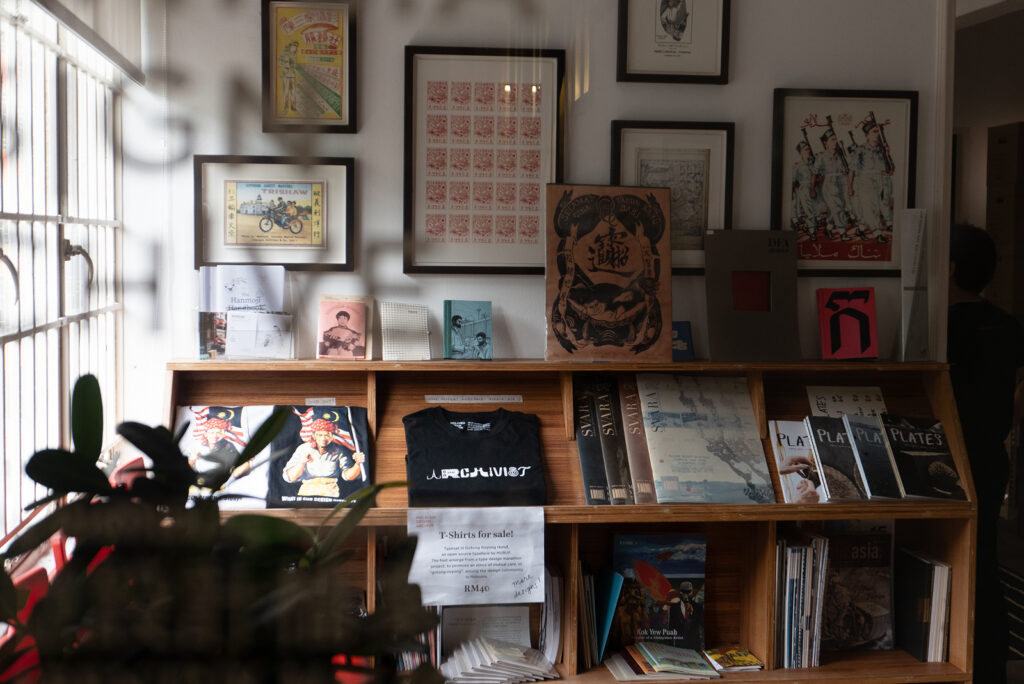
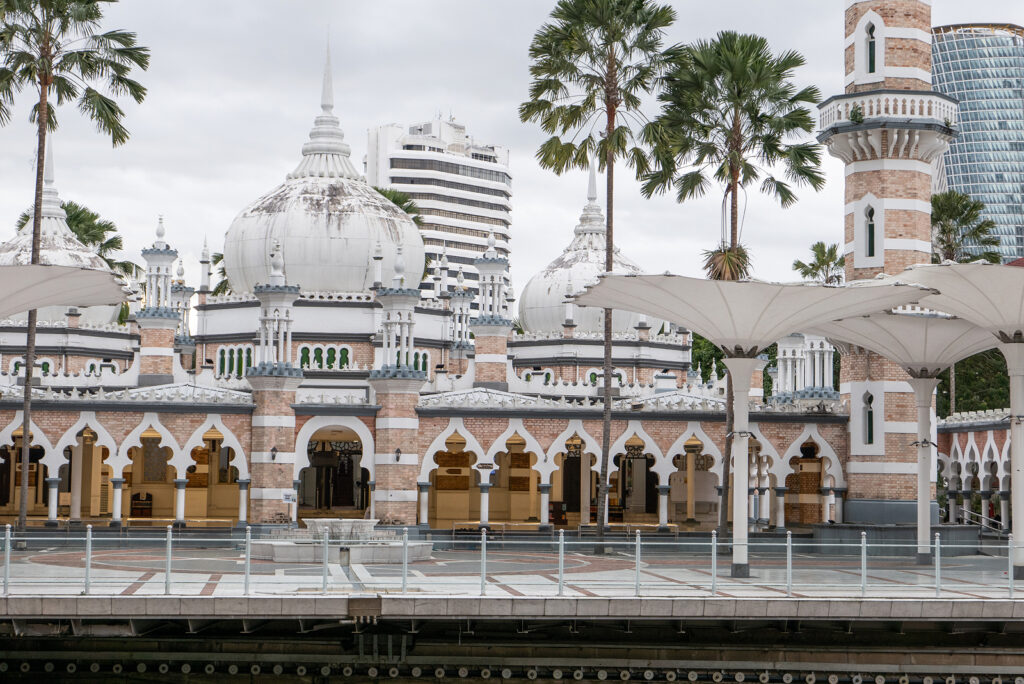
The visuals encountered throughout the city are also impressive. Artworks created by the intersection of Chinese and Islamic cultures are both unfamiliar and harmonious, and their aesthetic emphasizes form and structure rather than jewel-like decoration. A restaurant on the first floor of a museum, in particular, is a beautiful space in itself, like an exhibition, and remains a memorable scene that most strikingly showcases the Islamic heritage of Kuala Lumpur.

Cultures that are combined like a puzzle

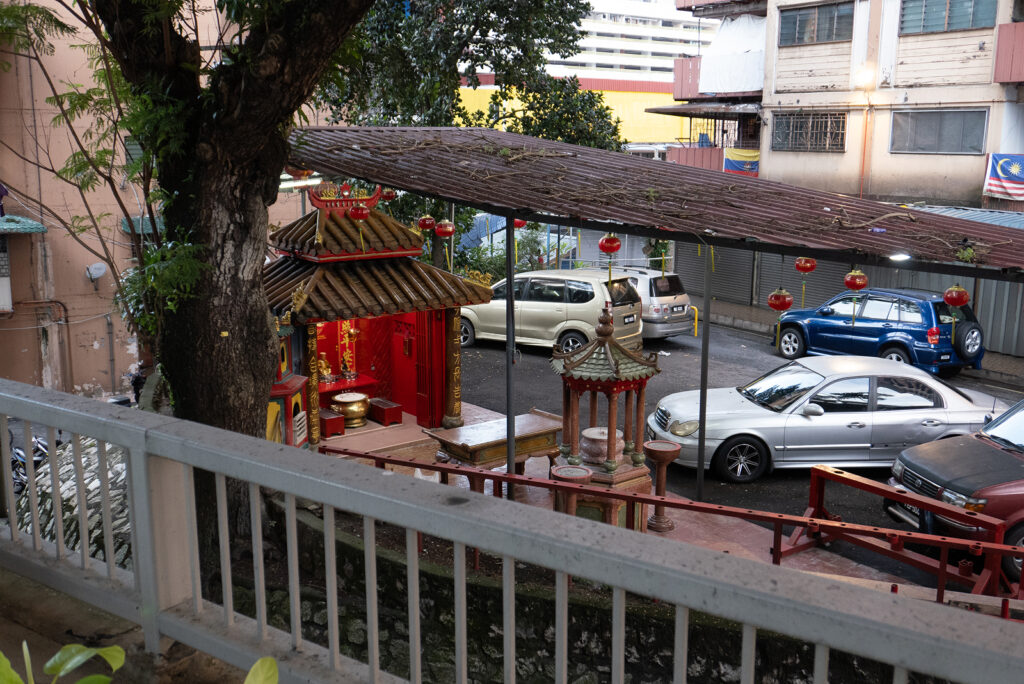
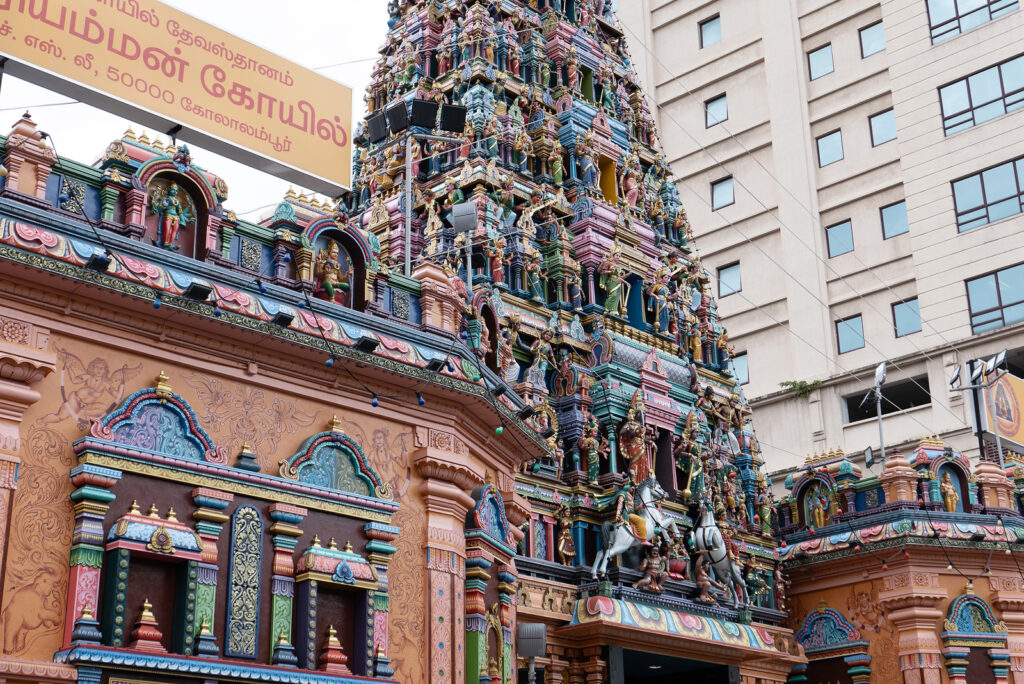
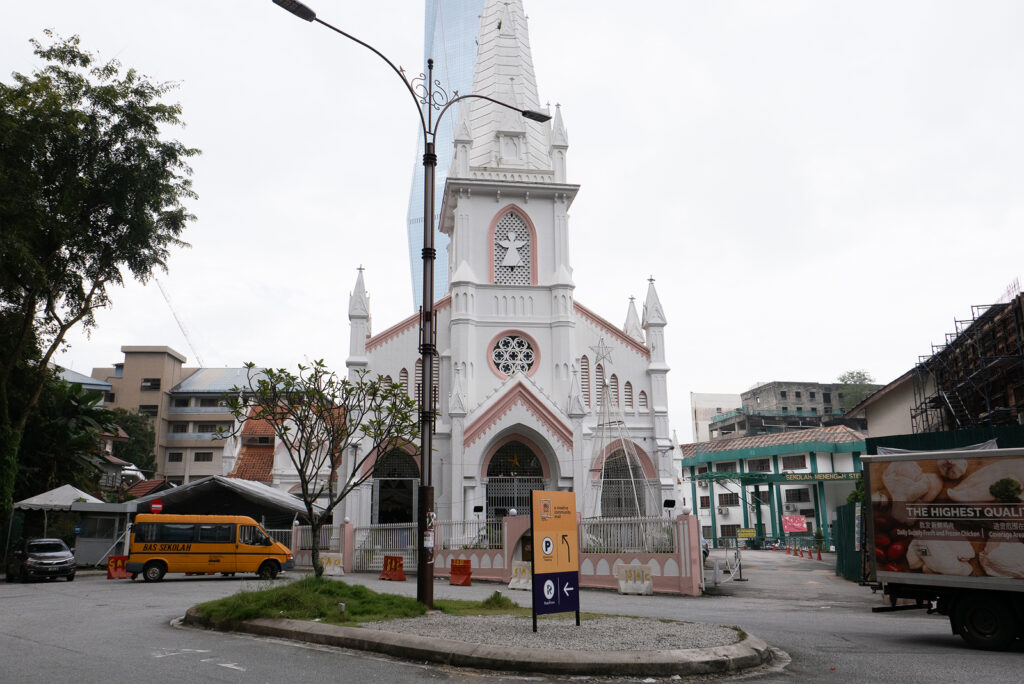
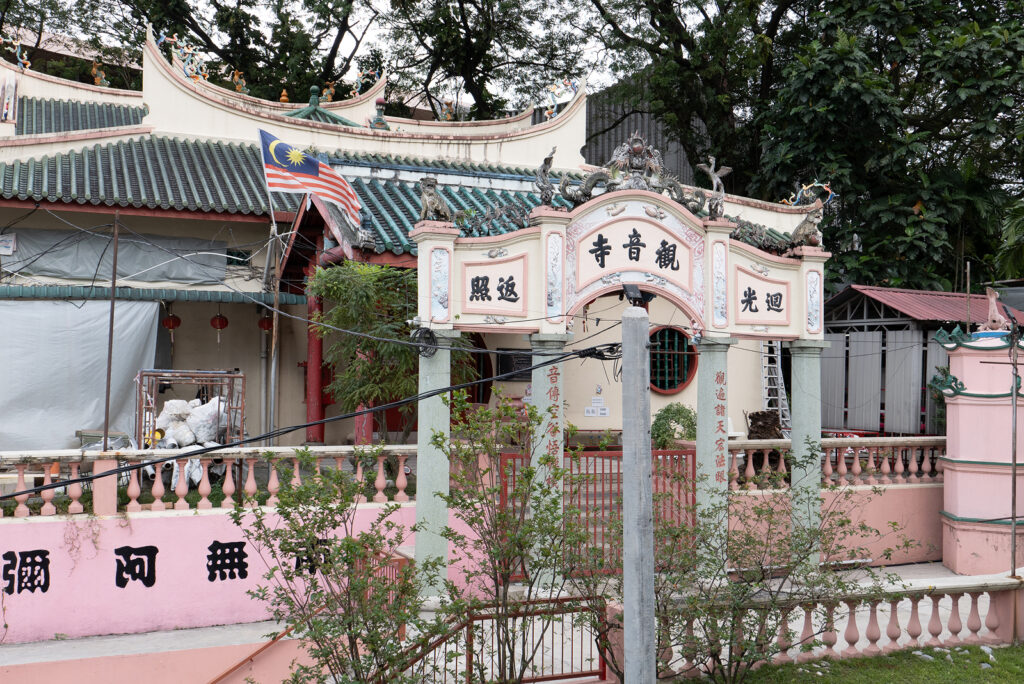
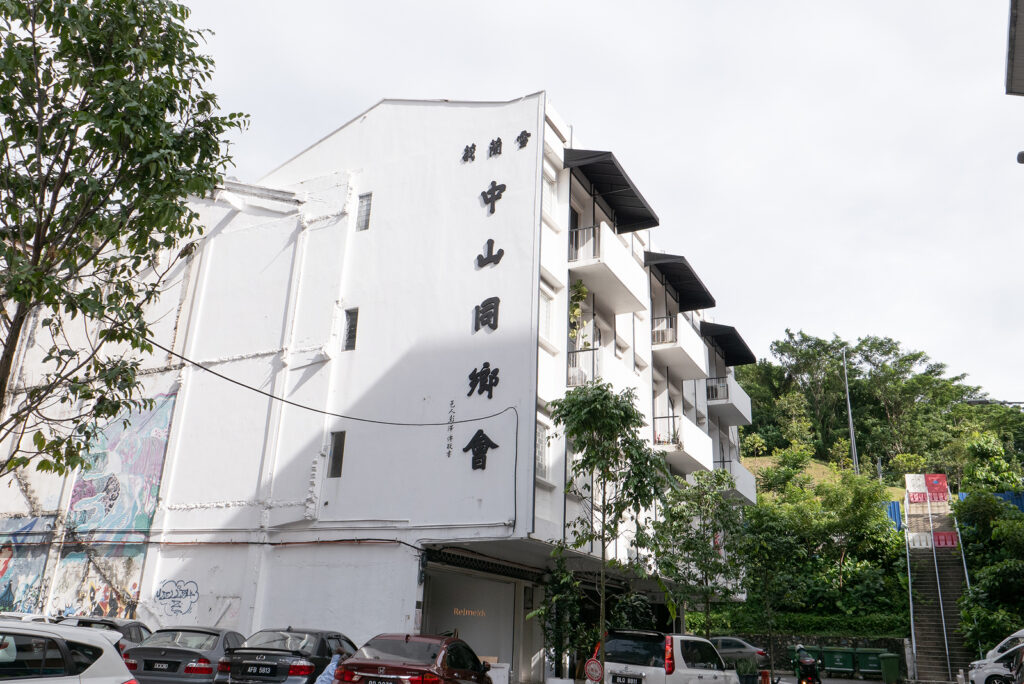
Kuala Lumpur is a city uniquely divided by ethnicity. The predominantly Malay, Chinese, and Indian neighborhoods feel completely different, from the architectural styles of the buildings to the atmosphere of the people, to the language of the shops and signs. This makes walking through the same city feel like traveling through multiple countries in a row. Religious practices also vary across the region, so you'll naturally encounter distinctive religious structures like cathedrals, Buddhist temples, and Hindu temples. The resonating sounds of prayer from mosques, the vibrant colors of Chinatown temples, and the vibrant colors of Hindu temples all feel like worlds apart.

Behind this structure lies the unique identity established by the Malaysian Constitution. Article 160 of the Constitution defines Malays as an indigenous people who practice Islam and speak the Malay language, and their identity as Malays and Islam are strongly linked legally. Politics, the Constitution, and culture are structured around Malay and Islam, while Chinese influence is significant in the economy and commerce, and Chinese and Indian influences are prominent in academics and professional fields. To minimize conflict amidst this delicate balance, the government maintains a policy of multi-ethnic coexistence, known as 1Malaysia. As a result, Kuala Lumpur has emerged as a city with a multi-layered culture, like a puzzle piece.

Cultural Packages for Travelers

Kuala Lumpur is a city that offers all the essentials for travelers without being overly ambitious. Resorts with pools are commonplace, with well-maintained infrastructure, and overall prices are affordable, making it a great place to stay. Transportation is convenient and payment systems are familiar, making your trip stress-free.

What's most impressive is that cultures from around the world are gathered independently, each retaining its own distinct form, rather than being mixed together in one place. Within a short distance, you can experience the diverse architecture and lifestyles of Islamic, Chinese, and Indian cultures, creating a sense of immersion, as if you were traveling through multiple cultures at once. Therefore, Kuala Lumpur is a rich city without having to delve too deeply into its richness.

If this trip was a chance to explore the city and its culture, I'd love to slow down and enjoy the city with my family next time. Kuala Lumpur is a great place to visit alone, but I think it's a place where you can capture even more moments with a group.

Jongmin Park
From freelancer to head of design at a unicorn startup, I've been creating impact through brand and product design for over 18 years. Currently, as CEO and editor-in-chief of Design Compass, I research design that drives business impact.

Recent Articles

25. 12. 25
Plus
25. 12. 24
Plus
25. 12. 22
Plus
25. 12. 22
Plus
25. 12. 18
Plus
25. 12. 17
Plus
25. 12. 16

DesignCompass Newsletter

Design for Business. We deliver daily news about AI, Products, Brands

By submitting your email, you are deemed to have agreed to our Terms of Use and Privacy Policy .
Design for Business