Shanghai, China Modern Luxury

I visited Shanghai, which opened up visa-free entry. Before planning my trip, I didn't know much about Shanghai. I only imagined it as a city like the one featured in the classic film Lust, Caution.

I wasn't very interested in China, and the information I could gather online was limited, so I just thought of it as a place with flashing, colorful LEDs that I often saw in the media.

Arriving after a short flight, Shanghai was a world away from my expectations. I encountered uniquely Chinese brands rarely seen in other major cities, and it was a sophisticated city where cultural depth prevailed, rather than the vain display of wealth.

Smart City

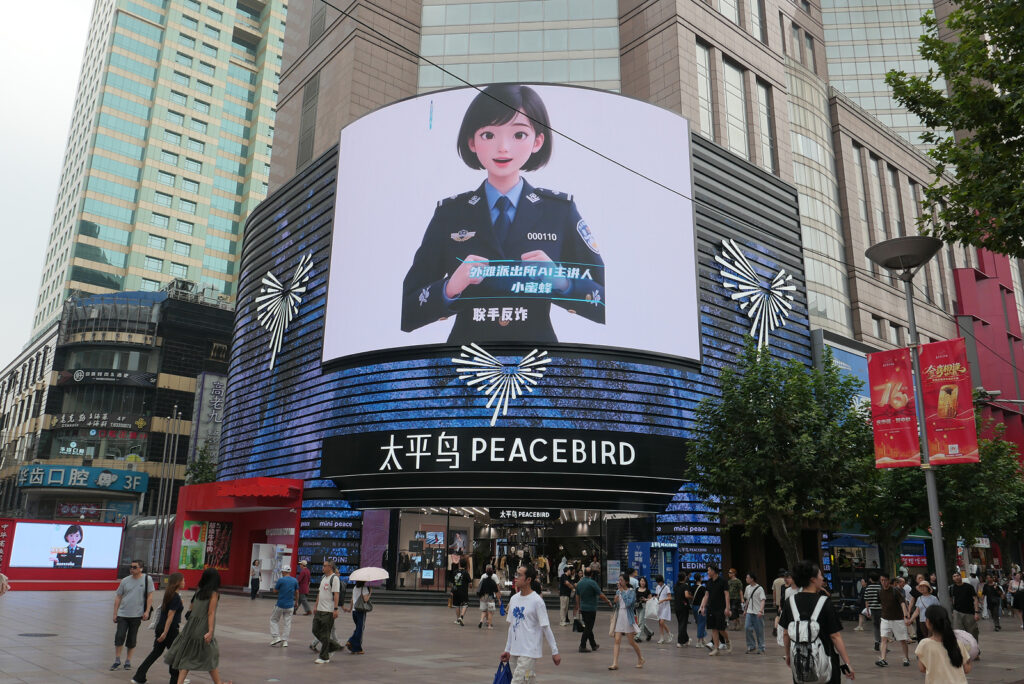
It was a city where anything was possible with Alipay and WeChat. I'd heard stories about it, but experiencing it in person was much more convenient. I was worried about my smartphone battery, but as expected, demand creates supply, and every store offered a battery charging service. It was impressive that it wasn't just a temporary charging service offered at the store, but a platform-based service.

I knew that China's internet was protected by a firewall known as the Great Firewall. I was perplexed when my website connected fine on my hotel's WiFi but not at a local cafe. Most SIM cards sold in Korea seem to have VPNs.

I was worried that pre-activating Chinese apps in Korea would be difficult, and that my phone might not work there. Setting up eSIM was a bit of a hassle, but I was able to connect both Alipay and WeChat and use them without any issues.

It was also interesting to note the subtle differences in strategy between the two apps. While they offer the same variety of features, befitting a super app, Alipay prioritizes content with a Pinterest-like layout, while WeChat prioritizes chat lists, similar to KakaoTalk. Alipay excels at discovering unexpected information, while WeChat facilitates direct communication with businesses. Both apps offer translation features, unrelated to other apps, and a unified menu layout, making for a positive experience for tourists.

In Korea, it's understandable that payment and reservation systems could be unified into a few services, but the current competition between countless companies is a stark contrast. It feels like the Galapagos Islands, where competing with touchscreen-based table kiosks instead of smartphone-based QR codes is a real challenge. From a user perspective, a unified system seems more convenient.

Tall, big, wide

Shanghai, once a small port, grew into an international city as Western powers entered China. During this period, these Western powers established concessions, areas established to gain economic and political advantage without direct control of the Chinese government. Within these concessions, foreign laws and administrative systems were applied, and Chinese residents lived and worked with limited rights. Western-style security systems were adopted, establishing their own police force and administrative structure.

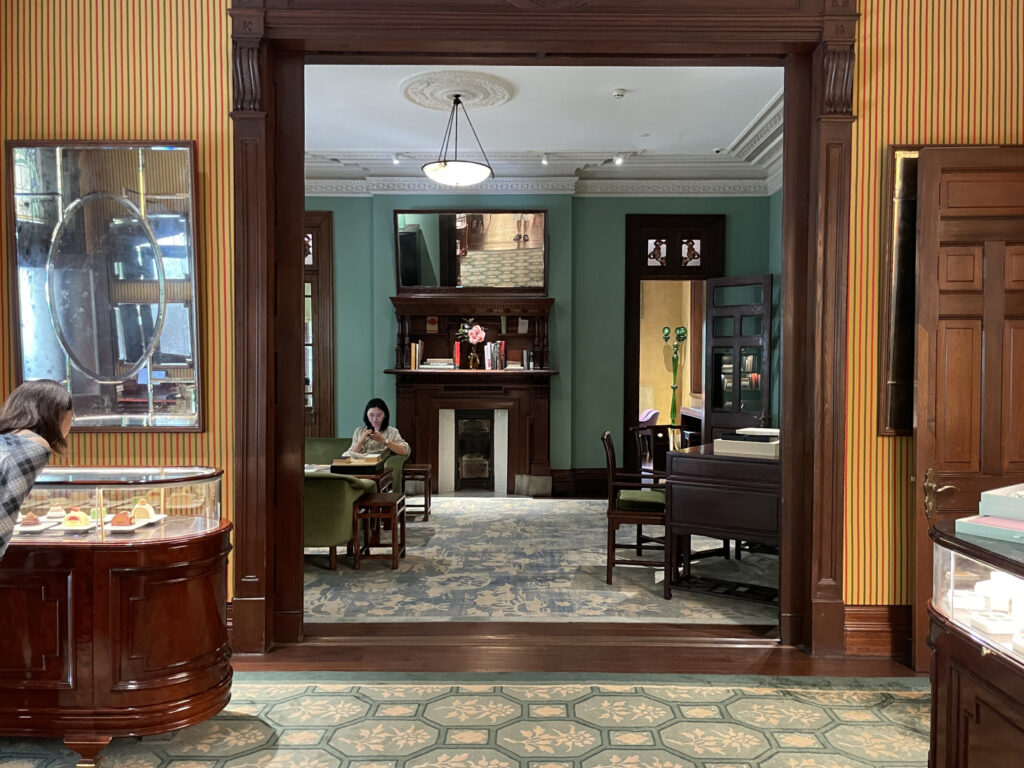
Western-style architecture and infrastructure were built, and banks, trading companies, hospitals, and schools were established, making Shanghai a financial and economic hub in East Asia. The British-American Joint Concession flourished as a hub for international trade and finance, while the French Concession became a center of culture and the arts. With the outbreak of the Pacific War in 1941, Japanese forces took complete control of the concession, ending Western rule. After World War II, the Western powers returned the concession to China.

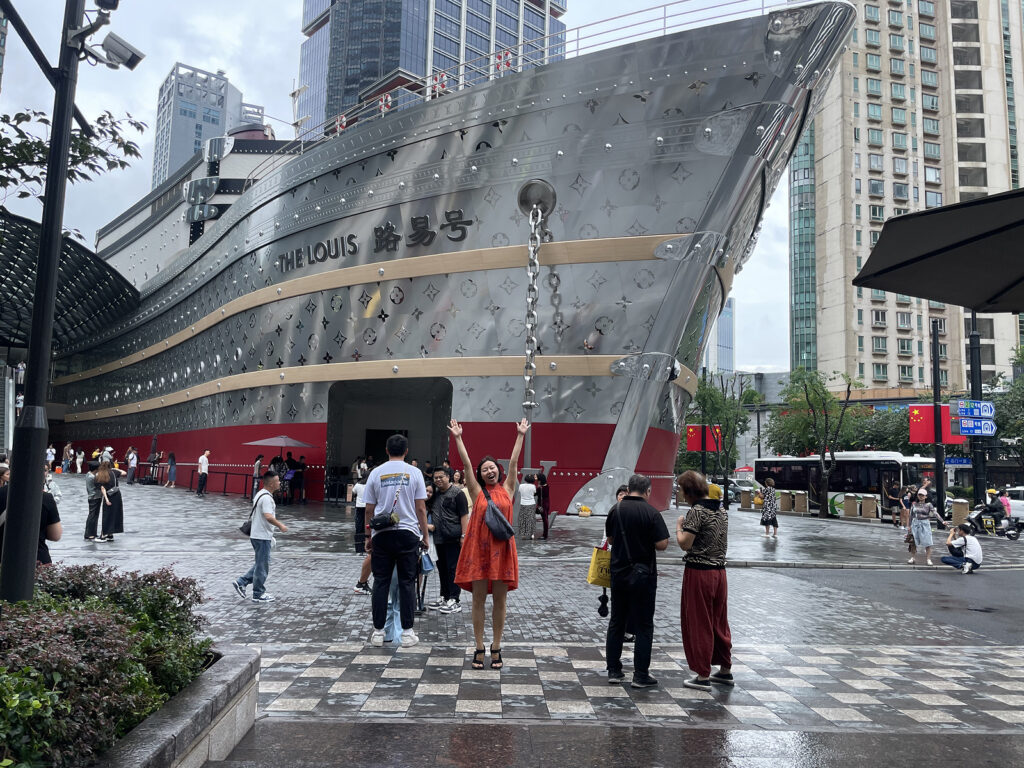
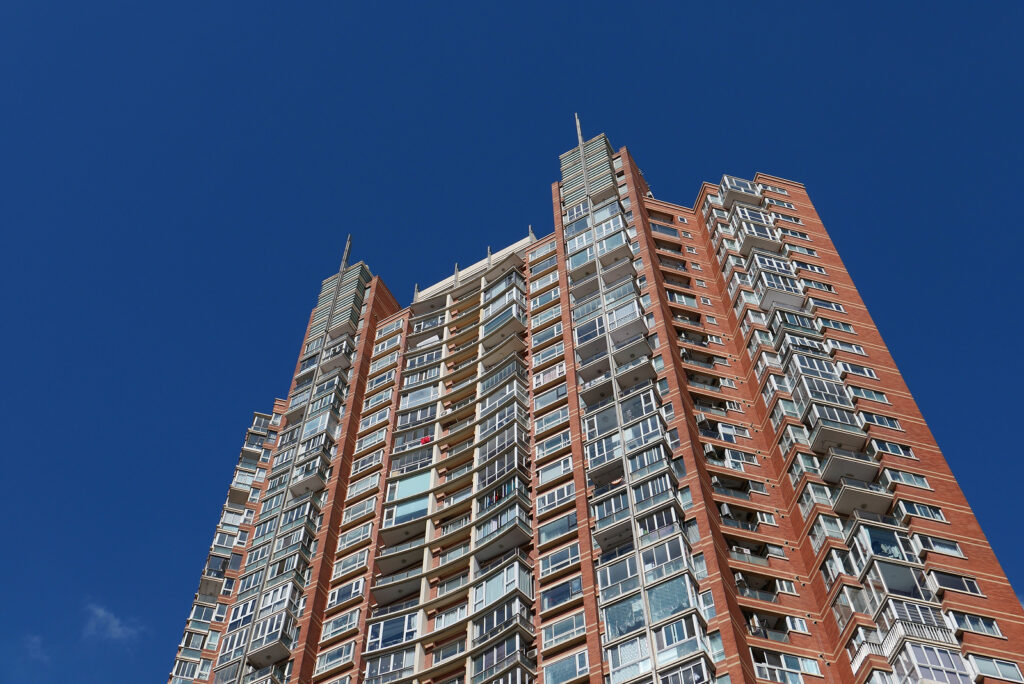
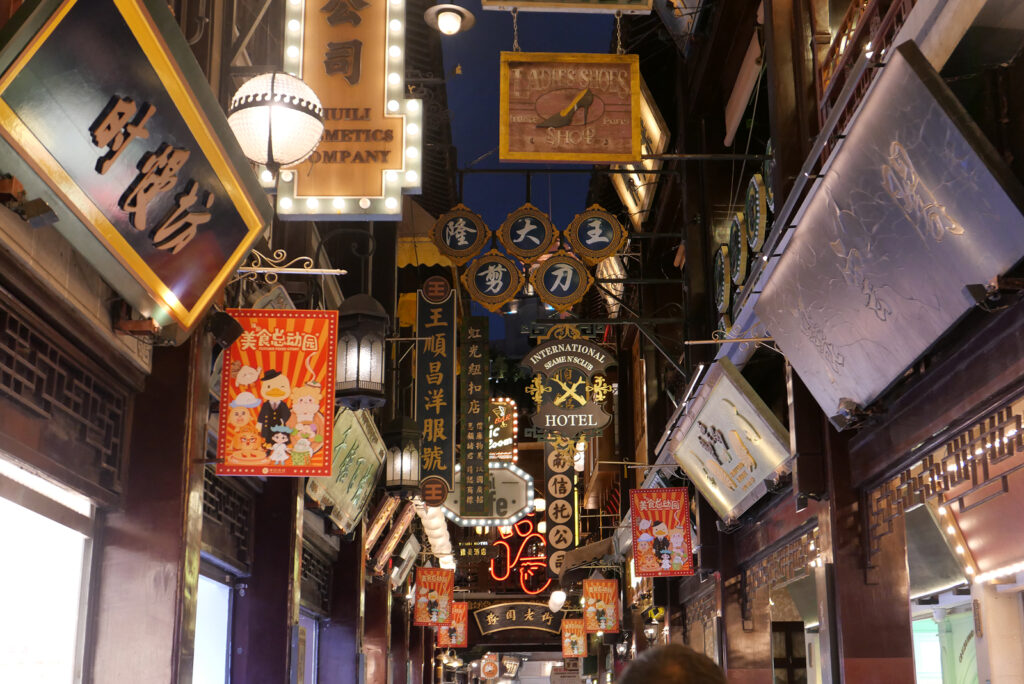
As a result, Shanghai boasted more modern buildings than traditional Chinese architecture. Many of the buildings of historical significance were also associated with the former Chinese Concession. Even the Yu Garden, once considered Shanghai's most representative traditional space, was, upon visiting, a gigantic outdoor shopping mall. Most of these famous spaces felt like they were planned by real estate developers, but surprisingly, each one had a distinct personality, making them a joy to explore.

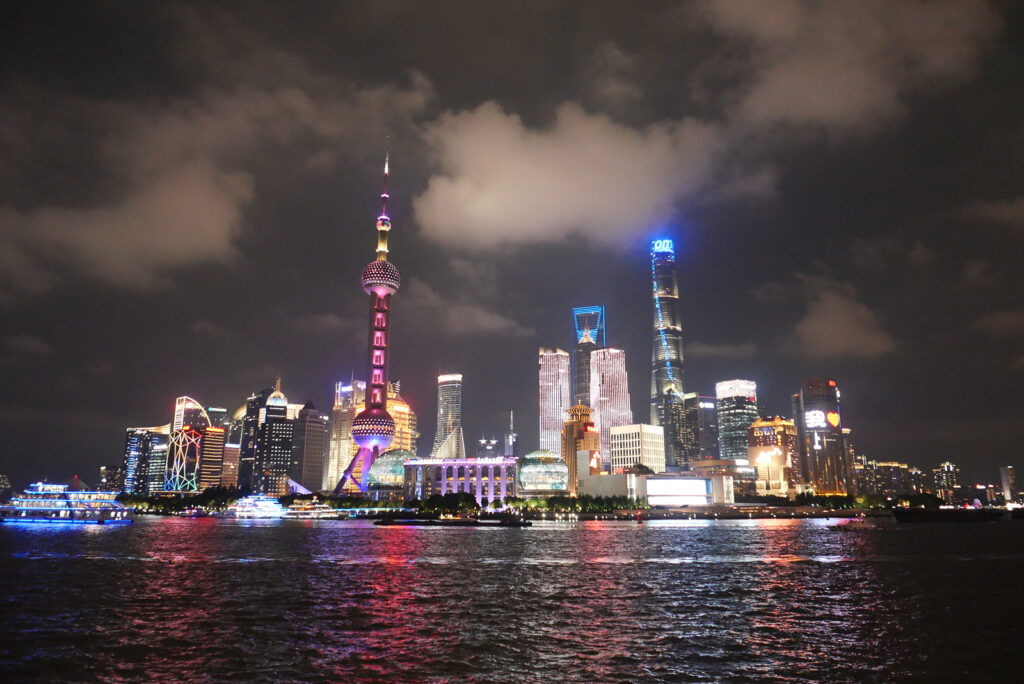
As Shanghai's economy grew, many massive buildings were built. Among them, the Oriental Pearl Tower, Shanghai's most iconic structure, seemed outdated when I first saw it in the media, but it was surprisingly splendid and felt like a futuristic city. The Bund, with its overly bright lights, felt more artificial than I'd expected. However, the Rock Bund, just a block away, felt like a stunning space showcasing Shanghai's current state.

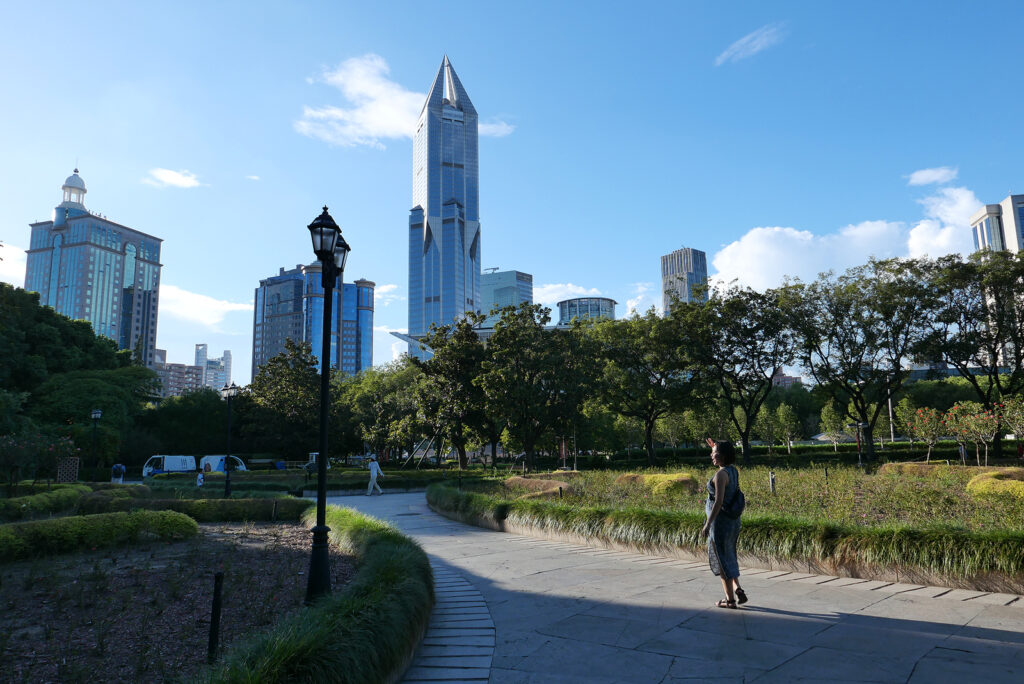
The green spaces and parks visible throughout the park are diverse and extensive. They're not simply collections of plants; their design is beautifully designed with consideration for pedestrian movement and sightlines. The expansive lawn within the park, right next to the garden, was particularly delightful.

Modern Chinese aesthetic

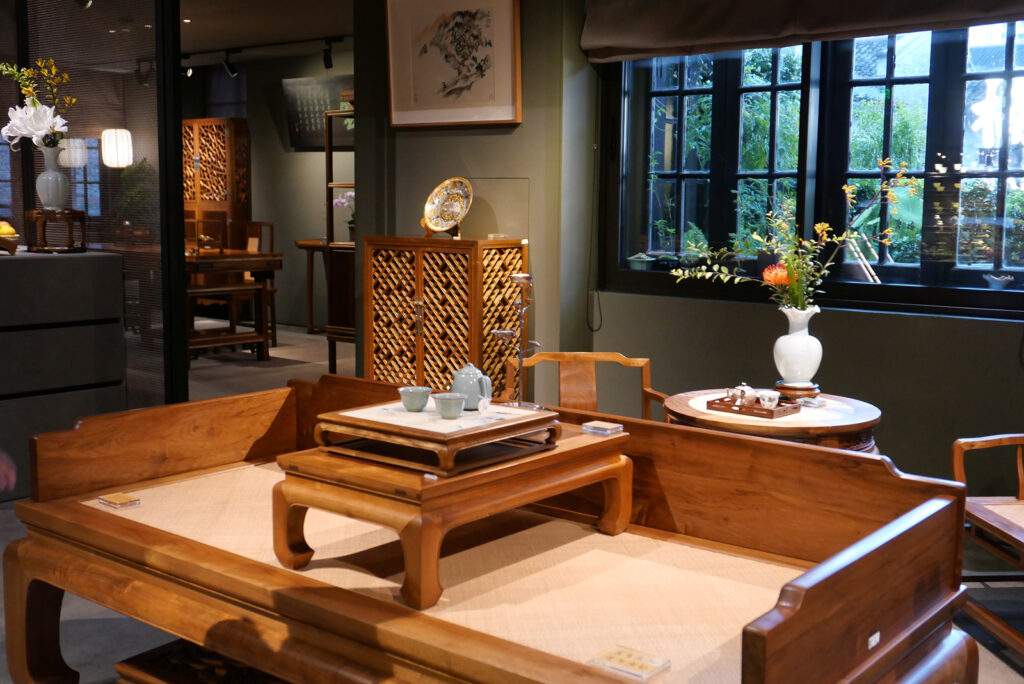
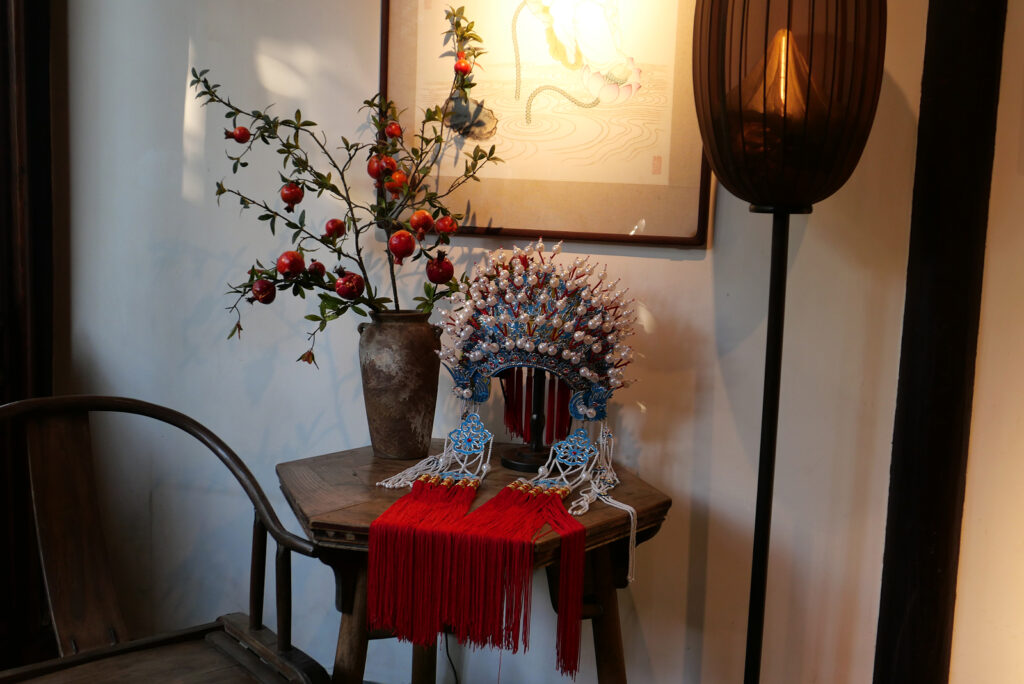
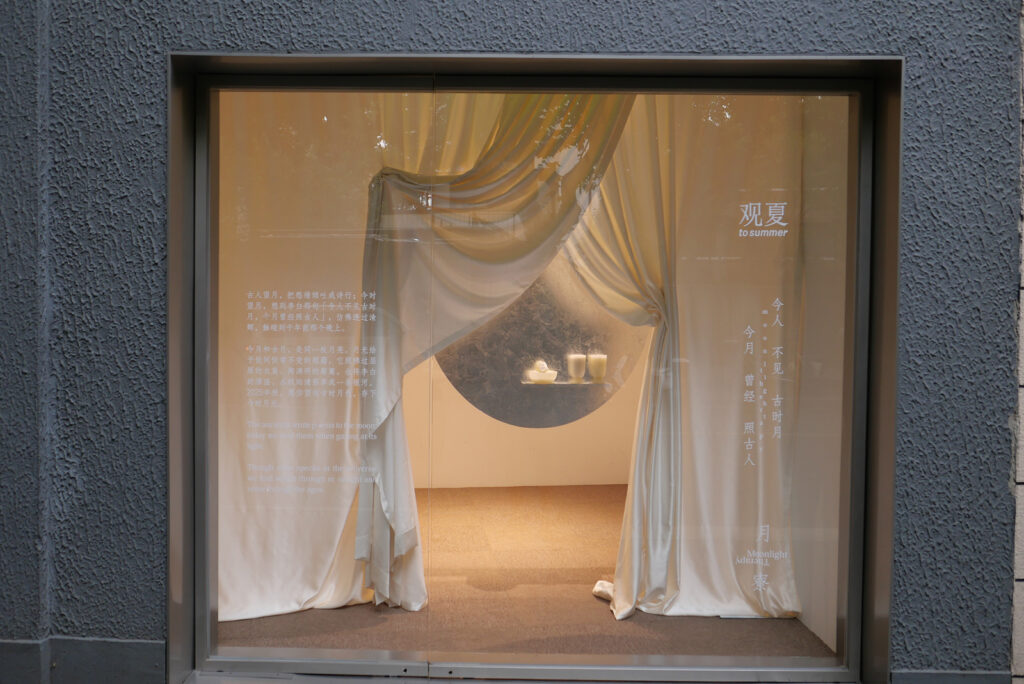
When I think of China, I immediately think of Chinese characters. The visual expression derived from calligraphy is strong, and while I initially misunderstood that Thailand would be heavily decorated, I found that it was actually much more ornate. Chinese design, on the other hand, often features smooth, unbroken lines. Even buildings and furniture often feature seamlessly flowing forms, and the beauty of lines following rounded curves is striking.

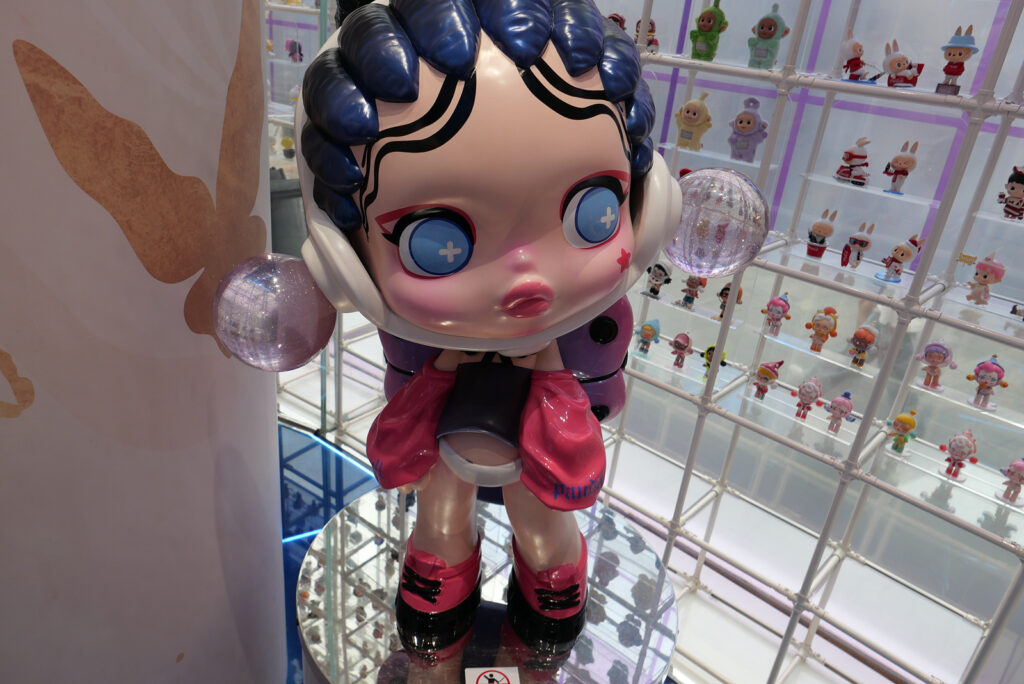
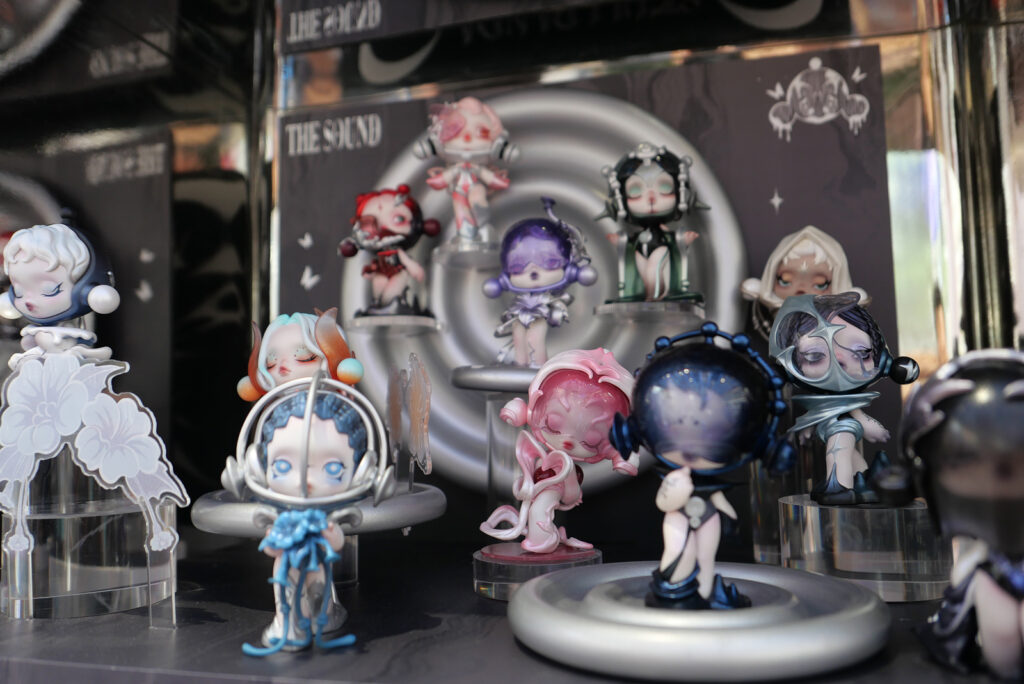
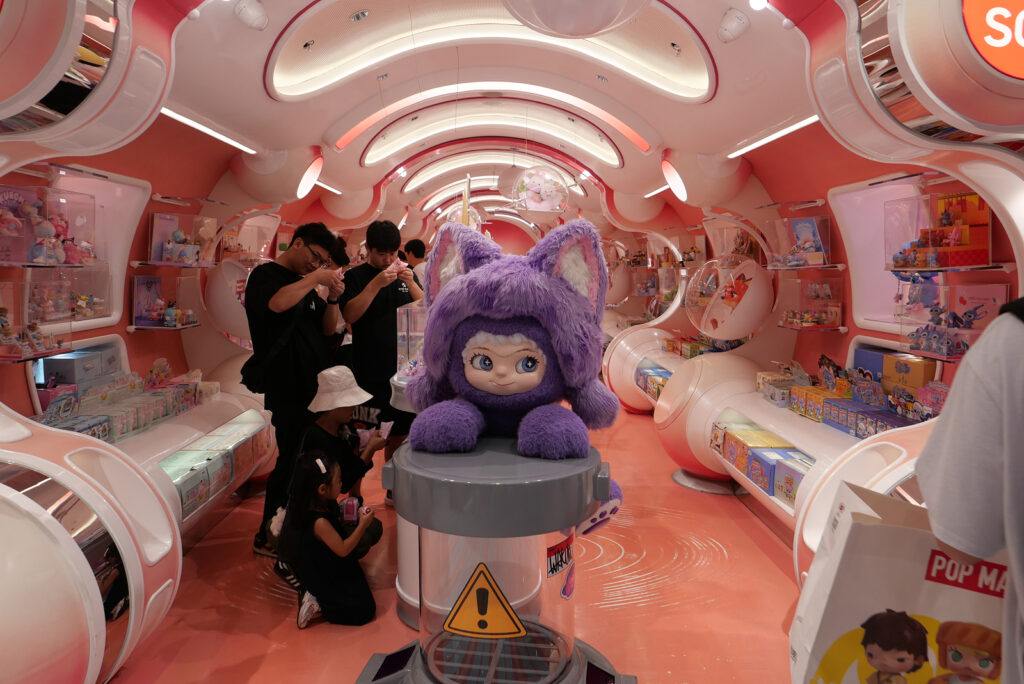
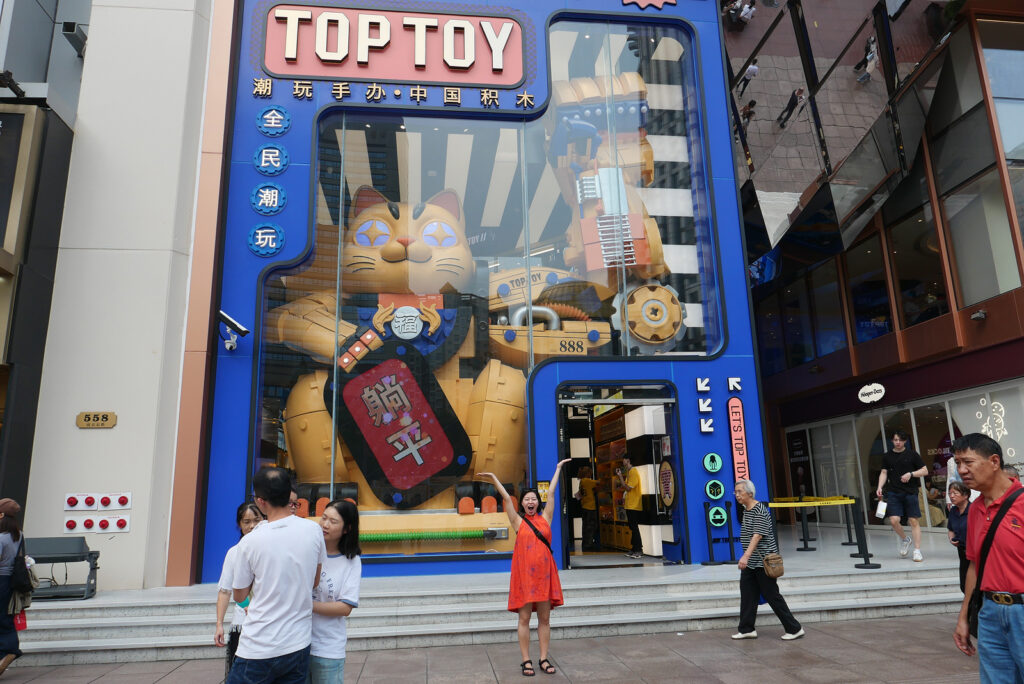
Among modern designs, Labubu stood out. Its gorgeous yet delicate cuteness, distinct from Korean or Japanese, was well-expressed, and its large eyes and well-drawn characters made it feel like a work of art. Besides Labubu, there were several character brand shops with similar styles. While the Japanese character feel still lingered, I could see that uniquely Chinese character designs were rapidly being developed. The figure production quality was already quite high, so I expected more original designs to appear in the future.

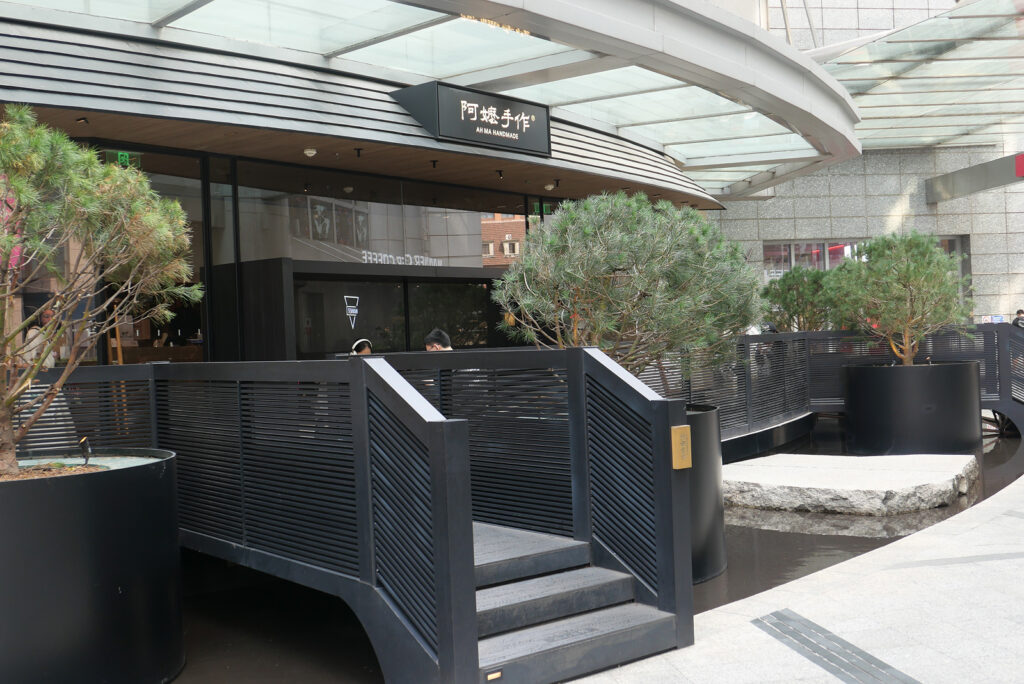
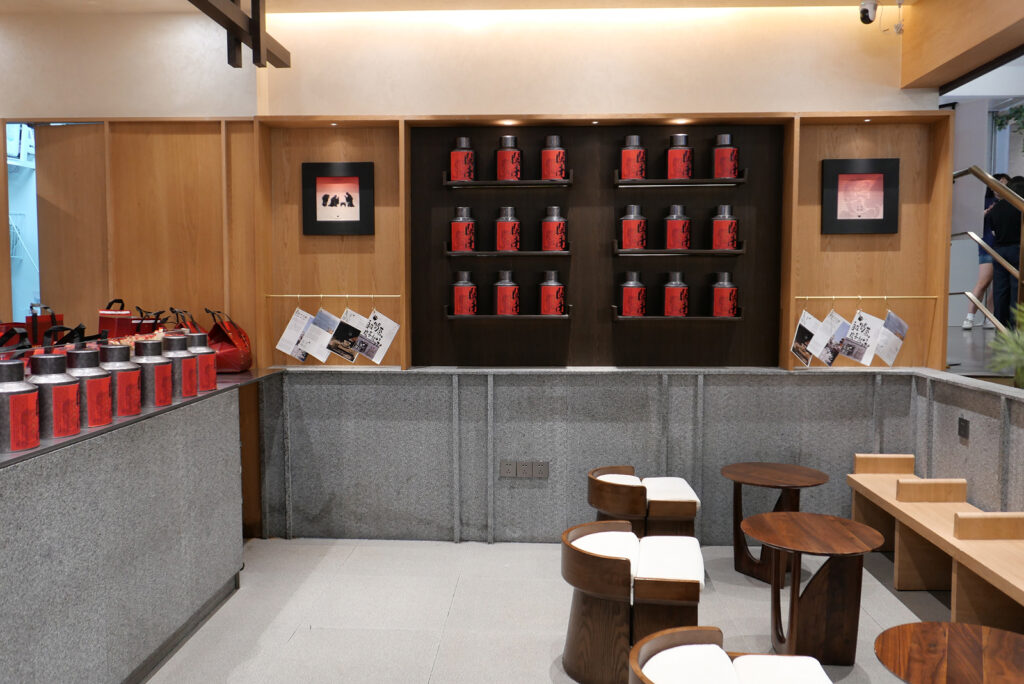
The brand design, which retains a traditional feel, was also appealing. When I thought of Chinese tea, I used to only think of Pu-erh tea, but now I can experience a wide variety of teas, and the brand design beautifully expresses them, which was truly impressive. In particular, Amasujak's brand design exquisitely blends a uniquely Chinese rough texture with a luxurious finish without relying on Japanese elements. The drink itself was surprisingly delicious, making the overall experience a delight.

A city to look forward to in the next few years

Shanghai is a cutting-edge, comfortable, and enjoyable city. It was impressive how, amidst this dynamic change, it gradually developed its own aesthetic and identity. While the entire city is constantly evolving, at some point, it felt like it was finding its own aesthetic language.

I'm excited to see how this city will evolve in the future. I hope to see even more new brands and experimental initiatives on my next visit.

Jongmin Park
From freelancer to head of design at a unicorn startup, I've been creating impact through brand and product design for over 18 years. Currently, as CEO and editor-in-chief of Design Compass, I research design that drives business impact.

Recent Articles

25. 12. 25
Plus
25. 12. 24
Plus
25. 12. 22
Plus
25. 12. 22
Plus
25. 12. 18
25. 12. 17
Plus
25. 12. 17
Plus
25. 12. 16

DesignCompass Newsletter

Design for Business. We deliver daily news about AI, Products, Brands

By submitting your email, you are deemed to have agreed to our Terms of Use and Privacy Policy .
Design for Business